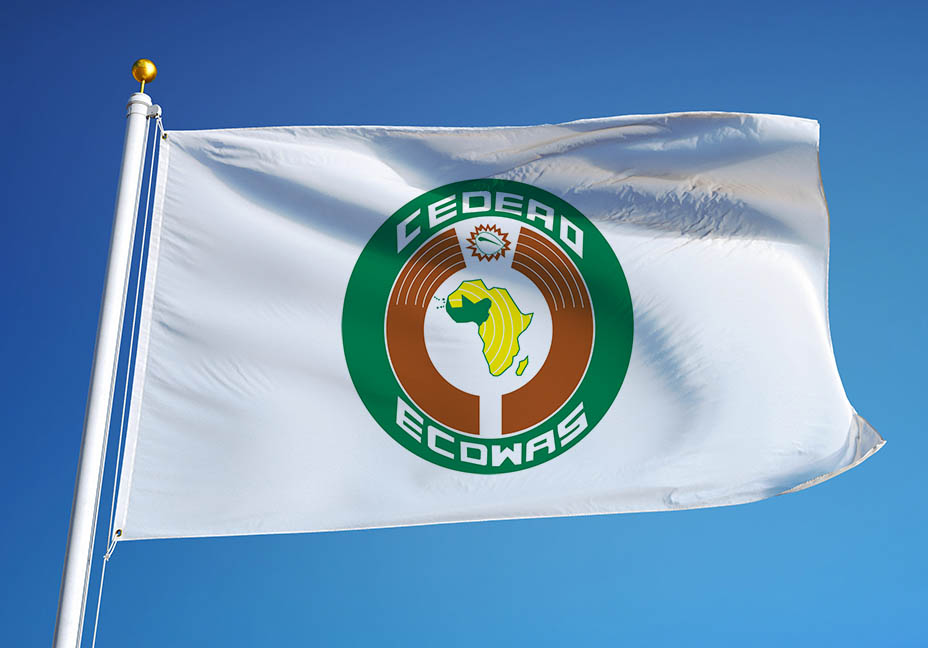
The Economic Community of West African States (ECOWAS) has taken a major step toward delivering the $25 billion Nigeria-Morocco Gas Pipeline, with member states signing an intergovernmental agreement that provides the political and legal framework for one of Africa’s largest cross-border energy infrastructure projects.
The agreement was signed on Sunday in Freetown, Sierra Leone, according to a joint statement issued by the Nigerian National Petroleum Company (NNPC) Limited and Morocco’s National Office of Hydrocarbons and Mines (ONHYM).
The signing represents one of the most significant milestones since the project was conceived nearly a decade ago, moving it closer to construction after years of feasibility studies, engineering design work and diplomatic negotiations involving more than a dozen African countries.
Beyond creating a regional gas transportation network, the pipeline is expected to strengthen energy security across West Africa, accelerate industrialization, improve electricity generation, deepen regional economic integration and provide Europe with an additional source of natural gas at a time when countries continue to diversify their energy supplies.
According to the joint statement, the pipeline will transport up to 30 billion cubic meters (bcm) of natural gas annually from Nigeria through 13 West African countries before reaching Morocco.
From Morocco, approximately 15 bcm of gas each year will be exported to Morocco and European markets through the existing Maghreb-Europe Gas Pipeline, which links Morocco with Spain.
Stretching roughly 6,900 kilometers, the project will combine offshore and onshore sections, making it one of the world’s longest offshore natural gas pipelines. Its route will connect Nigeria with Benin, Togo, Ghana, Côte d’Ivoire, Liberia, Sierra Leone, Guinea, Guinea-Bissau, The Gambia, Senegal, Mauritania and Morocco, creating an integrated regional gas network that could transform energy access across West Africa.
Unlike export-focused pipelines designed solely for overseas markets, the Nigeria-Morocco pipeline has been structured to serve both regional demand and international exports. Participating countries will be able to tap into the pipeline for domestic electricity supply while surplus volumes continue to Europe.
NNPC and ONHYM confirmed that two critical preparatory phases have now been completed.
The project has successfully concluded its:
- Feasibility Study
- Front-End Engineering Design (FEED)
Completion of FEED is particularly important because it provides the detailed engineering specifications, technical design, cost estimates and construction planning required before developers can make a Final Investment Decision (FID) and begin procurement and construction.
The companies added that the next major milestone will be the signing of a bilateral agreement between Morocco and Mauritania in the presence of Nigeria’s President, further strengthening the legal framework governing the pipeline.
That agreement is expected to address cross-border implementation issues involving one of the final sections of the pipeline route before construction activities begin.
Unlocking Financing
The ECOWAS agreement significantly improves the project’s bankability. Large cross-border infrastructure projects typically require intergovernmental agreements before international lenders, export credit agencies and development finance institutions commit funding because they provide legal certainty over issues such as transit rights, taxation, tariffs, security arrangements and dispute resolution.
With participating governments now formally backing the project, developers are expected to intensify efforts to mobilize financing from multilateral institutions, sovereign wealth funds, commercial lenders and strategic investors.
The Nigeria-Morocco pipeline is estimated to cost approximately $25 billion, making it one of Africa’s largest energy investments. Given its size, financing is expected to be arranged in phases, with construction likely to proceed in multiple segments rather than simultaneously across the entire route.
The Importance for Nigeria
For Nigeria, the project represents an opportunity to monetize its vast natural gas reserves more effectively. Nigeria holds Africa’s largest proven natural gas reserves, estimated at more than 200 trillion cubic feet, yet much of this resource remains underdeveloped due to inadequate transportation infrastructure and limited domestic gas distribution.
The pipeline would diversify Nigeria’s gas export routes beyond liquefied natural gas (LNG), creating a long-term pipeline export corridor into both regional African markets and Europe.
It also aligns with Nigeria’s broader strategy of positioning natural gas as a transition fuel capable of supporting economic growth, industrial development and increased export earnings while global demand for cleaner-burning fuels remains relatively strong.
The project is expected to deliver benefits extending well beyond gas exports. According to ONHYM, the pipeline is intended to:
improve electricity generation across participating countries;
support industrialization by providing reliable gas supplies to manufacturers;
strengthen regional energy security;
encourage investment in mining and heavy industry;
deepen economic integration within ECOWAS; and
expand access to cleaner energy compared with more carbon-intensive fuels.
Many West African countries currently rely heavily on imported petroleum products or expensive diesel-fired power generation. Access to pipeline gas could reduce electricity generation costs, improve grid reliability, and stimulate industrial development across the region.
Supporting Europe’s Energy Diversification
Since Europe accelerated efforts to diversify natural gas supplies, African producers have become increasingly important potential suppliers.
By linking Nigerian gas reserves to Spain through Morocco’s existing gas infrastructure, the project could provide Europe with an additional long-term source of pipeline gas while creating a new export corridor for West African producers.
Although the pipeline’s primary objective remains regional development, exports to Europe could improve the project’s commercial viability by expanding its customer base.
The Nigeria-Morocco Gas Pipeline was first agreed upon about a decade ago by Nigeria’s President and Morocco’s King Mohammed VI.
Since then, several milestones have advanced the project.
In June 2022, Nigeria’s Federal Executive Council approved NNPC to sign a Memorandum of Understanding with ECOWAS to facilitate implementation.
In December 2022, NNPC signed additional memoranda with five African countries to strengthen cooperation on the project.
In March 2024, then NNPC Group Chief Executive Officer Mele Kyari said the project was expected to reach its Final Investment Decision before the end of 2024. While that timeline was not achieved, work on engineering, technical studies, and regional agreements continued.
While the ECOWAS agreement marks a major breakthrough, several challenges remain before construction begins.
The project still requires:
- finalization of remaining intergovernmental agreements;
- completion of financing arrangements;
- a Final Investment Decision (FID);
- procurement of contractors and equipment;
- environmental and regulatory approvals across multiple jurisdictions; and
coordination among the 13 participating countries throughout construction.
Given the pipeline’s scale, execution is expected to take several years and will require sustained political cooperation among participating governments.