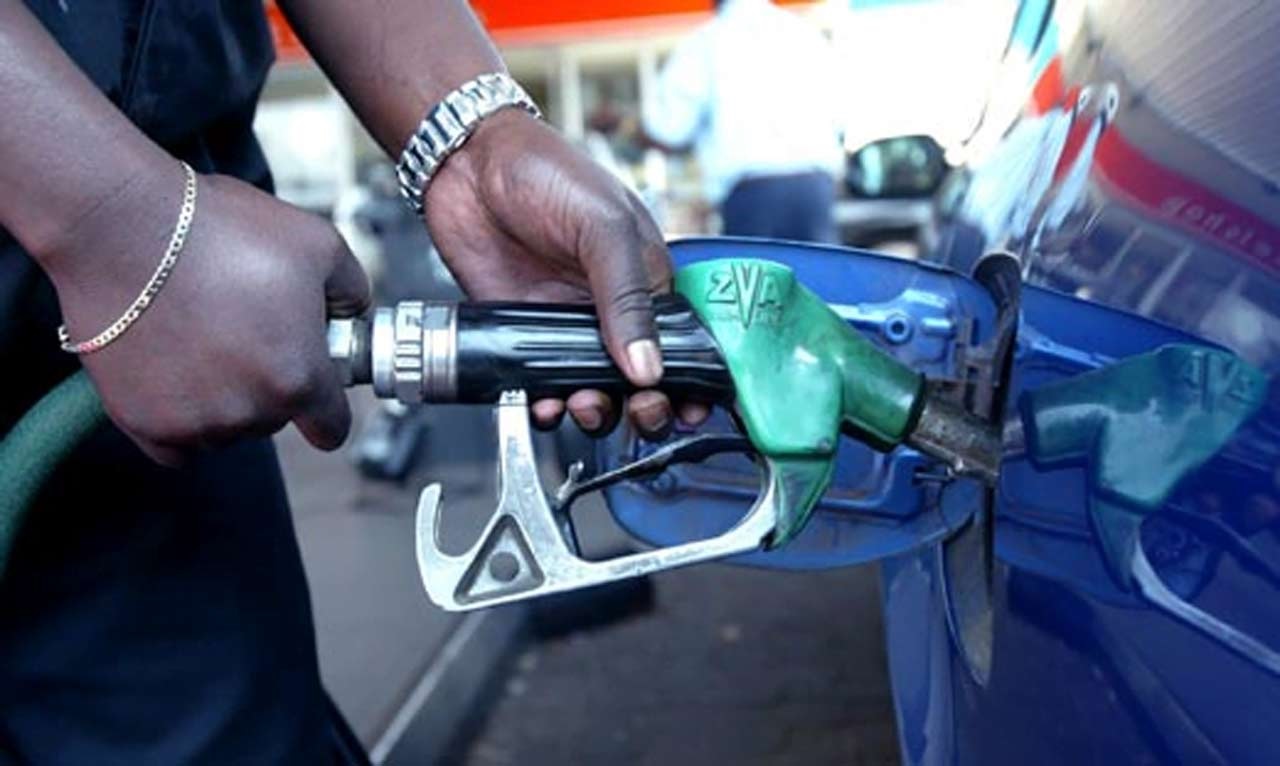
The U.S. diesel market is sending a warning that reaches far beyond the fuel pump. With diesel prices hitting a record $6.51 per gallon, the shock is no longer simply a problem for truck drivers or logistics companies.
Diesel is embedded in the physical economy, powering freight, agriculture, construction, mining, manufacturing and countless businesses that move goods from producers to consumers.
The significance of the price is therefore larger than the number itself. Gasoline is highly visible to households because consumers fill their cars regularly.
Diesel, however, is the fuel of commerce. When its price rises sharply, transportation companies face higher operating costs, farmers spend more moving machinery and harvests, and manufacturers pay more to bring raw materials into factories. Eventually, some of those costs are passed down the supply chain.
That creates an uncomfortable economic feedback loop. Higher diesel prices increase the cost of transporting goods. Businesses facing thinner margins may raise prices, reduce deliveries or postpone investment. Consumers then encounter higher prices for food, manufactured products and other essentials.
What begins as an energy-market shock can therefore become a broader inflationary pressure. The timing matters. Energy markets are already dealing with geopolitical uncertainty and disruptions to global oil flows.
Crude oil is the primary feedstock for diesel, but the relationship between crude prices and retail diesel is not one-to-one. Refining capacity, inventories, transportation bottlenecks, seasonal demand, taxes and regional supply conditions can all influence what drivers pay.
For American consumers, the record price is particularly significant because diesel affects the cost structure of almost everything that travels long distances.
A truck does not merely transport fuel, machinery or food; it transports the inflation embedded in the economy. When fuel becomes substantially more expensive, every mile becomes more costly. The agricultural sector is especially exposed.
Farmers rely on diesel for tractors, combines, irrigation equipment and transportation. A prolonged period of elevated diesel prices can therefore increase production expenses before crops even reach a distributor. Those costs can eventually filter into wholesale and retail food prices.
Although the final effect depends on crop markets, weather, inventories and other inputs. The same dynamic applies to construction. Heavy equipment frequently runs on diesel, meaning expensive fuel can raise the cost of building roads, warehouses, housing and industrial facilities.
In an economy investing heavily in infrastructure and energy capacity, that creates an additional cost that businesses and governments must absorb. For financial markets, the diesel record is another reminder that inflation cannot be understood through interest rates alone.
Central banks can influence demand through monetary policy, but they cannot directly manufacture additional refinery capacity or reopen disrupted energy routes. If energy prices remain elevated, policymakers face a difficult balance between containing inflation and avoiding excessive pressure on economic activity.
The $6.51 figure therefore represents more than an expensive trip to the pump. It is a signal about the cost of moving the real economy. If diesel prices remain elevated for an extended period, businesses will have to decide how much of the increase they can absorb and how much must be passed to customers.
That decision could determine whether today’s fuel shock remains concentrated in transportation or develops into a wider inflationary problem.
U.S. Senior Poverty Rises as Healthcare and Housing Costs Increase
America’s broader poverty rate may be improving, but for millions of older Americans, the economic picture is moving in the opposite direction.
New Census data show a widening gap between the headline strength of the U.S. economy and the financial reality confronting many people in retirement.
In 2025, more than 10 million Americans aged 65 and older were living below the Supplemental Poverty Measure, according to analysis of Census data. Their share of the population rose from 9.4% in 2020 to 15.4% in 2025.
The distinction between the official poverty measure and the Supplemental Poverty Measure is important. The official measure focuses primarily on pretax cash income. The supplemental measure also considers taxes, government benefits, housing costs and out-of-pocket medical expenses.
For older Americans, those additional costs can dramatically change the picture of economic security. That helps explain how poverty can increase among seniors even while the overall U.S. poverty rate falls.
The national official poverty rate declined to 10.2% in 2025, its lowest level on record, with 34.5 million people classified as poor. Yet the supplemental measure reveals a different pressure point among older households.
Healthcare is one of the central reasons. Retirement income is often relatively fixed, while medical expenses can rise unpredictably. The Census Bureau’s supplemental methodology explicitly incorporates medical expenses because they directly reduce the resources available to households.
Analysis of the latest data indicates that medical costs pushed millions of Americans into supplemental poverty in 2025, including roughly 2.5 million seniors.
Housing presents another problem. An older homeowner with a mortgage, property taxes and maintenance expenses can face a very different financial reality from someone who owns a home outright.
Renters face even greater exposure to rising housing costs. The supplemental poverty measure accounts for geographic differences in housing expenses, making it particularly useful for understanding why nominal retirement income does not necessarily translate into financial security.
Social Security remains the most important buffer. Census data show that Social Security moved 28.8 million Americans out of supplemental poverty in 2025. Without it, the number of older Americans facing financial hardship would be considerably larger.
Yet the program is not designed to cover every expense associated with a long retirement, particularly when healthcare, housing and caregiving costs consume a growing share of household resources. The consequences extend beyond individual households.
Financially vulnerable seniors may delay medical treatment, reduce food spending, move in with relatives or continue working well beyond traditional retirement age. The result is a retirement system increasingly divided between Americans with substantial assets and those whose principal protection is a monthly government benefit.
The numbers therefore reveal a complicated American economy. Growth can remain resilient, unemployment can stay relatively low and aggregate household income can rise, while a significant portion of older citizens becomes more financially exposed.
The challenge is not simply whether America is getting richer. It is whether that prosperity is reaching people at the stage of life when earning power is naturally declining and essential expenses can become harder to control.
For millions of older Americans, the latest Census figures suggest that retirement security is becoming less certain—and poverty is becoming an increasingly visible part of the American aging story.