DD
MM
YYYY

PAGES

DD
MM
YYYY

spot_img

PAGES

Home Blog Page 6072

SPECIAL REPORT: Egbin Power Plant: Bringing Energy and Greenery to Life in Africa’s Largest Economy

0

One of the main challenges in Nigeria is a stable electricity generation and distribution. This has led to alternative generation and usage by the people and businesses. A recent report indicates that Nigeria is one of the countries in Africa where a total of $120 billion is needed in the next 5 decades to close electricity gap.

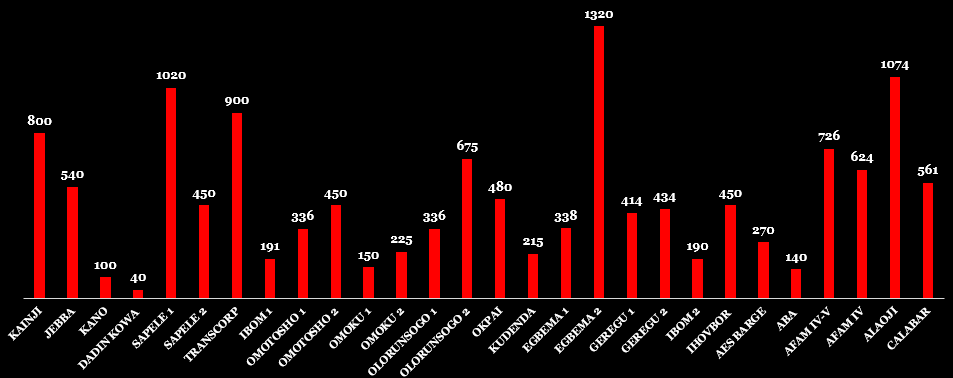
Though, Nigeria has 30 power plants with an installed capacity to generate more than 13,000 MW, transmitting and distributing this in the last few years by the electricity transmission and distribution companies remains a herculean task. According to a number of sources, perused by our analyst, the Transmission Company of Nigeria can only transmit 7,000MW, while the distribution companies have the capacity to handle 3,000MW, distributing to the residential and industrial places across the country.

As narratives and alternative narratives continue trailing issues in the Africa’s largest economy, we learnt that the public are not relent in seeking information and knowledge of the reasons to have ability to generate that amount of electricity and still not have electricity for residential and industrial consumption.

In our experience, we found that a significant number of members of the public developed interest in energy generation and distribution between 2015 and 2020. We discovered that the interest in energy generation connected with the 30 power plants’ capacity to generate more than 13,000MW by 27.3%. While this seems good, analysis shows that one percent of interest in the plants’ energy generation capacity reduced interest in energy distribution by 28.8%. This reaffirms the earlier position that people are losing interest in the TCN and DISCOs.

Exhibit 1: Power Plants and Their Generation Capacity
Source: NERC, 2020

Bringing Energy to Life

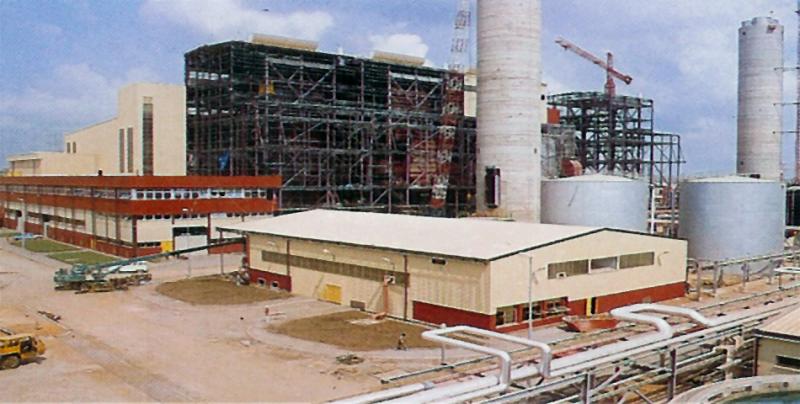
Despite varied macroeconomic and communal challenges facing businesses in Nigeria, especially those with the interest in the power industry, Egbin Power Plant, a subsidiary of Sahara Group, is one of the companies contributing to sustainable energy generation. This plant came into existence more than 30 years ago. It is situated on 600 hectares of land at Ijede, a suburb of Lagos city.

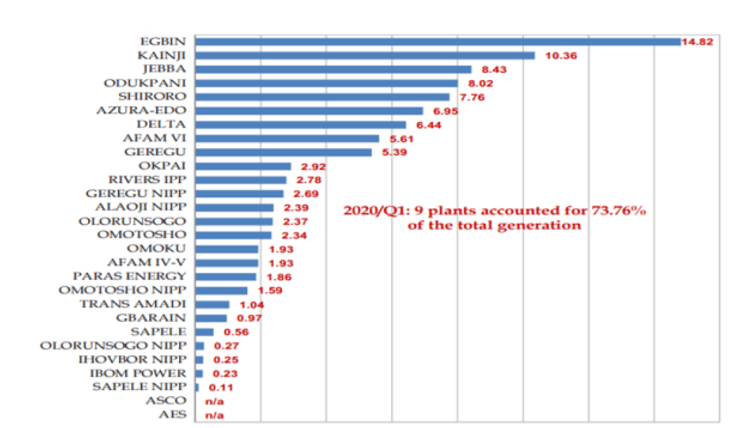
Since 1985, a significant amount of money has been spent on infrastructure and over 350 employees. In 2018, Sahara Energy invests $200m in Egbin Power Plant to generate 1,100MW. During the year, the management of the plant promised generation of 5,000MW in 5 years.  It contributes 13% of the total electricity generated to the national grid, making it the heartbeat of Power and the largest provider of electricity to Africa’s largest economy. Indeed, the plant is fulfilling its strategic principle of bringing energy to life in spite of challenges. It believes in “powering prosperity” through top quality power generation, leveraging cutting edge technologies.  According to the data released by the Nigerian Electricity Regulatory Commission (NERC) for the Q1 2020, the plant generated 14.82%, the highest.

Exhibit 2: Share (%) of Generation Output by Plants in Q1 2020
Source: NERC, 2020

Bringing Greenery to Life

There is no doubt businesses and individuals need energy to be operational at offices and homes. They also want a better share of the consumption when the generating companies must have done the needful in terms of embracing the right sustainability practices. Egbin Power Plant, at least, has demonstrated that it is ready to bring energy to the life of businesses and people. Our analysis indicates that one percent of public interest in energy generation increases interest in green environment by 19.6%.

One of the employees at the corporate level at the plant recently notes that “a typical passenger vehicle emits about 4.6 metric tonnes of carbon dioxide per year and this is equivalent to an average of 0.0126 metric tonnes of carbon dioxide per day. Every walk-to-work and bike-to-work activity as well as riding on the electric buggies within the facility prevents emission of 3.78 metric tonnes per day of carbon dioxide from about 150 cars within Egbin and 1379.7 metric tons every year.”

Based on the outcome of our analysis and employee’s position, our analyst visited the premises of Egbin Power Plant to observe and document sustainability practices of the management of the Plant within the context of green environment in power plants. This is imperative has different researches established that the Plant and others have capacity of generating CO2 emission, NOx emission, particulate matter, SOx among others, which can harm people and aquatic lives.

From Ikorodu to Ijede, our analyst experienced severe heat. This is connected with air and noise pollution in the area. Our analyst notes that the effects should have been minimal if there are trees planted along the roadsides. As he moved towards the Power Plant he was panicked and thought about how the life would be at the Plant location.

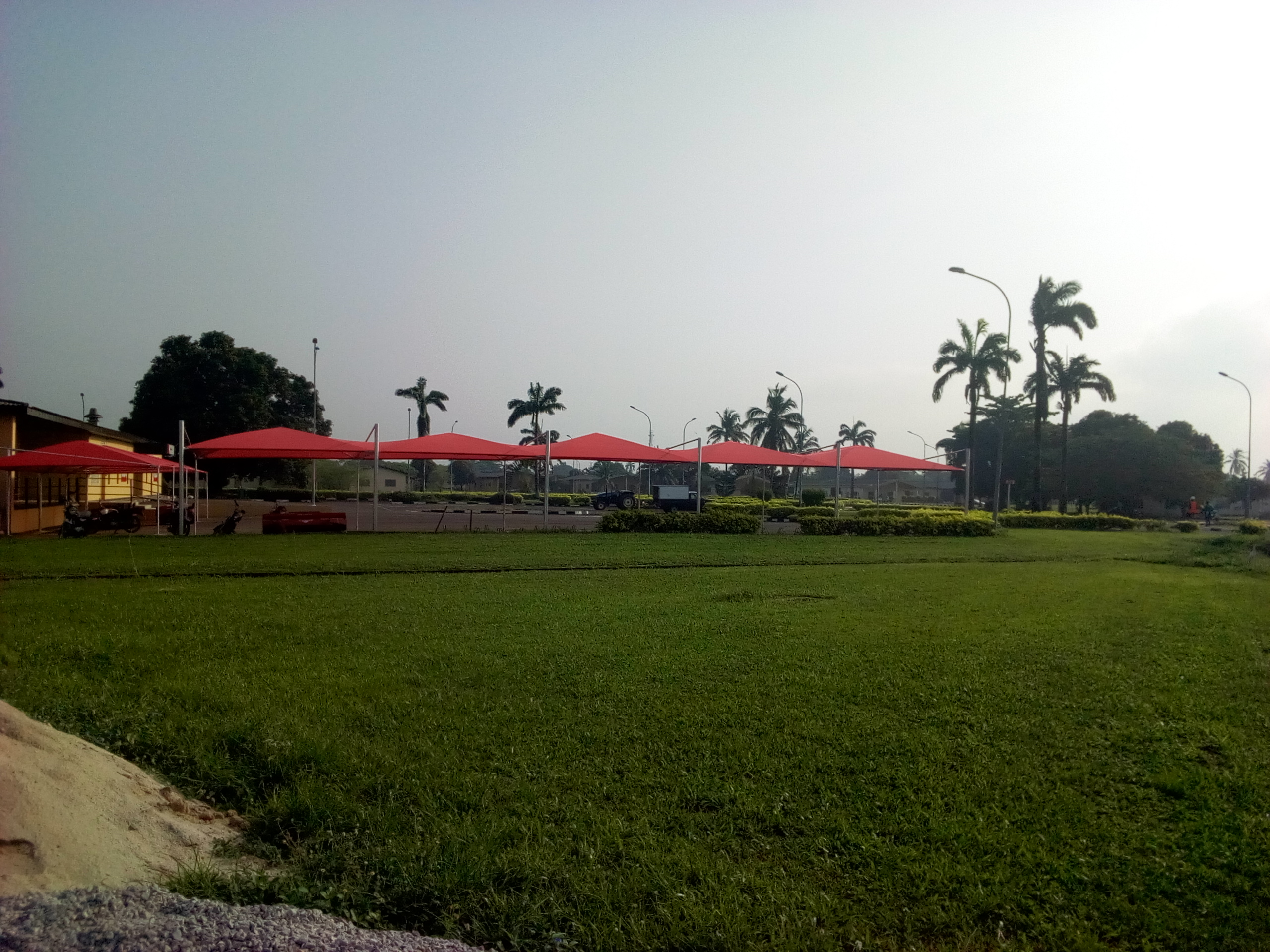
Getting to the main entrance of the Plant at about 5pm on Wednesday, 11 November 2019, he participated in the routine security check up and visitors’ documentation. A few minutes after documentation and entering the main premises, his premonition about the severe heat and other possible effects of air and noise pollution changed. Everywhere is green, contributing to the breeze that welcomes him. This experience further reinforced what he had earlier found when public interest in green environments in relation to power plants was analysed along with the interest in Egbin Power Plant and others. Analysis reveals that in 260 weeks, people developed significant interests in green environment and knowing Egbin power plant more than others. For instance, one unit of interest in green environment led to 11.4% interest in the Egbin Power Plant.
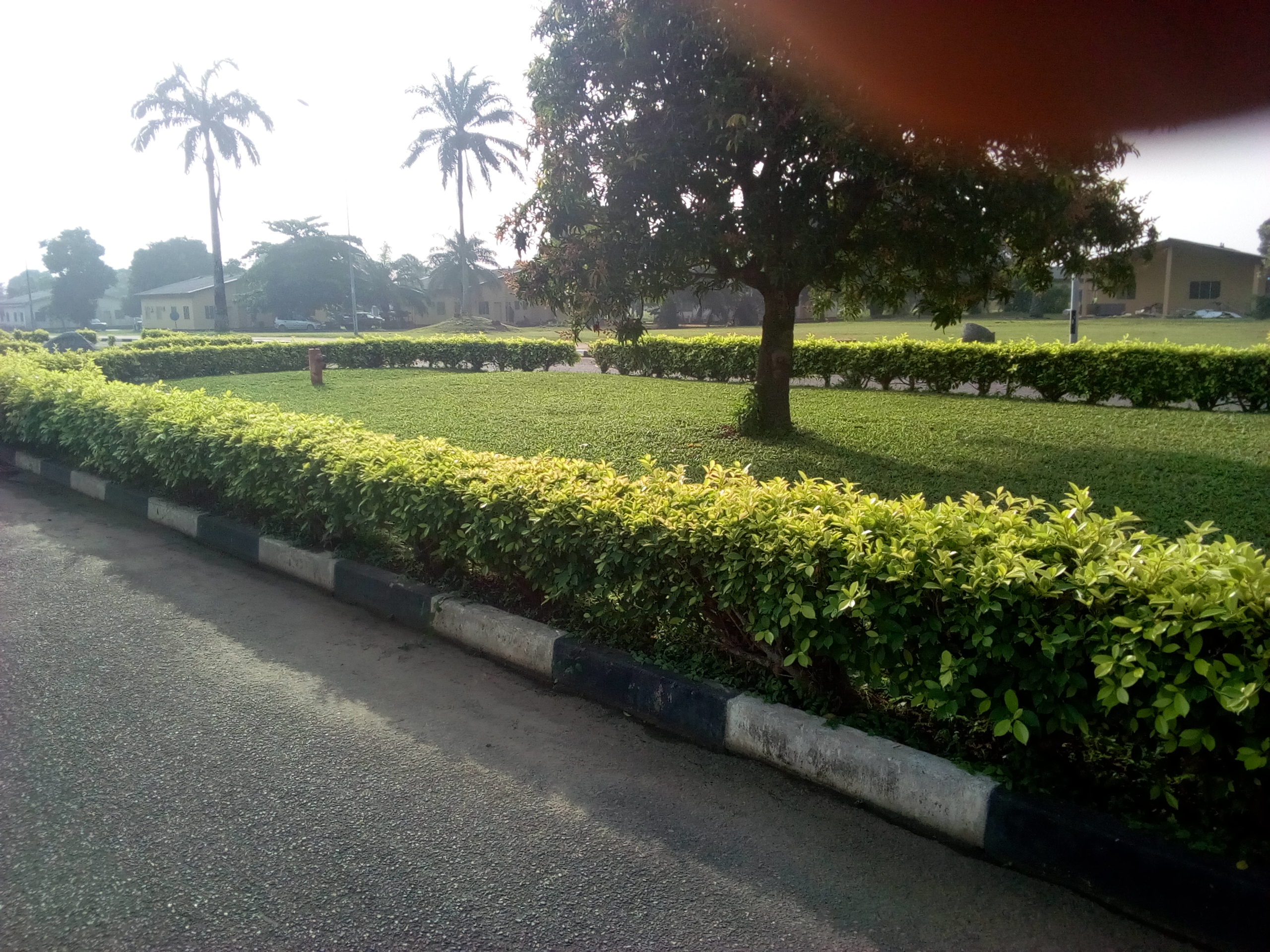
From Estate to Powerfields Group of Schools and other strategic structures on the premises, trees of different species are planted. On the both sides of the roads, our analyst also discovered various categories of flowers and other ornamental plants capable of reducing climate change impacts on living and non-living things. In his words, Abdullah Oladipo, the Project Team Lead of Green Facilities, notes that greenery reduces amount of air and noise pollution, increases value and lifespan of facilities on the premises, and improves people’s well-being. “It makes the premises more appealing,” he stressed.

“What I love most about the company was how they took the safety and health of every employee, including the Interns seriously,” one of the previous employees of the Plant said while narrating his experience on an employee review portal in 2020. With the two days experience, our analyst observes that Egbin Power Plant walks its talks in terms of providing a sustainable environment for stakeholders not only bringing energy to life.
 

Nigeria Ratifies AfCFTA but the Border Remains Closed

0

The Federal Government of Nigeria on Wednesday, announced the ratification of Nigeria’s membership of the African Continental Free Trade Area (AfCFTA), beating the December 5 deadline.

The news came at the end of a Federal Executive Council meeting held virtually on Wednesday.

“The Federal Executive Council (FEC) today (Wednesday) Ratified Nigeria’s membership of the African Continental Free Trade Area (AfCFTA), ahead of the December 5, 2020 deadline. The AfCFTA Agreement comes into effect on the 1st of January 2021,” a statement from Nigerian government said.

For months, the Nigerian government has been dragging feet on the ratification of AfCFTA, when several other African governments have stepped forward. President Muhammadu Buhari said the government needed to examine the merits and demerits of the agreement before it could pen the approval.

The African Continental Free Trade Area is a new bloc designed to foster intra-African trade. The idea was brokered by the African Union and signed by 44 out of 55 of its member states in Kigali, Rwanda on March 21, 2018.

So far, 30 African countries have deposited their instrument of ratification with the African Union Commission (AUC), and they include most West African states.

Nigeria, as the largest economy in the continent was expected to take the lead, but she was among the last countries to sign the agreement. In July, 2019, when Buhari finally penned down Nigeria’s willingness to become part of the agreement, it was all the continent wanted to hear.

But as other member states welcomed Nigeria to the bloc, the government took a controversial step that stood in the way of AfCFTA and everything it stood for.

In August 2019, the Nigerian government shut its land borders, halting all trade with its West African neighbors, and throwing the chances of implementing the AU trade agreement into jeopardy. It was an unprecedented move that cast more strains on Nigeria’s struggling economy as well as her West African neighbors.

The federal government said it took the step to quell smuggling which was ripping through its economy and enabling free flow of arms to terrorists in the Sahel region and northern Nigeria, and West African states will need to find a way to stop the smuggling before the border could be reopened.

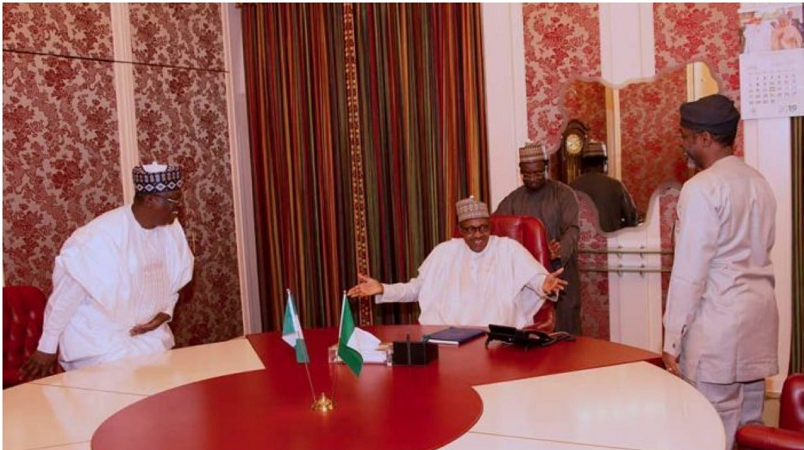
President Buhari of Nigeria

“The Sahel region is awash with small arms, which accounts for severe security challenges in Mali, Chad, Burkina Faso, Niger, and Nigeria. We are in fact the biggest victims,” Buhari said. He also noted that the inflow of rice into Nigeria was undermining the efforts of local farmers, and that the border closure has boosted their earnings.

While local and international condemnation trailed the move, Nigeria’s government adamantly said there is no date for reopening of the borders.

The West African neighbors saw the decision as deliberate punishment that undermines ECOWAS rules. Clement Boateng, National Organizer of Ghana’s Union of Traders Association said that the Ghanaian government needs to enact retaliatory laws to protect its people.

“Nigeria has shown us that when it comes to ECOWAS protocols, they don’t care because they put their citizens first. That is why we think our Ghanaian government needs to implement some of the local laws that can protect the local people, especially regarding the influx of foreigners in the retail trade,” he said.

The lax in enforcement of ECOWAS protocols and the seeming lack of jurisdiction by the African Union to compel Nigerian government to open the borders set some members of the ECOWAS on a vindictive mission. Ghanaian government commenced shutting Nigerian-owned stores in Ghana, and there was rising tension between Benin Republic and Nigeria over the border closure.

As the West African economy nosedived even before the outbreak of COVID-19, AfCFTA becomes the hope of ECOWAS bloc and the rest of the continent as they push to up their economic ante through the creation of intra-African trade that will soar over the current abysmal 16%.

Africa’s $2.4 trillion GDP is currently reeling on the strains of COVID-19 and needs a boost through intra-African trade.

The World Bank has urged African leaders to develop a framework to resolve border issues, as they will be a lot of it when AfCFTA comes into effect.

“The AfCFTA will only succeed if member countries make the regional strategy part of their national policy and proactively address the tensions that arise. Countries should find the sweet spot that reinforces national economic goals and ensures maximum gains from increased integration, looking beyond a static assessment of their priorities,” the World Bank said.

It added that countries need to make the case to their people as to why integration is useful in the long term – this is particularly important in larger countries, which may have greater influence on regional decisions.

The Nigerian government did not comment on border reopening when it announced the AfCFTA ratification, which suggests the borders may likely remain closed when AfCFTA goes into effect in January 2021.

Tekedia Mini-MBA is “Simply the best” – Hajia Ahmed

0

She is one of our most ardent fans. As I write, she has prepaid for the next three editions. Thank you.  How do you move your consumers to become customers, and then move those customers to become FANS? Today, I ask you to find out why Hajia wrote that Tekedia Mini-MBA is “Simply the best”.

Begin here

CEO of Bitfxt, Franklin Peters, to Lead A Session On Decentralized Finance – Tekedia Live

0

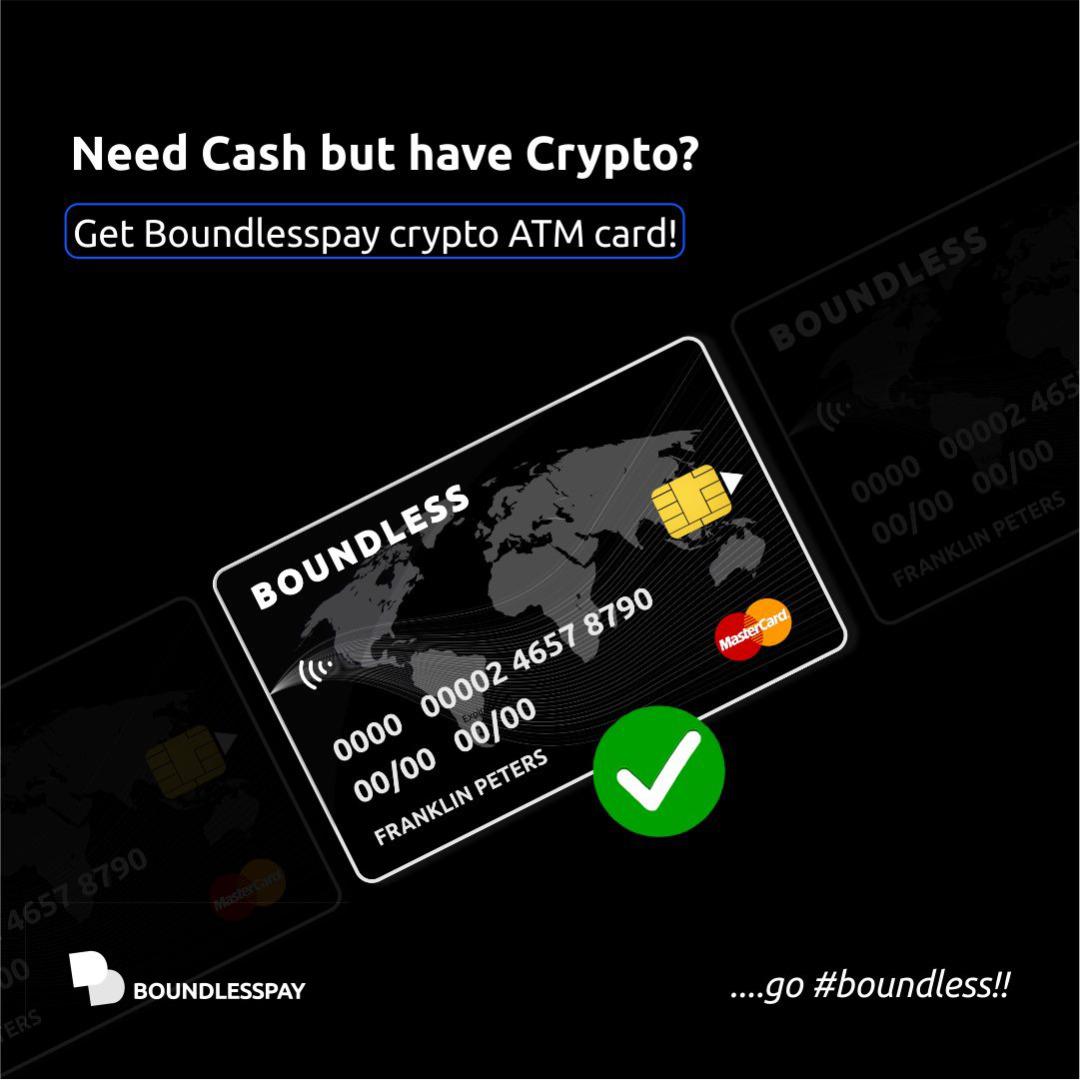
His BFI was accepted into Coinmarketcap today. And he is building BoundblessPay to unleash a new dawn in intra-African trade. With his Mastercard branded card, you can withdraw Naira or other African currencies for major cryptos. But the one on Decentralized Finance is the digital gold that makes me extremely happy; I am a Bitfxt investor. Tomorrow at Tekedia Mini-MBA Live, Franklin Peters will lead a session on Decentralized Finance in Africa. Zoom link in the Board.


Swedish Court Gives Huawei a Lifeline As Brazil Operators Resist US pressure to Axe the Chinese Company

0

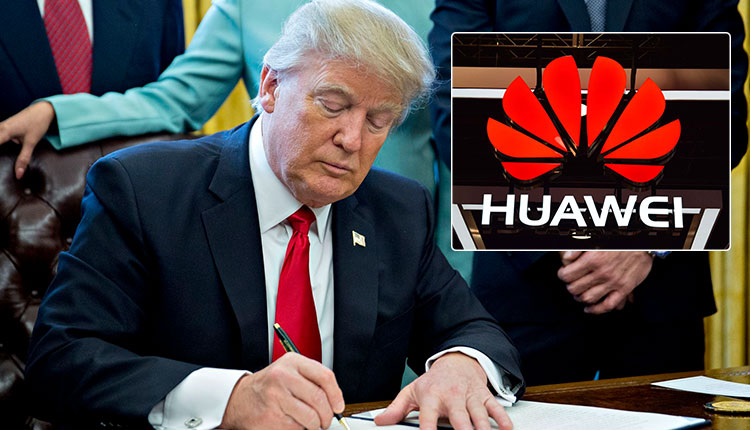
Huawei has got a lifeline in Sweden after a court on Monday suspended parts of the decision that had excluded it from participating in the 5G spectrum auction. The decision has forced Sweden’s telecoms regulator PTS to halt the auction.

The Chinese telecom company has been at the center of discussion of every 5G network roll-out, a situation instigated by the United States’ security concern. The US has been wary that the Chinese government would access information from Huawei, compromising its national security as well as those of its allies.

Against this backdrop, the United Kingdom had in July, severed ties with Huawei. As the pressure from the US mounts, many countries have succumbed to it by kicking Huawei out.

PTS had announced earlier it booted Huawei out of its 5G spectrum due to security concerns. But the telecom had appealed the decision.

The Stockholm administrative court said in the decision that certain parts of PTS’ decision prior to the upcoming 5G auctions will not apply until further notice. That means, Huawei will be allowed to participate in the impending 5G spectrum auction.

Kenneth Fredriksen, Huawei’s executive vice president, Central East Europe and Nordic Region, told Reuters that the company has no further intention of legal action against the Swedish authorities, and at this point, they are waiting to have constructive dialogue.

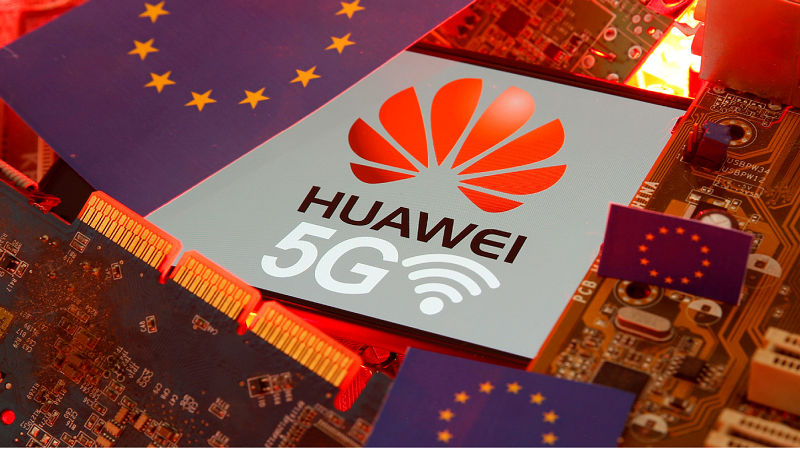
Most parts of the world have been pushing to cage Huwaei

“We are willing to cooperate fully in terms of any future requirements they may put as a supplier of 5G equipment that will enable us to be a certified vendor,” he said.

The bans on Huawei have placed Finish Nokia and Swedish Ericsson in a lucrative position as their participation in the 5G roll out has increased significantly in the past few months. They were expected to fill in the gap created by Huawei’s ouster.

The PTS approved the participation of Sweden’s Hi3G Access, Net4Mobility, Telia Sverige and Teracom in the planned spectrum auction of 3.5 GHZ and 2.3 GHz, key bands crucial for the roll out of 5G.

Tele2 and Telenor will participate together as Net4Mobility to secure spectrum for a joint nationwide 5G network.

The auctions were expected to start from Tuesday. PTS said it has informed the operators about the halt and would review the possibility of starting the process as soon as possible.

“This is not a victory for Huawei and it is not a loss for the Swedish government,” said industry consultant John Strand. “The uncertainty related to the condition for the auction is the reason PTS is halting the auction process.”

Senior Judge John Johan Lundmark said in a court statement that “the decision granting a stay means that the terms concerning, among other things, the use of products from Huawei until further notice do not apply during the Administrative Court’s continued deliberation of the case.”

However, the ruling could set a precedent that will impact governments’ actions toward Huawei in other countries.

Last week, top four telecom companies in Brazil had shunned the invitation of US official, Ambassador Todd Chapman. He had invited them to the US embassy in Sao Paulo, to meet visiting under secretary of state for economic growth, energy and the environment Keith Krach.

The carriers had turned down the invitation because he had advocated excluding Huawei from the Brazilian 5G equipment market, according to people familiar with the matter.

US has also pushed against Huawei

“This invitation is not compatible with free market choices that we are used to. We should be able to freely make best financial decisions,” they said.

Telecom companies in Brazil, such as Telefonica Brazil, TIM  participaçôes, controlled by Telecom Italia SpA and Claro, owned by Mexico’s America Movil, each control between 19% and 29% of Brazil’s wireless market, according to Reuters.

They already use Huawei equipment in preparation for the auctioning of spectrum concessions next year in Brazil and do not entertain the idea of Huawei ban being pushed by the US.

Brazil is among few countries trying to resist the diplomatic pressure from the US to throw off Huawei.

In Europe, following the UK’s decision to oust the Chinese telecom, other countries are already taking the same step or contemplating to do so.

But the Swedish court’s decision seems to have amplified Huawei’s chances to be part of 5G auctions through legal contests.