DD
MM
YYYY

PAGES

DD
MM
YYYY

spot_img

PAGES

Home Blog Page 6126

Right to Privacy and Artificial Intelligence as a Public Tool

0

Begin by taking some seconds to pause and think about why every time you view a content on Facebook, your timeline continues to bring up similar contents. Better still, have you ever searched for an item on Aliexpress or Jumia? If you have, is it not amazing how you open Facebook and come across those things you had googled in the form of Ads?

Do you know why this happens? These systems record your interests, what you watch, what you like to buy etc. all for the purpose of keeping you continually interested.

And these bring up privacy concerns, but now with Covid-19 as a public health emergency and the need to protect public interest, gathering personal data is essential but it raises serious privacy issues that underscores the need to protect privacy.

Fighting the pandemic using AI and the benefits

Artificial intelligence systems, which are software designed by humans, with the capabilities to collect and elaborate data in order to make decisions, are currently being deployed by countries and organizations as a tool in detecting and predicting the outbreaks of Covid-19. It is currently being used amongst other things to track patients and potentially affected people, detect symptoms, provide interactive voice response systems and chat-bots for patient self-triage, monitor public areas and transportation systems in order to detect situations where people are not complying with public order rules, hinder fake news, by adding fact-checker systems and forecasting the epidemic’s spread over time and space.

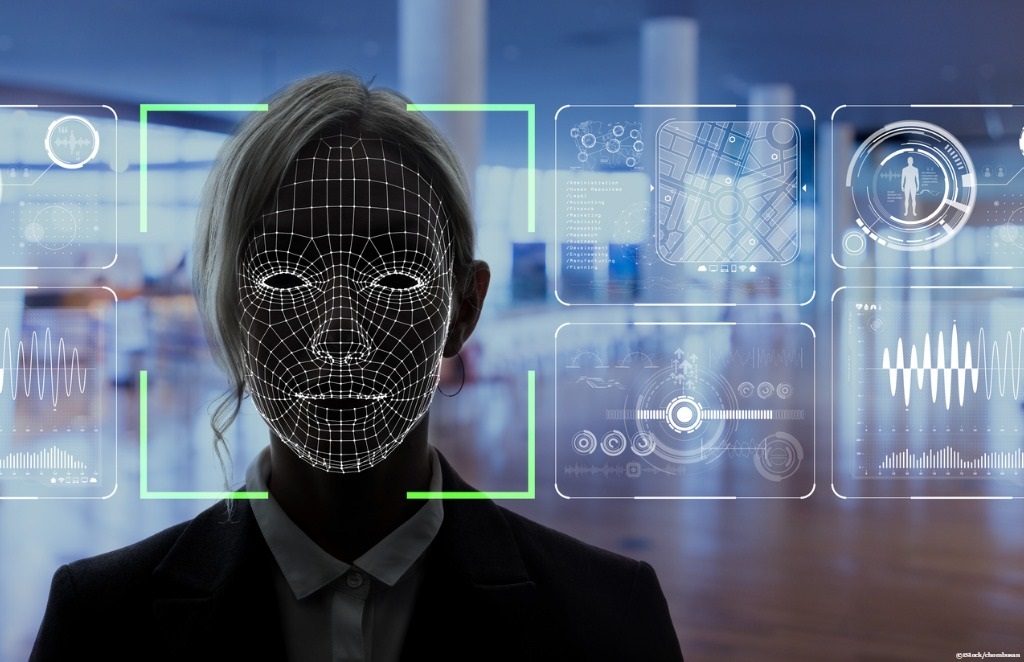
In December 2019, BlueDot, a Canadian start-up used a website-leveraging AI technology to detect early warnings of an unknown form of pneumonia spreading in Wuhan, China. Still in China, public transportation systems are reportedly deploying facial recognition platforms to detect those presenting risk of Covid-19 infection. In the United States, US-based think tanks and UN agencies have formed a Collective and Augmented Intelligence Against Covid-19 (CAIAC) in order to help policymakers around the globe leverage AI in the battle against the pandemic. Software is being developed that analyzes camera images taken in public places to detect social distancing and mask-wearing practices, cell phone data is used for contact tracing while drone data are also being used to analyze fevers and personal health data. Likewise, the European Data Protection Supervisor (EDPS) has also called for a pan-European mobile app to track the spread of the virus in European Union countries.

In Africa, Fraym, a start-up is using artificial intelligence and machine learning to help aid organizations (Nigeria’s CDC, Kenyan presidential office, Zambian public health policymakers and aid organizations in Pakistan) in Africa and South Asia by identifying populations at risk of Covid-19. Also, Hadiel, an African SaaS Company with its headquarters in Lagos, launched an AI symptom checker that leverages health data to generate disease trends and map behavioural health patterns via data science & AI across Nigeria and other African cities.

Overall, the use of AI has significantly improved the treatment of Covid-19 patients and proper health monitoring. It has also been helpful to facilitate research on the virus by analyzing available data and developing proper treatment regimens, prevention strategies, and drug and vaccine development.

The risks and privacy issues

However, as a result of the huge amount of data from citizen’s cell phone data, social behavior, health records, travel patterns and social media content being processed by AI, there is a potential likelihood of infringing personal privacy. It raises issues as to who holds these data being collected – the government or a private entity, the accuracy of the data being collected, and whether our data privacy laws can adequately address privacy breaches caused by AI.

There is also the fear that public health concerns would override data privacy concerns as a result of the Covid-19 emergency  and that the government may continue to use this data long after the pandemic is over.

The response of data protection laws

Responding to these issues, the Organization for Economic Co-operation and Development (OECD) has released recommendations for policy makers to ensure that AI systems deployed to help combat the pandemic are used in a manner that does not undermine personal privacy rights. Also, U.S. lawmakers have offered legislative proposals to reform data privacy protections and prevent the misuse of health and other personal data. One of which is the Covid-19 Consumer Data Protection Act (CDPA), that would place rules on how businesses use data during health emergencies, obtain consent, employ data minimization measures, like encryption or anonymization and force companies to delete collected data once the crisis is over.

In Nigeria, the right to privacy is a fundamental human right and it is protected under Section 37 of the 1999 Constitution. The Nigeria Data Protection Regulation provides situations when personal data can be processed, that is collected, disclosed and shared. It places a duty on a data controller to handle/process data in accordance with the conditions provided by the NDPR. One of the instances that a person’s data can be collected and disclosed is where it is necessary for the performance of a task carried out in the public interest. The Regulation provides that data processing should be adequate, accurate and should not prejudice the dignity of a person and/or fundamental rights.

In Europe, privacy is also fundamental and the right to data protection is ensured. The EU data protection authorities have provided its Recommendation for the use of technology and data to combat and exit from the Covid-19 crisis. The Recommendation entrenches respect for all fundamental rights, privacy as well as data protection. The Union’s General Data Protection Regulation under Article 9 allows personal data collection and analysis, as long as it has a clear and specific public health aim. It provides that the consent of the data subject must be sought before personal data can be processed. This is not an absolute right as it provides for where processing is necessary for reasons of substantial public interest. The safeguards provided by the GDPR objects to uncontrolled data processing by an AI system, that a data subject has the right not to be subject to decisions merely based on automated processing and that data processing should adhere to protection principles, such as lawfulness, fairness and transparency, accuracy, data minimization and purpose limitation.

What can be deduced is that information regarding persons, such as employees or patients who have been infected by the virus, can be collected, disclosed and disseminated without their consent because it is in light of public interest. This also means that notwithstanding the right of data subjects to give consent to data processing, where it has to do with public interest, they are under an obligation to allow collection and disclosure.

Both Section 2.13 of the NDPR and Article 17 of the GDPR provide amongst others that the data Controller shall delete personal data where the data is no longer necessary in relation to the purposes for which they were collected or processed and there are no overriding legitimate grounds for the processing.

An identifiable lapse in the NDPR and GDPR is that they do not provide clear guidelines for determining legitimate interest and ground. This will however, involve how well the rights of the data subjects and the legitimate interests of the data controller can be balanced. They also do not address the issue as to who holds the data being collected.

Conclusion

This behooves on the government to bring data protection laws in tune with the realities of AI.  Data protection laws should define the risks associated with the implementation of AI systems, as well as determine the key features that should be implemented to ensure that data subjects’ rights are complied with.

It should also provide the need for AI systems to be lawful, ethical and more particularly, comply with all applicable laws and regulations, as well as ensure adherence to ethical principles/values and be designed in a way that does not cause unintentional harm.

And to ensure that data gathered by AI systems are used responsibly and with utmost care to avoid privacy breaches. In all, governments and organizations must find a way to balance the use of AI as a tool for public health and safeguarding the privacy rights of citizens. One must not be sacrificed on an altar for the other.

HealthPlus Warring Factions Should Enter Arbitration Before Value Gets Destroyed

6

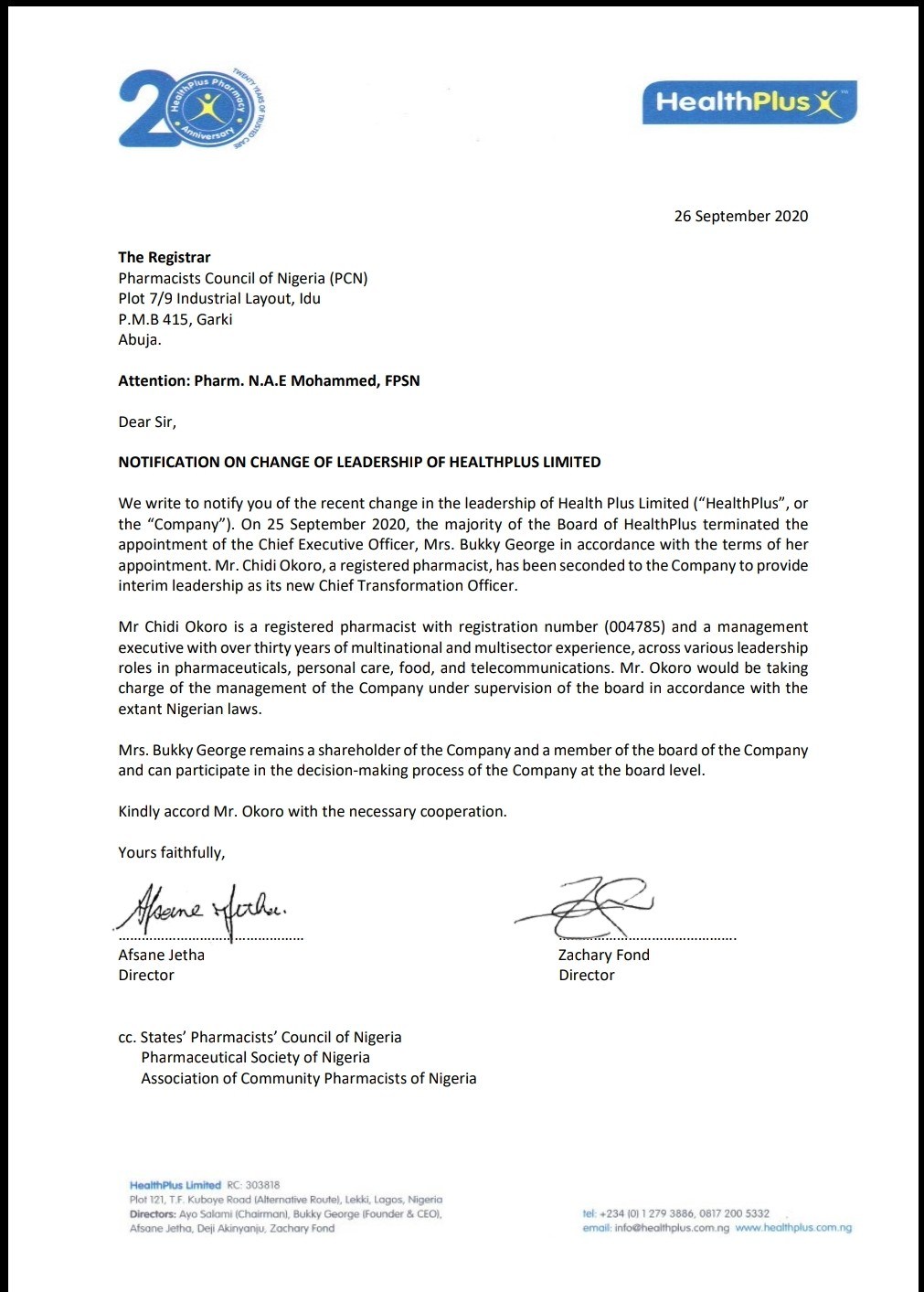
A private equity firm which supposedly invested $18 million in Healthplus, the pharmacy chain in Nigeria, claimed the management of Healthplus is not executing as desired. Healthplus Management disputes that assertion, maintaining it was an excuse to do something horrible to the firm. As that happens, litigation is flaring up. The PE, Alta Semper Capital, has “changed” the CEO of the company, and claiming to be the majority shareholder, plans to take control of the company operations.

It is a total mess, and I mean a big mess, after a supposedly $18 million investment. This does not look good at all. Someone needs to call Bukky George and the Private Equity (PE) firm that they need not do this on the media before partners panic, pull supplies and destroy this company.

From the PE, Alta Semper Capital LLP:

The Board has been exploring the optimal way to grow the business for some time, in collaboration with Mrs. George. Unfortunately, we have been unable to reach an agreement, which has hindered the operations of the Company and delayed the implementation of its growth plans. With the onset of the COVID pandemic, the rapid acceleration of the digital economy and the increased relevance of the healthcare sector as a whole, it has become urgent to ensure the Company is optimally positioned to grow and able to take advantage of new and emerging opportunities. As a result, we have taken the strategic decision to change our leadership.

The Healthplus responds:

“We wish to inform the general public, the Pharmacists Council of Nigeria, our staff, loyal customers, vendors, landlords, bankers and all stakeholders that the press release was not authorised by the Company or anybody acting on its behalf. And that the announcement of the appointment of a CTO is wholly false, wrongful and illegal and should be totally ignored.

It is the handiwork of unscrupulous foreign and local businesswomen and businessmen intent on reaping where they have not sown simply because they now see opportunities from the COVID-19 pandemic, like scavengers and vultures,” HealthPlus Management

This update claims the PE is the majority shareholder. If that is so, it changes everything. Yet, they need to explore how arbitration can help resolve their differences as they are destroying value doing this on air.

Alta Semper Capital, which controls the majority shareholding in HealthPlus, the Nigerian headquartered leading West African pharmaceutical chain, is planning to inject fresh funds into the business, it has been confirmed.

Information about this plan is coming amid the announcement of the appointment by secondment of Chidi Okoro as HealthPlus’s Chief Transformation Officer with a mandate to “optimize day-to-day management and elevate the business to novel scale and profitability,” the company said in a statement it issued through its media consultants.

The Upcoming TStv Pay Per View vs MultiChoice (DSTv, GOtv); Glo vs MTN Duel

0
TSTV Nigeria

TStv is going to do that thing many Nigerians have been asking for: pay per view in the satellite TV space. For years, the industry leader, DStv, has refused to listen and make it happen. So, the news that the National Broadcasting Commission (NBC) has promised to support TStv as it launches a par per view service on October 1 will make many people happy.

The Acting Director-General of NBC, Armstrong Idachaba, made the promise on Monday in Abuja when the management team of TStv paid him an official visit to inform him of the company‘s readiness to commence full operation across the country on October 1.

Mr Idachaba said: “We promise on our side that we will continue to support you.

“At this time, I think that the major issue confronting the PayTv sector is the area of giving Nigerians option of deregulating purchasing capacity in terms of pay as you go concept.

“We welcome that option and wish that it serves as stimulant and as progressive index for other PayTv operators to adopt.

“Some of them have come up with a lot of excuses why pay per view is difficult and why it is not doable.

“We want you to be the galvaniser to prove the naysayers wrong that this is doable in the interest of Nigerians.

“Once you begin and you make a success of it through increased subscription base, we are sure that others will be drawn into it as it happened in the telecommunication sector.”

Yet, pay per view will not fix the lack of the religion of European football on any operator. Yes, pay per view is one thing but having the right content is another thing. Glo was a great threat to MTN when it launched per second billing because it matched MTN’s offering very well. 

Without European football, the true value of this pay per view may be limited. But before I forget, one company has been giving sub-licenses to some operators in Nigeria; Integral is making it possible for Silverbird to broadcast one Premiership game every week. So, if TStv can get some of those rights, its playbook might open for a flank attack on the MultiChoice empire.

It came from nowhere: market forces are working, not sub-par regulations. Yes, Silverbird Television has signed on to broadcast selected live English Premier League matches over the course of the 2020 – 2021 season. This deal was agreed with Integral, the current free-to-air rights holder for the Premier League matches in Nigeria. Sure, it is just one match per week. But that is an innovator dilemma’s moment for DStv and GOtv. If Integral drops one more for NTA, then you have two matches per week. Then, give AIT one, you have three matches, and just like that, equilibrium is attained and katakata will bust for DStv.

Expect a redesign in the sector: once TStv does it and shows traction, DStv will go all out. The problem is if people will even notice that TStv is offering that value when we are not sure it has paid Ronaldo and Messi enough money, for Nigerians to see them kick round leathers around.

Nigeria Dribbles MultiChoice (DStv, GOtv) As SilverbirdTV Picks To Broadcast English Premiership

Bolt Unbolts Enugu Traffic with Keke

0

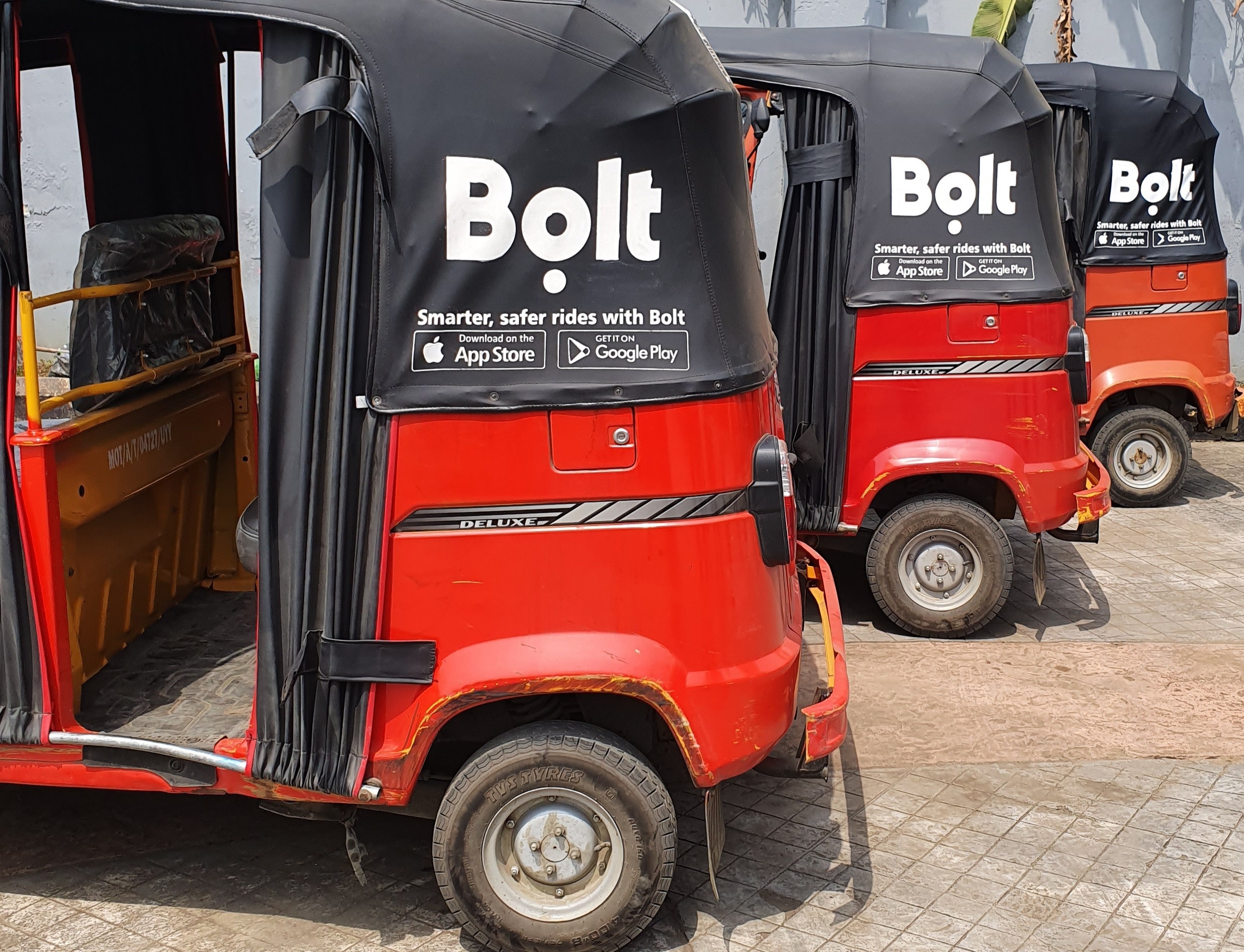
Bolt has launched a tricycle (Keke) operation in Enugu, Samuel Nwite reports. Generally, the unit economics of keke service is challenging in Nigeria. And expecting people to use an app to summon keke when many are passing them every 60 seconds calls for a total shift in consumer behavior. Why do I need an app to call a product whose supply is largely above optimum level, when benchmarked with demand, at the equilibrium point? I have always reasoned that the keke service is not premium enough for the utility element of the app economy to power it in Nigeria. Yes, many who ride keke do not use apps that much.

Bolt has launched tricycle (Keke) operation in Enugu, months after it launched its first in Uyo, Akwa Ibom State. Bolt’s introduction of keke to its operation is part of its expansion strategy to other cities in Nigeria apart from Lagos, Benin and Abuja.

Keke is a popular means of transportation in Enugu, and Bolt, having learned the tricks with its pilot operation in Uyo, walked into the market with cheap ride offers that will endear riders.

[…]

The welfare of drivers has always been a bone of contention, especially their earnings, but the ride-hailing company told Tekedia that the drivers have bonus packages designed to increase their earnings.

“Drivers also stand a chance to take advantage of the estimated earnings of N18,000 per week. In addition, a bonus of N1,000 for the first five trips and 15% bonus per trip until a communicated time,” Bolt said.

Yet, Bolt could do something which makes sense: buy many kekes and give them via a hire purchase model to drivers. The drivers will return a certain amount of money daily, weekly or monthly, and the use of apps should not be a requirement in the ecosystem.

We will be watching how Bolt will capture value in the market by collecting N150, N200, etc transport fares. I had expected a double play here which can be used to capture value in the keke business. (OPay used the paytech unit to capture value on the keke business before it gave up).

Bolt Launches Tricycle (Keke) Service in Enugu

1

Bolt has launched a tricycle (Keke) operation in Enugu, months after it launched its first in Uyo, Akwa Ibom State. Bolt’s introduction of keke to its operation is part of its expansion strategy to other cities in Nigeria apart from Lagos, Benin and Abuja.

Keke is a popular means of transportation in Enugu, and Bolt, having learned the tricks with its pilot operation in Uyo, walked into the market with cheap ride offers that will endear riders.

Bolt offers a minimum fare of N150 for trips, alongside a launch discount designed to attract riders. The company said riders can use the first rider discount code, BOLTENUGUKEKE (NGN 500 off your first trip) to enjoy as much as 15% discount until a particular time.

The welfare of drivers has always been a bone of contention, especially their earnings, but the ride-hailing company told Tekedia that the drivers have bonus packages designed to increase their earnings.

“Drivers also stand a chance to take advantage of the estimated earnings of N18,000 per week. In addition, a bonus of N1,000 for the first five trips and 15% bonus per trip until a communicated time,” Bolt said.

The ride-hailing ecosystem took a hit following the outbreak of the coronavirus which restricted people’s movement around the world. The ride-hailing companies strategized to survive. Uber, DoorDash and Lyft focused more on food delivery, while in Nigeria; Bolt is using alternate means of transportation – tricycle and ride-fare slash.

The tricycle operation follows the app-based booking model that is functional in car-based rides. However, the keke model will face stiff competition as private keke operators offer cheaper ride rates, though they use the traditional model.

In 2019, the Opera group introduced OTrike, a keke-based ride-hailing transport in Enugu. The introduction of this service came with an enticement of N100 per a trip for two months from its launch, no matter where in the town a rider was going. There were other incentives too, but OTrike didn’t survive the competition and business environment, and consequently shut down in less than a year.

Bolt however, appears prepared to use its existing competitive framework. Moreover the success of Bolt’s Uyo pilot of the keke app-based rides evidenced a strong local market knowledge that will ensure the sustainability of its operation in Enugu. Bolt’s country manager, Femi Akin-Luguda said the company is becoming innovative in solving revenue discrepancies emanating from competition – and now COVID-19 by catering for local demand.

“At Bolt, we will continue to find innovative ways to cater to local demand for popular services,” he said at the launch of tricycle service in Uyo last year. We have already built the biggest ride-sharing platform in Nigeria for cars and the knowledge we have gained in that endeavor gives us a significant advantage in taking on the unique transportation challenges in all the cities where we operate.”