DD
MM
YYYY

PAGES

DD
MM
YYYY

spot_img

PAGES

Home Blog Page 6154

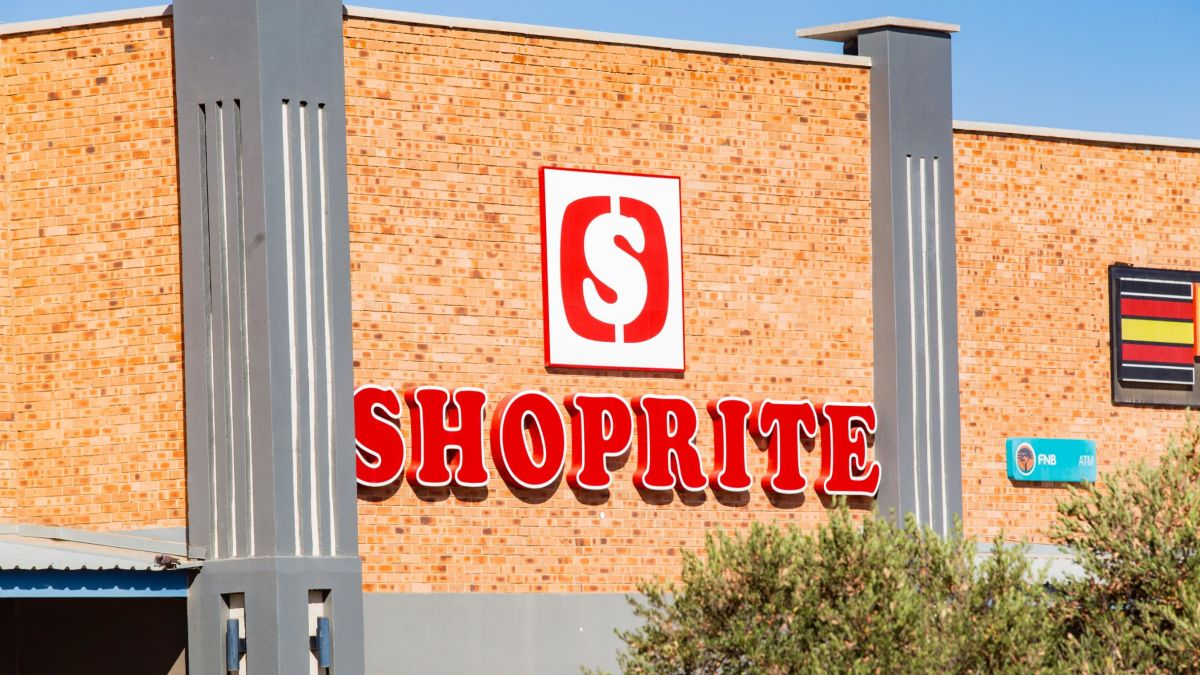
A Nigerian Court Pauses Shoprite!

0

A court in Nigeria placed a mareva injunction on Shoprite a few weeks ago. This week, another has refused to hear the company’s application to lift an injunction barring the South African retail giant from moving its assets out of Nigeria. Mareva injunction  is a legal ordinance that ensures assets are not taken out of a country. 

Alleged business shenanigans triggered that on Shoprite’s assets in Nigeria. A Nigerian company, A.I.C. Limited, had secured a $10 million judgment against Shoprite in a breach of contract lawsuit. An appeal upheld that call; Shoprite has appealed at the Supreme Court for a reversal.

It remains debatable if Shoprite would be leaving Nigeria if that call had not gone against it. The case here is a big lesson for everyone: before you hit SEND, remember that once gone, you can never get it back. Shoprite has to create a new product: shop for the right lawyer; yes, Shoprite, shop right!

Nigerian courts are currently on vacation and would resume on September 28. Only cases of “extreme urgency,” arrest of ship, and fundamental rights cases are to be entertained during the vacation, according to a circular by the chief judge on the federal high court, John Tsoho.

In the suit, Shoprite is seeking to overturn a July 14 “mareva injunction” by Justice Mohammed Liman of the federal high court in favour of a Nigerian firm, A.I.C. Limited.


Why Shoprite is Leaving Nigeria


Nigeria and History Failings

0

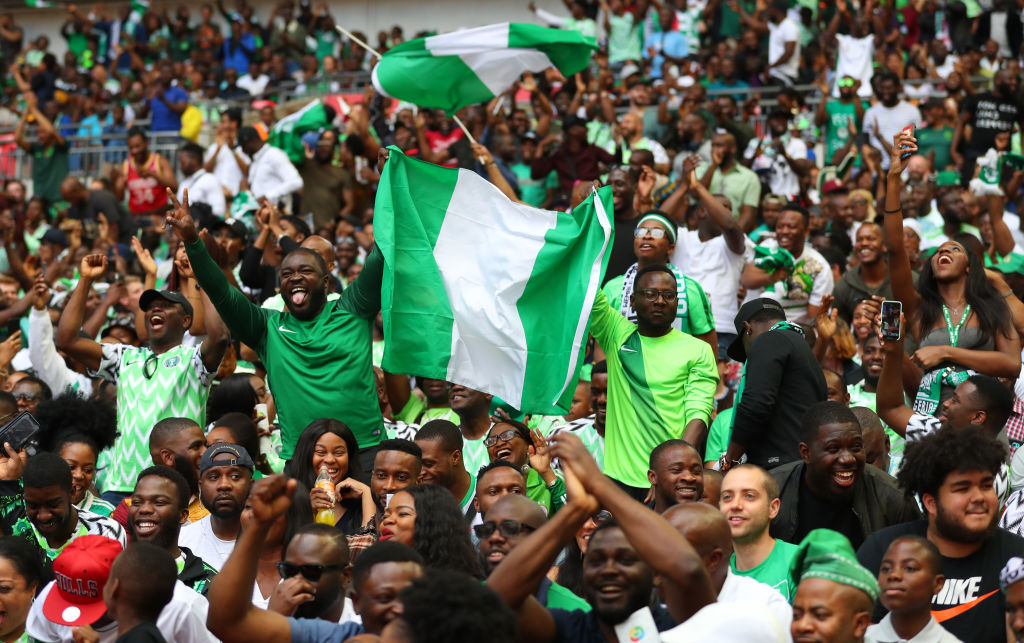
As I recently listened to a popular sports show on a local Lagos radio station, it was the same day when the Nigerian domestic football fraternity was celebrating the birthday of one of Nigeria’s most under-recognized – at least- players in person of Victor Ezeji. For starters, Victor Ezeji is a retired professional footballer who duly paid his dues in Nigerian football. This was one of those Nigerian footballers who made a tremendous success of his career playing back home in the Nigerian domestic football league. In fact, Ezeji played for 20 solid years on the domestic front, with a very short stint abroad in Tunisia and is regarded by any above average follower of Nigerian league football as a legend of the game when it comes to home-based professional football.

Therefore, back to the initial discussion. As the radio show went on with the anchor eulogizing the former footballer’s achievement, the turning point for me was when he asked a very vital question of whether it was possible to see images or videos or any other material of Ezeji’s debut league game. There is even a big doubt that the player himself can lay hold of anything of material matter relating to that first game, this is not to even talk of other matches played throughout his career. Statistics as simple as the total number of career goals scored by Ezeji in the league is hard to come by.

This then takes us to the crux of this discourse, which is the disposition and almost ultimate disregard for history as a country. At this point, it goes without saying that Nigeria’s culture of data and record keeping is one that is at an abysmal level, which can summarize the general attitude and regard for History and related matters. Not long before listening to that particular radio show, I had been watching a documentary on the creation of Nigeria. Right From pre- and post-amalgamation, to pre and post independence and all the in-betweens, a sober moment during that clip was the civil war period.

What actually struck was the effect the war had on the country during that time right up to the present day and upon reflection to discover that the present generation of younger Nigerians have absolutely next to knowledge or interest in this piece of history that still shapes the country till date. Another important moment of Nigerian history was the June 12 1993 elections. It is widely regarded as the most credible polls held in the Nigerian history, with the late Chief MKO Abiola regarded as the winner. Not a few experts and commentators have dubbed him fittingly as “the president Nigeria never had”. Despite all this, a critical question comes to mind; that is, how many generations of Nigerians born from the start of the new millennium and later genuinely shows interest or can confidently recount what happened at those periods in Nigeria’s lifetime, which then leads to the next issue.

A couple of years ago, it was public knowledge that History as an academic subject was scrapped from the Nigerian school syllabus. A move that seemed preposterous and seriously ill advised which eventually turned out to be counter-productive.

It took tremendous efforts by a combination of experts and scholars in the field, under the Historical Society of Nigeria as a body to reinstate History back to the learning curriculum- a leading figure for this effort was Professor CBN Ogbogbo, Professor of History at the University of Ibadan and other notable experts. The need for a society to understand their history is a fundamental part of its progress. As it is often said, that ‘history repeats itself’ when we fail/refuse to learn from it which is sadly where Nigeria finds herself as an entity. The disregard and poor attitude to history is not only reflected in the manner of the younger generation, it is also seen in the older set of Nigerians. History is a subject that should never be toiled with in the first place. The significance of recognizing this is that it allows for proper context when trying to plan or think of the next course of action. It is crucial for us as individuals and as a nation to acknowledge the past in our present reality in order to be able to project the future.

The effectiveness of historical awareness reveals itself when crucial subjects of national importance are brought to the front burner. An even recent event in the political scene gives us a glimpse into past occurrences. A peripheral instance is the recent probe into the activities of the Niger Delta Development Commission (NDDC) – an agency established and saddled with the power to handle affairs of the south south region of Nigeria. This is in addition to the Ministry of the Niger-Delta created recently as 2015. A basic knowledge of Nigerian politics will make you realize that there have been several probes in the past by the National Assembly with nothing tangible to show for them except for the usual drama/shenanigans thrown up by the major actors in them. At the end of the day, we are back to the proverbial square one!

While it is often said that you cannot change the past, we have the power and ability to change the future, but that ability can only be utilized with proper understanding of the past. A critical look at things will indicate that many challenges we face presently as a country would have been avoided if only we had good students of history at the helms of affairs. A former governor of Lagos and current minister of works and housing for the federal Republic of Nigeria, Babatunde Fashola, in a recent meeting with education stakeholders called for a unified version of Nigeria’s history. This means a singular version that can be taught in the various institutions of learning right from the primary level onwards. This suggestion probably represents a good starting point in our quest to correct the misdemeanours of the past in terms of passing on historical knowledge to Nigerians from a tender age and preserve legacies.

Rural Talent and Emerging ABI Talent Scout Playbook in Nigeria for Sustainable Growth

0

It has emerged once again that Nigerian government and concerned stakeholders in youth development and human capacity building need to reinvent the playbook being used for scouting  and nurturing talented youths in the country. This is essential as most professionals, who reacted and commented on a video that shows a demonstration of a motorbike invented by a young boy in the southern region of the country, want the youths to contribute to the growth and development in a conducive and sustainable environment. The viral video was posted by Professor Ndubuisi Ekekwe, the Nigerian-US based entrepreneur, on his LinkedIn page.

The Boy (The Innovator)

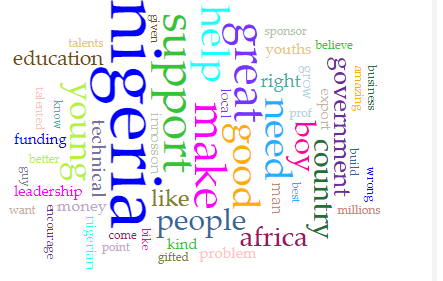
Examination of the reactions and comments by our analyst indicates that Nigerian professionals want rural talents to be found and nurtured using ABI Playbook [created by our analyst from the reactions and comments after modeling the trends in the reactions and comments]. According to our analyst, ABI Playbook encompasses identification of the talented youths and others in the rural areas across the country by individuals and communicating such youths to the world through new media, especially YouTube. The Playbook also entails an appropriate response from the government authorities to the need of the youths without compromising ability to give them the needed resources, most importantly placing them in domains where their ideas and creativity would be further enhanced. Our analyst also notes that the Playbook would be incomplete without the support of individuals and businesses.

From the views of the professionals, our analyst discovered that Nigeria has many talents who can transform the country’s economy in many aspects. To them, potentials of the talented youths have remained untapped effectively over the years due to limited support from the government, individuals and businesses. Where support is initiated, check reveals that it has largely been done for those with entertainment artistry than those in technical fields or sectors.

Partnership Opportunities in Tekedia Institute

0

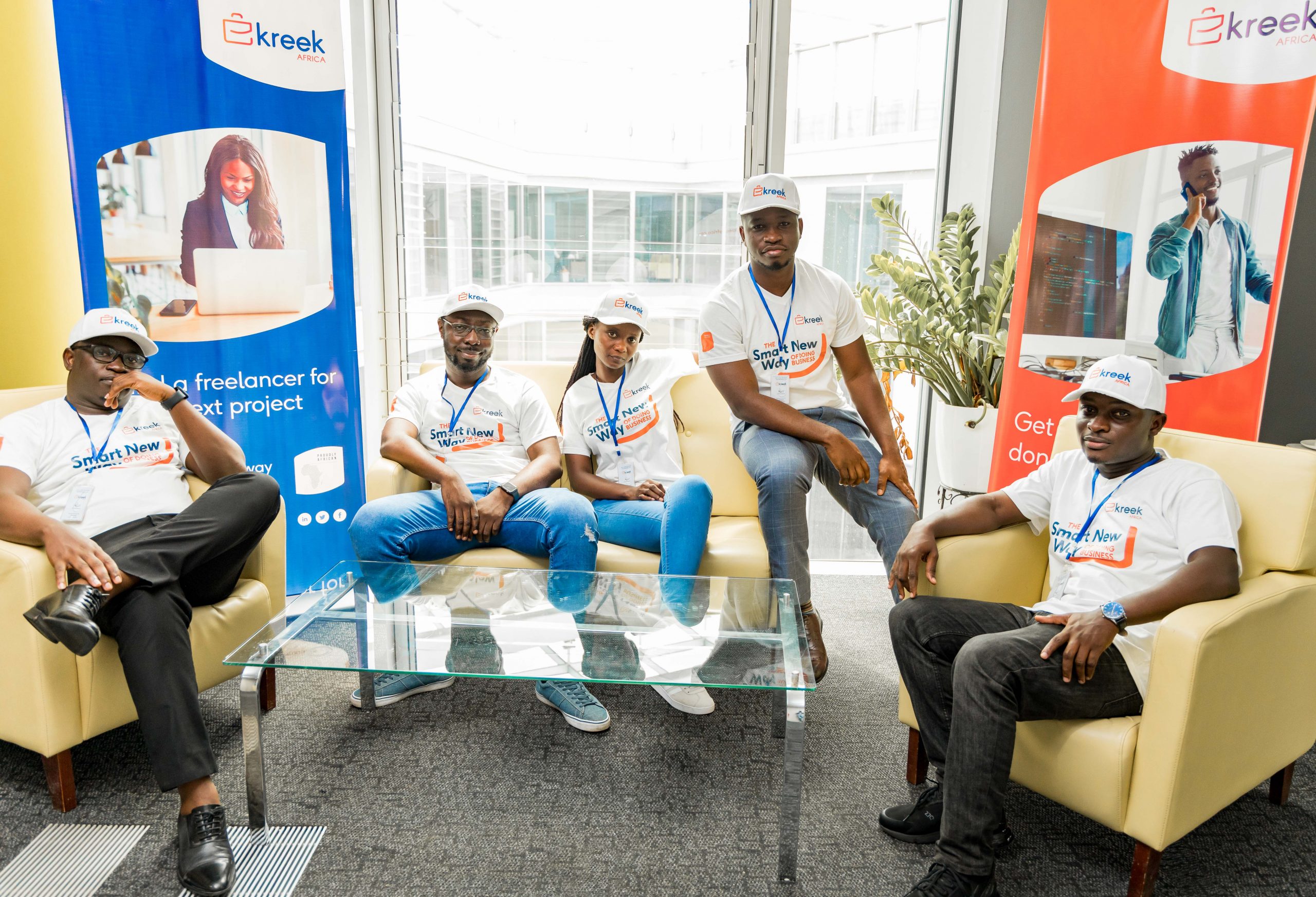
Tekedia Institute has closed a partnership with Mauritius-based KREEKAFRICA.COM, an online community that connects professionals to clients, and businesses globally, for members and graduates of Tekedia Mini-MBA.  As our members develop and acquire new capabilities in an age where labour is unbounded by geography, we are exploring ways to support those looking for opportunities.

Already,  Amazon offers generous AWS credits to our members as they build a digital future. And Amazon has also qualified Tekedia Mini-MBA for access to its technical academic resources. We are working on how to manage it to avoid information overload.

We welcome partners who can help our members and co-learners advance. Join us today and learn about partnership opportunities in Tekedia Institute.

Innoson Motors To Open Factory in Imo State; Expands Exports for Forex, Sierra Leone Buying $4.7M Worth of Vehicles

7

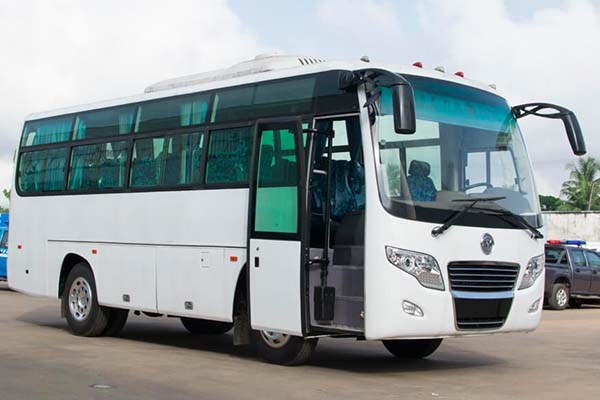
Africa’s leading indigenous vehicle manufacturer, Innoson Motors, would be opening a factory in Imo State. Also, the company is deepening capabilities in the export arm of its business to manage the paralysis of forex which continues to affect manufacturers in Nigeria.  Sierra Leone just placed an order of $4.7 million for vehicles. That money is hard currency. If Innoson sustains that, it would not have to buy U.S. dollars in the black market.

Last October, I was with His Majesty, Obi Gibson Nwosu, the Eze  Uzu II of Awka, and we broke kola nuts. If you grew up in Abia state, you could be tripped by the version of Igbo spoken in Awka. Throughout the conversation, I ensured I kept to Igbo Izugbe (the general Igbo) as my Isuikwuato version of Igbo language could cause wahala. Good enough, Prof FC Ogbalu, an Anambra icon of Igbo language, brought his version of Igbo into Igbo Izugbe. 

Prof Chinua Achebe had written in his own dialect in Ahiajoku lectures in Owerri with explanations on Okike which he edited. At the end, the king saw a raw village boy, not a yankee! Later that evening, I paid courtesy call to the amazing Vice Chancellor of Nnamdi Azikiwe University, Prof. Charles Esimone. As I moved around Awka, I heard a rumour that Innoson Motors would expand into Imo State. Ladies and gentlemen, that is now confirmed. Innoson Motors will open a plant in Imo State.

Also notice how Innoson is pushing for exports to manage the forex risks. Good enough, Sierra Leone is sending $4.7 million through an order: “That’s why we are focusing more on export now to get foreign exchange to enable us to continue to run the factory”.

Most vehicle manufacturers are switching from petrol to electric engine. Are you thinking in that direction?

I never built engine for the first time. I only build body and buy engine. What we do here is building complete motor body. Therefore, if electric is better, what I will do is to partner with electric company to supply me electric engine. And in that case, I won’t lose anything. If electric vehicles become the new normal, we’ll switch over to electric

Where do you export to? Do you supply your vehicles to other African countries?

Where do you export to? Do you supply your vehicles to other African countries? Yes. As of now, I have order of about $4.7million worth of vehicles from Sierra Leone. That’s what I’m producing now for Sierra Leone government. Normally, I do get order and supply from within and outside the country.

[…]

We find it difficult to access foreign exchange, we don’t get at all. How can you be doing black market to do manufacturing? It is difficult. That’s why we are focusing more on export now to get foreign exchange to enable us to continue to run the factory.

Have you considered partnering or merging with known foreign vehicle manufacturers?

Well, most of them want me to partner or merge with them. Yes, we are looking into it.  I’m going to open a new factory in Imo in partnership with foreign companies. I believe the partnership will help us to develop motor manufacturing on a bigger scale in Nigeria.

When pioneering entrepreneurs emerge, nations rise. Nigeria is rising with Innoson.

Innoson Motors Takes Uber, Bolt via IVM Connect in Nigeria