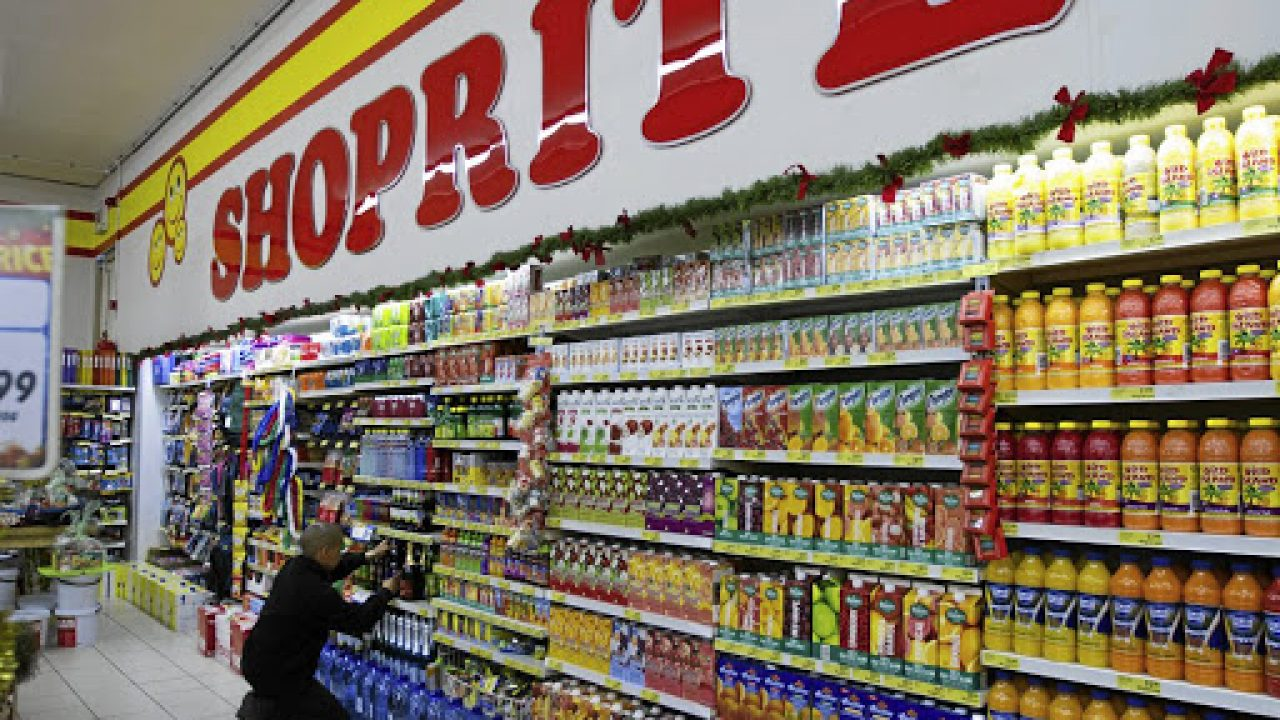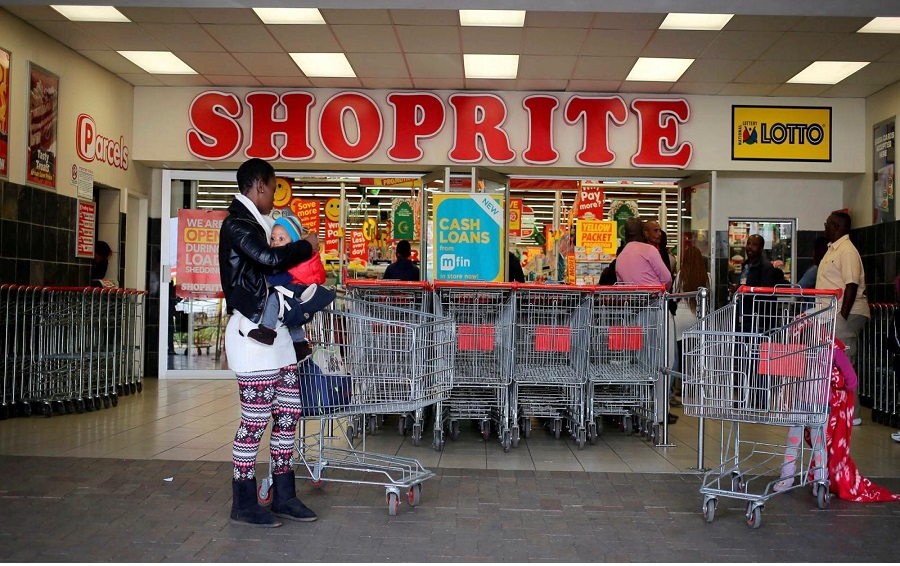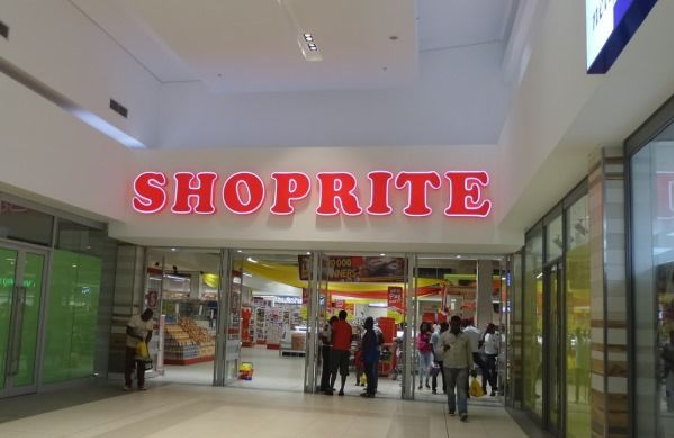
Running a supermarket in Nigeria is very challenging. Then, running a supermarket chain like the Shoprite model may be hopeless. The reason is evident: every major street in key Nigerian cities is a “market” with a security man doubling as a vendor. Then, walk a few miles, there is one market or the other. Just around Ikeja in Lagos state, you have Alade Market, the one at the junction, computer village, etc. Move a little further, there is the Oshodi Market and Ajao Estate Market. Most of those market participants do not pay tax. So, formal supermarket chains have to collect taxes and still beat them on value when quality and price are considered.
So, the news that Shoprite has failed in Nigeria should not come as a surprise. To have operated in Nigeria these years, Shoprite was running a full local government operation with its private security, waterboard, electricity, and more. But when the naira was devalued, the governance system failed as it had so much global exposure. Shoprite is a South African company.
Shoprite, the biggest retail supermarket in Africa, is reportedly leaving Nigeria after 15 years, according to the statement issued by the retail company on Monday.
“Following approaches from various potential investors, and in line with our re-evaluation of the Group’s operating model in Nigeria, the Board has decided to initiate a formal process to consider the potential sale of all, or a majority stake, in Retail Supermarkets Nigeria Limited, a subsidiary of Shoprite international Limited.
“As such, Retail Supermarkets Nigeria Limited may be classified as a discontinued operation when Shoprite reports its results for the year. Any further updates will be provided to the market at the appropriate time,” the statement said.
The South African company has experienced low sales in the past few years, prompting it to weigh the cost of staying in Nigeria among other countries outside South Africa.
More so, during a season of economic paralysis, luxury fades. Why pay N1,000 in a university canteen when you can eat in the bukka for N500? The university canteen has priced the clean tables, nice music, etc in that N1,000 meal. But the bukka did not provide those things and could effectively lower the prices of meals. Shoprite was doing great on many elements, offering standard products within a well controlled environment. But just as many students went for bukka over school canteens, Nigerians abandoned it for open markets when they raised prices to account for the currency deterioration. Naira has lost more than 20% of its value in 2020.
Like I noted a few days ago when my friend offered a suggestion after watching our Vice President’s speech, noting “your country does not know that the only reform Nigeria needs for foreign investment now is a stable currency,” our core challenge is lack of stability in Naira. And unless we deal with this instability, Nigeria will not attain the equilibrium we expect on development.
Today, our Vice President, Prof Osinbajo, gave a speech on improving the ease of doing business in Nigeria through reforms. A friend in New York sent me the link with this comment: “…your country does not know that the only reform Nigeria needs for foreign investment now is a stable currency. Your problem has gone beyond bureaucracy”.
Shoprite may not be doing terribly bad in Naira but struggles in Rand when it reports in South Africa. It is exiting Nigeria even though it makes tons of naira. So, if a local investor acquires Shoprite Nigeria with no burden to report in USD or Rand, the currency issues could be eliminated. It is like Dangote generating more naira and still losing $17 billion in net-worth in 7 years.
Read full Shoprite statement here (pdf)
Comment on LinkedIn Feed
I worked closely with ShopRite for years as a representative of the investors who developed the malls in finance technical role in Nigeria for ShopRite to trade in. So I can say that continued Naira devaluation killed ShopRite as mentioned by Ndubuisi. Yes, I know the numbers they make here in Naira are huge in billions but the devaluation of Naira continuously makes the tonnes of Naira worthless and made making profit difficult. Until Nigeria fix the Naira, more companies will be killed by the whipsaw called Naira devaluation.