DD
MM
YYYY

PAGES

DD
MM
YYYY

spot_img

PAGES

Home Blog Page 6311

The U.S. Power Play In African Development Bank (AfDB)

5

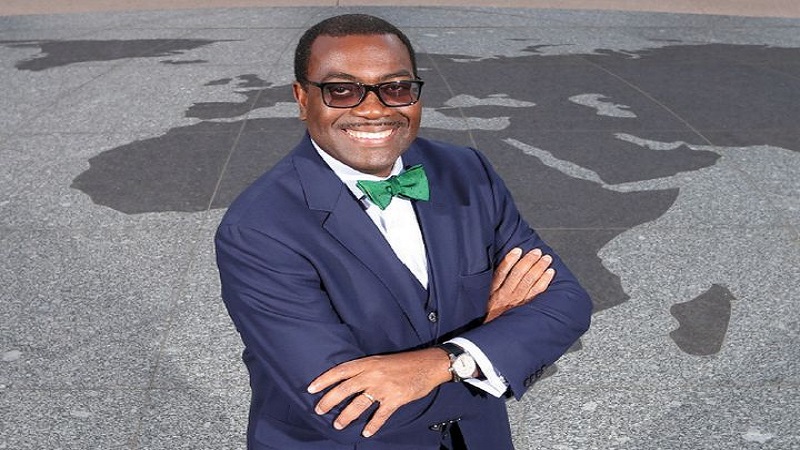
So many questions from the community on the issue of the United States rejecting the conclusion of the Ethics Committee on allegations against the President of the African Development Bank (AfDB), Akinwumi Adesina.  Samples:  “Why is the United States interested in what is happening in African Development Bank?”, “Wetin concern Trump in Africa’s Bank”, “Can you explain why they should even listen to the United States – this is our bank”.

My general response to save time: The African Development Bank is not just owned by Africans and African countries. We should not be confused because the name has “Africa”. The U.S. became a member of the African Development Fund in 1976 and that of the African Development Bank in 1983. If you go to AfDB, they have nationals from Japan, Europe, etc and most are watching their investments; they call them representatives from their countries. 

More so, what the U.S. is doing is simple: fiduciary responsibility of the American taxpayers money. If they invested in this AfDB, they should pay attention to what goes in there. 

In 2009, I attended the African Union Congress. There were some activists protesting that Africa should buy out the UK, Japan and U.S. so that the bank could be wholly-African. That time the UK was holding around 14%, Japan 5.4% and U.S. 6.5%. I do expect the shareholding to have changed; Nigeria holds about 9% – the largest of any African country. In that Congress, one man asked the activists to come back with cash to pay off the Europeans, Japanese and Americans!

The United States is one of the Group of seven nations holding 28 per cent investment grade equity in AfDB.

The others include Germany and Japan. About 41 per cent of their Group’s shareholding is held by non-regionals and multilateral development finance institutions.

The AfDB Group comprises three entities: the African Development Bank (AfDB), the African Development Fund (ADF) and the Nigeria Trust Fund (NTF).

Largely, this matter is very complicated. Even though the U.S. has a right to protect its investments and asks questions, the issues are very trivial that the basis of U.S. strategic interests cannot be those allegations (read U.S. letter); you can read Adesina’s responses here. These allegations are mundane; the Board can handle them, and communicate to its shareholders. They are not things, in my opinion, for an external counsel to investigate. President Trump does what Mr. Adesina is accused daily in Washington DC! Adesina does not have his daughter and son-in-law working in his office or vacationing in his hotels! 

This is my conclusion: the U.S. is asking for a change of leadership in AfDB. It is as simple as that. Unfortunately, Adesina has arrived at the same conclusion himself. And that is the real problem: if the U.S. concludes that a bank is corrupt, it can fine or at extreme cut it out of the financial system until it cleans itself. That is why what the U.S.is saying is more important than what the African leaders (about 50 of them) have to say. Call it an asymmetric power play.

Akinwumi Adesina, AfDB President, Responds To The Allegations

Negative Effects of Reality Comedy Skits

0

We call them Reality TV Shows because they are nonfictional, even though some of them are staged. But in reality, the shows are there to provide real life situations as they are – no doctoring, no scripts, and no guard. The shows expose people’s actions and reactions when they have their guards down. It brings out people in their most vulnerable state.

The type of reality shows this piece is interested in is the reality comedy skits that are fast gaining traction today. These skits capture people when they least suspect that they are actors in a drama. It creates humour by exposing people’s ignorance, greed, sexual orientation, pains, and what have you. We all see these videos and laugh at the “stupidity” of the “actors”, especially because we know they are real life situations. We relate more with this type of humour because we can see ourselves or people close to us in the depicted action.

The purpose of reality comedy skits ranges from entertainment to research. Some of the videos we see are there to expose societal challenges and problems. Some are satires that are used to correct societal ills. Then we have the ones that are recorded and posted by individuals that want to use them to amass social media followers. Of course, social scientists sometimes make use of candid cameras and hidden audio recorders to gather data. But no matter what its purpose is, reality comedy skits are taking its toll on the “actors”.

The reality comedy skits may entertain us and pass on some lessons to us, but have we ever sat back to ask ourselves the effects they have on the unsuspecting “actors”? Note that this type of shows is different from that of Big Brother Naija (BBN), where the participants in the shows are quite aware of the fact that their privacy is at stake all through their “acting” period. They know that spy cameras are mounted in strategic places and that they are being monitored. But in the case of the reality comedy skits that I’m talking about here, these people’s privacy is intruded without their permission. Unlike those in BBN, these people are not on guard; they never envisaged themselves going into the internet or being aired on TV at their most uncomfortable state. The worst is that the majority of the actors trusted the people that caused them this unplanned negative fame.

Studies on effects of reality TV shows have been undertaken by different scholars. It is found that both the “actors” and the audience have been affected positively and negatively. In relation to reality comedy skits, some of the effects mentioned include:

  • Withdrawal from the Public

Some people have been embarrassed to the extent that they shy away from the public. Thanks to mobile phones, someone’s mistakes could be the next viral video. By the time this person (or his relatives) sees his face flying all over town, he will withdraw from the society until he feels it is safe for him to come out again.

  • Injury

There are certain comedy skits that warrant that the actors are simulated to run for their lives. Some of these “actors” have to scale fences or run across busy roads in their attempts to move away from their threats. Most times they sustain different degrees of injuries during the act. In this case, the proposed comedy turns into tragedy.

  • Loss of Lives

Some time ago, someone that wanted to play the bomb scare skits in France was shot dead by the police, who mistook him for a terrorist. I also watched a video, where a man scared his partner while she let herself into their apartment. Unfortunately for him, the woman ran out of the house and into an oncoming vehicle. These are just a few of such cases, where comedy turned tragic.

  • Opportunity for Defamation

The coming of mobile phones has turned every Tom, Dick and Harry into cameramen. This makes it easier for malicious people to hurt others. Even though some people record these videos without the intention of hurting their actors, there still exist those that do them deliberately with the sole intention of defamation. Some go as far as setting their victims up in order to get them when they are most vulnerable. They do not mind the damages they will cause when they post these videos. The worst problem here is that the affected persons will be judged and mocked by everyone that watches the video. This is actually inhumane.

  • Trauma

Maybe if those that play these pranks on others realise that most of their “actors” will become traumatised they will stop. Reports on suicides connected to “acting” in this type of reality show have been recorded (though they are not on comedy skits). I don’t believe anyone that finds himself in this situation will just laugh it off and take it as one those things. At least I know I wouldn’t find it funny if I were ever to find myself in that situation.

We all enjoy comedy when it is about someone else, but we would never want to see ourselves in such situations. For that we need to stand together to discourage this type of play/prank. If it must happen, then the actors’ reputation should be considered. In this case, some measures should be put in place.

The safest way to release these videos (if at all it should be released) is to blur the faces of the actors so as to give them some privacy. Even if their voices give them away, it is still better than having their faces exposed. However, it is advisable to the general public to request the ban of risky reality comedy skits because they have caused more tragedy than comedy.

Disincentive Road Construct

0

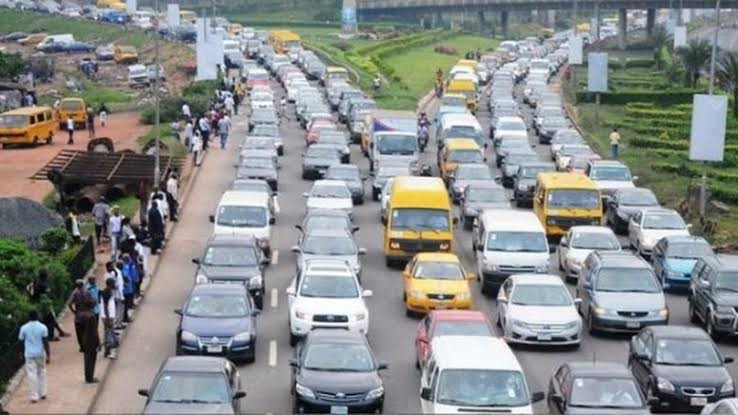
I have lived in Lagos enough to have dreams for the city, as an engineer and a psychologist, most of my dreams are about how to leverage on technology to innovate and solve my problems. Traffic on Lagos road is one of my greatest challenges as a commute; I hate being on traffic. My solution is called Disincentive Road Construct (DRC) and below is a brief about it.

Maybe like in other cities, traffic on Lagos roads are caused by the following:

  • Quantity of cars; because the public transport system is not premium enough for those with their private cars
  • State of the roads; maybe the government has other priorities or no incentive to upgrade the roads at scale, and no data to suggest which routes need repair, expansion, diversion, or construction
  • Driving ethics; where there is no incentive for good behavior, humans can abuse the system
  • State of the cars; no adequate regulation or checks on the state of cars permitted to use the roads. Vehicles breaking down on our roads is very common
  • Blind routes; if from point A to B has 5 routes, and we have 20 drivers at point A, there are chances that all the drivers would use almost same route, while some would be free
  • Bad personnel; there is corruption in the land, offenders bribe their way out and the cycle continues

Over the years, we have heard and read about many proposed solutions to the traffic situation in Lagos: build more roads, work from home, etc; but none of the solutions solves for all the problems listed above. 

DRC is one platform that can reduce the traffic level to a bearable minimum, by simply creating an incentive for the government (democratizing the Toll-Gate model to all the roads) with respect to the roads and removing the incentive for private car users. Lagos state alone has about 5million cars on its roads as of 2017, with over 117,000 daily vehicular traffic on third mainland bridge alone.

Imagine that, as a car owner, you need to pay N5.00 for every minute you spend on a good road and N1.00 on a bad road. With DRC, when approved by the government can offer the following solutions:

  • Quantity of cars; when you spend an average of 60mins on the road every day, after 20 days you would have paid N6,000 to the government as Road Tax. Most would park their cars 
  • Status of the roads; with intelligent data, government can tell and then upgrade roads that need attention, because she would want all users to be paying the N5.000 as against N2.00 per minute 
  • Driving ethics; DRC Score would be useful to insurance companies, HR agencies, law enforcement and all relevant bodies that would need to see how well each driver behaved on the roads
  • State of the cars; if there is a fine for OVERLOADING or OVERSPEEDING, DRC debits your wallet when these thresholds are exceeded, and it accurately reports to the car owner the status of the car, incase care is needed
  • Blind routes; DRC is otherwise called the Road god, which suggests that it sees all at the same time and can suggest and direct aright
  • Bad personnel; DRC would minimize personnel to driver contact. This means that the policing, judging, fining, debiting and reporting are documented transparently for reference purposes automatically

Which way forward? It would take less than 12 months to have the system ready for use, at least for any serious government and as long as upwards of 60% of the road users are DRC enabled, the effect would be reflected almost immediately.

This solution is ideal for states like Lagos, Rivers, Kano or Kaduna and any populated or urban cities that need to check there road traffic; but while implementing DRC, a premium means of transportation would need to be in place, to attend to those that parked their cars at home. 

7 Cheats Code I’ve Used To Lead An Extraordinary Life

0

If you are young, let me give you 7 cheat codes about life that I have been using to lead a smarter life.

  • First is to learn on your own

The common theme is to encourage people to ask questions. But for me a lot of my deep learning have emerged because I refrain from asking questions.

Instead of asking a question, I go down the deep of finding answers from the Internet myself. While doing that, I read both relevant and irrelevant things.

Here’s what I learnt along the way…

The irrelevant things are only irrelevant to what my question was not to life or other ventures in life. Not asking people but the internet my questions has been nothing but an adventure I will take again and again.

Do I still ask people questions? Absolutely, yes. I like the feeling of having to refer to someone as being my answer provider. But beyond that, human brings a different flare to my question and take care of nuances that general online answers may not take of

In the end I combine my rabbit hole internet adventure with that of human answers that tend to take off nuances. That my friend is what gave birth to me.

  • You have time to make mistakes. Make them. You have time to fail. Fail forward

Those two things will add up to become stories that society will pay you later on to hear you narrate it. 

  • Don’t go asking for permission before you go on about your life and take your bets

All permissions are granted based on the authority that the person giving it has. Many times no one has the authority to give you a go ahead but you. If you fail, it’s a feature in life not a bug.

  • Just learn as many things as you can. As in JUST LEARN

I often say “follow the impulses of your heart and if anything looks good to you, do it.” Never give up on learning. 

  • Just be you and Do you

Please don’t copy anyone. Find your uniqueness and you will be rewarded abundantly for it. 

  • Stop worrying about what someone or somebody is thinking about you

It won’t add to you or remove from you. That’s the truth. The “true you” can only be discovered once you break free of what others think of you. No matter what you do, they will always think something and that’s out of your control.

Why will you spend your whole life focusing on what you can’t control. Just pursue excellence in all that you do. That’s all you owe yourself and the world. 

  • Please always think beyond today and more about tomorrow

Be a long term oriented individual who plays the infinite game and considers the second order effect of a lot of her/his decisions. 

I am young just as you and those are the 7 things I’ve been focusing on.

Hydroxychloroquine Suspension: WHO Credibility Continues To Take Heat

0

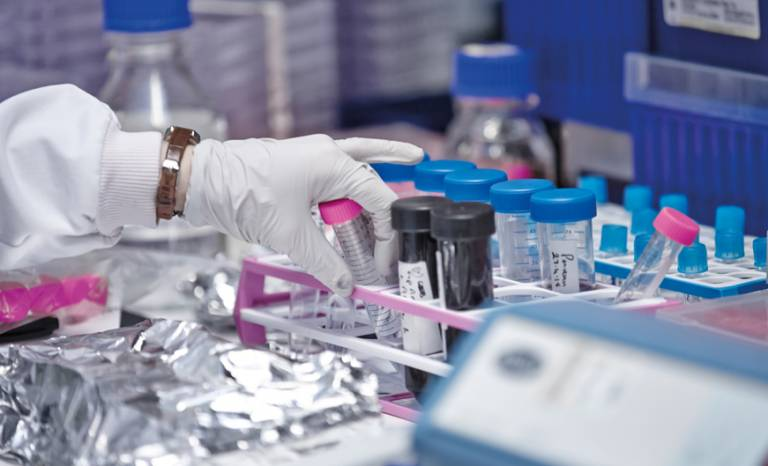
The World Health Organization announced on Monday that it is suspending the clinical trial of hydroxychloroquine as potential treatment for coronavirus.

The decision to suspend the trial came following a study in medical journal The Lancet, which said there is evidence that taking hydroxychloroquine might even increase the number of deaths among those in hospital with the disease.

“We were unable to confirm a benefit of hydroxychloroquine or chloroquine, when used alone or with a macrolide, on in-hospital outcomes for COVID-19. Each of these drug regimens was associated with decreased in-hospital survival and an increased frequency of ventricular arrhythmias when used for treatment of COVID-19,” statement from Lancet said.

In February, hydroxychloroquine gained international attention when it showed significant progress in clinical trials. The drug became a top choice in treatment of coronavirus disease. The US president Donald Trump started promoting the drug in his push for a cure for the COVID-19 pandemic.

Hydroxychloroquine is a malaria drug, and can be used for lupus and arthritis. Its use in the treatment of coronavirus appears to have been borne out of desperation since no clinical trial recommended it for treating COVID-19.

However, the use of the drug soared in many countries, with self-medication being the new normal as many people seek to protect themselves from the disease.

On Monday, officials at WHO said hydroxychloroquine would be removed from the trials until its safety is ascertained. The director-general of WHO, Tedo Ghebreyesus said that Lancet’s findings have necessitated the pause in the use of the drug.

“On Friday, the Lancet published an observational study on hydroxychloroquine and chloroquine and its effects on COVID-19 patients that have been hospitalized. The authors reported that among patients receiving the drug, when used alone or with a macrolide, they estimated a higher mortality rate…

“The executive group has implemented a temporary pause of the hydroxychloroquine arm within the Solidarity Trial while the safety data is reviewed by the Data Safety Monitoring Board. The other arms of the trial are counting,” he said.

However, some countries said they will continue with the trial and use of the drug for coronavirus treatment.

The National Agency for Food and Drug Administration and Control (NAFDAC), said Nigeria will continue to use chloroquine in treatment of coronavirus patients following substantiated data that proves its efficacy. The director-general of the agency, Mojisola Adeyeye said the clinical trial will go on for the next three or four months.

“There is data to prove that hydroxychloroquine worked for many COVID-19 patients. Therefore, we would continue our own clinical trials in Nigeria. Hydroxychloroquine has been proved to work at a mild stage. So the potency depends on the severity of the disease in the patient’s body.

“If medical doctors, research scientists, pharmacists, herbal experts work together, we should conclude the trial in three to four months. The narrative might change afterwards but for now, we believe in hydroxychloroquine,” she said.

Turkey is another country that has defied the Lancet findings and the WHO’s decision to suspend the use of the drug until a final conclusion is made on its safety.

A senior government official said on Tuesday that hydroxychloroquine which has the generic name (plaquenil) in Turkey, will continue to be used because it has effectively reduced cases of Pneumonia and COVID-19 in the country.

“We are still using it. It is very effective when combined with other drugs in the early stages of the disease. However we don’t see the same results in the later stages when the patient needs to be put on intensive care,” the official told Middle East Eye.

Turkey was one of the countries that invested heavily on chloroquine before it reached the peak of COVID-19, stockpiling one million units of the drug in March, before many companies in the Middle East country started producing a generic version.

The data from the Turkish health ministry said 60 percent of cases registered on 24 March have fallen to 19.5 percent on April 6. A decrease they attributed to the use of hydroxychloroquine.

Besides Nigeria and Turkey, several other countries and individuals have vowed to continue to administer the drug in the treatment of coronavirus patients. Though the most prominent advocate of the hydroxychloroquine, Donald Trump said he has stopped taking it as a precautionary measure, it appears he has inadvertently inspired many to stick to the drug, after all, there is no better choice yet.

On the other hand, the US’ government’s deteriorated relationship with the WHO seems to have created rooms for distrust for the UN’s health agency, and many countries are now operating from them at the expense of the existing global health synergy.