

The Cybersecurity program is one of a buzzword for boards of directors and company leaders. Almost every week, there is new news about data breaches disturbing millions of payment card data, customer records, and loss of trade secrets. The resource of cyber risks is rising in nefarious and sophistication intent. Professionals in the cybersecurity industry […]
23.2 – Frameworks for Cybersecurity Management

Framework for cybersecurity programs The framework provides a common language to address and deal with cyber risk in a cost effective way for business requirements, without putting extra regulatory requirements on businesses. Cybersecurity frameworks permit organizations- regardless of degree, the size of cyber threats or cybersecurity sophistication to employ the ethics and best practices of […]
23.1 – Key factors for Success
Important factors for successful cybersecurity programs There will always be attacks that catch organizations off-guard, though, executing good cybersecurity programs will protect your organization, whether or not any of those forecasts come true. Important factors for successful cybersecurity programs are security awareness training, risk assessments and continuous security monitoring plus. Let’s see all these factors […]
23.0 – Cybersecurity Project Management
All sizes of organizations from across the industries are struggling to decide what is the best method for developing, executing and examining a successful cybersecurity and data breach prevention situation. Project Management techniques can give the framework for conducting companies through this procedure. Executives and business owners are affected with the available solutions that sellers […]
The Full Deregulation of Nigeria
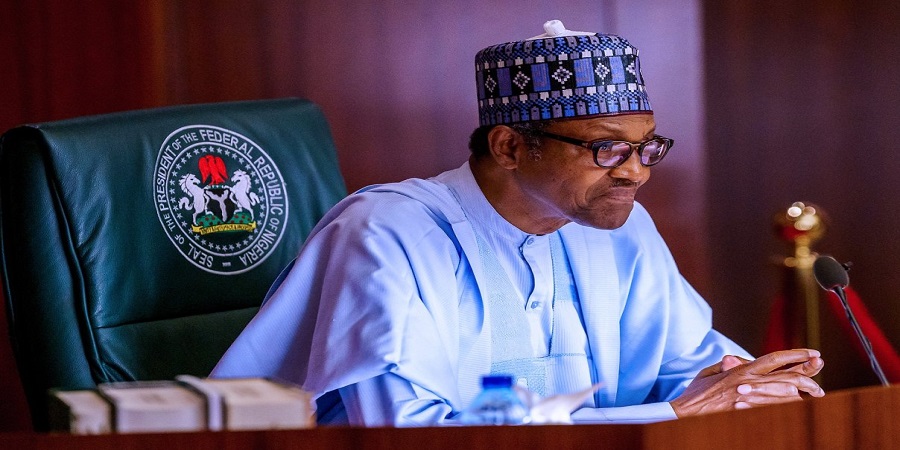
Nigeria desires to fully deregulate the downstream sector of the petroleum industry by putting the price of petroleum products to swim against market forces. In other words, the forces of demand and supply will determine the prices customers pay. “Ahu na’anya ekwe” (You need to see to believe, in Igbo). Yes, I do not believe this policy or initiative would survive the next election. Buhari has the liberty to do most things since he would never face voters again in Nigeria. But for his party, once a new candidate emerges for 2023 elections, under the high voltage searchlight of the labour, academia and broad citizenry, it would be run, run, run, ….. Yes, run from any decent reform, and return to the old world!
A few years ago, I traveled to meet a governor. He wanted to build new water systems to supply potable water in the state. We ran some numbers and told His Excellency that the current water rate in the state would not support any investment in the state. The governor asked for a possible break-even market rate, and it was provided.
He looked at it, and actually agreed with the model.It was an easy call as the last update on the water rate was done many years ago. With inflation and currency deterioration synonymous with the Nigeria economy, what consumers are paying for potable water today are severely subsided by governments. Of course some people believe that drinkable water should be free.
At the end, the governor killed the project: he would not like to approach voters with higher water rates. Yet, we thought we could salvage the situation. I raised my hand to speak and His Excellency permitted. I explained that the affected citizens would be highly marginal since only those in the GRA and few areas actually have water at the moment. He did not buy into my point, noting that even in villages, with no water systems, many would complain that he has raised water rates.
Largely, the fear of voters pushed him not to do the right thing to help more citizens statewide (that fear is unfortunate as Sam Mbakwe had proven). Only few people enjoy clean water in most states in Nigeria, and most of those citizens pay below market rates. The implication is that those in rural areas are subsidizing the lives of those in cities where governments provide clean water. And to expand services to help those rural communities, governments are to raise rates on the city dwellers, but cannot because of fear of losing elections.
As I noted during my National TV speech on The Platform, there used to be a country where parents would give money to students and pupils to send governors to assist them on projects. A governor wanted to build an airport, power plants, etc, he reached out to the Imo people – and they responded. My mother gave me 25 kobo to support Chief Sam Onunaka Mbakwe, an incorruptible and peerless leader of his generation. My headmaster had told us to come to school with donations to Imo State Projects. Mr. Governor executed and we all saw it.
Take this construct to electricity, you get a complicated system. Since the second coming of the Obasanjo presidency, Nigeria has an opportunity to reform many sectors since Buhari does not have to worry about losing elections. What has been done in the deregulation of the petroleum products can ideally be implemented in other sectors. But I am not sure his party will be open to major reforms because the business is really winning elections and not getting things done.
Buhari has the moment to save Nigeria! I hope he steps forward and reforms this nation, big time. The result in the telecom sector is there for him to know that REAL reforms work.