DD
MM
YYYY

PAGES

DD
MM
YYYY

spot_img

PAGES

Home Blog Page 6347

Post Covid-19: Femi Akintunde, Alpha Mead CEO, Proposes CAR for Businesses to Wither the Storm

0

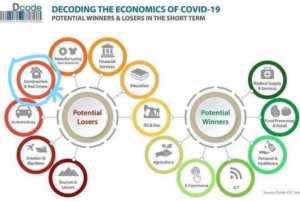
As some states in Nigeria open their economy after strict and flexible measures taken in the last few weeks for the containment of Covid-19, Engineer Femi Akintunde, the Chief Executive Officer Alpha Mead Group has reiterated the need for business leaders to tweak their strategy towards successful business activities in the new normal.

The Chief Executive Officer of one of the leading Total Real Estate Solution companies made this call while expressing his views about the impact of the virus on businesses globally on his professional medium page a few hours ago.

Discussing under the title “WARNING: Don’t waste the crisis!”, Engineer Akintunde notes that many business leaders are worried and panicking over the likely effect of the current pandemic on their businesses, the uncertainties around how long it will last and in what state it will leave the economy and the people afterwards.  Experts have advised that the disease has come to stay so rather than worrying about when it will go, we should think more about how to leave with it.”

To further buttress his position, he cited a number of companies that emerged during crises and making significant growth today. According to him, over 50% of the Fortune 500 companies today were established during one form of crisis or recession.  He copiously cited GE, GM, IBM, HP, Microsoft, Google, Airbnb and Uber as companies that evolved between 1892 and 2009.

Contributing, Praveen Kapur notes that “there is no adversity that does not present opportunities. Only we need to have a vision to locate these opportunities. Such opportunities may not necessarily be in the profession that one has been in or the education that one has taken. But an opportunity is an opportunity; and we must have the courage to take it forward.”
Stating his strategy for business leaders, Engineer Akintunde points out that “my strategy is encapsulated in this 3-letter word CAR. CAPACITY: Use the opportunity to develop capacity to grow and become more efficient; people, processes, systems, technology and strategic alliances. AGILITY: Study & learn from the situation, decide and act fast. RESILLENCE: Develop resilience to withstand the shock, minimise impact on the biz and be able to recover quickly.”

Reacting our analyst notes that “going forward companies would be better when your CAR approach is viewed and utilized collaboratively. In your industry, as I noted in my forthcoming article, those components you mentioned under Capacity will be more useful for sustainable value creation and capturing when businesses don’t necessarily see themselves as competitors. This is necessary considering the emerging nature of the FM industry in Nigeria. Many smaller players need the bigger ones to survive post Covid-19.  And, as a matter of fact, this is the time Alpha Mead Group must prove its status of a company that inspires other companies towards growth and survival through value co-creation and capturing platform.”

“The CAR approach will keep any business afloat. The reality to absorb and live with the norm is so important. Many decisions will need to be made fast and without all the relevant information, a hard one I must say,” Michael Damilare, a Project Manager, says.

 

Could 2022 Usher in an Era of Boundless and Limitless Connectivity for Africa?

0

In the past, Prof Ndubuisi Ekekwe cited the year 2022 as the year of immersive connectivity where broadband internet will become affordable in Africa. He suggested that the sector would witness fierce competition from satellite broadband vendors to Mobile Network Operators (MNOs) deploying balloons, drones, relays, antennas, satellites etc., which would ultimately drive growth ().

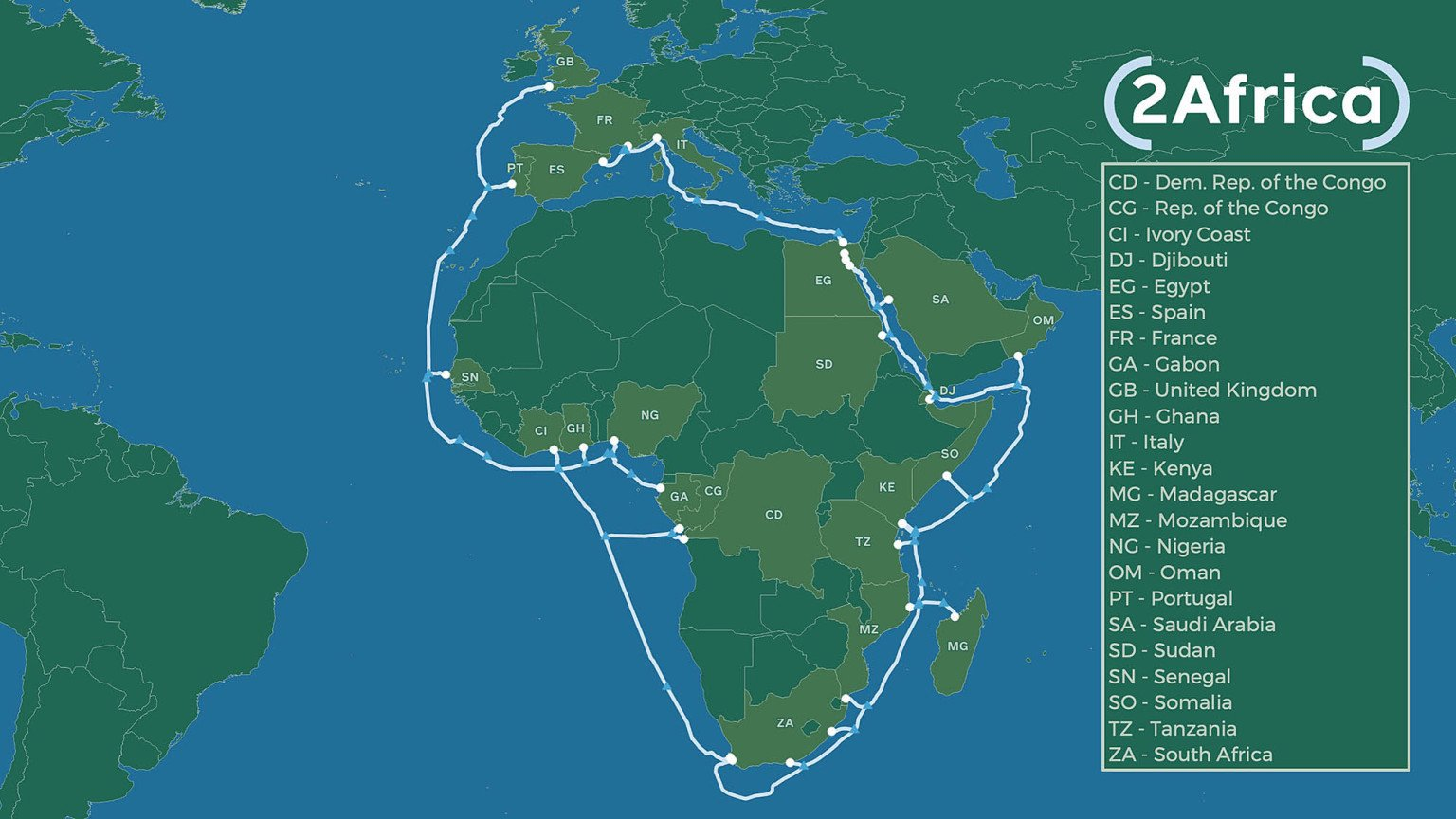
Recently, Facebook made the headlines when it decided to invest $5.7B in India’s Reliance Jio Platforms for a 10% stake. Interestingly, Facebook has also decided to invest in connectivity in Africa by joining a consortium of China Mobile, MTN, Vodafone etc., with plans to build 2Africa, a subsea cable which would deliver internet capacities more than the total combined capacity of all the current subsea cables serving Africa. 2Africa will provide service providers with capacity in carrier neutral or open access cable stations on a fair and equitable basis. 2Africa would no doubt improve internet penetration in Africa as well as support the growth of 4G and 5G systems.

The 2Africa cable is expected to go live between 2023 and 2024. Pricing would be determined by local operators but it is expected that the increased data availability and fierce competition will cause a drastic reduction in the price of data.

It is also believed that the continent may start to see deployment of 5G networks within this time frame (2024 and beyond). Now, could the 2022-2024 era indeed usher Africa into an era of immersive connectivity with boundless opportunities? Only time will tell if Prof Ndubuisi is indeed right.

Thank You India. Thank You China.

2

Thank you #India. Thank you #China. Since May 1, Indian and Chinese participants have recorded 27% of our Tekedia Mini-MBA registrations. We have also noticed that more than 23% of corporate registrations are affiliated with #Indian and #Chinese companies in Africa. Largely, there is an interest in understanding Africa for commerce.

If you are an executive, at continental or country level, in any Africa-India or Africa-China chamber of commerce or association, or a trade envoy with understanding of India and China business systems in Africa, we would need your help. Largely, initially, we did not even see what we are noticing as an addressable market. But with the data we have, we plan to offer a session that clearly showcases the promises, opportunities and trajectories for intern-continental partnerships and developments in Africa, from the domain of entrepreneurial capitalism.

Please connect on click.

Register for Tekedia Mini-MBA.

Best courses. Best faculty. GREAT Results.

https://www.tekedia.com/mini-mba-2/


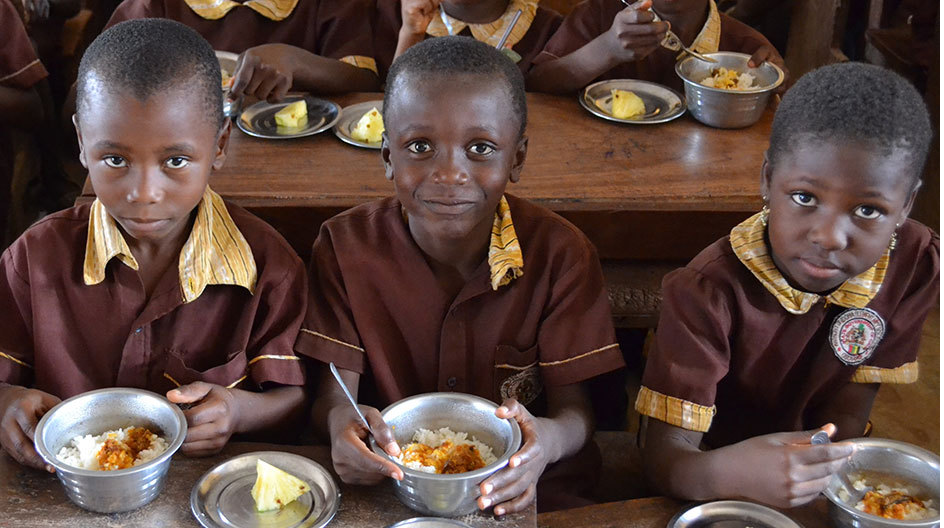
Observations from Nigeria’s Lockdown School Feeding Programme

0
school kids feeding

Nigerians kicked against President Muhammadu Buhari’s idea about the continuation of the feeding of the school children during the pandemic. They raised their voices to disapprove of the intention because they saw that as unwise. Some questioned why the government should expose school children to the risk of contracting the virus by bringing them to school in order to feed them. Some went as far as calling the programme a scam because they believed that it is set up by the government officials to siphon public funds. All in all, the general public were not in support of the programme. But what could be seen during the flag-off, this initiative is one of the best ways of providing palliatives to these masses, if it is well monitored.

The agitation of Nigerians against this programme may seem too harsh but it helped to shape the way the Federal Ministry of Humanitarian Affairs, Disaster Management and Social Development (FMHDSD) is implementing the programme right now. On Thursday, 14 May, 2020, FMHDSD, in collaboration with the World Food Programme (WFP), flagged off the National Home Grown School Feeding Programme (NHGSFP) at Kuje Central Primary School, Kuje Abuja. At this event, the Minister of FMHDSD, Sadiya Umar-Farouq, explained that the programme targets children in Primary 1 – 3 in public primary schools. She explained that they will work hand in hand with participating states, whereby they will adhere to the structures and data provided by the state for the distribution of food.

The flag-off of this programme annoyed more Nigerians because they didn’t see how food could possibly be distributed to millions of children that fall within this category. Some went as far as accusing the government of going against the demands of the masses, which they saw as dictatorial. But from what happened in Kuje Central Primary School Abuja, it will be noticed that the lockdown feeding of school children is an initiative that alleviate the sufferings of many Nigerians, at least to some extent.

From the video clip of the flag-off shared in FMHDSD Twitter page, @FMHDSD, the following observations were made:

Absence of Children

Contrary to what Nigerians thought, the food was not distributed to children. Their parents were the ones that came in their place.

Distribution of Uncooked Food

One of the worries many Nigerians expressed in social media was the hazards surrounding sharing cooked foods to children. But, as mentioned earlier, the FG listened to the voices of the citizens and made necessary adjustments.

The Use of Vouchers

The FG, or the FCT council I guess, first distributed vouchers with barcodes to affected parents. These parents came with their vouchers, submitted them for verification and went to the food collection centre when the authenticity of their vouchers had been ascertained. This ensures that dubious activities were reduced to the barest minimum.

Observation of NCDC Guidelines on COVID-19

Of course guests to the occasion, including the parents, were made to wash their hands, use their face masks properly, and observe the social distancing guide.

It will be good to commend the Minister of FMHDSD and the WFP for their good works. The distribution of food at the flag-off was a success. However, more concerns are raised regarding this NHGSFP. Some of these concerns are briefly discussed below:

  • Verification of Provided Data

According to the Minister of FMHDSD, the programme is for children in Primary 1 – 3 in public schools. In other words only parents of such children will receive these gifts. But knowing the high rate of corruption in Nigeria, it is pertinent to ask who verifies whether the people that receive these palliatives are those for which it is meant for. From what sources are these data compiled from? Is it from school registers or from the local government’s chairmen offices? Or from the ward leaders’ sitting rooms? Or maybe it’s from the commissioner for education’s PA’s office? Verifying the provided data will go a long way in ensuring that the concerned individuals are not denied this palliative.

  • Supervision of Voucher and Food Distribution

It is obvious that the food distribution at Kuje Central Primary School, Abuja was orderly because the minister and other top officials were there with their maximum security details. However, there is no way the minister can supervise the distribution of these food items to parents in different states. This now makes one wonder who will supervise the distribution of the vouchers and its accompanying distribution of food. Who knows whether those that collected vouchers will even smell the food? Attention is greatly needed here too.

  • Children in Non-Participating States

As the Minister noted at the flag-off, only children in participating states will benefit from the programme. This makes one worry about children in non-participating states losing out in this. It is quite unfair if these children and their parents lose something as important as this because their state government isn’t up and doing. It is, therefore, necessary that FMHDSD find ways to reach out to them before the programme ends.

  • Time-Table/Schedule of Distribution

It is worrisome that there is no time table to show how and when different schools, states, local governments or parents will pick up their palliative. As it is right now, no one is sure of how these distributions are made and when expectant parents will receive theirs. The ministry needs to be clearer on this.

We, as Nigerians, need to support initiatives provided by our public officials to make life easier for us. However, we should not hesitate to point out areas that need reconsideration and amendment, though this should be done politely. In other words, we should give FMHDSD our maximum support as it implements the NHGSFP, but we should help the ministry to ensure that the programme is a success. Right now, our focus should be on our state and local governments. They are the ones that might deny us and our children this palliative.

Uber: From Blitzscaling to Descaling

2

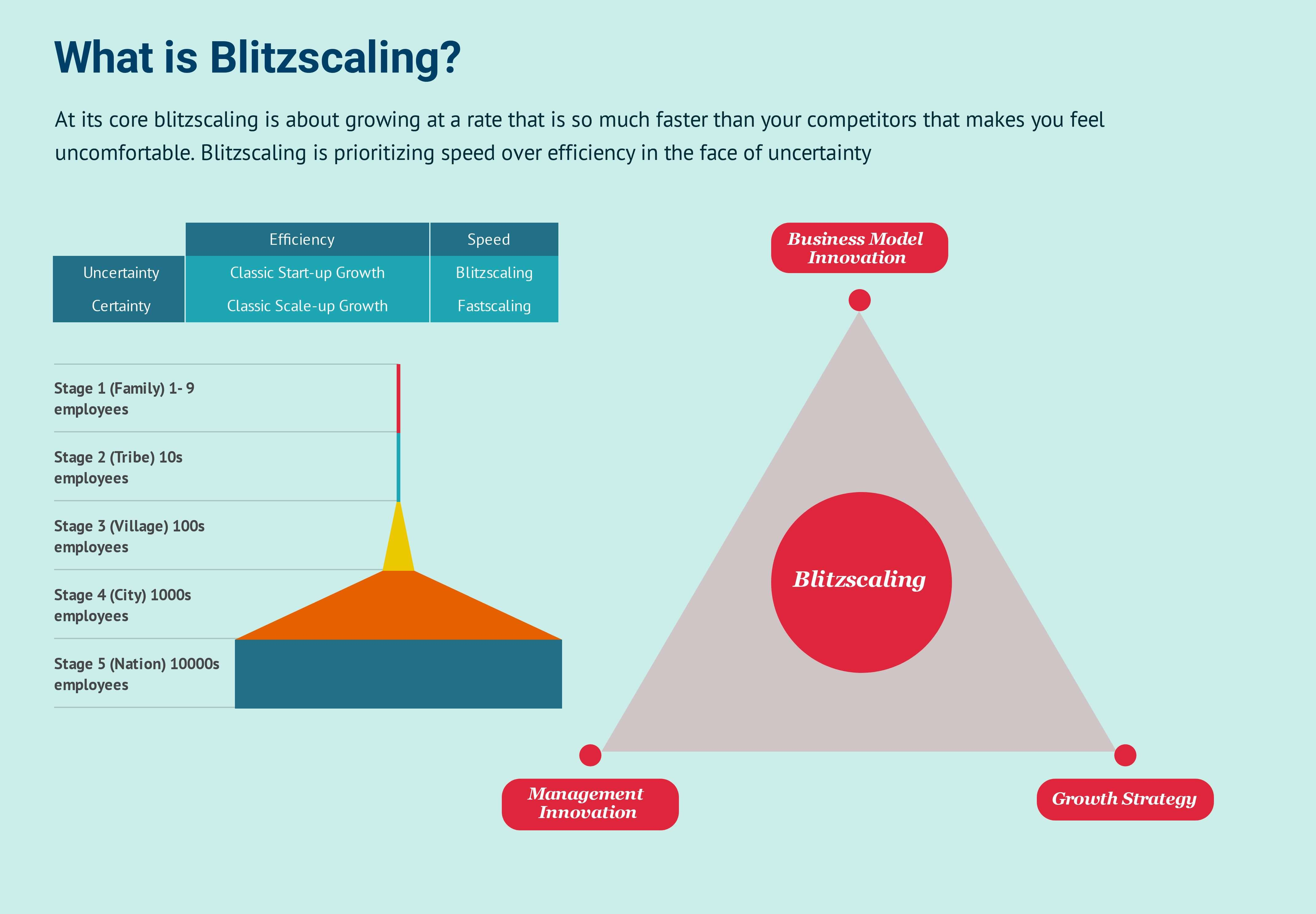
One of the most challenging elements in blitzscaling (rapidly growing a startup, unconstrained and unbounded by geography by nearly all means possible) is that early investors typically smile to banks while workers are usually losers. Yes, Uber is firing another 3,000 workers. For blitzscaling to work, everything must be in perfect equilibrium. If the economy tanks, workers are used to re-calibrate. That is unfortunate.

Uber is closing 45 offices and cutting another 3,000 jobs in a second round of layoffs, just weeks after slashing 3,700 positions. The new cuts mean the ride-hail giant will have eliminated about a quarter of its staff in less than a month, as the pandemic slams its core business, The Wall Street Journal reports. Uber’s bookings have plunged 80% from a year ago. The company said it will shrink investments in noncore projects and plans to reassess cash-burning operations, including autonomous driving and freight. Uber’s acquisition target in its thriving food-delivery business, GrubHub, signaled the ride-hail giant’s offer is still too low, The Wall Street Journal said, citing anonymous sources.

While we hail the very few successful debt-ridden blitzscaled species, the fact remains that most times, when the shape of the marginal cost begins to look like an average fixed cost curve, families bear the burdens. Simply, you are losing more money than you are making as you further scale. Any tripping from the economy, everything falls apart because the leverage is so much and out of order. At the end, within weeks, all the gains of years are wiped out because the model was recklessly overly optimistic. 

As Uber struggles, the destination is clear: Uber will merge with Lyft very soon.

In this piece, I explain why Uber and Lyft will merge. The trajectories both are following show that they will have challenges with Lyft gaining on Uber, but the overall industry cooling. As soon as that happens, their margins, if they have any, will collapse. Once that happens, they will begin to talk of merger, with each other. Government will see their struggles, and will dismiss any anti-trust concern gone. The result: it will bless their union. Uber is today’s Category-King, but its  past behaviors have slowed it down, offering a window for Lyft to catch-up. As they become peer-competitors and rivalries, they will destroy the sector. Similar rivalries have ended together: Elance/Odesk (now UpWork),  Groupon / LivingSocial,  Sirius / XM and  Rover / DogVacay. Please add DraftKings and FanDuel in the list; I predict they will merge also despite any FCC ruling, at the moment. They will struggle, owing to wounds they inflict on each other, in coming years, and will be saved via merger.

Uber continues to serve the world but it needs to look at its growth philosophy, pandemic or not! The same applies to WeWork which has been tripped by a pandemic also.

WeWork can’t seem to catch a break. The office space giant is stuck fighting a losing battle over rent and is asking its landlords for a break on rent bills, yet can’t afford to let its own members skip out on theirs, says The New York Times. The contradictory measures aren’t sitting well with tenants, thwarting the company’s reputation while the pandemic undermines its business model. WeWork paid rent for 80% of its locations in April and May and plans to “make whole on our entire obligation,” said the company’s chief.