DD
MM
YYYY

PAGES

DD
MM
YYYY

spot_img

PAGES

Home Blog Page 6357

Towards Curbing Impending Food Crisis in Nigeria

0

The impact of COVID-19 on food distribution is gradually taking its toll on farmers, traders and consumers. In Nigerian markets, especially those in the South-Eastern part of the country, the prices of staple food continue to change. The problem here is that the prices of agricultural produce cultivated within a state are ridiculously low, while that of those “imported” from other states are high. That is not the only problem. There is scarcity of some staple foods that are not cultivated within the state.

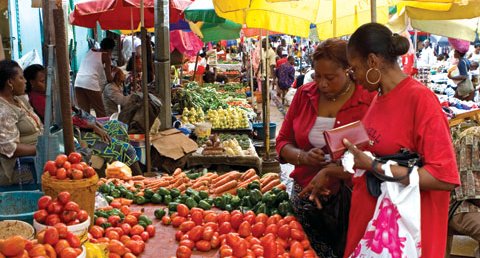
In Enugu local markets, vegetables such as bitterleaf, spinach, ugu and other ones cultivated within the state are very cheap and in abundance. The price of grains like rice, beans, maize, bambara seed (okpa), among others that come from other states have shot up. Some favourable varieties of beans and okpa seeds are no longer found in the market; the situation is currently more like “making do with what is available”. Fruits are also expensive; and so are many other food items that are not cultivated within Enugu State.

It is quite disheartening that while there is scarcity of some staple foods, there is wastage of others. For instance, there were viral photographs that showed heaps of rotten mangos dumped by roadsides in Benue State. The person that posted these pictures explained that people dumped those fruits because they saw no buyers. There were also video clips that showed that rice millers in Benue State have lots of paddy rice, which they will not mill because they didn’t have demands. This is similar to a speculation that farmers in Ebonyi State are lamenting that their farm produce is wasting because nobody buys from them. Because of the shortage or lack of demand, these farmers either sell at very low prices or watch their sweats go to waste. Funny enough, most of them didn’t even see who to sell to at that low price.

This calls to mind the fact that COVID-19 is creating an imbalance in food production and consumption.

But it will be wrong to blame only COVID-19 for this. It should be remembered that the lockdown did not affect movement of essential goods, one of which is food. This makes one wonder why food should be scarce when farmers have agricultural produce that will go round, at least to some extent.

It may be presumed that traders do not want to move in search of goods, or that farmers have withdrawn into the hinterland all in a bid to avoid COVID-19. But from all indications, COVID-19 may be ravaging the land, but it has not stopped people from searching for income and food. So, COVID-19 is not the direct cause of this simultaneous scarcity and wastage.

A little inquiry from the traders revealed that security agents are the causes of food scarcity in different parts of the country. They set up many roadblocks in order to discourage interstate travel, to ensure the observation of lockdown order, and to extort money from farmers and traders. Sometimes these security personnel harass traders and farmers to the extent that they make their journeys unbearable. The thing there is that a lot of traders are weary of getting near their state borders while those that do, sell at exorbitant prices in order to make up for the stress of the journey and the money spent on bribing the officials.

From what is going on now, if nothing is done immediately to control the situation, the country will be thrown into a food crisis in the nearest future. As planting season has arrived, many farmers should have started planting for the year but a lot of them are yet to sell off the ones they cultivated. And from what I know, most of these farmers store their produce in their farms: they move their crops directly from their farms to the market, or, the traders come to their farms to buy and move them. This means that these farmers will not have the morale to plant right now (because the ones they planted are wasting) and they may not be able to utilise their farms (because old produce is still there).

In addition to these, these farmers need money to purchase seeds, chemicals and fertilisers as well as to hire labourers and machinery. Their only source of income is wasting right before them and they are powerless to stop it. This is poverty staring these people right in the face and they can’t help it. This will not only affect the farmers, but also the people that depend on their produce for their livelihood. Who knows what will happen if these farmers do not plant this year.

It should be understood that no state in this federation is self-sufficient in food production. This is why the movement of food items should not be disrupted by corrupt security officials. The concerned authorities need to look into this; people should not starve because some officials want to reap out of the pandemic. They are throwing the country into an avoidable food crisis.

China Exempts 79 Items From Tariff As the US Tension Grows

0
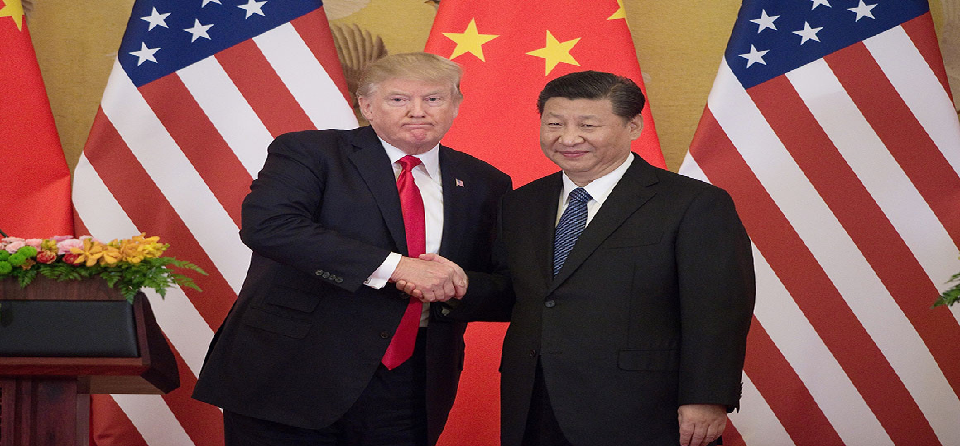
China and US leaders

The faceoff between the United States of America and China, stemming from COVID-19 is taking a new turn on the daily, signaling escalation of the existing trade tension between the two economic powers.

Each side has been walking hard to do what is best for their country. China has published a second batch of products to be exempt from the tariff war effective next week.

China made the announcement after the US president Donald Trump threatened to tear up phase one of the trade deal that was signed in January. Part of the deal has been a request for a level playing ground for the US companies in China and total stoppage of intellectual theft of the US’ tech inventions. The Trump administration believed that China’s compliance with these demands would close the trade deficit that stood at $345.6 billion in 2019.

Prior to the January truce between the two countries, the US had used tariffs to get China to agree to its terms. At the end of 2019, the US has imposed tariffs on more than $360 billion worth of Chinese goods. It was a terrain the Chinese government didn’t want to take as it was hurting its economy.

China believes the US doesn’t want her in the table of economic powers while the US believes that they have been cheated enough.

In an effort to keep its side of the bargain, China has listed 79 items to be exempt from tariffs. They include rare earth mineral ores, aircraft radar equipment, semiconductor parts, medical disinfectants and a wide range of chemicals, petrochemicals and metals.

The Trump administration has been pressuring China to increase the amount of goods it imports from the US to avoid further sanctions or imposition of new tariffs. In September 2019, the Chinese government announced the first batch of goods it exempts from tariffs. It included 697 products lines ranging from soybeans, pork and beef to liquefied natural gas and crude oil. These products were an integral part of the trade battle between the US and China. The phase one trade deal requires China to buy additional goods worth $200 billion from the US in the next two years.

The import and export ratio between the US and China has been severely disrupted by coronavirus. The Chinese import of US goods fell by 11% in April and 85.5% in March according to the Chinese custom data. The fall in the supply chain between the two countries appears to have triggered a new wave of kicking from the US.

China is the world largest importer of crude, but it has imported just $114 million worth of oil and petroleum products from the US in the first quarter of 2020. At the same time, it has bought $11.3 billion worth of oil from Russia and $10.7 billion worth from Saudi Arabia.

A Chinese official who did not want to be named said coronavirus pandemic has contributed to the little oil purchase from the US, as plummeted global demand for oil has given room to consideration to issues like transport fare.

“The US has another disadvantage in selling oil to China – the transport fee from the US to China could be $10 per barrel, which is a few bucks higher than that from the Middle East. A few bucks can make a huge difference now in oil deals with prices so low,” he said.

China’s attempt to make up for the gap through the purchase of American farm products failed. Chinese import of American soybean increased 210% in the first quarter of 2020, a $21.88 billion purchase according to data from the Chinese custom. But it didn’t measure up to calm the US nerves.

In this second batch of tariff exemption, Chinese importers must apply to the General Administration of Customs within six months of the announcement to be considered for waivers that will take effect from May 19.

As China pushes to open its economy from the ravages of the coronavirus pandemic, it is working hard to avoid US confrontation as it will result in a serious setback to its economy.

Though the shortfalls have been mainly as a result of the global pandemic, the US doesn’t want a lax implementation of the January’s trade deal. On Friday, a telephone meeting was held by top negotiators of the deal including the Chinese vice Premier Liu He and the US Trade Representative Robert Lighthizer for the first since the deal was signed in January. According to the statement issued by the Chinese State Media, the government is working to “create favorable conditions to implement the phase one trade deal.”

At the end of the meeting, both sides agreed to work out modalities to implement phase one of the deal, according to a statement posted on the state’s media website last week.

“Both sides agreed that good progress is being made on creating the governmental infrastructures necessary to make the agreement a success,” the statement said.

The January agreement compelled the US to cut the tariffs from 15 to 7.5% on $120 billion Chinese products. But the Trump administration appears to be standing on the sideline to reverse the tariffs or impose a new one if China fails to live up to the agreement.

World FM Day 2020, COVID-19: Makinde Seeks PPP for Facilities Management as State Reopens Economy

0

Oyo state is one of the states in the south west region in Nigeria that has had a share of the Coronavirus pandemic. The state, like others in the country, has adopted and still applying a number of measures to stop the spread of the virus, which has infected over 70 people and led to death of one person.

To make life more meaningful for people and businesses as the state reopens economy, Governor Seyi Makinde has called for public-private partnership for redesigning, maintenance of existing infrastructure and ideas that could spur growth and development in the state. Governor Makinde made the call while delivering his keynote speech at the just concluded Roundtable organised by Alpha Mead, one of the leading total real estate solutions, marking the 2020 World FM day.

According to the Governor, there would be life after the pandemic. Hence, there is a need for investment in housing, healthcare and redesigning of markets to enhance social distancing enforcement. He wants companies in the industry to identify areas of collaboration and send proposals to the Oyo State Investment Promotion Agency. He assured investors of transparency in the selection process.

He noted that the measures taken by the government have really impacted the vulnerable in the state, saying adoption of foreign measures without local relevance will further increase the severe impacts of the pandemic on the vulnerable. “Nigerians are community-centred people,” he added.

Speaking to the theme of the event “Managing the environment in times of pandemic: People, Places and Technologies,” Governor Makinde stressed that people, places and technologies must work together before quality living could be achieved. He cited the use of science, data and logic by his administration for Covid-19 management. According to him, the collaboration with the University College Hospital, the upgrade of a facility to a level of testing infectious diseases among others have been helping in managing the pandemic.

Extolling the leadership and governance style of the governor, one of the participants said: “A key quality of Mr Makinde’s consistent strategic drive is in incorporating scientific methods with both economic consideration and political reasoning to achieve a common goal beneficial to all inhabitants of the State. This trait takes care of the shortfalls of the herd mentality which our administrators have been known for. Very beneficial and valuable bringing him on this platform.”


Support Our Healthcare Workers

0

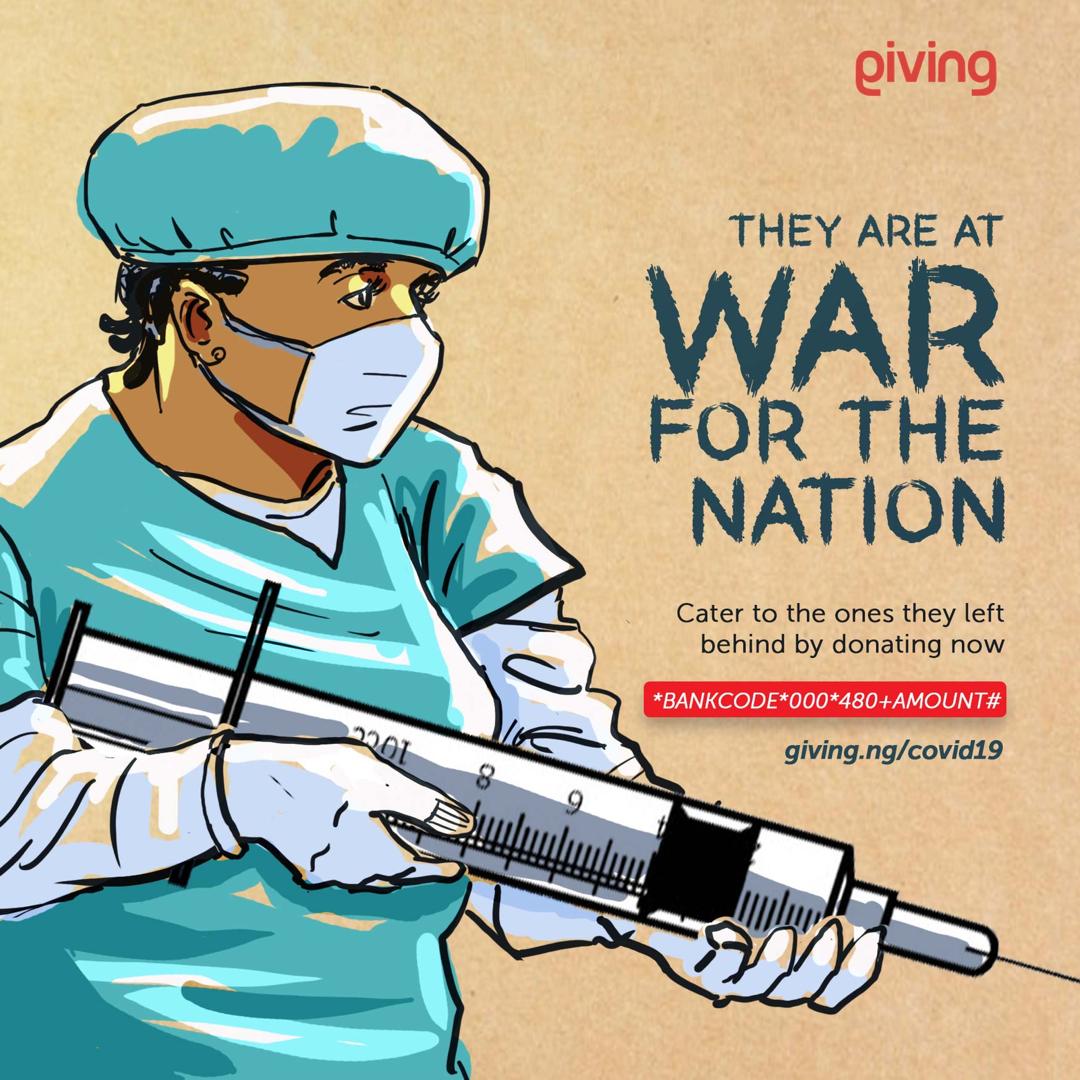
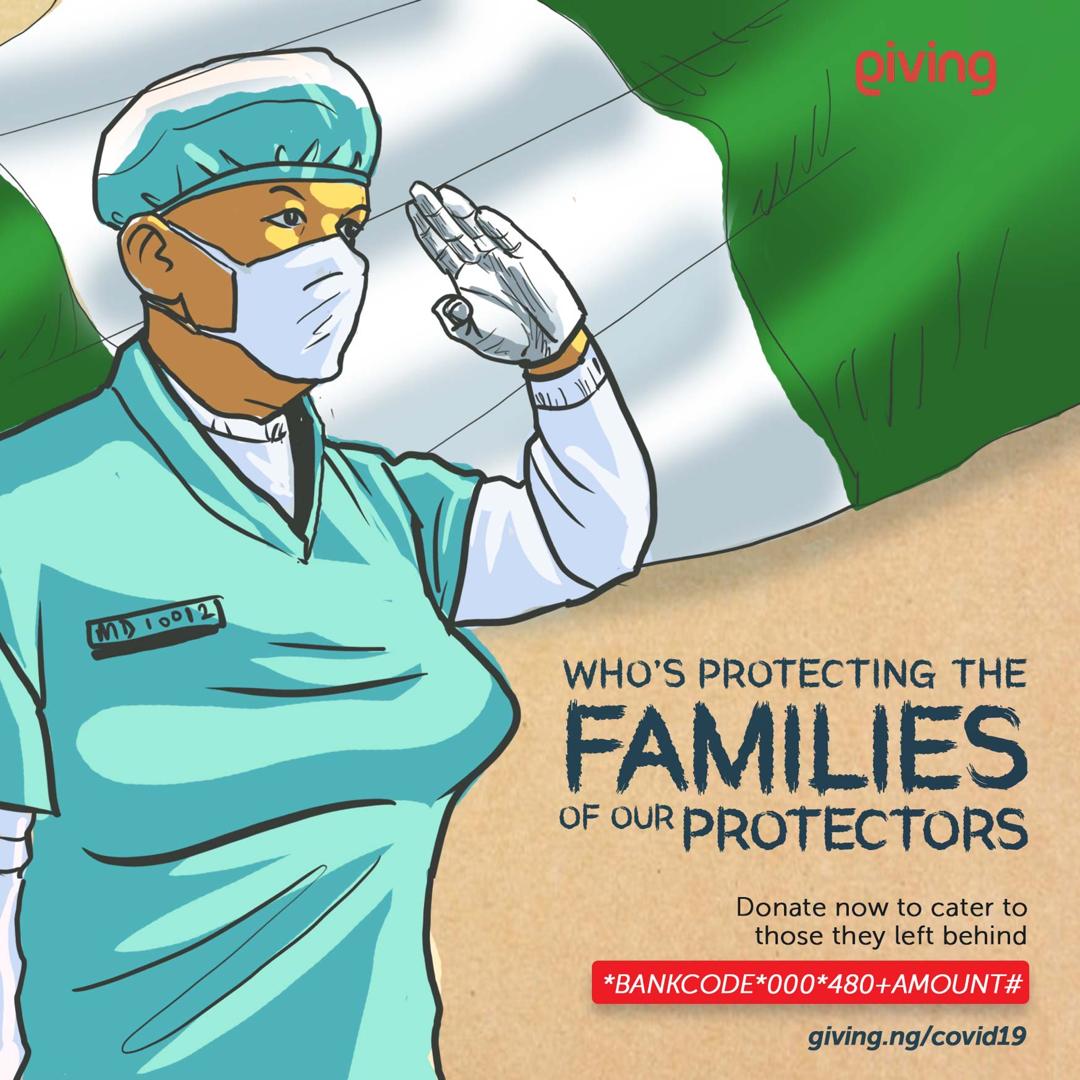
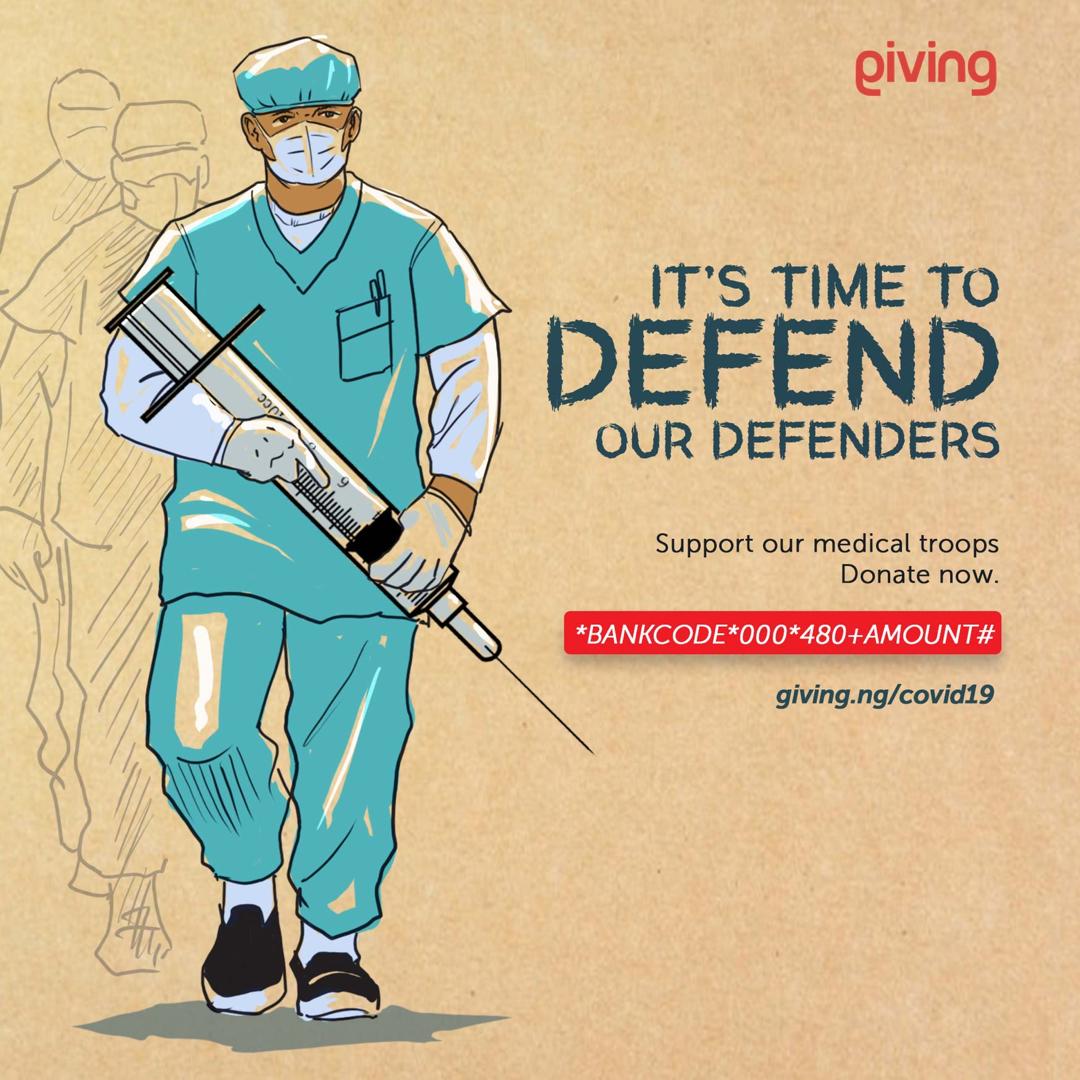
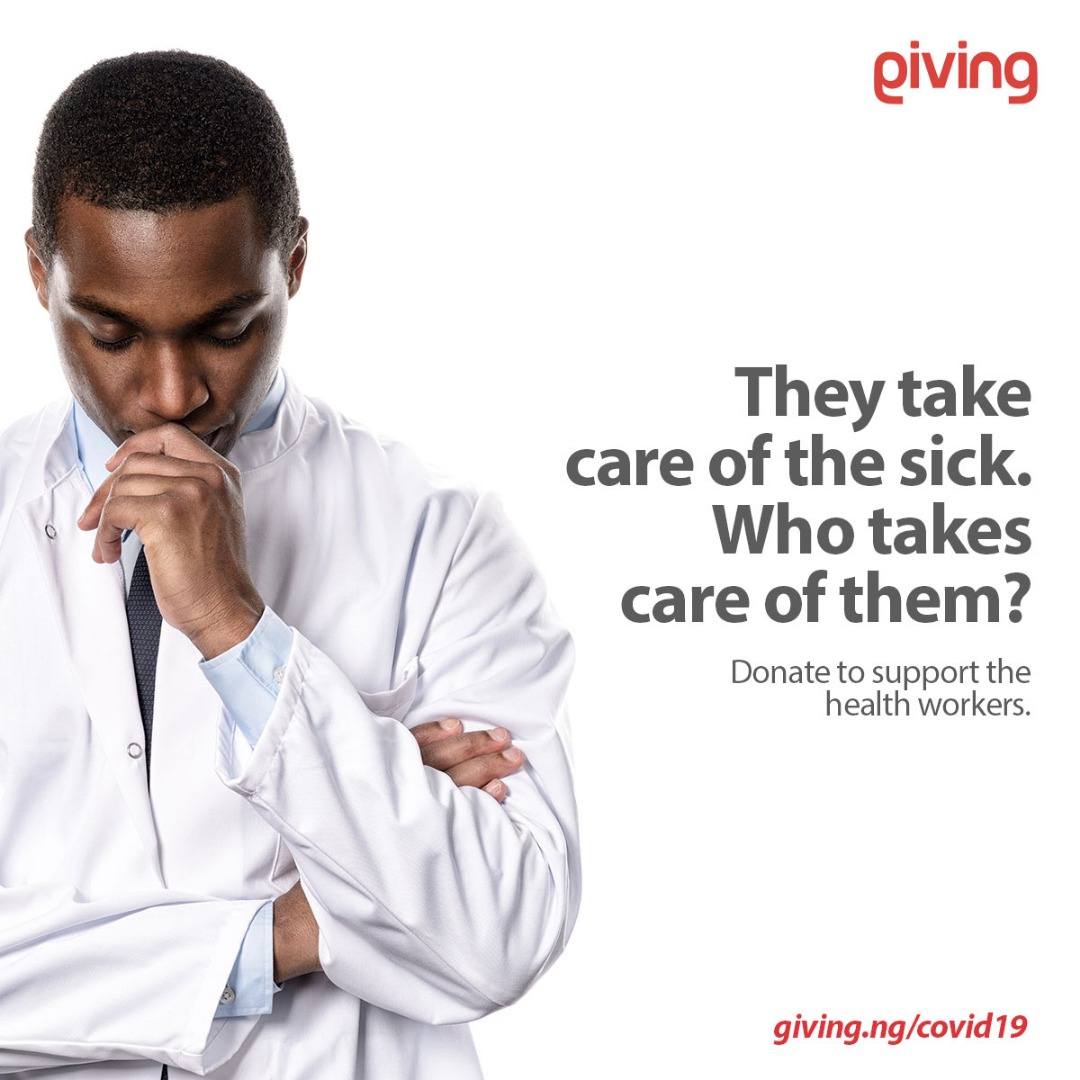
Our healthcare workers are on the frontline battling Covid-19. These brave people cannot seek shelter with their loved ones. Night and day, they cater to the sick who may be our loved ones or of those we know. Most of them earn just N5,000 as hazard allowance. They need our help.

Sterling Bank with implementation support from some non-profits is helping the healthcare workers. They made a big contribution to a special fund to ensure these workers are well taken care of as they battle in the war front.

Sterling Bank operates on the HEART strategy – Health, Education, Agriculture, Renewal Energy and Transportation); healthcare is at the heart of that playbook. 

I invite you to donate and share this. Here is the link – https://giving.ng/covid19.php

Uber in Talks to Purchase Grubhub As COVID-19 Pressure Grows

0

In its fight to survive the harsh economic realities of COVID-19, Uber is thrusting deeply into foods. In its latest move, the ride-hailing company is making an offer for Grubhub Inc., according to Bloomberg.

Grubhub Inc. is an American online and mobile prepared food ordering and delivery marketplace that connects eaters with local takeout restaurants. Founded in 2004, the company has grown a customer base of over 19 million users and 115,000 associated restaurants across the 50 US states and the UK from its base in Chicago.

The companies are said to be in talks as the effects of coronavirus have dampened their businesses, leaving them totally exposed to the uncertainties of the harsh economic climate.

Grubhub has held its ground amidst competition from DoorDash and Uber, using its 16 years’ experience to stay in the food game. The company’s shares surged to 39 percent in New York trading after it was temporarily halted. Grubhub market value stood at $5.6 billion after closing New York trading at 29 percent. Uber has a market value of $56 billion and added 2.3% increase at the end of trading on Tuesday.

The COVID-19 pandemic has hit Uber food services in many countries, pushing the company to shut many of its outlets internationally in a bid to cushion the effects of the downturn.

Apart from the Middle East where its subsidiary, Careem is planning to lay off 536 of its workforce, Uber will shutter its food operation in Czech Republic, Egypt, Honduras, Romania, Saudi Arabia, Uruguay and Ukraine on June 4. The austerity plan includes transferring Saudi Arabia’s operation to Careem on June 4.

Uber purchased Careem last year for $3.1 billion, but many of its operations in the Middle East have been badly hit by the coronavirus outbreak. The Dubai-based Careem suspended a portion of its public transit offering citing coronavirus.

Uber appears to be desperately looking for a way out of the loop as its ride-hailing business has been on the standstill in most countries around the world due to precautionary lockdowns initiated by governments to stem the spread of the pandemic.

The San-Francisco based company is counting on food delivery to stay in business until the dust of the pandemic settles.

Uber and Grubhub are looking to conclude the deal at the end of the month. But the matter remains confidential as negotiations are still going on between the two. A statement issued by Grubhub failed to acknowledge or deny the deal while Uber refused to comment on the matter.

“Consolidation could make sense in our industry, and, like any responsible company, we are always looking at value-enhancing opportunities. That said, we remain confident in our current strategy and our recent initiatives to support restaurants in this challenging environment,” the statement from Grubhub said.

However, the challenge lies on the overall food delivery performance which has dwindled considerably. But many believe that a merger between Uber and Grubhub will consolidate the US food delivery market. SoftBank’s owned DoorDash has been leading the market space with Grubhub in second place; Uber is left in third place. But a merger could see Uber and Gruhub controlling 55 percent of the food delivery service in the US.

Grubhub’s stock rose 63 percent at the news of its merger with Uber. But concern remains that the deal will spring antitrust inquiries from the authorities.

Uber’s CEO, Dara Khosrowshahi has been strategizing to keep the company afloat with new ideas. Last month, Uber launched two initiatives called ‘Uber Direct’ and ‘Uber Connect.’ Uber Direct lets users order items from select retailers and have them delivered directly to their door, while Uber Connect allows users in 25 cities in Australia, Mexico send packages to relatives and friends.

The aim was to keep many of its drivers on the roads as essential workers, as they distribute food items, drugs, pet supplies and foods. It also offers delivery of items for family members who have been separated by movement restrictions. But as the restrictions ease in many cities following a drop in numbers of coronavirus cases, the idea is becoming less practical, forcing Uber to concentrate on food delivery.