DD
MM
YYYY

PAGES

DD
MM
YYYY

spot_img

PAGES

Home Blog Page 6379

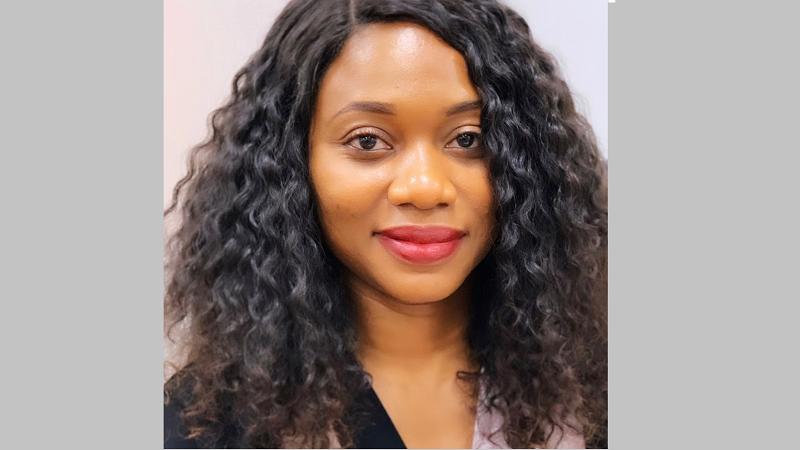
A Conversation on Career and Innovation with Nene Obichie of PayAttitude

3

Which of these feedback would you desire to receive from people?

Sorry, but you could have made an attempt at it or showed up, at least! 

Or,

Congratulations on your completion of this certificate course, or on your new appointment!

We live in an age when an average individual will choose to live within a safe and comfortable space and go the route of least resistance. We have seen time and time again that this route favours none of its users.

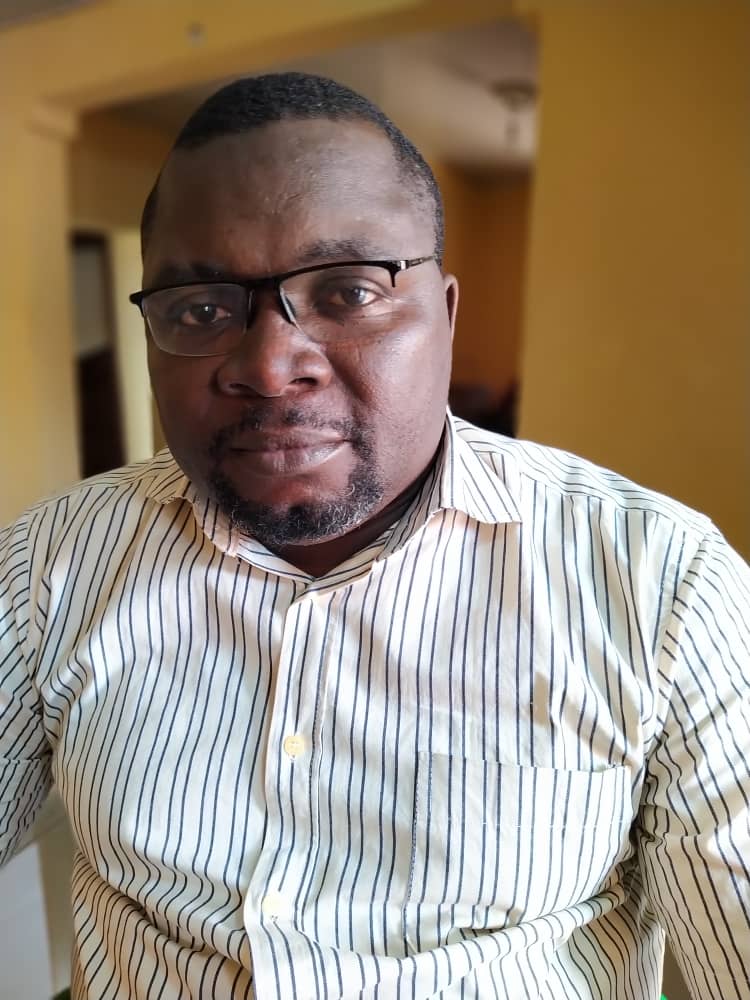
Today on LADWITS (Launch Deep! With Taofik Sanni), Taofik sits with Nene Obichie, the Head of Marketing and Sales at PayAttitude, as she shares her story of how she stayed strong as a wife, mother, employee and student all at the same time. 

If you think the world is on you, that you have too much on you to hold you back from going for your goals, please read this!

The interview…

Taofik Sanni: Good morning Nene, your story is such that it has the potential of encouraging many other women in Nigeria, Africa and the world at large. Can you start by introducing yourself to us?

Nene Obichie: Thank you, I’m Nene Obichie, a marketing and communication professional who drives profitable growth in rapidly evolving competitive digital payments and technology environments. I’m a wife and mother of 2 young children.

Taofik: Can you please tell us about how you came into the marketing and communication profession?

Nene: I was always a big talker who loved to read and write so my father thought I’d make a good lawyer. Unfortunately I was unable to make the mark to study law and opted instead to study Mass Communication. 

After my first degree, I worked in a few small organizations but because I liked the fast paced world of technology, I switched careers to banking specifically the E-Business department of one of Nigeria’s leading banks. Working in Electronic Payments in the early days was very exciting because electronic payment was still a novelty as most businesses still relied heavily on cash. However once the CBN’s cashless drive kicked in, I started to feel a bit less challenging and switched departments to the Aviation department within the same bank. If I thought E-business had become boring, I was in for a shocker as I found Aviation rather monotonous. Don’t get me wrong, I had moments of excitement whenever I was able to get my Aviation clients to use electronic banking to scale but I was pregnant with my first child and started to reconsider how to marry my first love of communication with my new passion of digital payments. I decided to pursue a masters degree in Marketing Communication and the rest they say is history

Taofik: Wow! So interesting! So can you tell us the story behind all these movements from banking to marketing communications and how they relate to your marital life, pregnancy and study?

Nene: A wise man once said “if you don’t like where you are, move. You are not a tree.” 

This has been one of my guiding principles. Believe me when I say it wasn’t easy juggling a tasking career at a bank, newly wedded blues, pregnancy and early motherhood in addition to pursuing a higher education but my desire for a career I was passionate about was stronger than the temporary discomfort of multi-tasking so I just had to make that move.

Like the African adage goes “it takes a village to raise a child” I’m thankful I have a very supportive husband, worked with a great team of colleagues who covered for me when I had to leave the office to attend a class and had the support of my sister and brother in-law assist with childcare. I’m proud to say that I never turned in a paper late and was even the first student in my class to submit my final thesis and complete my viva!

Taofik: Wow! You are such a strong woman. During all of these experiences, did you ever feel like giving up or quiting?

Nene: Yes, early on in the program I was tempted to throw in the towel because believe me it was intense but I had to start with the end in mind and forged on

Taofik: What are the lessons you picked in the course of your journey here?

Nene: The journey of a thousand miles begins with one step. If you want something, no matter how daunting it seems just take the first step towards achieving it. Once you take that first step it becomes a little less daunting.

Taofik: As a wife, a mother and a professional, what advice do you have for other women out there who may have been stuck at one point or the other in their journey to achieving their marital, parental and professional goals?

Nene: There’s a photograph I have that was taken by my colleague years ago, after I had returned to work from my first maternity leave. In that photo, I’m fast asleep at a makeshift rest area at the corner of the office just beside a copier because I was exhausted from staying awake with a colicky baby the night before. Yet I made it to work that next day tired as hell but determined to make it through. 

It doesn’t matter what gender you are, life is going to throw curveballs at you along the way, just be determined to take each day as it comes and give it your best shot. 

It also helps when you have people that love and support you because like I always say, teamwork makes the dream work

Taofik: For those young people desiring to take a career in marketing and communications, what advice do you have for them?

Nene: For young people desiring to pursue a career in marketing and communication, my advice is for them to stay true to your passion and keep their eyes on the prize. As with most professions, it may not be rosy in the beginning but it is a very exciting career path with diverse opportunities. With digitization, the profession has become a lot more dynamic than what it used to be only a few years ago. But this generation is blessed in the sense that they have access to a lot of information, so they must continue to stay abreast on the trends, keep learning, unlearning and relearning whilst staying true to the ethics of the business.

Taofik: Are there any certification, annual conference, or quarterly workshops to boost the employability of those aspiring to become a leader in the marketing and communication profession? Also, what are the opportunities and leadership track a young chap can key into to become successful in the profession?

Nene: Certifications are nice to have but they aren’t must haves. The beauty about the profession is that as long as you have strong written and communication skills you can perform effectively. Companies will typically consider candidates who have earned degrees in Mass Communication, Communication, Marketing or journalism but like I said they are no hard or fast rules.

To boost employability in the field, an aspiring leader has to have a firm grasp on marketing research, communication strategy and pricing and budgeting strategies. Again in this age of digital marketing, one must be abreast of the all the digital channels and tools and must be able to analyze marketing trends

Taofik: So Nene, in case someone out there desires to reach you or have a career conversation with you, how can they do so?

Nene: In my spare time I mentor young graduates and professionals on employability and personal branding. I have a blog (www.careersensei.com.ng) where I try to answer questions about all that pertains with thriving in today’s workplace. I can also be reached on all social media platforms. 

Taofik: Thank you Nene, for your time and efforts to help many know they can be more than what they are and be better than what they think they can be despite your busy schedule.

Nene: You are most welcome
Prison Decongestion Directive in Nigeria, Many Deaths in Kano

0

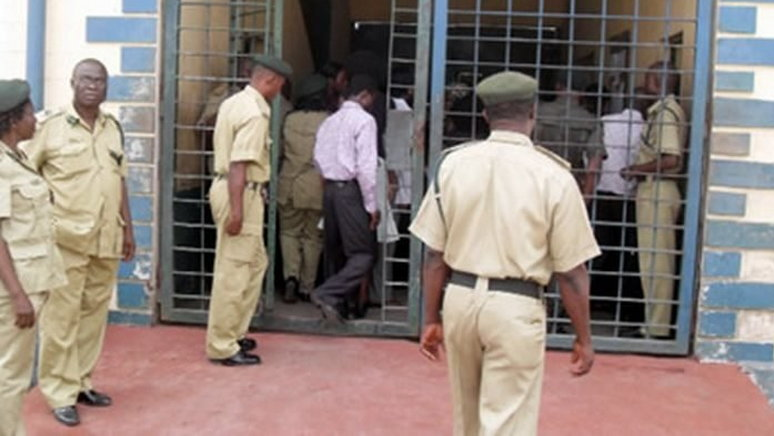
President Buhari has called for urgent measures towards the speedy trial of cases and decongestion of custodial centres in the country in view of the Covid-19 pandemic.

In a letter to the Chief Justice of Nigeria, Hon. Justice Ibrahim Tanko Muhammad, the President drew His Lordship’s attention to the recent call by the United Nations on all countries “to consciously reduce the population of prison inmates since physical distancing and self-isolation in such conditions are practically impossible.”

According to President Buhari, “From available records, the inmates population at various custodial centres across the country presently stands at about 74,127 out of which 52,226 are Awaiting Trial Persons (ATPs).

“Most of these custodial centres are presently housing inmates beyond their capacities and the overcrowded facilities pose a potent threat to the health of the inmates and the public in general in view of the present circumstances, hence the need for urgent steps to bring the situation under control.

“It has become imperative for Your Lordship to request State Chief Judges to embark on immediate visit to all custodial/correctional centres within their respective States to identify and release deserving inmates where that has not been done already,” he said.

He noted that during such visits, “the Chief Judges are enjoined to consider conditional or unconditional release of ATPs who have spent 6 years or more in custody. ATPs who have no confirmed criminal cases against them, aged inmates and terminally ill may be discharged.

“It is expected that particular attention should be on the aged, those with health issues, low risk offenders, those with no sufficient legal basis to remain in custody, inmates convicted for minor offences with or without option of fines and inmates who have less than 3 years term left to serve having served a substantial term of their service for offences that attract 5 years and above.

“Payment of fines may be made in favour of inmates convicted of lesser offences with option of fine, who are in custody because of their inability to pay such fines.”

President Buhari said a Report on the proposed visits is expected to be forwarded to the Presidential Committee on Correctional Service Reform and Decongestion Secretariat, Federal Ministry of Justice, Abuja for compilation and onward transmission to his office.

He also suggested to the Hon. Chief Justice of Nigeria to “at this stage, consider taking immediate steps as appropriate to ensure the setting up or designation of Special Courts in all States, including the FCT, “ to try cases of armed robbery, banditry, kidnapping and other serious offences, in order to facilitate speedy trials.

“There is the need to ensure that the Chief Judges of States and FCT High Courts direct lower courts to comply with requirements of the Administration of Criminal Justice Act/Law in issuing remand warrants in criminal cases especially in cases which are not within their jurisdiction,” he said.

According to the President, “this will regulate the volume of entry of Awaiting Trial Inmates into custodial centres.”

Prison decongestion has been a major topic in the Nigerian political and social space. Year after year, human right organizations call on the Nigerian government to administer principles of criminal justice law as the courts and law enforcement agents carry out their duty.

In November 2019, the Cleen Foundation in collaboration with the McArthur Foundation deliberated on how to decongest Nigerian prisons, at the ACJA/L working group meeting held in Kaduna. The discussion became necessary because the number of inmates per prison continued to outgrow the prisons’ capacity – and that’s the case with every prison in Nigeria.

The push to effect the needed change in the prisons always ended on the table of discussion, and life continues; more people get added to the already choked walls. With the courts overwhelmed with cases and the police on rampage of indiscriminate arrests of citizens, there has been every day addition to the problem.

In March, the Minister of Interior Rauf Aragbesola, spurred by WHO’s advise to decongest prisons over coronavirus, called on stakeholders to facilitate measures to minimize the number of inmates in the Nigerian Correctional Services (NCoS) to prevent the spread of coronavirus.

The push has been ongoing since then as part of governments’ efforts to quell the spread of the outbreak. Buhari’s directive to the Chief Justice of Nigerian on Tuesday has been the greatest move by the Nigerian government to decongest the prisons.

It is seen as one of the positive developments that have emanated from the outbreak of COVID-19 in Nigeria. There is hope that the pandemic will force the government to address other issues that Nigerians have been complaining about.

The Many Deaths in Kano

As the Kano State Government battles to curtail the spread of COVID-19, an unknown illness has reportedly killed more people in the state than the dreaded pandemic.

Daily Trust reported that on Friday and Saturday last week, over 150 people were reportedly killed across many Local Government Areas of the State. The eight LGAs affected are Nasarawa, Gwale, Dala, Ungogo, Fagge, Tarauni, Kumbotso and Municipal.

It was a tale of horror as grave attendants and undertakers recount the events. “This is worrisome, we are becoming overwhelmed by what we are seeing here these days because to me, the way people are dying is not ordinary,” Bashir Mohammed, of the undertakers at the Dandolo Cemetery in Goron Dutse, Dala LGA said.

He added that between Saturday and Sunday, over 30 bodies had been buried in the cemetery raising serious concern as it is well over the maximum 10 burials allocated to the cemetery. Mohammed noted that those buried were aged people across sexes.

In another cemetery in the state, Abattoir, near Kofar Mazugal, 61 persons were buried at the same period. The areas of the state affected were Zage, Darma, Sharifai and Gabari as well as Zangon and Barebari communities of Kano Municipal.

While the actual cause of the deaths remain unknown, it has been attributed to severe fever, malaria and typhoid fever related illnesses. The residents of the areas said the situation became that bad because of the closure of private clinics in the communities, making it difficult for most of them to access medical help when they are ill.

The situation has thrown the communities into fear that they are now begging the state government to intervene. The Chairman of Fagge Cemetery Committee, Sheriff Hadi Kabir, who said that he lost his old father alongside 13 others who died in his neighborhood, added that the “terrifying” situation needs urgent government action.

He said in his neighborhood at zangon Barebari in Kano Municipal LGA, the cause of the deaths is suspected to be malaria and Typhoid fever, a situation he attributed to rainfalls that helps mosquitos breed.

“This is not coronavirus as speculated; it is severe malaria because of our exposure to mosquito bites. We have been battling this kind of experience almost on yearly bases around this time. So we are praying to the government to come to our rescue because this malaria is more deadly than COVID-19,” he said.

Residents of the affected areas and family members of the diseased have attributed the development to nothing else but malaria. They said their communities are prone to malaria due to the prevalence of mosquitos.

“My mother started having severe fever last week. My brother took her to the hospital and they conducted some tests on her and the result showed that she was having malaria. Her condition continue to deteriorate until Sunday when she passed away,” Hajiya Amina, the daughter of the disease said.

Another resident of the community, Malam Hafeezu Adamu, said doctors confirmed that his brother died of malaria even though he is diabetic.

“My brother was diabetic, but about five days ago, he started complaining of fever and headache. He was diagnosed of malaria and was later admitted in the hospital where he eventually died on Saturday,” he told Daily Trust.

In reaction to the development, the Kano State Ministry of Health said an investigation has been launched to unravel the cause of the deaths. In a statement signed by the information officer of the ministry, Hadiza M. Namadi, the ministry acknowledged the report and promised to carry out necessary inquiry.

“The attention of Kano State Ministry of Health has been drawn to a post being circulated on social media platforms on purported death of number of people within two days and buried in some cemeteries within Kano metropolis.

“As the ministry could not immediately verify the veracity of the claim going round, the state Commissioner of Health, Dr. Aminu Ibrahim Tsanyawa, hereby assured the general public that investigation into the matter is ongoing to verify the claim and possible causes of the deaths. Dr. Tsanyawa also assured that the public will be informed on the outcome of the investigation,” the statement said.

But in another reaction, the Secretary of Risk Communication Sub Committee on COVID-19 in Kano State, Alhaji Auwalu Abdu Fagge, has refuted the claims calling it rumor. He said it has been investigated and found to be false and warned people, especially those with social media influence to stop peddling fake news.

“This particular rumor has been investigated and found to be untrue. I beg of you with massive social media followership to help in clearing the air,” he said.

The contradicting statements from the Kano State Ministry of Health and COVID-19 Sub Committee among other things, give reason for concern. The affected communities happen to be in rural areas of the state where adequate medical facilities are lacking, making it difficult to ascertain the true circumstance of things without thorough investigation.

Moreover, the number of coronavirus cases has been on the rise in Kano, giving reason for many to suspect that it could be the cause of the reported deaths. Kano has recorded 59 cases of coronavirus with one death. The age range of the diseased in these communities has also made many to believe that it could be coronavirus.

But Aminu, a kano resident said it has always been the case in the state, only that people were not paying attention due businesses.

“People die every day in Kano even before this COVID-19 pandemic. Kano is a big city, it’s because the city is crowded that’s why people don’t observe the daily deaths. But now because of the lockdown, people tend to observe. So please let’s not turn natural cause into politics,” he said

Post Covid-19: African Leaders Must Build Good Healthcare Systems – John Ogunlela

0

John Ogunlela is a man of many parts. Even though, he has a degree in Agriculture, he has varied interests in different areas of life. From History to War, Global Affairs to Strategy, Science to Economy, his curiousity knows no bounds.He had a chat with Rasheed Adebiyi on various issues around the world. Here are the excerpts of the interview.

Tell us about yourself.

My name is John Ogunlela. I obtained a degree in Agriculture from the University of Benin in 1991, a discipline that exposes one to all areas of foundational knowledge except Law. Leaving the university at an early age of 21 has afforded me years of extensive personal study and opportunities to broaden my views over time. I have work experience in both public and private sector and right now I am setting up a manufacturing interest to serve high quality affordable housing.

Bernie Sanders recently left the US Presidential race to Joe Biden. What does it portend for the Democrats’ chances in November? Do you see the party unseating President Trump?

Donald Trump has a committed base but let us realize that he never won the popular ballot and his base has not expanded since 2016 – if it has not shrunk. The Democrats also seem to have solved the major problem of the revolt of Bernie Sanders supporters who now appear to have lined up behind Joe Biden. Donald Trump is presently strung out trying to manage the fall out of his handling or mishandling of the Covid problem and his flagging self confidence can be seen in the way he regularly gets into a trade of words with reporters during his regular Covid-19 press briefing in the White House. He has reasons to be worried and agitated mostly because he wades in a field of dead bodies – the virus has killed 40,000 of his citizens so far. Moreover, all the gains of the economy during his beat have been washed away and unemployment is soaring as stocks are down. The oil industry has collapsed with over 100 oil companies in dire straits. The unemployment figure being thrown up is about 20 million – a depressing figure indeed! His road to reelection will have to be as miraculous as his wishing the virus away at the beginning of the infections in the United States.

As part of the “infodemic” that has hit the world’s battle against the  COVID 19 is its link with the 5G. What does 5G have to do with the emergence of the Coronavirus?

Evidently there is no link between 5G and the Coronavirus responsible for Covid-19 or any virus whatsoever. A misconstruction may have been fed because most people have had ample time on their hands due to the lockdown and had had time to extend their minds about issues like viruses and took biological and digital viruses to be the same thing. They also seem to have assumed that radio waves and radioactivity are the same and as such found a relationship between 5G using more antennae than 4G and increase in ‘radioactivity’! It seemed to help the moment you explain that digital and biological viruses are completely unrelated while radio waves and radioactivity are essentially two different phenomena.

The emergence of the Coronavirus seems to have brought the entire World to its knees. How soon do you think the world would bounce back from this global setback?

Several nations are taking steps already to reopen and there are demonstrations in US states of Alabama and  Michigan against a continued shutdown as we speak. The efficacy and correctness of reopening while the pandemic still rages will be seen in the coming weeks – if testing is undertaken among the reopened populations.

Conventionally, reopening of businesses is critical to the world bouncing back and a clearly suppressed rate of transmission of this virus is a prerequisite of reopening both government and private businesses. It is hard to put time to it especially as this virus is new and the whole world is just learning through experience. But what about China which has reopened after the Wuhan devastation? Let us note that the Chinese plaque never became national but was limited to the Wuhan area and that country’s figures are also mired in controversy: China’s experience may not be regarded as very relatable at this point. We should also note that we have seen an ‘m’ curve in Singapore where the virus infection peaked and tapered only to begin to rise again. All these have to be digested and analysed before a date can be set for the rebounding of the setback inflicted by the virus.

John Ogunlela

The US-China cold war seems to be taking the centre stage even in the race to find solutions to the novel virus. Which country do you see eventually giving the world the leadership it critically desires at this point?

The race to find a cure for Covid-19 will almost probably end in a stalemate given progress or essential lack thereof on studies on antigens so far. Antigens are disease-fighting factors naturally built in the plasma of the blood after a patient survives an infection. Vaccinations are administered on the premises that the body can be induced to form antigens. So far, the promises are not reliable with respect to this virus. Both the US and China may not be able to mine this issue for any lasting political advantage.

China has a fairly well documented 4000-year history and written all over that history is the reluctance of that country to project power: China has always been instinctively a self contained nation not really interested in expanding neither its influence nor territory unlike  Western nations like Britain, United States, Germany and France who lead the western way of thinking. That could change of course but China has barriers that economic advancement alone may not automatically help it scale in becoming the leader of the world. One of those is, China is a not an autocracy. Its system of government may make it easier to take and implement government decisions faster, but it is so packed with inherent weaknesses that on the balance, we must conclude that it is unattractive and will lead to spiralling instability. Unstable nations do not make progress. Let’s remember that it took China a revolution to have this type of government imposed and installed and it cost millions of lives (consider the death of millions from starvation during Mao Zedong’s Great Leap Forward) to test-run and fine-tune that system. This is a hard sell in every way and a nation that cannot recommend and fairly easily replicate its system of government will find it nearly impossible to lead. There are other issues like the general quality of Chinese goods, both real and imagined, the fact that the Chinese language is apart in its written structure and demands a fresh education. China’s attitude to freedom of thought and conscience is also less of an attraction. I do not foresee a quick end to the world as led by the West over the next fifty years. At best, we will have a sort of diarchy where both sides strive for control – a formula for conflicts, unrests and proxy wars pretty much like in the days of the Cold War.

The US fund to the  WHO has been stopped  by President Trump. Don’t you think this and many other ways he has handled his country’s  war against the COVID 19 would affect his chances at the polls in November?

Probably not. We have to acknowledge that there is a lot in the United States of America that is nationalistic in the way in which Albert Einstein warned against nationalism. Part of the emotions feeding this ultra nationalism is the declining population of the Caucasians whose birth rate officially slipped below the combined figure for the minorities in July 2011, according to the New York Times. Nationalism will make the supporters of Donald Trump overlook his action on the WHO and if he loses the election, it is for other factors. We should also note that other nations can probably extend themselves to cover the missing portion of the US contributions to the WHO, the statutory portion of which is about $120 million per annum.

Donald Trump’s handling of coronavirus will go a long way in shaping how voters act in November, without a doubt. His unfounded confidence at the initial stages of the infection and boasts that the thing will go away ‘like a miracle’ will haunt him as a simple matter of common sense on the part of the voter because his confidence was premised on the sheer wind of blind luck – which of course failed and has cost 40,000 lives in that country. That will not be casually forgiven. If he loses in November, his apparent failure on Coronavirus along with the attendant economic disaster will be playing a major role.

Many analysts have said China would soon overtake the US as the World leader. Do you agree? What are the factors pushing the country to the global front seat?

The American way of life, promising the freedom of greed with openness is more appealing to the Chinese option where prisons team with Uighurs and people who disagree with the government disappear suddenly. We also do not really know exactly how Chinese millionaires are made without state backing. These are dicey things and they make the Chinese option a big challenge – almost like a challenge of getting initiated into a cult. The curtailment of freedoms is not something the world is prepared for and it makes the prospects of a world led by China hard to conceive.

We should also lay it open that China has come this far mostly by reverse-engineering products whose original roots are in the West. The atmosphere for original innovation is not a Chinese idea. I will also like to highlight that innovations are not even enough. The philosophy of life based on equality and freedom is what informs a lot of the most powerful innovations in the world today. These basic ideas do not drive China but on the contrary, China is driven by the need to curtail, control and limit – a socio-political mindset deeply rooted in Chinese history and which will prove toxic to ideas and innovation. This should make a China led world improbable indeed. Unless something very tragic in the range of a devastating war or major economic collapse hits the United States, things will continue more or less this way for the next 100 years with China ever seeming to be set to take over but never really attaining to the leading edge.

Will China’s rising profile  not sound the death knell for liberal democracy in emerging economies looking at the US model of democracy?

Autocracy is definitely good at spurring copied growth and imposing models that make early progress but it proves unstable on the long-term. Has China not passed laws to enable its present leader Xi Ji Pin stay on almost indefinitely? And how far is Xi from Mao Zedong, the founder of modern China? Just a couple of decades – an indication that the Chinese experience is still green indeed and is still undergoing testing. Now, whatever is not tested cannot be trusted. It should be expected that smaller nations of Africa and perhaps Eurasia and Eastern Europe may experiment with autocracy a la China, but it will prove dangerously unstable and hard to sustain much like the classical Soviet model which always loops back to democracy, a system that promises the most stability, despite its other weaknesses.

Nigeria just lost the Chief of Staff to the President. Do you foresee any serious power play in the courses of replacing him?

The president of Nigeria is not known for flexibility and adaptability. His choosing a new gateman will be a challenge for him given the level of trust he placed in his former aide. Now, naturally, politicians have started lobbying desperately for the job and what is on is probably more than a power play. It is more like a power-fight, Nigeria being what it is politically! I often wonder if these fighters ever thought of the volume of involvement they will have and spared a minute to figure out if they will be safe from what stopped the former occupier of that office.

When eventually the World emerges from this pandemic, what lessons do you think African leaders should learn from this?

African leaders should learn the need for good healthcare facilities and the futility of depending on foreign medical tourism. They should also learn that they ought to contribute to biomedical knowledge and research. Their ability to make such commitments and stick to it is a different issue, we should note.

 Of the 52 African countries combating the Coronavirus, which leader in Africa do you think deserves an applause in their handling of the crisis? And why?

Botswana. They promptly locked their gates and succeeded in preventing the importation of the disease. South Africa also did excellently by launching mass testing on time and isolating infected people.

Thank you for your time

It is my pleasure.

Changing the Structure of “Work”: A Covid-19 Approach

0

In 2017, I got a job as a Content Writer. I remember attending the interview all suited up and carrying my leather briefcase; but on getting to the company; I saw a bunch of young people in T-shirts and Jeans on their laptops, eating and gisting. I felt uneasy the whole time I was there, as I looked different. The Hiring Manager and CEO walked up to us (other interviewees and myself) and explained the nature of the job. “You wouldn’t need to be physically at work for anything, just make sure your computer is connected to the internet. You would get paid for each content you write”.

I didn’t even have a laptop then, but I was provided with one the following day?. I started working from home. Each night before I went to bed, I set up tasks to deliver the following day, and worked assiduously towards completing and delivering them to the clients. I communicated with the clients over the phone, and reached out to my supervisors whenever challenges arose, all these happened with no form of physical contact. Once I got bored of working from home, I got out into my favourite Café or Ofada spot, both at Maryland Mall. I quickly realized that ‘work’ is not a place or physical building as I have always thought.

Fast-forward to February 2018, I got a job as a Finance Analyst with a financial services firm. I resumed and had to acclimatize to wearing corporate suits, ties and shoes, going to ‘work’ every day, sitting in front of my desktop computer and using spreadsheets to communicate the organization’s performance to management for decision-making. Honestly, it was difficult adapting to this new environment, but I put my professional career before anything else.

A Disease was born

In December 2019, the first case of novel Coronavirus was discovered in Wuhan, China, and spread throughout most nations of the world, including Nigeria. The Federal Government of Nigeria initially declared a two-week curfew, following the global social-distancing measure, and further extended it as the number of cases increased.

The COVID-19 pandemic (as christened by the W.H.O) poses to be a serious threat to organizations, economies and people. This is a time of crisis as Gartner’s recent Business Continuity Survey shows just 12 percent of organizations are highly prepared for the impact of coronavirus.

Business owners, regardless of the lock-down, want to service their clients, ensure business continuity, and retain talents. Smart CEOs quickly made changes to their Business Continuity Plans (BCPs) just in a matter of hours.

Remote Working is not all rosy too

Most organizations did not predict a pandemic that was going to halt business activities and the global physical movement of persons and goods. Quick decisions were made by the Top Management to change the business process leading to the rapid digital transformation of the workplace.

Working remotely…first, everyone was happy?, but then after a couple of days, we all got bored?…argghhh!!!

The major challenges of remote working in Sub-Saharan Africa are Technology and Power. At the very least, a Tech Infrastructure — a computer, fast internet -, and constant electricity- is needed to set up a remote work environment. In Nigeria, where we all look up to God for basic amenities, plant our internet modems in a static position in our rooms because that is the only place where the network is available, and then pray fervently to get power; these challenges are ubiquitous and almost inevitable in this side of the world.

The challenges above affect both the employees and employers productivity. For employers who want the business to continue, a significant relief fund has to be provided to employees to cover for the outrageous amount spent on internet data and fuel. In addition to this, collaboration and productivity tools — Microsoft Teams, Zoom, Slack, Google Drive, among others — should be available to employees.

Minor challenges include employees’ indiscipline and lack of continuous commitment while working from home. The world today is filled with distractions- movies, music, social media, etc., and one way of avoiding distractions is to stay disciplined. I would not advise employees to shut their phones out as colleagues might try to reach out; however, putting in certain measures to help stay focused is key.

Remote-Working – Benefits

One of the benefits of remote working is not commuting to work. I remember working at Yaba while living at Iyanapaja. I would leave home at 4.45 am every day to arrive at work past 7 am. I would also leave work at 6 pm to get home a few minutes before 9 pm. That denotes roughly 5 hours spent commuting on the road. I still have colleagues going through this process daily. 5 hours spent commuting per day amounts to 54 days annually. That is aside the mental stress employees go through, the amount spent on fuel and maintenance of their vehicles. Working remotely, obviously, eliminates all these.

In addition, operational and staff costs reduce, and employee productivity increases.

Decentralization but Harmonization

COVID-19 is a phase, and will surely pass. The most resilient CEOs would prove themselves by adjusting their business processes following changes in the business environment.

CEOs, especially those in the financial services sector, should continuously update their BCPs and change their mode of operations.

Companies with no buildings but with strongly collaborated teams would thrive, as bigger buildings and numerous staff does not depict a strong workforce. CEOs should understand that “huge buildings do not portray a strong workforce; collaboration does”. A new thought approach of decentralizing, but harmonizing the workforce should be implemented. Better collaboration tools should be developed, and productivity will continually increase.

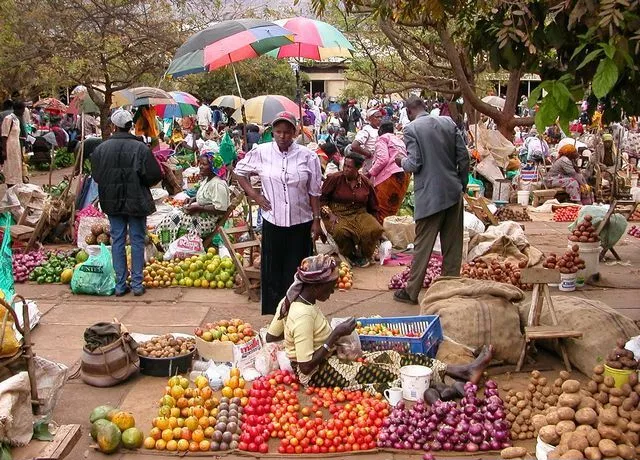
Covid-19: Nigeria’s Looming Hunger Crisis

2

It is no surprise that farmers, meat producers, and other players in the agricultural space can neither find buyers nor procure inputs for production amid the pandemic. This phenomenon can be easily traced to the lockdown and uncoordinated nature of the industry’s supply chain.

I was on a call with my dad the other day, he is a trained veterinary doctor and runs a fishery and piggery in Imo state. He lamented on how it has become difficult to get the feed the animals required and how if this lingers, he may be forced to euthanize a good number of them to reduce the burden of feeding and sell some others as prices have dropped.  

This phenomenon is currently playing out in the different segments of the industry, affecting the entire value chain. The restriction of movement has impeded farmers from farming, and food processors from processing without fear, as well as a potential shortage of farm inputs, which could affect food production.

Nigeria’s agricultural sector is made up of predominantly smallholder farmers (circa 80%) – they usually own small plots of land of less than a hectare, on which they grow one or two crops at micro and small levels. The sector contributes 25% to Nigeria’s Gross Domestic Product (GDP) and accounts for 48% of the labour force. The sector’s growth rate over the last 5 years averaged 4%. Crop production dominates the sector, accounting for 22.6% of GDP alongside livestock (1.7%), fisheries (0.5%) and forestry (0.3%).

In the last five years, government has devoted a lot of energy at deepening the industry, with an initiative like the Anchor Borrowers Programme (ABP), ban on the importation of some agro commodities and the shutting down of its land borders, all without addressing fundamental issues of mechanisation, irrigation, seeds, extension service, insurance, research and development, among others.

As the reality of the impact of COVID19 hit the economy, coupled with the crash in the price of crude oil, the Central Bank of Nigeria’s (CBN) Governor, Godwin Emiefele, in a recent report titled, “Turning The COVID-19 Tragedy Into An Opportunity For A New Nigeria”, said in line with the vision of President Muhammadu Buhari, the apex bank has created several lending programmes and provided hundreds of billions to smallholder farmers and industrial processors in several key agricultural produce.

The looming crisis:

Fall in Production: The lack of inputs for existing producers in various segments of the industry such as seedlings and fertilizers for the crop growers; cattle and poultry feeds or fingerlings for meat producers, among other inputs will greatly affect overall production. With a domestic production gap pre-COVID19, a further decline will lead to shortages and thereby causing a rise in price of the available produce. For a population that has experienced declining earning and purchasing power due to the pandemic, a rise in price will lead to more hardship and poor nutrition.

Increased Wastage: It may appear counterintuitive to say there will be a fall in production and then wastage. This isn’t far-fetched as the produce available cannot easily get to markets and store shelves due to the restrictions placed by the Federal and various state governments to curb the spread of the virus. The Nigeria agricultural value chain has an inter-dependent nature, where production can be done in one geopolitical zone, with the target markets being in another. This can be seen in the case of cattle and vegetables, which come predominantly from the Northern region to the rest of the nation.

With lack of access to the market, farmers will be forced to either sell-off their ready produce at give-away prices, donate the excesses to charity organizations or watch them spoil if they are perishable. 

Increased Unemployment: With the lack of inputs, fall in production and ultimate decline in revenue or its total obliteration, farmers and numerous players along the value chain will close down shop as business will struggle, leading to their employees being laid-off, with no alternate source of livelihood. Knowing this segment barely has enough to live by and having savings to fall back on is a luxury they don’t have; the threat of increased risk of depression and other health-related risks cannot be overemphasized. The ripple effect of job loss alone is enormous.

What needs to be done

The ravaging pandemic has offered Nigeria a unique opportunity to organize the agricultural supply chain. The food supply chain, which is the system that takes food from farm to fork through production, processing, distribution, and consumption, can be designed more efficiently and made robust. The development of such a highly effective supply chain is dependent on the level of cooperation and coordination between existing private players.

Other key solutions include:

  • The Expansion of the Essential Service List and Adequate Sensitization of Lockdown Enforcement Agencies: The current list of essential services as designated by His Excellency, President Buhari, includes food processing, distribution, and retail companies. It is equally important to include food production to the list. The sensitization of the various enforcement agency on the need to grant free passage to logistics companies carrying produce across states is key. I understand the risk of inter-state transmission of the and propose that the relevant health agencies work with the ministries of agriculture and transport,  to produce a common health-code that will guide the transportation and distribution of produce across the nation, to curb the spread of the virus and possible contamination of produce.  
  • Ecommerce Operations Expansion and Improved Partnerships with Experts:  Creating access to finance and a ready market are great advantages firms such as Thrive Agric, Farmcrowdy, PorkMoney and Kerekusk Rice, among others have brought. However, for us to effectively fill the gap, productivity needs to be emphasized, as Nigeria continues to suffer low levels of agricultural productivity due to infrastructural deficit and practice of obsolete farming methodologies across the country. “Data from the Food and Agricultural Organisation (FAO) shows that Nigeria has the least average yield per hectare of five selected crops, among its African peers like Ghana, Kenya, South Africa, and Ethiopia”. This boost in the face of the pandemic can be achieved through partnership with indigenous experts, such as IITA and PRODA Enugu, among others, for quality seedling and other inputs, supply of locally fabricated equipment as importation isn’t an option at this time, as well as adequate training of farmers.
  • State-Led Initiatives: It is time state governments stop playing second fiddle in the development of the nation. They have more power and influence than they choose to admit or care to utilize. I saw a report of an initiative by the Cross-River state government in producing and distributing rice seedlings initiative. This is being done, even as the threat of the pandemic spreads towards their state. State governments can also develop and implement targeted policies to encourage the small farm owners and other players to keep production level steady, through but not limited to special grants and input supply.
  • Establishment of Make-Shit Markets: Knowing that not all Nigerians are tech savvy or have a smartphone to order their needs online, it is important to consider the “off-grid” population.  I suggest a review of the lockdown order, to create better access to essentials in a safe environment by creating make-shift markets, under the supervision of the state for absolute compliance from all. This can be modelled to be neighbourhood-centric, to reduce over population and further spread of the virus.

Yes, the pandemic is deadly, so is hunger. We all- Government, Private sector and citizens- need to work together to weather this storm. Nigeria 

References
(NIPC), Nigerina Investment Promotion Commission, 2020. NIPC. [Online]
Available at: https://nipc.gov.ng/opportunities/agriculture/
BusinessDay, 2020. Businessday. [Online]
Available at: https://businessday.ng/agriculture/article/prospects-challenges-of-nigerias-agriculture-in-2020/
[Accessed 2020].
Eje, U., 2020. The Guardian. [Online]
Available at: https://guardian.ng/opinion/driving-sustainable-growth-in-nigerias-agricultural-sector-2/
[Accessed 20 April 2020].
Okojie, J., 2019. BusinessDay. [Online]
Available at: https://businessday.ng/agriculture/article/nigerias-agriculture-59-years/
The Nation, 2020. The Nation. [Online]
Available at: https://thenationonlineng.net/COVID-19-need-to-avert-the-imminent-food-crisis/
[Accessed April 2020].