DD
MM
YYYY

PAGES

DD
MM
YYYY

spot_img

PAGES

Home Blog Page 6385

Layer3 Provides NCDC With Free Bandwidth Upgrade to Support Fight Against COVID-19

0

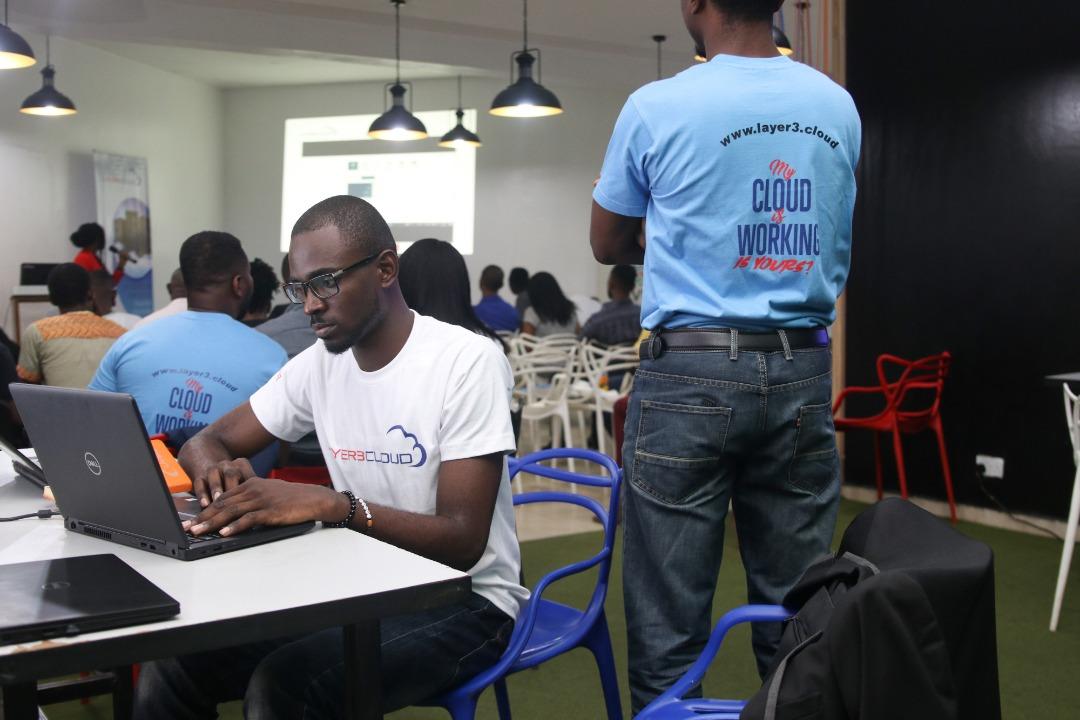
Layer3 has upgraded the internet bandwidth to the headquarters of the Nigeria Center for Disease Control (NCDC). It says the move is aimed at raising the agency’s communication and response capacities, as it battles the current corona virus pandemic.

The upgrade, which involved doubling the internet bandwidth to the agency, has been provided free of charge. According to Oyaje Idoko, the Chief Executive Officer, “the cost-free service is part of its contribution to the ongoing fight against COVID-19 in the country.

While it has functioned with its initial internet bandwidth for a while, the rise in cases of seasonal and novel viral infections has caused a spike in the traffic going to its websites and communication channels.

The NCDC is leading the medical response to the pandemic in Nigeria. It had to scale up its communications with its team across Nigeria, and with the country’s wider population, as public concerns over diseases, such as Lassa fever, have grown. This has been followed by an even greater demand for information from the public, occasioned by the COVID-19 pandemic.

The doubling of its bandwidth capacity by Layer3 will ensure that the quality of internet-based communication between it and the public remains in place and is not depreciated by the increasing volumes of traffic coming into its headquarters. Crucially, it will allow more Nigerians to reach the agency via its digital channels and obtain potentially life-saving information.

Responding to the gesture by Layer3, the Director-General of the NCDC, Dr. Chikwe Ihekewazu, said “This support will help to enhance our use of technology in the ongoing response to COVID-19 and Lassa fever outbreak in Nigeria. Importantly, it will ensure the timely exchange of information.”

The NCDC provides daily updates on its efforts to combat the coronavirus in Nigeria. These updates are available on its website, ww.covid19.ncdc.gov.ng, as well as its social media pages.

Economy, Finance, Business News Headlines & Insights: 16th April 2020

0
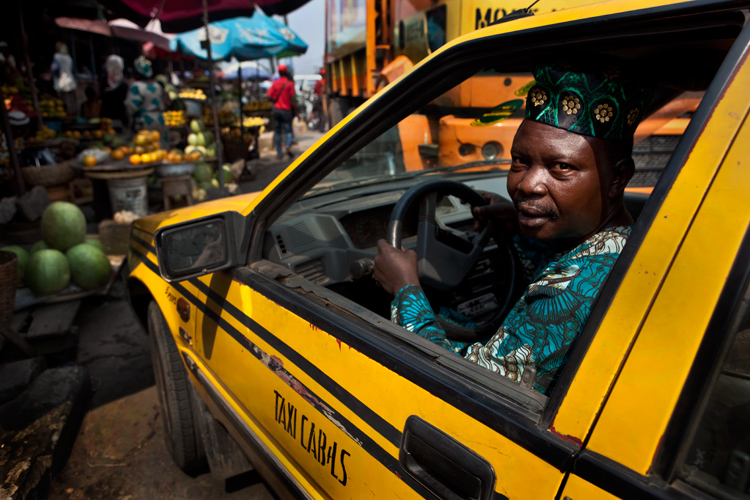
Lagos Yellow Cab

Oil Market Update: Despite the crude oil production cut agreement, Saudi continues to give competitors below the belt punches to gain market share…

According to tanker-tracking data compiled by Bloomberg, Saudi Arabia currently exports 9.3 million barrels of crude oil per day. Going forward, State-owned oil company – Saudi Aramco has pledged to increase output to 12.3 million barrels a day. Clearly, Saudi is bent on flooding the market with its oil before production cut deadline starts to count in May, and they are willing to sell it to Refiners on terms their competitors cannot match.

If they are bent on flooding the market, Refiners and Buyers can only take as much in the face of crippling demand. Guess what? Saudi is willing to give their oil out at the most ridiculous discounts, as high as $7.30. Again, a Refiner can only take as much as their liquidity can handle, Saudi isn’t going to be held back by I don’t have money, they are willing to offer their Buyers deferred payment options for as long as 90 days. This is a below the belt punch that oil-producing countries like Nigeria cannot handle.

In Nigeria, oil accounts for about 90% of FX earnings, as far as the dollar is concerned oil is everything to us. In the last 24 hours, the price of Nigeria’s Bonny light has dropped by over 12.8%, Imagine a scenario where we can’t afford to sell at ridiculously low prices and we cannot afford to offer discounts. What of deferred payments? The last time we checked, Nigeria needed credit.

If you followed our market report yesterday, on why the equities market is on a bullish run (kindly check your mail), and you add the updates above to it, you can guess what’s coming next.


Stock Market Update:

Your guess is as good as ours, Nigeria’s equity market is off to an early gain, currently up by 0.27%. We expect the activities of profit-takers to break the bullish run at some point, then stability will come in, but free fall may not be a possibility in the coming days.

FTSE (UK) – up by 0.26%, DAX (Germany) – up by 0.91%, CAC 40 (France) – up by 0.68% and Nikkei 25 (Japan) – down by 1.33%.

Click on the link https://bit.ly/2XrvIf9 to open a stockbroking/share purchase account and trade within 24 hours.


Money Market Update:

At the conclusion of T-Bills Primary Market Auction (“PMA”) yesterday, 15th April 2020, yields hit a new year low of 1.93%, 2.74% and 4.00% for 91-day, 182-day and 364-day tenors respectively.

Across tenors, the average return on T-bills is now 2.89%, if you take inflation into consideration, every kobo you invest in T-Bills will come back with a negative yield of -8.30%. That’s a No! No!. You need more than 1.93%, 2.74%, 4.00% or the average of 2.89% to grow your wealth, and we are willing to give more.

Our money market fund is still open and yield is currently over 11.5%, reach out to our team to grow your cash. We are digital, we are working from home, we are online and we are active. You can also do deposits with us at a starting rate of 10%.


See below for news headlines.

Headlines:

CORONAVIRUS (COVID-19) HIGHLIGHTS

On the 15th of April 2020, 34 new confirmed cases of COVID-19 were recorded in Nigeria. Till date, 407 cases have been confirmed, 128 cases have been discharged and twelve deaths have been recorded in Nigeria. The 34 new cases are reported from five states- Lagos (18), Kano (12), Katsina (2), Niger (1), Delta (1). Read more

Oil firms’ N4.58tn loan repayment under threat – Investigation

The coronavirus-induced sharp fall in global oil prices poses a threat to the ability of oil and gas companies in the country to repay a total loan of N4.58tn, investigation has shown. The loans advanced to oil and gas companies by Nigerian banks rose to N4.58tn in the fourth quarter of 2019 from N4.55tn in Q3, according to the National Bureau of Statistics. Read more

FG pays N200bn to offset Gencos’ gas bill

The Federal Government has in the past two to three days paid over N200bn for power supply in Nigeria, the Group Managing Director, Nigerian National Petroleum Corporation, Mele Kyari, declared on Wednesday. Also, the Association of Nigerian Electricity Distributors, the umbrella body for Discos, has said the proposed two-month free electricity for customers announced by power distribution companies recently will cost a total of about N120bn. Read more

Oil edges higher after hitting 18-year lows but demand outlook weighs

Oil edged higher on Thursday following sharp losses in the previous session on hopes that a big build-up in U.S. inventories may mean producers have little option but to deepen output cuts as the coronavirus pandemic ravages demand. Brent crude LCOc1 was up 36 cents, or 1.3%, at $28.05 a barrel by 0502 GMT. U.S. West Texas Intermediate (WTI) was up 10 cents, or 0.5%, at $19.97. Read more

Stocks slide and dollar rally runs as economic realities bite

Asia’s stock markets retreated from their highest levels for a month and the dollar extended gains on Thursday as the damage the coronavirus has wrought on the world economy soured appetite for risk. Data showed U.S. retail sales fell the most on record last month and manufacturing output fell by the most in 74 years, raising fears of a deep recession. Another sky-high figure is expected when U.S. weekly jobless claims land later in the day. Read more

Latest on the spread of the coronavirus around the world

Reported cases of the coronavirus crossed 2.05 million globally and more than 136,600 people have died, according to a Reuters tally as of 0200 GMT on Thursday. Read more

Tesla shares jump on Goldman Sachs ‘buy’ rating

Tesla’s shares jumped more than 5 percent Wednesday morning before losing some ground in the afternoon, up 3.3 percent to $733.49, after analyst Mark Delaney gave the automaker’s stock a $864 price target, citing its head start on the competition in the EV market. Read more

Brent Oil Plunges as Saudis Offer Credit to Refiners, Deep Discounts to Asia

Ordinarily, Wednesday is EIA day and WTI should have tumbled on the latest huge build in U.S. crude stockpiles. But it was Brent that took the bigger hit as Saudi Arabia offered generous credit terms to refineries that bought its oil and deep discounts to its Asian customers. West Texas Intermediate, the New York-traded benchmark for U.S. crude, settled beneath the key $20-per-barrel support, closing down 24 cents, or 1.1%, at $19.87. Read more


Corporate Disclosures:


FCMB Group Plc – Notice of change of AGM Venue

In view of the Covid-19 pandemic and the federal government restriction on public gatherings, the 7th Annual General Meeting of FCMB Plc scheduled to hold at the shell Hall Muson Center, Onikan Lagos will now hold at the registered address of the company, First City Plaza, 44 Marina, Lagos. Read more

Wapic Insurance Plc – Notice of Board Meeting and Closed Period for Q1 2020 Accounts

Wapic Insurance wishes to inform the Nigerian Stock Exchange and the Investing Public that a meeting of the Board of Directors of Wapic Insurance Plc (“The Company”) has been scheduled to hold virtually on Monday, the 27th day of April, 2020 to amongst other things review the Company’s performance for the first quarter of the 2020 Financial Year as well as consider and approve the Q1, 2020 Unaudited Financial Statement of the Company. Read more

Sterling Bank Plc – Notice Annual General Meeting

NOTICE IS HEREBY GIVEN that the 58th Annual General Meeting of Sterling Bank Plc will be held at the MUSON Centre, Onikan, Lagos, on Wednesday, the 20th day of May, 2020 at 10.00 a.m to transact the following business read more

SFS Real Investment Trust – Unaudited FIRS Results for the Period ended 31 March 2020

See details here

SFS Real Estate Investment Trust – Key Performance Metrics for the Month Ended 31 March 2020

See details here

The New iPhone SE

2

“Today we introduced iPhone SE, our most affordable iPhone. Its compact design and powerful performance feature the best single-camera system ever in an iPhone. Another fantastic option in our lineup to help you stay connected, informed and entertained,” said Tim Cook

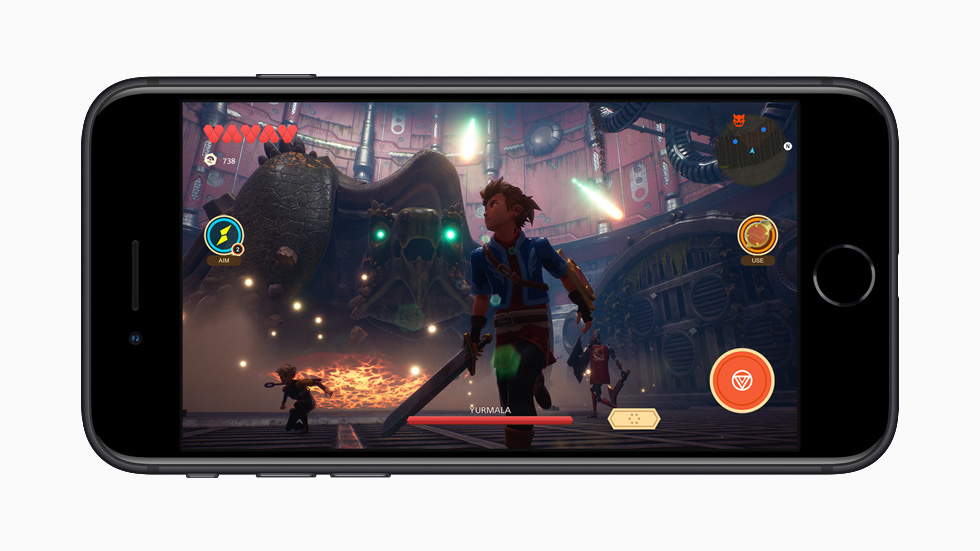
With the above words, Apple CEO Tim Cook unveiled the new iPhone SE, a powerful new iPhone featuring a 4.7-inch Retina HD display, paired with Touch ID for industry-leading security. iPhone SE comes in a compact design, reinvented from the inside out, and is the most affordable iPhone.

According to Apple News Room, the new iPhone SE is powered by the Apple-designed A13 Bionic, the fastest chip in a smartphone, to handle the most demanding tasks. iPhone SE also features the best single-camera system ever in an iPhone, which unlocks the benefits of computational photography including Portrait mode, and is designed to withstand the elements with dust and water resistance.

iPhone SE comes in three beautiful colors — black, white and (PRODUCT)RED — and will be available for pre-order beginning Friday, April 17, starting at just $399 (US).

“The first iPhone SE was a hit with many customers who loved its unique combination of small size, high-end performance and affordable price; the new second-generation iPhone SE builds on that great idea and improves on it in every way — including our best-ever single-camera system for great photos and videos — while still being very affordable.

“iPhone SE features the industry-leading performance of A13 Bionic that enables great battery life, takes stunning Portrait mode and Smart HDR photos, shoots amazing videos with stereo audio, is great for games and super-fast web surfing, and is built with the same industry-leading security features our customers expect. We can’t wait to get iPhone SE into customers’ hands,” said Phil Schiller, Apple’s senior vice president of Worldwide Marketing

The 4.7-inch Display

iPhone SE features an aerospace-grade aluminum and durable glass design with an all-black front, and is available in black, white and (PRODUCT)RED. The rear glass finish includes a centered Apple logo and is made using a seven-layer color process for precise hue and opacity, delivering rich depth of color with a color-matched aluminum band. It is water- and dust-resistant with an IP67 rating for water resistance up to 1 meter for 30 minutes.

The 4.7-inch Retina HD display with True Tone adjusts the white balance to match the ambient light for a more natural, paper-like viewing experience. The vibrant wide color gamut Retina HD display offers incredible color accuracy, and supports Dolby Vision and HDR10 playback. iPhone SE uses Haptic Touch for Quick Actions — such as animating Live Photos, previewing messages, rearranging apps and more — as well as contextual menus.

iPhone SE also features the familiar Home button designed with sapphire crystal to be durable and to protect the sensor, and a steel ring to detect a user’s fingerprint for Touch ID. Using Touch ID is an easy, private and secure alternative to entering a passcode to unlock iPhone, fill in passwords using iCloud Keychain, log in to apps, authorize App Store purchases, and make Apple Pay transactions.

Built with A13 Bionic — The Fastest Chip in a Smartphone

Introduced with iPhone 11 and iPhone 11 Pro, A13 Bionic is the fastest chip ever in a smartphone and provides unparalleled performance for every task iPhone SE handles. Perfect for photography, gaming and augmented reality experiences, A13 Bionic makes every action feel fluid.

A13 Bionic was built with a focus on machine learning, with a dedicated 8-core Neural Engine capable of 5 trillion operations per second, two Machine Learning Accelerators on the CPU and a new Machine Learning Controller to balance performance and efficiency. Together, A13 Bionic and iOS 13 enable new intelligent apps that make use of machine learning and Core ML.

Built for efficiency, the A13 Bionic also enables great battery life for iPhone SE. iPhone SE is wireless-charging capable with Qi-certified chargers and also supports fast-charging, giving customers up to 50 percent charge in just 30 minutes.2 Lightning-fast download speeds are available with Wi-Fi 6 and Gigabit-class LTE.3 Dual SIM with eSIM provides the flexibility for users to have two separate phone numbers on a single device while traveling abroad or for use as a business line.

New Camera Experience Powered by A13 Bionic

iPhone SE features the best single-camera system ever in an iPhone with a 12-megapixel f/1.8 aperture Wide camera, and uses the image signal processor and Neural Engine of A13 Bionic to unlock even more benefits of computational photography, including Portrait mode, all six Portrait Lighting effects and Depth Control.5 Using machine learning and monocular depth estimation, iPhone SE also takes stunning Portraits with the front camera.

Next-generation Smart HDR comes to iPhone SE, intelligently re-lighting recognized subjects in a frame for more natural-looking images with stunning highlights and shadow details.

Videos are even more immersive with stereo audio recording and cinematic video stabilization on the front and rear cameras. The rear camera supports high-quality video capture at 4K up to 60fps, and extended dynamic range comes to iPhone SE for more highlight details up to 30fps. Customers can also take advantage of QuickTake video on the front and rear cameras, allowing video recording without switching out of Photo mode.

With advanced Camera and Photo features in iOS 13, native editing is even more comprehensive and intuitive through powerful tools that were once available only for photo editing.

Remote Working Culture is the Future of Work, Coronavirus only came to Emphasize it – HR Boss, Chams Plc

8

The Head of Human Capital Development, Chams PLC, Ola John Oluremi, discusses the remote working culture, future of work and other human resources management issues in the light of the ongoing COVID 19 pandemic with Rasheed Adebiyi

Tell us about yourself

My Name is Ola John Oluremi (FCIA, MITD, MNIM, CPM, ACIPM).  I am currently the Head of Human Capital Development of Chams PLC, one of the leading ICT companies in Nigeria. I am a seasoned Administrator, an astute management expert, experienced Human Resources Professional and a Certified Trainer with over 15 years long standing experience in Manufacturing, FMCG, Agriculture, Management Consulting, Training and ICT industries of the economy. I hold a Bachelor’s degree in Guidance and Counselling, a Masters degree in Educational Psychology and about rounding up my Ph.D programme in Personnel Psychology from the University of Ibadan, Nigeria.

As a Human Resources Manager, what is your take on the remote working culture as dictated by the COVID 19 Pandemic? Has it been productive?

To start with, long before the outbreak of the COVID 19 pandemic, about five years ago, some of us in the field of Human Capital Development have really been advocating for the adoption of flex-working schedules and the promotion of remote working culture among some industries like ICT, Financial and Service sectors of the economy. Our position is based on the simple fact that promoting and adopting the culture of remote working in those sectors of the economy will enable their employees integrate life between work and their personal life, as well as achieve balance in both. It will also reduce commuting time, traf?c frustrations or stress and for parents, it will reduce child care costs as hours are minimized.To this end, my take on the adoption of remote working schedules especially during this COVID 19 Pandemic is a welcome development, as it will help to stop the quick spread of the deadly virus as people will be made to observe the principle of social distancing as they work from home.

Consequently, the adoption of remote working culture by organizations during this lockdown period of COVID 19 will be productive if the necessary remote working tools are readily made available to staff. Such tools include functional laptops, smart phones, data or internet connectivity, power supply, and a strong performance management tools to monitor and assess the progress performance of staff based on the set and agreed KPIs.  A 2016 study by a US staff monitoring company, Hubstaff, found that remote workers are more productive, log more hours, take less sick leave, perform better, and in general are more engaged at work.

What are the additional skills requirements imposed on employees by the remote working environment many companies are forced to comply with?

The additional competencies that will be highly needed in order for employees to be able to function effectively during and after this COVID 19 period and the remote working era include strong ICT skills, creativity, innovative, strategic and problem-solving skills amongst others.

Experts have predicted that there would be job losses after the war against the novel virus has been won. Do you subscribe to this? As a Human Resources Management person, what is your advice for current employees?

Yes, it is true that there would be some job losses as the surging number of Coronavirus cases across the globe would push most economies into recession as predicted by Kristalina Georgieva, Managing Director of the International Monetary Fund. (IMF). Currently, about 90% of organizations involved in the provision of non-essential goods and services have shut down their business operations as a drastic measure taken to limit the spread of the virus. The implication of this is that there will not be cash flow for those organizations to pay their employee salaries and as such, the affected organizations will be forced to restructure their operating business model by down-sizing their workforce.

Equally, as we know that employers of labour are now forced to adopt the principle of work at home through the use of ICT support system like Economic Resources Planning Software  (ERP, IPPIS), Machine- Learning (ML), Artificial intelligence (AI), Block-chain Technology (BT), Robotic Science tools (RS), Social media platforms (Facebook, WhatsApp, Instagram, ZOOM,etc) to enhance their operational excellence and increase their productivity level. The impact of these new trends is that some administrative, clerical and operational job holders will soon become redundant within a short period of time.

Consequently, my advice to employees is that they should prepare their minds for challenging times after COVID 19 pandemic might have gone. As employees that will function effectively in their respective jobs after COVID 19 are those that will be highly technologically savvy. To this end, employees must learn to brace up their skills set especially as it relates to ICT competencies so that they can become  active players in this new tech world.

Do job seekers and recent graduates have any hope of being employed post COVID 19 in the light of the frightening projection of massive job loss especially in the private sector?

Yes, smart and intelligent job seekers and graduates who may possess top skills and values employers seek from job-seekers will have a better chance of being employed after the COVID 19 period.These skills and values among others are listed below. So, job seekers should continue to warehouse skills such as computer literacy skills, problem-solving or creativity skills, analytical or research skills, strong communication skills, effective planning or organising skills, flexibility or adaptability skills as well as leadership or management skills. Apart from these skills, any job seekers who want to be relevant should also have multicultural awareness, strong moral values, dedication and be self motivated to work with little or no supervision. All of these combine with self-confidence and willingness to learn at all times would give a candidate an edge.

The Minister of Education recently directed educational institutions to go digital with teaching. Do you think this new culture of remote learning would assist the students with the much-needed skills for labour market?.

As a trained and certified educationist and as a professional human capital development expert with my working experience in the ICT sector of the Economy, I strongly believe that the directive of the Minister of Education is much in line with the current reality on ground.

Long before now, some academic institutions in the developed world have been running most of their courses on line and a lot of students from Africa have keyed into that method of acquiring knowledge and getting certificates to that effect. In a related development, some people have gotten their professional certifications through the online means of trainings and programme. Evidence abound that taking online courses and programmes are equally as effective as the face to face method of teaching.  We already have some online sites that offer academic and professional courses to interested candidates. Such online courses are offered by Udemy, Coursera, Alibaba Cloud Certification, Google Online Training  and so on.

It is pertinent to know that at present, most international and national conferences, trainings, seminars, workshops are being virtually organized online. This is in order to be in conformity with the theory of Social distancing. In the light of above, I strongly support the directive of the Minister of Education directing our educational institutions to go digital with their teaching.

It is said recently that young graduates these days look for jobs instead of careers. Could you shed more light on the difference between the two concepts?

Yes, from all indications, it seems that most young graduates these days look for jobs as against trying to build a long-lasting career. One of the reasons for this mindset among young graduates could be linked to the type of demographic generation they belong to. They are classified as the Millennials or Generation Y also known as Gen Y. Born between early 1980s and early 2000s, they are tech savvy, digital natives imbued with can-do attitude. They are diverse, entrepreneurial, multi-taskers, risk-takers global citizens. They are not fond of rigid working environment and are productivity-oriented. They are the most connected generation in history.

They are looking for a job that will help them to integrate life between work and their personal life, as well as achieve balance in both. They want a job that will provide flexible working hours for them which they believe will motivate them the most to accomplish their tasks at work. They want a job and a working environment that allows time for fun activities at work. Millennials are undoubtedly drawn to experimenting and trying new things. Consequently, this could explain the reason why they just want any job and do not want to stay long in any organization for the purpose of building their career.

The difference between a job and a career could be captured as follows. A job is something you do simply to earn money minimal impact on your future work life; a career is a series of connected employment opportunities which provides experience and learning to fuel your future. A job offers few networking opportunities, but a career is loaded with them.


The Governor’s Essay On Nigeria 3.0

0

Editor’s Note: This post was sent to us via APO, a newswire. We see three phases of Nigeria – before independence (Nigeria 1.0), from independence to Covid-19 (Nigeria 2.0), and the new order, post-covid-19 (Nigeria 3.0). The governor of the Central Bank of Nigeria , in this piece, explains that Nigeria 3.0, and what the government must do to save Nigeria from a future of pain and scarcity.

Turning COVID-19 tragedy into opportunity for New Nigeria

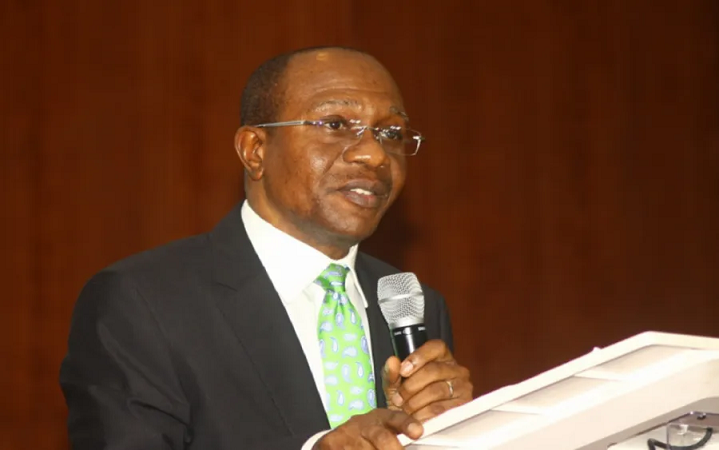
By Godwin I. Emefiele, Governor of the Central Bank of Nigeria

ABUJA, Nigeria, April 15, 2020/ — As many people are now aware, the outbreak of the Novel Coronavirus Disease (COVID-19) in China has rapidly permeated and profoundly changed the world. While this crisis is first and foremost a public health issue, which has claimed the lives of over 123,600 people worldwide, and counting, the economic damages are unprecedented on several fronts: crude oil prices have declined dramatically to as low as US$17 per barrel by the end of March, even before applying the discounts many oil exporters are offering; stock valuations for the NSE-ASI, Nikkei, Dow Jones and FTSE-100 have declined by an average of 23.8 percent between January and March 2020; global airlines have lost about US$252 billion in revenues and across the broad range of industries from hospitality to services, the pain is growing. These outcomes have expectedly thrown the global economy into a recession, the depth and duration of which is currently difficult to fathom. In fact, the International Monetary Fund (IMF) predicts that the global economy would decline by 3 percent this year.

Around the world, countries have moved away from multilateralism and responded by fighting for themselves with several measures to protect their own people and economies, regardless of the spillover effects on the rest of the world. According to the World Customs Organization, a total of 32 countries and territories, adopted stringent and immediate export restrictions (https://bit.ly/34EmqxW) on critical medical supplies and drugs that were specifically meant to respond to COVID-19. As of 10 April 2020, an updated count of total export restrictions by the Global Trade Alert Team (https://bit.ly/3bd9AJh) at the University of St. Gallen, Switzerland suggest a total of 102 restrictions by 75 countries (https://bit.ly/2V7sHih).

On 4 March 2020, Germany announced an export ban that applied to all sorts of medical protection gear including breathing masks, medical gloves and protective suits. Around the same time, President Macron announced that France will requisition all face masks produced in the country, a de facto export ban. Between 8 February 2020 and 6 April 2020, India released eight (8) different export notifications banning several drugs and medical supplies including hydroxychloroquine, ventilators, personal protections masks, oxygen therapy apparatus, and breathing devices. On 3 April 2020, the Trump Administration invoked the war-era US Defense Production Act to stop major US mask manufacturer, 3M, from export of respirator masks, N95, to Canada and Latin America.

Fears of a long global recession have also led to worries about unprecedented global food insecurity, with concerns that agricultural production may be dislocated by containment measures that constrain workers from planting, managing and harvesting critical crops. Rather than seek cooperative and global solutions, several countries have resorted to export restrictions of critical agricultural produce.

According to the International Food Policy Research Institute (IFPRI), about 37 countries have enacted various forms of food export restrictions in response to COVID-19, even in countries where average production exceeds domestic consumption.

For example, Viet Nam, the world’s third largest exporter of rice, suspended granting rice export certificates until the country “reviews domestic inventories”. Russia, the world’s largest wheat exporter, announced a ten-day ban on the export of buckwheat and rice due to concerns over panic buying in local supermarkets.

What if these restrictions become the new normal? What if the COVID-19 pandemic continues in a second wave or another pandemic occurs in which all borders are shut, and food imports are significantly restricted? What if we cannot seek medical care outside Nigeria and must rely on local hospitals and medical professionals? For how long shall we continue to rely on the world for anything and everything at every time?

Although these developments are troubling, they present a clear opportunity to re-echo a persistent message the CBN has been sending for a long time, and at this time even more urgently so: we must look inwards as a nation and guarantee food security, high quality and affordable healthcare, and cutting-edge education for our people.

For a country of over 200 million people, and projected to be about 450 million in a few decades, we can no longer ignore repeated warnings about the dangers that lie ahead if we do not begin to depend largely on what we produce locally, because the security and well-being of our nation is contingent on building a well-diversified and inclusive productive economy.

When I became Governor of the Central Bank in June 2014, imports of rice, fish, wheat and sugar alone consumed about N1.3 trillion worth of foreign exchange from the Bank. The immediate question that came to my mind was: can we not grow these ourselves? After all, only a few decades ago, Nigeria was one of the world’s largest producers and exporters of palm oil, cocoa and groundnuts.

Today, we import nearly 600,000 metric tonnes of palm oil, whilst Indonesia and Malaysia, two countries that were far behind us in this crop, now combine to export over 90 percent of global demand. In 2017, Indonesia earned US$12.6 billion from its oil and gas sector but US$18.4 billion in from palm oil. I believe that this pandemic and the immediate response of many of our trading partners suggest it is now more critical than ever that we take back control, not just control over our economy, but also of our destiny and our future.

In line with the vision of President Muhammadu Buhari, the CBN has indeed created several lending programmes and provided hundreds of billions to smallholder farmers and industrial processors in several key agricultural produce.

These policies are aimed at positioning Nigeria to become a self-sufficient food producer, creating millions of jobs, supplying key markets across the country and dampening the effects of exchange rate movements on local prices.

This philosophy has been a consistent theme of the CBN’s policies over the last couple of years. At the 2016 Annual Bankers’ Dinner, I challenged the bankers that we needed to take decisive actions to fundamentally transform the structure of our economy. Throughout that speech, I talked about the damaging effects of Nigeria’s unsustainable propensity to import, and opined that it was high time we looked inwards and stopped using hard-earned foreign exchange (FX) to import items that we could produce locally.

This determination, therefore, formed the bedrock of the Bank’s policy, which restricts access to FX for importers of many items. These sentiments were re-echoed at the 2017 edition of the same Bankers’ Dinner, with specific examples of several companies that have benefited significantly from this policy of self-sufficiency. With President Buhari’s full support, we have continued to refine this policy to ensure that the best interest of Nigeria is served.

Many times, the Bank has been accused of promoting protectionist policies. My answer has always been that leaders are first and foremost accountable to their own citizens. And if the vagaries of international trade threaten their wellbeing, leaders have to react by compelling some change in patterns of trade to the greater good of their citizens.

That is why in response to COVID-19, we are strengthening the Nigerian economy by providing a combined stimulus package of about N3.5 trillion in targeted measures to households, businesses, manufacturers and healthcare providers. These measures are deliberately designed to both support the Federal Government’s immediate fight against COVID-19, but also to build a more resilient, more self-reliant Nigerian economy.

We do not know what the world will look like after this pandemic. Countries may continue to look inwards and globalization as we know it today may be dead for a generation.

Therefore, as a nation, we cannot afford to continue relying on the world for our food, education and healthcare. The time has come to fully transform Nigeria into a modern, sophisticated and inclusive economy that is self-sufficient, rewards the hardworking, but protects the poor and vulnerable, and can compete internationally across a range of strategic sectors.

In order to achieve this goal, we must begin immediately to support the Federal Government to:

1) Build a base of high quality infrastructure, including reliable power, that can engender industrial activity;

2) Support both smallholder and large scale agriculture production in select staple and cash crops;

3) Create an ecosystem of factories, storages, and logistics companies that move raw materials to factories and finished goods to markets;

4) Use our fiscal priorities to create a robust educational system that enables critical thinking and creativity, which would better prepare our children for the world of tomorrow;

5) Develop a healthcare system that is trusted to keep all Nigerians healthy, irrespective of social class;

6) Facilitate access to cheap and long-term credit for SMEs and large corporates;

7) Develop and strengthen pro-poor policies that bring financial services and security to the poor and the vulnerable; and

8) Expedite the development of venture capitalists for nurturing new ideas and engendering Nigerian businesses to compete globally.

India is in a position to ban exports because it is producing critical drugs and medical supplies that the rest of the world needs. It also has companies that are global champions, and even making mergers and acquisitions in advanced nations. Why should this be out of our reach? We have the companies too; we have the manpower and some of the best brains in the world from the Americas to Europe and from Asia to Africa are Nigerians; driving global innovations in all fields. Nigerians are successful everywhere, and are already one of the most sought after immigrant groups in the United States.

But now is the time to seize this opportunity and create an environment that empowers our people to thrive within our own shores.

To this end, the Central Bank has developed a Policy Response Timeline to guide our crises management and the orderly reboot of the Nigerian economy.

Immediate-Term Policies (0-3 Months):

In light of the fact that this crisis is an exogenous one thrust upon us without much warning, this phase reflects the government’s efforts at containment and mitigation. Although global cases are heading towards two million with over 123, 600 deaths as of 14 April 2020, we now have 343 cases, of which 10 deaths and 91 recoveries have been recorded. With President Buhari’s continuing strong leadership, Nigeria can now test 1500 persons per day in twelve (12) Molecular Test Laboratories. We believe that this strong leadership in travel restrictions, lockdown, social distancing, and other measures have been greatly effective to curbing the spread of the disease. More so, the Presidential Task Force and Nigeria Centre for Disease Control (NCDC) have helped the country stay ahead of the curve with increased testing capacity, provision of better-equipped isolation centres, and effective contact tracing. Within this milieu, the CBN has responded in several ways, first by supporting hospitals and pharmaceutical industry with low interest loans to immediately deal with the public health crises; then by working with the private sector Coalition Against COVID (CACOVID) to support the Presidential Task Force across its response, while mobilizing palliatives for the poor and vulnerable. Under this Immediate-Term Response, we have activated the following: 1) Ensuring financial system stability by granting regulatory forbearance to banks to restructure terms of facilities in affected sectors; 2) Triggering banks and other financial institutions to roll-out business continuity processes to ensure that banking services are delivered in a safe social-distance regime for all customers and bankers; 3) Granting additional moratorium of 1 year on CBN intervention facilities; 4) Reducing interest rates on intervention facilities from 9 percent to 5 percent; 5) Creation of N50 billion targeted credit facility for affected households & SMEs; 6) Strengthening the Loan-Deposit Ratio (LDR) policy, which is encouraging significant extra lending from banks; 7) Improving FX supply to the CBN by directing all oil companies (international and domestic) and all related companies (oil service) to sell FX to CBN and no longer to the NNPC; 8) Providing additional N100b intervention in healthcare loans to pharmaceutical companies, healthcare practitioners intending to expand/build capacity; 9) providing N1 trillion in loans to boost local manufacturing and production across critical sectors; and 10) Engendering financial inclusion by ensuring the poor and vulnerable are able, by all means necessary, through banks, microfinance, community and non-bank financial institutions, to access financial services to meet their basic needs.

Short-Term Policy Priorities (0 – 12 months):

As soon as President Muhammadu Buhari and the Health authorities determine our Coronavirus Transmission Curve is flattening and many of the ongoing restrictions are eased, this will be the phase for repositioning the Nigerian economic space. As part of the lessons from the current pandemic, we must ensure that that our value-added sector, the manufacturing industry is strengthened. Accordingly, the CBN will pursue the following policies in this phase: 1) Reinvigorate our financial support for the manufacturing sector by expanding the intervention all through its value-chain. In most cases, we will ensure that primary products sourced locally provide essential raw material for the manufacturing sector except where they are only available overseas; 2) With the support of the Federal Government, the CBN will embark on a project to get banks and private equity firms to finance homegrown and sustainable healthcare services that will help to reverse medical tourism out of Nigeria. By offering long-term financing for the entire healthcare value-chain (including medicine, pharmaceuticals, and critical care), banks will work with healthcare providers to consolidate on the current efforts to rebuild our medical facilities in order to ensure Nigeria has world class affordable hospitals for the people of Nigeria and those wishing to visit Nigeria for treatment; 3) The CBN will promote the establishment of InfraCo PLC, a world class infrastructure development vehicle, wholly focused on Nigeria, with combined debt and equity take-off capital of N15 trillion, and managed by an independent infrastructure fund manager. This fund will be utilized to support the Federal Government in building the transport infrastructure required to move agriculture products to processors, raw materials to factories, and finished goods to markets, as envisaged at the CBN Going for Growth Roundtable in March 2020; and 4) Continue to prioritize the provision of FX for the importation of machinery and critical raw materials needed to drive a self-sufficient Nigerian economy.

Medium-Term Policy Priorities (0 -3 Years): 

Once the world returns to some new normal having tamed COVID-19 by a combination of vaccines and social distancing, and the Nigerian economy reopens fully for business, we will act quickly to enable faster recovery of the economy by targeted measures towards particular sectors that are able to support mass employment and wealth creation in the country. We will do so by focusing on four main areas, namely, light manufacturing, affordable housing, renewable energy, and cutting-edge research.

In manufacturing, for example, it is pertinent to note that Nigeria’s gross fixed capital formation is currently estimated at N24.55 trillion made up residential and non-residential properties, machinery and equipment, transport equipment, land improvement, research and development, and breeding stocks. Of this estimated value, machinery and equipment, which are the main inputs into economic production, are currently valued at only N2.61 trillion. In order to pursue a substantial economic renewal, including replacement of at least 25 percent of the existing machinery and equipment for enhanced local production, we estimate at least N662 billion worth of investments to acquire hi-tech machinery and equipment. Therefore, the CBN will consider an initial intervention of N500 billion over the medium term, specifically targeted at manufacturing firms to procure state-of-the-art machinery and equipment and automated manufacturing models that would fast-track local production and economic rejuvenation, as well as support increased patronage of locally processed products such as cement, steel, iron rods, and doors, amongst several other products. The recent private sector investments in cement production using enhanced technology and automated manufacturing models is a good example of the kind of economic renewal we will be pursuing in this phase. We will develop a thorough screening process and stringent criteria for equipment types that would qualify for funding under this phase.

In order to boost job creation, household incomes and economic growth, we will be focusing our attention to bridging the housing deficit in the country, by facilitating government intervention in three critical areas: housing development, mortgage finance, and institutional capacity.

We will pursue the creation of a fund that will target housing construction for developers that provide evidence of profiled off-takers with financial capacity to repay. The current identification framework in the banking sector using the bank verification number (BVN) will be used to verify the information provided by the off-takers before the developer can access the funds. We will also be considering ways to assist the Mortgage Finance Sub-sector as well as build capacity at the State levels for their land administration agencies to process and issue land titles promptly, implement investment friendly foreclosure laws and reduce the cost of land documentation, as this has remained a major inhibiting factor in the provision of affordable housing in the country.

Over the next 3 years, we will also support the financing of environmentally friendly energy production, as this has a tangential long-term health benefits. We will look at efforts to drive innovation and research in every sector, through our universities, research institutions, creative industry initiatives, and all other media of novelty and inventions.

In conclusion, I believe we must now envision and work toward a Nigeria with the cutting edge medical facilities to provide world class care to the sick and vulnerable; enable our universities and research institutions to provide the requisite education and training that is required to keep these ecosystems functioning sustainably and efficiently; and millions of Nigerians employed in meaningful and well-paying jobs. This is the Nigeria that we must aspire to build.

COVID-19 may have plunged us into a crisis of unprecedented proportions. But, as Winston Churchill once admonished, we must never let a crisis go to waste.

– Godwin I. Emefiele, CON is Governor of the Central Bank of Nigeria