Should you open that business in Nigeria when the government has said NO? Can your employees sue you in the court if they contract coronavirus while working because you have not followed government-sanctioned protocols? What is the tort law saying here, in Nigeria, and what can trial lawyers do? Tort law determines whether an entity should be held legally accountable for an injury against another entity. If you disobey government directions and open, exposing workers and employees to risks, you are playing with fire! Follow the politicians because they speak with executive orders – and those are secondary regulations!
Academic disputation continues as to whether Nigerian courts are bound to apply English decisions subsequent to 1900. From a practical point of view, however, such decisions are treated as authorities which ought to be followed unless there is strong reason to the contrary. In the area of tort, only when the question of damages has arisen have judges in Nigeria shown conspicuous signs of independence. For practical purposes, therefore, one may treat the Nigerian law of tort as being identical with that of England except where the latter has been modified by statute. The tort of negligence has, of course, been little affected by legislation in England. The most important legislative change, relating to apportionment of damages in contributory negligence cases, has been adopted in all parts of Nigeria. In the Northern States, however, the doctrine of common employment is still in force, and only Lagos has legislation based on the Occupiers’ Liability Act, 1957.
Today, I shared this with a client in Kano who plans to open his company, as football fields are becoming active again, despite the official lockdown Yes, many people do not care. Check the latest data, Kano indices are rising. Do not get your business into that trap, as one trial lawyer can mess you up!
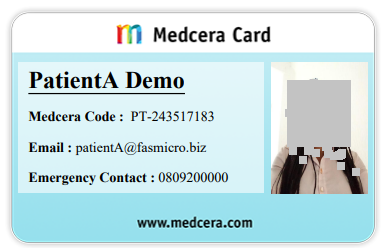
After raising new funds, Medcera, my co-founded healthtech has now WAIVED all fees, including training and some data migrations, to clinics, NGOs, hospitals and institutions on the use of our technology, as Africa battles Covid-19. Medcera is a cloud-based electronic health record platform with a powerful practice management system and patient engagement features. It is engineered to serve clinics, lab centers, pharmacies, and more. Intuitive and easy to use, Medcera assists doctors to improve patient outcomes, and supports patients to engage more efficiently with doctors, and facilitates integration with other health stakeholders such as labs, eye centers, pharmacies.
Medcera provides a connected ecosystem that brings together Doctors, Patients and Healthcare Partners making it possible to deliver top-grade patient outcomes. Doctors have the tools they need. Patients are provided with support they deserve. Policymakers, drug makers etc get insights to engineer tomorrow’s miracles through analytics. Pharmacies, labs, imaging centers etc are systemically integrated into the health system to reduce cost and improve quality.
Medcera is simple, instinctive and interoperable so you can focus more on what you do best – health. It’s integrated and engineered for more productivity, enhanced patient outcomes and better insights on the state of population-health.
One Man. One Woman. One Medical Record.
We provide the possibility of maintaining one version of health record for a patient irrespective of the number of doctors, clinics, labs, imaging centers, etc involved. And this is unconstrained by location. Provided the patient and the providers are on Medcera, the patient’s medical record will be current as he/she moves across Africa, from clinic to clinic. The patient is completely in charge: he/she can revoke access to a provider at any time. And no one can see a patient data unless he/she shares the Medcera Code.
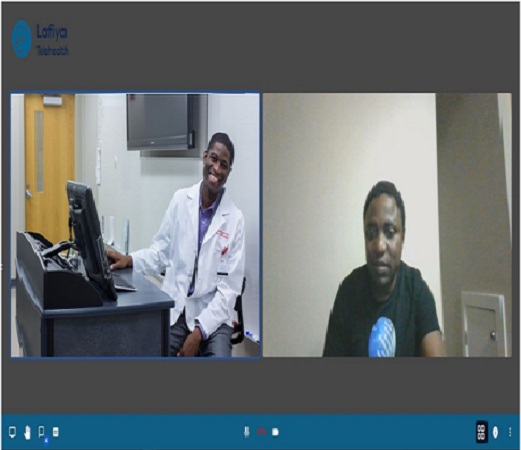
Lafiya Telehealth an all-in-one modular device and telehealth platform for on-demand, remote medical examinations, plan to support healthcare organizations in Nigeria and Africa in the fight against COVID-19.
The company is calling for Govt, Businesses, HMO, Hospital, Businesses, NGO and Individual to partner in Nigeria and other African to expand their use of Lafiya’s telehealth solution to remotely examine and diagnose quarantined patients and isolated patients at home, providing health professionals the clinical data required to make informed treatment decisions from a safe distance and minimizing physical contact to help stem the spread of COVID-19.
With telemedicine’s potential during this global pandemic, telehealth services are in high demand. Public health officials are urging patients to stay out of emergency rooms and clinics, and hospitals and health organizations are being encouraged to leverage telemedicine technologies and self-assessment tools to provide remote care for patients with non-urgent matters.
Using Lafiya Telehealth to remotely examine quarantined patients in hospitals and isolated patients at home, healthcare providers are able to avoid exposure and the “worried well” are able to receive care without entering medical facilities, preventing the spread of the virus and significantly reducing the increased burden on already overworked health organizations. Both new and existing health organization and hospital partnering the with Lafiya Telehealth to quickly increase their preparation and prevention efforts in the face of the COVID-19 pandemic.
“The fight against the COVID-19 pandemic is strengthening each day and as the virus continues to spread, we are focusing our efforts where we can make the most impact – easing the burden on healthcare providers serving quarantined and isolated patients,” said John Enoh, Lafiya Telehealth CEO and Founder. “Lafiya Telehealth is uniquely suited to provide the remote exam and diagnostic capabilities required to aid affected populations at scale, fully realizing telehealth’s potential during this crisis. It’s my hope that this pandemic passes quickly and that we can help flatten the curve.”
Lafiya Telehealth is the only remote, comprehensive physical examination solution with diagnostic capabilities enabling users to perform remote medical examinations, including lung and heart exams and temperature, which are key for monitoring COVID-19. The high-quality clinical data captured is reviewed remotely by a health professional, enabling them to monitor, diagnose and treat patients quarantined in hospitals and at home, fully replicating an in-person visit. The solution is being deployed quickly and at scale for hospitals and health organizations, with training for medical staff and implementation occurring in a day.
Lafiya’s telehealth solutions to remotely examine and diagnose quarantined and isolated patients. The company’s handheld devices that examine the heart, lungs, skin, ears, throat and abdomen, as well as measure body temperature, provide health professionals with the clinical data required to make informed treatment decisions while minimizing physical contact.
“Lafiya’s telehealth is uniquely suited to provide the remote exam and diagnostic capabilities required to aid affected populations at scale, fully realizing telehealth’s potential during this crisis. It’s my hope that this pandemic passes quickly and that we can help flatten the curve,” he added.
The device allows users to perform comprehensive medical exams and send the information to a primary care provider. The device, at ? 180,000, was recently made available to purchase at over https://store.lafiya.app/shop/ across Nigeria. It’s also available online.
Abia state abandoned a tertiary institution when the teachers went on strike. That school – Abia State College of Education – has collapsed, and the teachers and students are gone, 100%. It is possible that our state and federal governments in Nigeria could begin abandoning schools in coming months – and some will struggle. Largely, state and federal governments will ask university vice chancellors to generate a big portion of their operating budgets. If that happens, the ceiling on school fees will begin to fade.
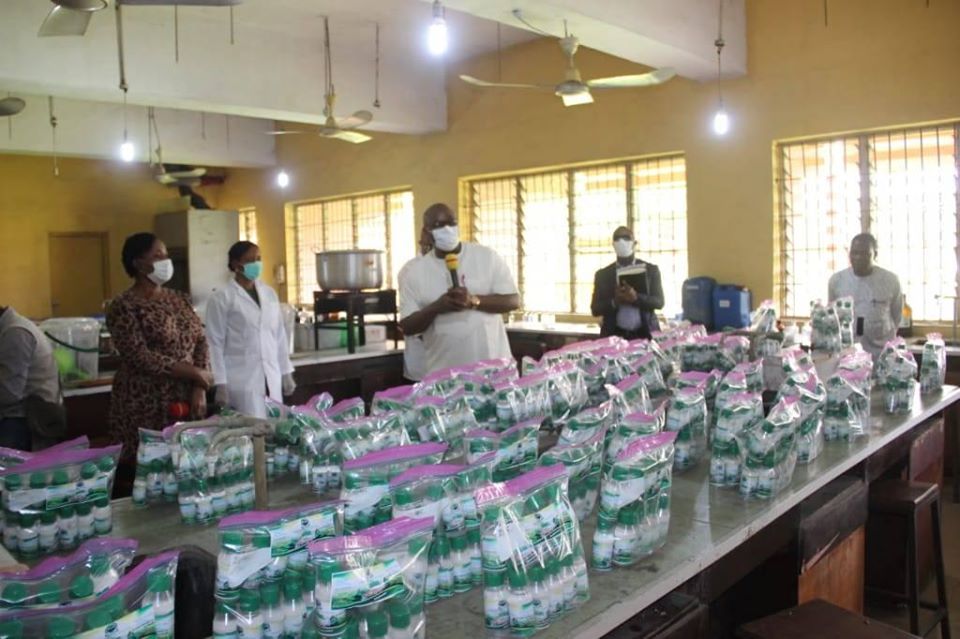
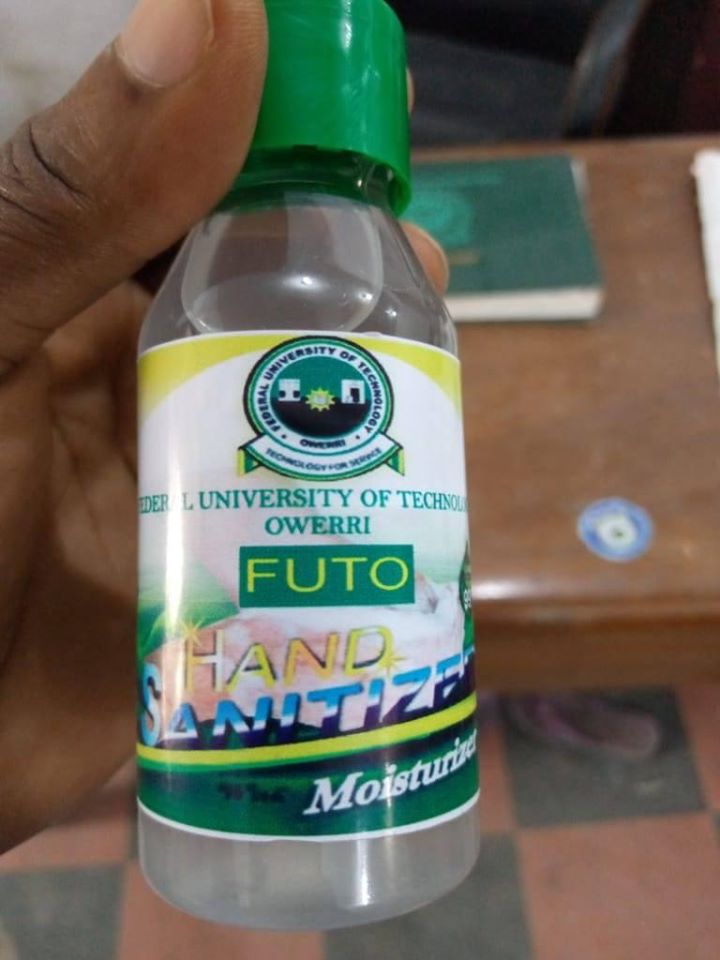
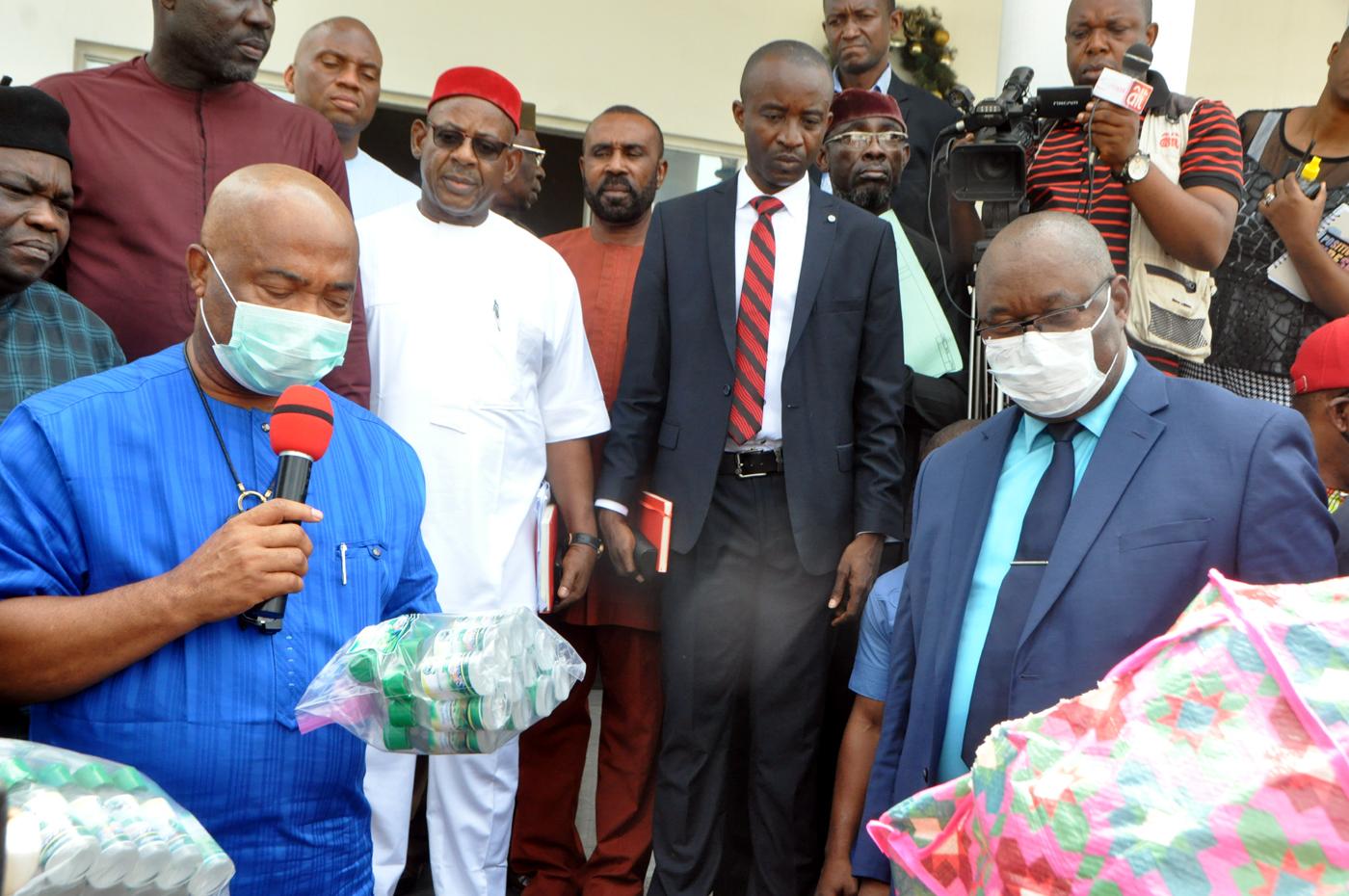
This is when agitation for autonomy will take shape. My alma mater, FUTO, did something last week – it began mass producing and shipping hand sanitizers to manage coronavirus. Certainly, making hand sanitizers by a federal technical university is not a big deal. What is big there is that the university has used that to support its host communities. It recently donated hand sanitizers to Imo state government, hospitals, etc, reducing the burden on the federal government. The government will need that type of experiment from our schools.
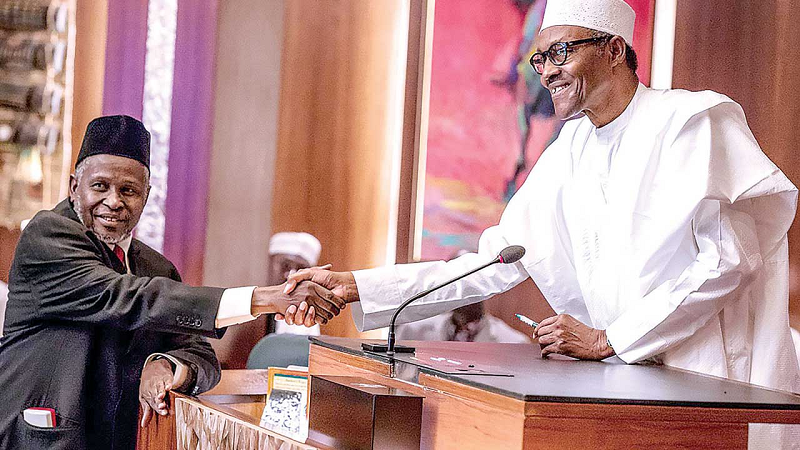
How can our schools create IPs to generate revenue? That conversation will become critical in coming months in Nigeria. FUTO’s transition from lab to market is the ultimate experiment. And I am sure Mr. President in Abuja would like to see more from our schools.
Begin your cybersecurity training & education journey with Facyber. Enroll today for Certificate and Diploma courses. We offer the following:
Certificate in Cybersecurity Policy (CCYP).
Certificate in Cybersecurity Technology (CCYT).
Certificate in Cybersecurity Management (CCYM).
Certificate in Cybersecurity Intelligence & Digital Forensics (CCDF).
Diploma in Cybersecurity Policy (DCYP).
Diploma in Cybersecurity Technology (DCYT).
Diploma in Cybersecurity Management (DCYM).
Diploma in Cybersecurity Intelligence & Digital Forensics (DCDF).
We are giving a 20% discount till April 30, 2020. Begin here today