DD
MM
YYYY

PAGES

DD
MM
YYYY

spot_img

PAGES

Home Blog Page 6397

Seeking Guest Lecturers for Tekedia Mini-MBA Program

2

We are looking for Guest Lecturers for the second edition of Tekedia Mini-MBA. A lecturer coordinates a weekly session with me for our program (click here for open areas on the curriculum table). If you are interested to be considered, send your LinkedIn page to tekedia@fasmicro.com.

The theme of this program is “Innovation, Growth & Digital Execution – Techniques for Building Category-King Companies”, and our focus is  taking participants into practical excursions on the mechanics of market systems and business growth across market segments and sectors. This is what a typical week looks like (besides other components like webinars I will host)

  • Discovery Material:
    • Lecture material, including two Flash Cases (one foreign and one African)
    • Make a powerpoint and video record your computer screen with your voice explaining the slides (we will give you access to an online video tool to use).
  • Discovery Challenge: These challenges are not graded. These are designed like assignments.
    • Sample Challenge: You have read the Framework for Building Modern Digital Companies (attached). A critical component of the framework is that growth serves as the high priest on the altar of business success. Growth solves most problems and the only solution to lack of growth is to make growth happen. Focusing on the fundamental premise that sustainable growth happens when companies build products and services  customers love (not just spending on big media push), develop a product or service roadmap for your company, encapsulating all core pillars in the framework. Think how you can stimulate new demand nexus through customer perception, to pioneer, and dominate the product category.

Join us or help share this to help us get to people that can help on this community service. We bring a mix of professors and business professionals for balance.

https://www.tekedia.com/mini-mba-2/

Enjoy Access To Text/Audio “Africa’s Sankofa Innovation”

0

Dear Member,

I am happy to share that all first edition participants of Tekedia Mini-MBA have been given access to Text and Audio of  “Africa’s Sankofa Innovation” by Prof Ndubuisi Ekekwe. As we move deeper in our program, we want you to read this book as you condense everything we have learnt together.

To access the text and audio, visit this page (ensure you are logged in) and enjoy – https://www.tekedia.com/my-book/

Team Tekedia

Covid-19 Pandemic – Where This Is Taking Us

0

Covid-19, is this a blessing in disguise?  

First of all, I’m not a writer, I’m a financial analyst. I process information, think, and then relay it the best way possible.

We all know the coronavirus pandemic is going to affect our economy, but the real question is, how and where exactly would it hurt?

Unfortunately, the victim in this story is the service industry. Here’s why…

The service industry comprises the finance, investment industry, supply chain, entertainment, media, transport, sport, and insurance. These industries hold essential parts of the global economy, for example, consumer spending accounts for 70% of US GDP. 

How would this affect us as individuals?

This will be explained in two (2) possible scenarios,

First scenario identifies an economic impact that leads to a slight recession affecting only Q2 and Q3 2020, with economic recovery seen in Q4 2020. We expect to see a few layoffs and corporate bankruptcies’. 

The second scenario explains a period of prolonged contraction where economic crisis spreads throughout the year resulting in a financial crisis close to or even more severe than the financial crisis of 2008-09. This will lead to a significant distress in the world financial system and fall in global GDP. There will be a lot of layoffs resulting in a steep increase in unemployment, high corporate bankruptcies, and increase in poverty level.

Is there a good side to this pandemic?

Telehealth-5Gs lightning-fast speed near-instantaneous communication empowers physicians to treat, diagnose, and operate on patients without being physically close to them. Example, Telecoms ZTE designed a 5G-powered system that enables remote consultation and diagnosis to help during Coronavirus pandemic.

Teleconferencing – every employer can now see the need for remote working using platforms like google hangouts, zoom and so on. There’s a need for 5G connection at offices and homes to provide real-time and uninterrupted communication. 

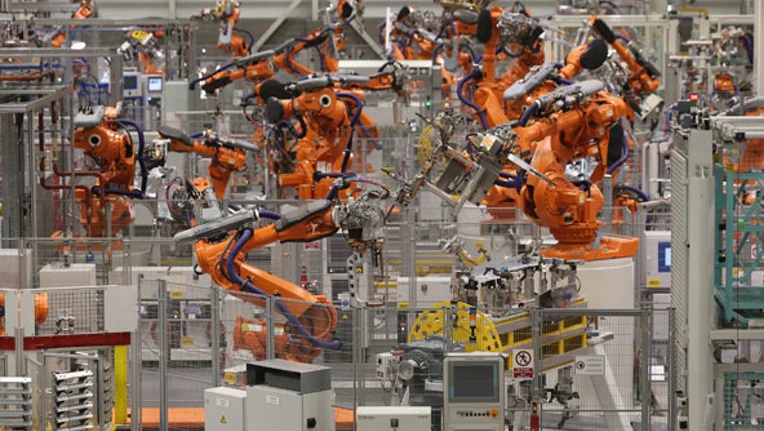
Autonomous economy – autonomous economies are likely to be supported by an amalgamation of what we consider today to be disruptive platforms that, among other inputs, leverage AI. These platforms use deep and broad connectivity and continuous observation and adaptability capabilities. 

The world is moving on to a seamless connectivity and autonomous economy, and the sooner we realize that the better for us all.

Example, South Shore hospital in Nigeria piloted tele-medicine for consultation in order to reduce human contact.

Bar-llan University began the use of autonomous minibuses to transport patients, medical supplies, food and clothing to isolated hospitals in Israel.

How do you prepare yourself financially?

  • For investors – if you have any investment, it’s probably looking very ugly right now or you have lost it all. Don’t obsess over it. If it’s ugly, don’t panic by selling off your holdings, you are locking in the losses, which means you won’t benefit from an eventual recovery. If you have been wiped out, recall in the 2008 financial crisis, it took only a couple years for the market to recover. So get ready to jump in and recover from the new opportunities the market brings.
  • Build up emergency funds – common finance sense says you should have up to 6 months’ worth of expenses in your bank account. So if you are a little short on that, now is the time to start building up one as the peak of the pandemic is not yet known.
  • Rebuild your resume – with decrease in demand, businesses are not going to be able to keep their entire staff on payroll. With that in mind, now is the time to improve your resume with extra skills and qualifications that will be useful for the post pandemic economy. You can also start looking for job opportunities, start connecting with people who might be able to aid your job search.
  • Reach out to lenders – most people will already have their income drop as a result of the pandemic and might be hard to feed, pay rent or mortgages. Since most people will be affected, lenders may be willing to give out aids which will help you keep your family afloat.
  • Look for ways to earn extra cash – everyone has something they can do to earn extra cash during situations like this, if you don’t, this will be a perfect time to learn new skills as a lot of people will need a lot of work done virtually, with higher focus on optimal cost implication. E.g. selling items, providing services, etc. this will help you keep your cash flow in this period.
  • Insurance coverage – do you currently have any insurance coverage, check to see if you are not paying too much premium considering the current economic situation, if you are, find a way to negotiate lower premium prices to control/reduce your expenses. 


Nigeria’s Fuel Subsidy Removal – One Step Forward, Two Steps Backward

0

Nigeria’s well documented issues with oil and gas epitomizes the African proverb that ‘’Procrastination are the graves upon which opportunities are based. Considering the fact that oil discovery, exploration and trade has been in existence since the 1950, it would not be wrong to state that Nigeria had been digging mass graves all the while. 

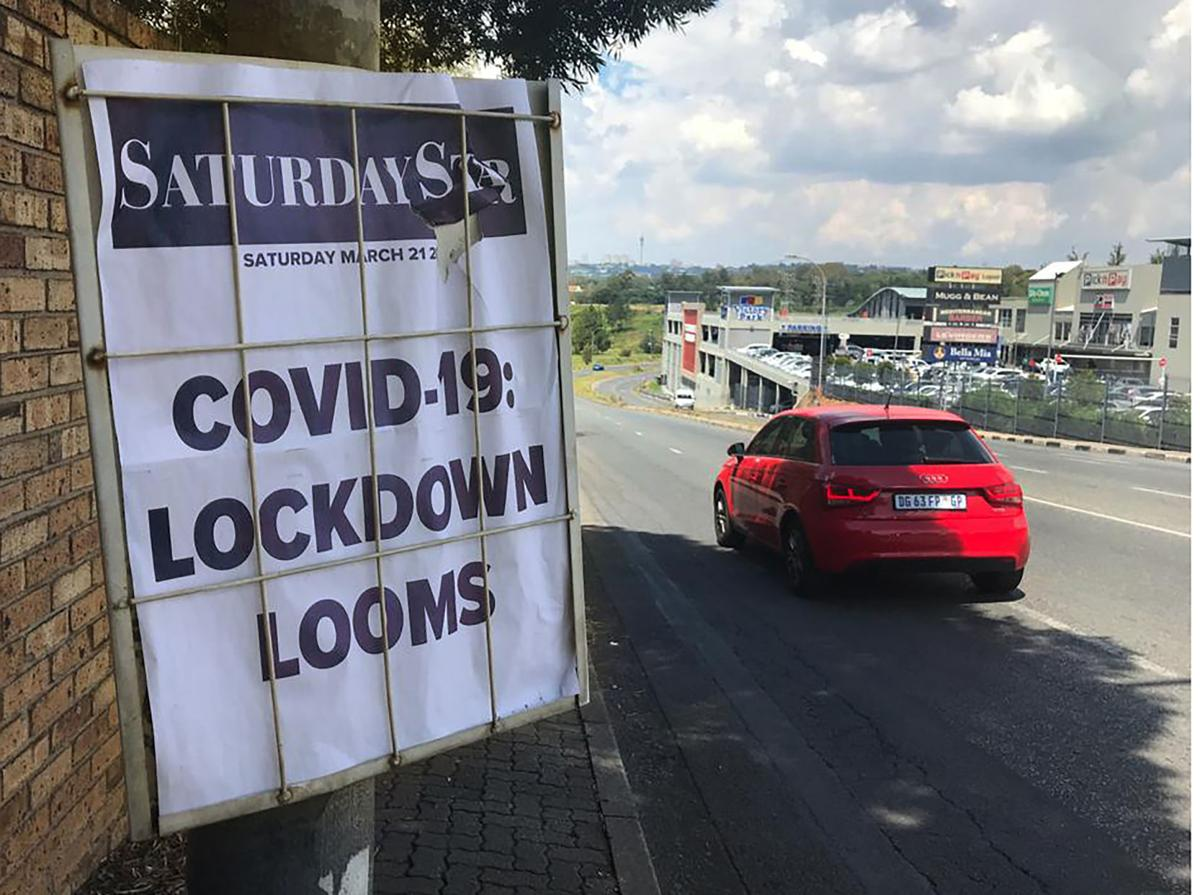
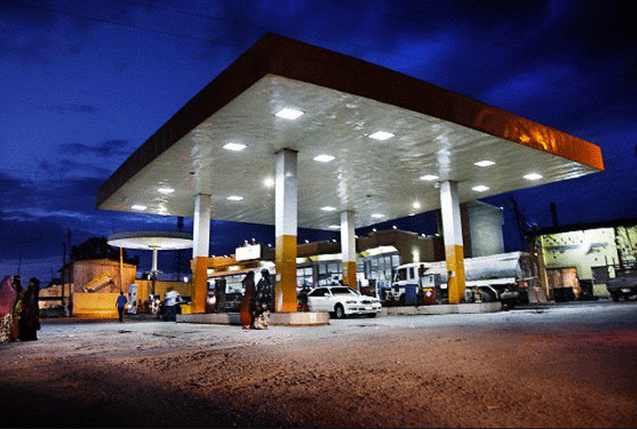
The recent comments by Mele Kyari, Group Managing Director of NNPC on the decision of the corporation to remove government subsidies on the prices of its Petroleum products must have sounded like a gong from a distance: It should have been done earlier than now. Of course, this is coming on the back of the sharp drop in oil prices, attributed to the COVID -19 Coronavirus pandemic and then the oil trade dispute between Saudi Arabia and Russia and its impact on OPEC’ s benchmark pricing. Of course, there have already been predictions of a further drop in oil prices to possibly a single digit figure per barrel (which in all honesty, is damning for a country that rakes in 86% of its export earnings from this source). 

As OPEC members deliberates on historic production cuts (which might go well into 20 million barrels per day)  and the world’s demand falls as economies try to rebuild from the impact of the COVID 19 pandemic, Nigeria is left in a state of acute economic spiral. Already, major cuts to the 2020 national budget are already being made and this has put on hold the development of certain sectors of the economy. 

Should we really have been in this situation? 

Nigeria’s Oil production from 1980 to date has never been below 500 million barrels per day. In fact, as early as 2012, we were producing roughly 2.7 billion barrels per day, eclipsing Angola and Kuwait at some point. Revenues from oil exports have raked in billions of Dollars over the year (with consideration on oil price changes). Economic and political analysts have touted the need for a diversification on the country’s export sectors by encouraging new viable sectors and engaging in the formation and management of some. Over the years, some of those establishments have either been abandoned or left moribund. Local Oil refineries built have often been drawn into the mix, leaving the country’s wealth at the mercy of multinational firms that are more patriotic than a blind man hoping to not hit a basket in the marketplace. In a bid to cushion the effect of oil shocks, the government had subsidized the prices of fuel over the years. 

The New Year resolution of the Good luck Jonathan government in 2012 to remove oil subsidy was greeted with mass protests. Of course, an increased petrol price was one worry: proper accountability of subsidy funds was a worry that was never worried about… only until recently. While fears over increased petrol prices can be assuaged with the hope of a privatized oil refinery by Aliko Dangote, the same cannot be said over how oil prices might just affect the growth of other sectors that we failed to improve.  For a Nigerian micro economy that is highly emotional, ordinary fuel price increases can trigger a massive inflation in basic commodities: dragging us back into a new need for righting the wrongs that have long been closed. 

Our mass graves might have been dug for years on end but the country can close them up: doubling efforts on improving other viable export options and remembering that subsidy was never a palliative, but a mirage that continually plays its macabre dance of hope before our eyes. 

Until then however, we would never need the graves if opportunities are kept alive! 

#Plan4Restart – The Path To Growth [Video]

0

This video is on restarting business operations after the lockdown due to Covid-19. Recently, we have been creating secondary contents to help participants in our program to develop a plan for restart. We are happy to share with everyone this one.