DD
MM
YYYY

PAGES

DD
MM
YYYY

spot_img

PAGES

Home Blog Page 6440

Covid-19 – What Facebook Is Doing

0

As governments around the world roll out measures to keep their citizens sustained as coronavirus lockdown continues, some companies are doing their best to protect their workforce. From sending them home to providing them with credit facilities they need.

It was disclosed on Tuesday that Facebook is providing its 45,000 employees with six months bonuses and additional $1,000, to help them cope with the coronavirus lockdown.

The social media giant has been notably proactive from day one, working in conjunction with the World Health Organization (WHO), Center for Disease Control (CDC) and other health bodies to ensure that the pandemic is globally contained.

At the same time, it has prioritized the welfare of its staff. The company is also sending thousands of its moderators home but will continue to pay them as part of efforts to help them take care of their families.

“We recognize that many people are going to need more time away to care for children and their families. We also know that many of you may have additional expenses as part of setting up your home to enable remote work and support your family. We’re going to grant all employees an additional $1,000 to use for whatever you see fit to support yourself and your family in adapting during this period,” Zuckerberg said in a memo obtained by NBC News.

Facebook was quick to prohibit false information about coronavirus on its platforms by providing direct links to responsible health bodies and removing fake stories.

“As the COVID-19 outbreak escalates, our focus has been on keeping people safe and informed by making sure everyone has accurate information, supporting global health experts and stopping misinformation. Our thoughts, like everyone’s, are with our loved ones and our communities and all of those impacted around the world,” said Sheryl Sandberg, Chief Operating Officer at Facebook.

Facebook has made a pledge of $100 million in support of small businesses around the world; the aim is to reduce the financial constraint that will emanate from COVID-19 in countries with little financial power.

“We’ve listened to businesses to understand how we can best help them. We’ve heard loud and clear that financial support could enable them to keep the lights on and pay people who can’t come to work,” Sandberg said “That’s why today I’m announcing that Facebook is investing $100 million to help 30,000 small businesses in over 30 countries where our employees live and work.”

As part of the assistance, Facebook is providing training for these companies through Facebook Hub to help them stay afloat.

While other companies in the United States have shown solicitude for their workforce, none has extended the care to businesses outside their own. Facebook happened to be the first American company to take steps in the direction of assisting small businesses in countries where it operates.

Google and Twitter have concentrated on eliminating fake news and false information about the pandemic across their platforms, though Google is working with health authorities to develop a testing device that will help snap up screening of suspected cases.

As the virus spreads, working remotely also surges, increasing the weight of online activities as many people depend on social media to know of happenings around the world. They also depend on the internet to perform virtually all possible works. Facebook is working to provide virtual assistance and flexible internet to help businesses to fulfill their tasks.

“We’ve made our Business Hub… readily available for all. We are also creating new virtual training to support businesses operating in this new and unsettling environment. We want to do more. Teams across our company are working every day to help businesses. We are looking at additional ways to host virtual training – and will have more to share in the coming weeks – and we’re finding more ways to help people connect and learn to use technology through Blueprint… whatever happens next, we will be working to help businesses weather this storm,” Sandberg added.

Mark Zuckerberg announced on Wednesday that Facebook is working hard to see that it provides the needed facilities for companies depending on its services as the demand surges following lockdowns and social distancing.
Coronavirus: A Challenge to Nigeria Beyond its Health System

0

The scourge of Coronavirus has come to be a daily reality with Nigeria. From an index case in late February, 2020, confirmed cases have risen to 40. Some people are saying that the number is even underreported. From Lagos State to Ekiti, Osun to Ondo, a number of critical measures have been put in place. Schools at all levels have been shut. Bans have been placed on large gatherings whether temporal or spiritual. Any gathering that is above 50 was the target in some places. In Osun, the ban was total regardless of the number. Lagos is the highest hit in the country. Very Important people have been infected. The son to the former Vice President, Atiku Abubakar, has been diagnosed as having the COVID 19.

The governor of Bauchi State,Bala Mohammed, has put himself in self isolation. The president was even tested . he was negative. The Chief of Staff to the President, Abba Kyari, has tested positive. The major concern is to stop the spread so that the country’s failing health system is not overrun.  However, as the nation races to stem the tide of the disease in the country, the challenge to the nation is beyond the issue of the health system. It is a challenge to all that the country represents – people, government, culture and belief system. This piece focuses on those challenges that the COVID 19 is bringing to the system. Here are the challenges:

The Level of Credibility  conferred on the Government 

For any government to function well in a democratic setting, those who put such in place must have a level of belief in its capacity to govern. There are basic ingredients that make the citizens have some level of trust in their government. These include transparency in its dealings, delivery of electoral promises, prudence in spending of public resources, and zero tolerance for corruption. However, since 1999 when this democratic dispensation commenced, Nigerians have had little or no trust in their governments at all levels. The reason for this is not far-fetched. A lot of the problems confronting the nation are still there despite the billions of Naira that have gone down the drain in the pursuit of these.

The novel virus has come to expose the lack of trust in the system in Nigeria. At the time the Italian index case was reported in the country, some Nigerians did not take the news with a pinch of salt. Some said it was an attempt to make money by the concerned government institutions. People asked for the name of the Italian who brought the virus to the country. As a matter of fact, some were asking for the picture. Social media platforms were abuzz with gist and counter gist on whether the virus was really in Nigeria or not. It is hoped that now that we have had cases of infection being reported by people in high places, those doubting Thomas would believe the Coronavirus is here in Nigeria.

The Professionalism of the Nigerian Media and Journalists

The media are critical to the survival of any country. They not only inform, but also educate, enlighten, and warn people of consequences of events and happenings. Before the advent of the Coronavirus, the nation has been grappling with the extent of professionalism displayed by journalists and the media organization. Concerns have been raised as to the way issues of national importance have been reported by the Nigerian media. For instance, the Nigerian media have been accused to be partisan in their reportage of political issues. Not only that, they have been blamed sometimes for being sectional on issues that are expected to have been looked at from national perspective.

Sensationalism, fake news and hate speech are some of the accusations levelled against the Nigerian press. Experts have queried if Nigeria media have any sense of social responsibility. The roles of the media in any crisis situation, such as the country has on her hand, cannot be over emphasized. The media are expected to provide timely, relevant and accurate report of the situation. They are also to help to create awareness and make popular coping strategies as well as assisting in creating a chart for relief and recovery. In the fight against the spread of the COVID 19, the media are allies. They are not only to report update but also to assist in preventing spread of the virus. Within the framework of a developing nation, the Nigerian media are to report issues surrounding the disease with some level of social responsibility and national patriotism. They should report without creating panic. They should not only focus on numbers, but on issues surrounding the disease.

In a piece nudging the Nigerian media to rise to the challenge that this period poses, Prof. Ayo Ojebode, the Head of Department of Communication & Language Arts, University of Ibadan, advised three professional ethics they have to follow. One, he charged them not to allow the pressure to be the first to publish  to overwhelm and they succumb to publishing information without verifying them. He stated journalists have to fact-check before going to press. He also said there is a need to hold government agencies and institutions accountable over their actions on the Coronavirus pandemic. Two, he posited that Nigerian journalists have to bring human angle into the statistics that would be flying around. He urged them to do interpretative reporting. He said “it is important that we underscore the need for a balance between hope and despair.” Third, Ojebode discouraged journalists from over focusing on the Coronavirus. He said journalists need to resist the temptation of surrendering the mediascape to the “tyranny of coronavirus”

The Level of Responsibility of the people in power and those out of it

At this point of the incidence in the country, the level of responsibility of Nigerians in and out of power has come under attack from Coronavirus. It would test the ability of Nigerians to be responsible for themselves and for others. One unique thing about the novel virus is that the chances of it spreading is premised on how people are collectively careful. It is not about how careful an individual is. It is about the caution of the collective community. So far, the test has yielded different results from both ends. On the part of the ordinary Nigerians, there was a level of unenthusiastic attitude from them. Governments at national and sub national levels have placed bans on social and religious gatherings since Friday. Yet, some Nigerians still went ahead to pray Jumat on Friday. Their Christian counterparts had their church services on Sunday. Another instance is the self-isolation measure of those who travel to high risk countries. Upon arrival, they were urged by government to disclose themselves and self-isolate. Few cases of celebrities who indeed went on self isolation were heard.

On the part of those in power, the level of responsibility is noticed to some extent. Governors, especially in the southwest, accepted the gauntlet thron at them by the invasion of the virus. Oyo, Ekiti, Osun and Ogun had their governors address the citizens. They reeled out measures put in place to ensure the virus did not spread. The president had to be called out severally before he eventually addressed the nation. Despite, Nigerians were high on social media platforms making jest of the president’s speech. Some senators and members of the house of representatives were said to have been exposed to the virus. They have refused to declare their status or even self isolate. Gestures such as these can never assist the campaign. Yet, to conquer the spread, there is a need to up the level of responsibility of the two divides of the Nigerian life.

In the next few weeks, the situation is dicey for Nigeria on COVID 19. The statistics has the tendency to go higher. Things are happening at a very dizzying pace. No one could say what happens. But, whatever happens then will be a factor of those issues being challenged by the novel virus. I hope we take the challenge with equanimity and rise above it.

Working Remotely in the Face of COVID-19: Nigerian Internet Service Providers Need to Cut Data Cost

0

As the coronavirus pandemic forces businesses to close and people to stay at home, the Federal Communications Commission (FCC) made a 60-day Keep Americans Connected Pledge. The pledge asks internet providers not cut off businesses from service, especially residential and small business customers.

The pledge also asks internet service providers to waive late fees accumulated due to the pandemic, and provide open access public Wi-Fi hotspots to any American who needs them. Internet providers are urged to suspend data caps and fees for long-distance calls.

In response to this pledge, internet service providers have started offering subscribers and businesses internet service deals that will help get through the tough time.

Verizon has announced that it is automatically adding 15GB of high-speed data to the wireless plans of subscribers. The company also said it will waive overage charges and late fees for everyone affected by coronavirus. In addition, internet and voice service for those on the company’s discount Lifeline plan will be waived.

“We understand the hardships that many of our customers are facing, and we’re doing our part to ensure they have broadband internet connectivity during this unprecedented time. With so many Americans working and learning remotely from home, having access to reliable and affordable internet is more important than ever before,” said Ronan Dunne Verizon Consumer Group CEO.

In effort to make the remote work experience easier, Verizon will be adding 15GB to consumer and small business customers with metered data plans. And it can be used for hotspot, smartphone, or other devices. On the other hand, Verizon unlimited customers will get additional 15GB of 4G LTE hotspot data.

T-Mobile has also announced that it is removing mobile data caps and will give customers 20GB more which is hotspot and tethering enabled. AT&T does not follow the exact steps of Verizon and T-Mobile but said it will waive domestic wireless plan overage charges for data.

Comcast announced that it is suspending its data cap policy for 60 days and waiving overage fees for home internet customers.

As the stay-at-home clamor intensifies in Nigeria, civil servants have been asked in most states of the country to work remotely while corporations are also asking their staff to do the same.

The Nigerian Stock Exchange (NSE) announced on Monday that the staff will work from home as a measure to curb the spread of the outbreak.

“Earlier today, we activated a remote working plan for our employees excluding essential staff effective March 24, 2020; and the temporary closure of all our trading floors effective March 25, 2020, for a period of 30 days.

“While we have taken precautionary measures through thermal checks for all entrants; provision of sanitizers; and minimized access into our premises, the situation has, however, escalated. We must act in the best interest of our stakeholders and our society.”

In the face of imminent shutdown that will see offices closed, the Nigerian Communication Commission (NCC) is yet to initiate any pledge on internet usage that will make remote work affordable, and internet service providers are maintaining the status quo that subscribers have always complained of its exorbitance.

Compared to many other countries, the cost of internet services is high in Nigeria, and it has always been a serious financial consideration of every business with the need of internet service in the country. The data gets wiped off before its due date of expiration, even when the subscriber is on unlimited plan.

Before the coronavirus pandemic, companies have learnt how to save data and cut costs. Many switched it on only when it is necessary and turned it off as soon as they are done. But that was then, when there was still such a choice. In a time of crisis when the survival of businesses is lying on probabilities and governments all over the world are doing what they can to salvage the economy, the sustenance of every business counts.

While big corporations can afford to fund the high cost of data, SMEs that are currently the bedrock of Nigeria’s economy will struggle to cope. Therefore, the NCC has been called upon to imitate the FCC and make a pledge that will spur telecommunication companies and data service providers in Nigeria to facilitate cost-effective data services that will help businesses to stay virtually operational.

Nigeria’s Moment – “A New Contract With Nigeria”

1
Nigeria leaders

Unless you crack the shell of the periwinkle, you will not get the cryolite. Covid-19 will redesign ordinances in global health as America pumps excess of $2 trillion into its economy. New vistas would be pursued and a new age of dominance would emerge. The market crash of the late 1990s gave us over-the-cloud services at scale. The crash of 2009 brought the age of the sharing economy. The crash of 2020 will bring a new dawn. I predict predictive and personalized medicine; coronavirus has essentially pushed more funds into health.

President Buhari can elevate the minds of Nigerians and push them to see an unbounded future. Mr. President can give us a New Contract With Nigeria which all citizens of this nation can unite to accomplish.

As we have this virus that attacks the poor, rich, developed and developing, leveling the curves for all humans, Nigerian elites have a moment: unlock the nation and architect a new redesign towards an inclusive, hopeful and prosperous nation. 

This is the season for the demonstration of immense intelligence, competence, and pragmatism before citizens, towards stimulating more vibrancy in the private sector and moving the public sector out of its stasis. 

A New Contract With Nigeria will bring restoration. This is time to build confidence and re-image our nation through enacting fundamental reforms in capital markets, education, and healthcare because Covid-19 will restructure the architecture of globalization and Nigerians will quickly understand that there is “no place like home”. After all, Berlin and London doctors are not missing us anymore

Where am I going? Today, the same clinics and doctors we have failed to deepen their capabilities are now the elements which are going to treat ALL patients, big and small. Unlike in the past, where London and Berlin clinics and doctors would have helped, coronavirus has offered only a choice to everyone: Nigerian doctors and clinics. Of course, London and Berlin clinics are not missing us. This is a moment to reset on healthcare.

As citizens of this nation, everyone must be ready to follow, because in the darkest of the nights, the days break with the songs of the crickets and nightingales. Ututu oma.  Ina kwana. E kaaro. It must be a good morning, in Nigeria, for ALL.

Nigeria’s Reset Moment on Healthcare

The Pandemic Economy: How Coronavirus is Changing Nigerian Facilities Management Industry

0

It is no longer news that businesses are feeling the impacts of Coronavirus outbreak globally. From political leaders to business owners, various measures have been deployed since the virus became pandemic, according to the World Health Organisation. The measures are constantly updated when one or two seem not to be effective in containing the virus. There is no doubt businesses and individuals expect the concerned stakeholders in the public sector to stop the spread as soon as possible.

Various accounts indicate that for a virus to be pandemic and inflicting severe impacts on people and businesses, it must emerge, able to infect human and spread among the human. Coronavirus has actually possessed all these features and causing business and economic disruption, particularly for the businesses and countries that have not prepared for the disruption. Though, it is hard to predict how severe a pandemic could be. Experts say political and business leaders must always have business risk and continuity plans. For instance, “a flu pandemic in 1918 was unusually strong, leading to about 40 million deaths worldwide, while pandemics in 1957 and 1968 were responsible for 2 million and 1 million deaths respectively.” In a recent interview, an expert with the Centre for Disease Control (CDC) in the United States says “Complacency is really the enemy here. “We can’t predict when a pandemic will occur, but we know they do occur and they occur in every century.”

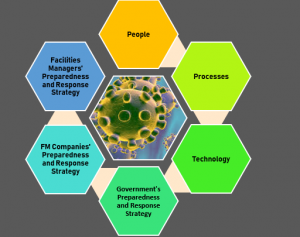
Exhibit 1: Flash Playbook for the Industry and Stakeholders

Source: Infoprations Analysis, 2020

For the facilities management solution providers, complacency could be catastrophic because organisations and individual users of their solutions need to maintain uninterrupted operations. In our experience, we have understood that public have developed ‘connected interest’ in facilities management and continuity of businesses and personal activities, especially in the residential places across the country. We discovered 85.9% linkage of facilities management and continuous activities (of businesses and individuals). Analysis further shows that facilities management has been viewed along with coronavirus by 46% from January 1st, 2020 to March 24, 2020.

In our earlier analysis, we reported specific information some players in the industry want their clients and the general public to follow.  Alpha Mead, a Nigeria-based Total Real Estate Solution company, developed steps facilities managers and workers need to follow to avert contracting the virus. A few days after the development of the steps, the company has suspended some of its operational and core activities to the client, saying “it remains optimistic of an early return to normalcy.”

Our checks have also shown that some companies in the industry are following this step. Tsebo has equipped its employees with Covid-19 compliance aprons. This is particularly applicable to employees working in clients’ locations where essential services or products are being offered to the people and businesses. As the total lockdown looms in Nigeria, our analyst expects decrease in the revenue and/or profit of the players this year.