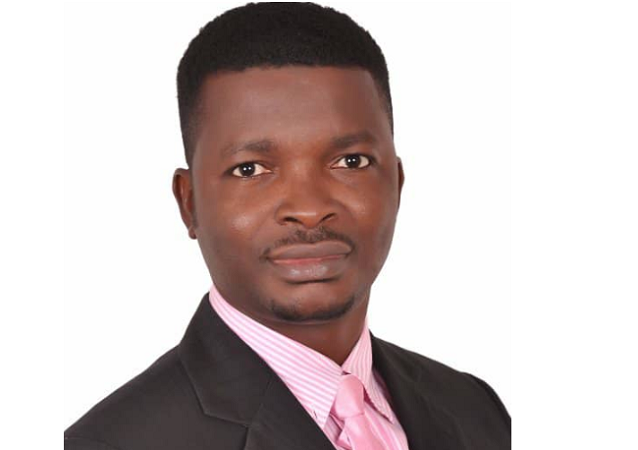
Dr. Laz Ude Laz is a public health practitioner, a sustainable development consultant and health literacy advocate based in Abuja. He had a chat with me on the Nigerian heath system, Nigeria’s fight against the spread of Coronavirus and other issues. Here are the excerpts.
Tell us about yourself.
I’m Dr. Laz Ude Eze, a public health specialist and sustainable development consultant. I am passionate about improving health literacy in Nigeria, that’s why I established TalkHealth9ja – a media firm that produced 247 radio shows in 5 years in Pidgin English in partnership with Wazobia FM Abuja. I’m also the Publisher of talkhealth9ja.com – Nigeria’s first Pidgin English Health Blog. I work with many persons and institutions to improve the quality and access to health care in Nigeria.
You talk about health security in Nigeria amidst the challenges we have as a nation. Can you please describe what you mean?
According to the World Health Organization, achieving public health security involves activities required to minimize the danger and impact of acute public health events that endanger the collective health of populations living across geographical regions and international boundaries. A typical example is the current situation where the Coronavirus pandemic has endangered the global health security. Lassa Fever has also endangered our national health security.
So, how does this apply to Nigeria as a developing nation?
To achieve Health security, Nigeria must invest sufficiently and sustainably in the implementation of the National Action Plan for Health Security (2018-2022). Public Health deals a lot with prevention of diseases and timely treatment when they occur. Nigeria is vulnerable because of its weak institutions. For a developing country like Nigeria, investing in health security is cheaper and better. There are a lot of dimensions to it. We must invest sufficiently in training the required manpower, research, equipment and data management. We must also achieve sustainable financing, and put in place a strong Ward Development Committee to drive local governance for improved service delivery. Government at the LGA and State level need to take charge because that’s where most of the actions take place. Environmental sanitation, provision of potable water, health education of the populace, strengthening of primary health care facilities, community health insurance, improved nutrition are some of the important areas of intervention.
We learnt you are leading a crusade against cancer, how much of the war has Nigeria won against the killer disease?
Yes, until recently I was the Executive Director of the Pink Oak Cancer Trust – Nigeria’s 1st Cancer Treatment Fund.I will put it very clear and simple, Nigeria is not doing well in cancer control. Our country is performing below an acceptable level in the prevention and control of any other disease for that matter. Some pockets of progress has been made in recent past but there are still lots of gaps to fill.
How do you think we can address the challenges and the gaps as a nation?
The challenges and gaps are enormous. I will take them from the perspective of the building blocks of the health system.One, human resources are not sufficient especially at the health facility levels. Many of the available ones don’t have the skills required for effective disease prevention and management. To eliminate this problem, the training institutions must be equipped to impact the needed skills. States and LGAs need to hire adequate number of skilled health workers especially at primary health care level and ensure periodic trainings and supportive supervision. Two, medical supplies like vaccines, essential drugs, laboratory reagents and hospital equipment are usually in short supply or in some cases overstocked. The logistics management system is weak, consequently, stock out of essential health commodities is a common feature. Local pharmaceutical companies should be encouraged to increase local production of most of the health equipment and commodities utilised or consumed in Nigeria. Local innovations should be promoted and supported to produce local devices that can easily be maintained in ensuring health security. Three, lack of quality data and low investment in research are key challenges as many decisions are not evidence-based. Some were made with inaccurate data thereby leading to poor outcomes. More investment in health services or medical research and strengthening of the health data management system will solve this problem.
Four, lack of government funding for a number of public health interventions is counterproductive. There is no budget line for health emergency preparedness in many states. The 2020 budget for the Nigerian Centre for Disease Control, NCDC is less than a billion naira but a total of N134 billion is required to implement the National Action Plan for Health Security over a 5 year period. Sustainable financing for health with private sector participation will help to solve this.
Five, leadership and governance structures at the health facility and community levels must be established where they don’t exist and strengthened where they’re weak. The non involvement or non participation of communities in making public health decisions affecting them is a huge gap. It is the job of the Ward Development Committees to hold health workers and public officers accountable. This has been largely missing. Six, service delivery is poor because of the above challenges and gaps I’ve highlighted. When they’re fixed, there will be improved quality of service and more guaranteed health security and quality health care delivery.
What is your take about the curtailment effort of the country about Coronavirus?
It has been fair. I commend my colleagues who have been on the front line leading the control efforts.The reality is that we can’t perform beyond the capacity of our health system. We must take this opportunity to make necessary investments aimed at making the system stronger. LGAs and State Governors have more work to do in this regard.
What is your opinion about the SDG 3. Do you think Nigeria can make an appreciable progress on the goal considering the state of our health system now?
If political leaders at the LGA, States and federal level continue on the present trajectory of performance, Nigeria will not make any appreciable progress on SDG 3. I will recommend two main actions we need to take to make a good progress, one is for government at all levels to allocate a minimum of 15%to the health sector, ensure their full and timely release as well as efficient utilisation.Two, President Buhari should assent the National Health Insurance Commission Bill when it gets passed again by the National Assembly. It provides for mandatory health insurance coverage for all residents of Nigeria.
You seem to combine so many things together. You are medical practitioner, a broadcaster and a blogger and a sustainable development consultant, what is the connection? And how do you combine all the roles?
My brother, I am driven by passion. I am passionate about the physical, mental and social wellbeing of the people. That inspires everything I do and they’re all interconnected. I use media to create awareness about health and other development issues. And for there to be a state of total wellbeing, there must be security, socioeconomic and environmental wellbeing. I combine them because I work very smart and fast. I set a high standard for myself and always work hard to meet up my own self expectations.
Thank you for your time.
Thanks bro
Like this:
Like Loading...