DD
MM
YYYY

PAGES

DD
MM
YYYY

spot_img

PAGES

Home Blog Page 6540

The Amazing Zenvus

3

The Government of Canada has put a solid proposal: we want to have Zenvus and its team from Nigeria to Canada.  But there is a major problem: the United States Government gave me money to build Zenvus. You see why I always write “the beautiful America”. It is a country where an immigrant with no connection can get funding to do something amazing, purely based on the quality of his vision. We channel our market deals via Aba in Abia state (Nigeria) to help my home state revenue, and U.S. is just fine with it. 

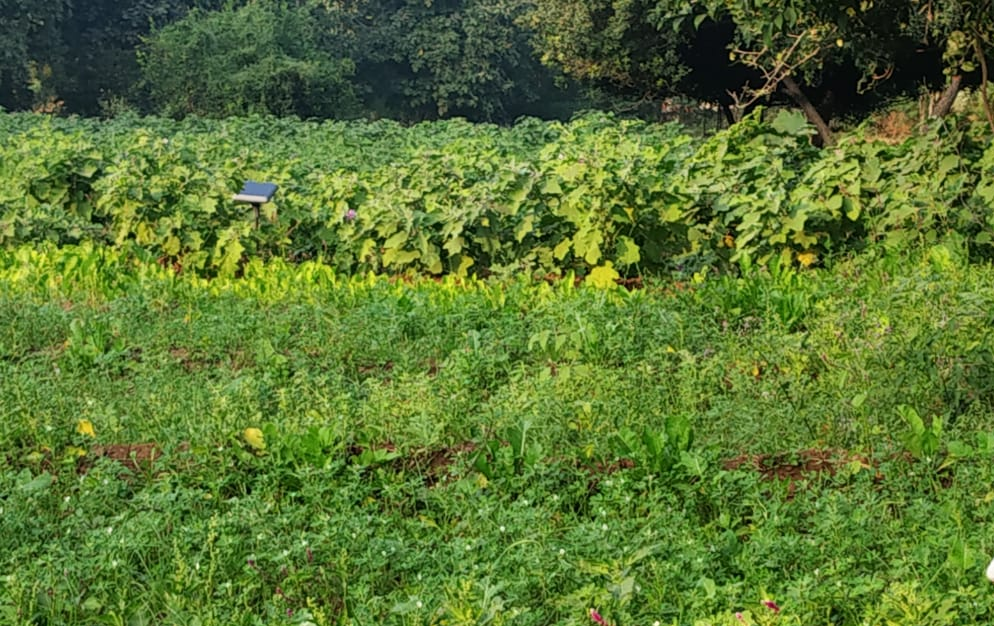
This image (above) is from a farmer in Asia who uses Zenvus to track and monitor something we did not design for. Of course, a product is useful for whatever customers (legally) use it for.

Zenvus is an intelligent solution for farms which uses proprietary electronic sensors to collect soil data like moisture, nutrients, pH, etc. It then sends the data to a cloud server via GSM, satellite or Wifi. Algorithms in the server analyze the data and advice farmers on farming processes. As the crops grow, the system deploys special cameras to build crop vegetative health index for detection of drought stress, pest and diseases. Our system has the capability to tell a farmer what, how, and when to farm. It has in-built GPS, compass and XL making it possible to map farm boundaries which could be useful during loan and insurance applications.

In 2020, we will open a new playbook: any farmer, not just cooperatives or governments, can buy Zenvus. That includes Zenvus Smartfarm (farm sensors), Zenvus Yield (our camera) and Zenvus Loci (disposable & reusable trackers).

Zenvus >> intelligent solutions

President Trump’s Impeachment

0
Trump

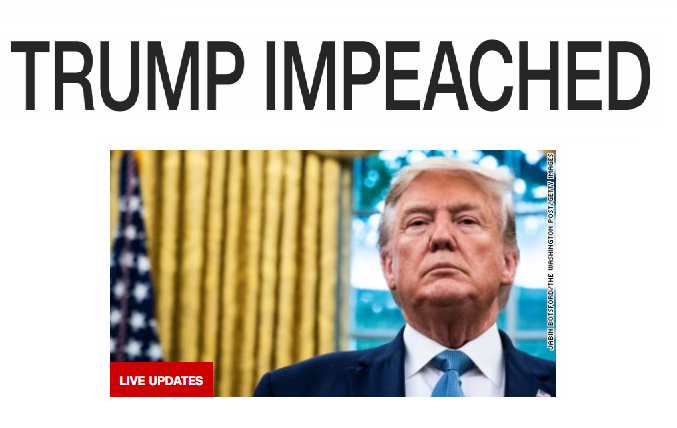
President Trump has been impeached on Wednesday by the House of Representatives, ending the speculations that have surrounded his future in office as the president of the United States since August.

Trump’s survival chances were hanging along party lines, with the Democrats pushing the inquiry and Republicans rallying their support for Trump.

The impeachment was based mainly on two articles: Abuse of power and obstruction of Congress. The “abuse of power” article accused Trump of using his office influence corruptly to solicit election assistance from Ukraine in the form of investigations to discredit his Democratic political rivals.

The article passed for impeachment on 230 to 197 votes, with Republicans voting in support of the president.

On the second article, “obstruction of congress,” the vote went 229 to 198 in favor of impeachment, because a Democrat joined the Republicans in opposition, making it the third Democrat who has joined forces with the Republicans to rally around Trump.

The historic debate was spurred by many activities that have trailed Trump’s presidency since he assumed office over three years ago. The intelligence report that Russia meddled in the U.S election in favor of Trump instigated an inquiry that lasted for months, but didn’t provide substantial evidence that calls for impeachment, even though many Democrats were willing to give it a try. House Speaker, Nancy Pelosi in March, waved it off saying “he is just not worth it.”

Trump’s impeachment wasn’t considered a possibility until August, when a CIA whistleblower anonymously dropped a box of a recent activity emanating from the White House at the doorstep of the House, and that changed both Pelosi and the public stand on impeachment once more.

The whistleblower’s “box” contained an allegation of quid pro quo deal Trump tried to intimidate Ukraine into, pushing them with the words “do us a favor” to investigate the Democratic presidential hopeful, Joe Biden, or risk losing a supposed $400 million in military aids. The information prompted an audacious inquiry, and the House Intelligence Committee swung into action, summoning senior American diplomats and White House officials for questioning while requesting every document admissible to the matter.

It was upon further inquiries that more facts were established, leading to the impeachment debate. This time, Pelosi couldn’t hold back, and Trump’s fate was lying between the votes of the House members.

“Today, as speaker of the House, I solemnly and sadly open the debate on the impeachment of the president of the United States,” Pelosi stated. “If we do not act now, we would be derelict in our duty. It is tragic that the president’s reckless actions make impeachment necessary. He gave us no choice.”

That’s the fourth time such a debate would take place with a consequential result for the president in the United States. In 1868, Andrew Johnson became the first U.S president to be impeached by the House. In 1974, it was President Richard M Nixon who resigned rather than face such consequence. Bill Clinton joined the list in 1998. But Johnson survived in 1868 by a single vote while Clinton beat his charges with more than half of the Senate voting for him to remain in office.

But unlike his predecessors who got caught in impeachment debate, Trump was defiant and show no sign of remorse, repeatedly calling the inquiry “witch hunt” and a “hoax.” In his letter to the Speaker of the House, Pelosi, Trump called his impeachment inquiry “unconstitutional abuse of power by Democrat lawmakers,” he also asserted that he has done no wrong, citing the transcript of his conversation with president Zelesnky of Ukraine, though the transcript was said to have been edited before it was released to the House.

Trump’s further action that justified the congress obstruction article was the White House’s refusal to allow its summoned officials to testify, some of them are believed to have firsthand knowledge about the matter. But his efforts to halt the inquiry only inspired the left to push for impeachment.

The Intelligence Committee chairman, who led the impeachment inquiry, Adam B. Schiff said: “Over the course of the last three months, we have found incontrovertible evidence that president Trump abused his power by pressuring the newly elected president of Ukraine to announce an investigation into president Trump’s political rival. The president and his men plot on, the danger persists. The risk is real. Our democracy is at peril.”

The House speaker is hoping to delay the trial by not transmitting the article to the senate as soon as possible, until they get assurance that they will be a fair trial. Pelosi believe that slowing the process could serve as leverage in negotiating the terms of the trial with Republican senators.

It appears likely the trial will end in reinstatement. The right having majority of the senate, and having shown their unwavering support for Trump, is likely going to acquit him. This predetermination of the trial appears to be the lifeline that Trump is counting on.

“I’m not worried. You don’t do anything wrong and you get impeached. That may be a record that will last forever. But you know what they have done? They have cheapened the impeachment process. Senators are going to do the right thing,” Trump said.

Trump – Trumped and Impeached

0

Hold your political arrows; I cannot pass the opportunity to comment on this: Trump has been impeached. America continues to amaze the world. It is only a man who has reached the zenith of a mountain will know the deepest of valleys. Who can send a letter to Nigerian leaders with a subject “Abuse of office”? Sometimes you wish we can emerge faster! Trump should be jealous of the nation of “huts” because had he been ruling there, this day would not be. 

President Trump has become the third US President in history to be impeached. The House passed both articles of impeachment: abuse of power and obstruction of Congress.

 The Senate will hold a trial to decide whether to convict Trump and remove him from office.

The House of Representatives voted late Wednesday to impeach President Trump on charges that he abused his office and obstructed Congress, with Democrats declaring him a threat to the nation and branding an indelible mark on the most turbulent presidency of modern times.

After 11 hours of fierce argument on the House floor between Democrats and Republicans over Trump’s conduct with Ukraine, lawmakers voted almost entirely along party lines to impeach him. Trump becomes the third president in U.S. history to face trial in the Senate — a proceeding that will determine whether he is removed from office less than one year before he stands for reelection.

On Trump’s 1,062nd day in office, Congress brought a momentous reckoning to an un­or­tho­dox president who has tested America’s institutions with an array of unrestrained actions, including some that a collection of his own appointees and other government witnesses testified were reckless and endangered national security.

President Trump’s Impeachment

LinkedIn Comment on Feed

My focus is not really  American politics but some legislative members having the audacity to do this in Nigeria for example if situations demand so. In the “huts” here, such cannot happen.!

Art of Technology Lagos 1.0: Bridging the Gap between Lagos and the Tech Community.

2

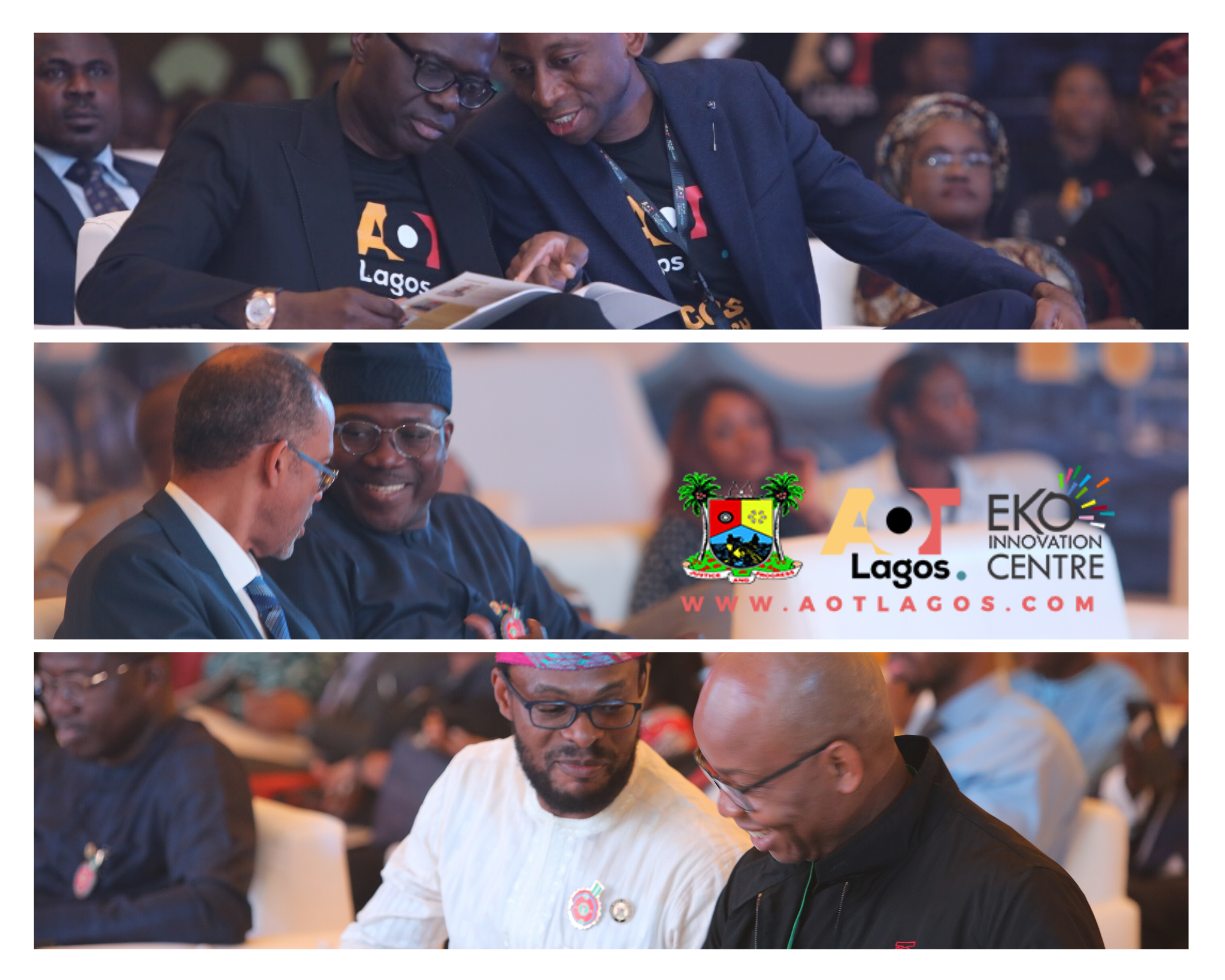
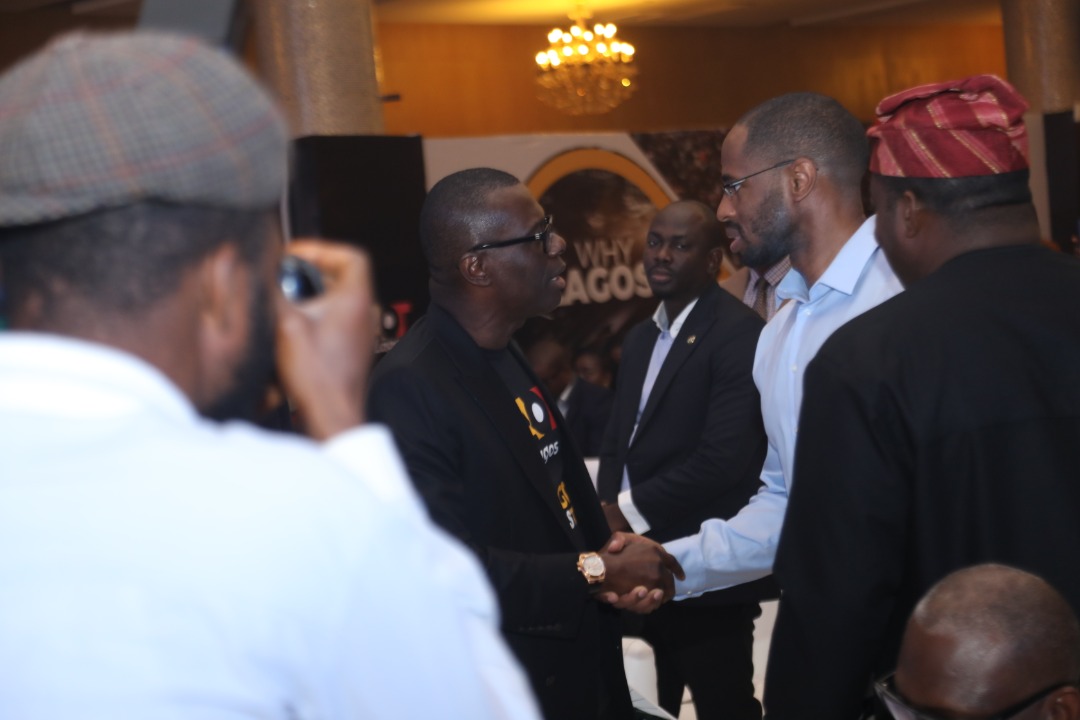
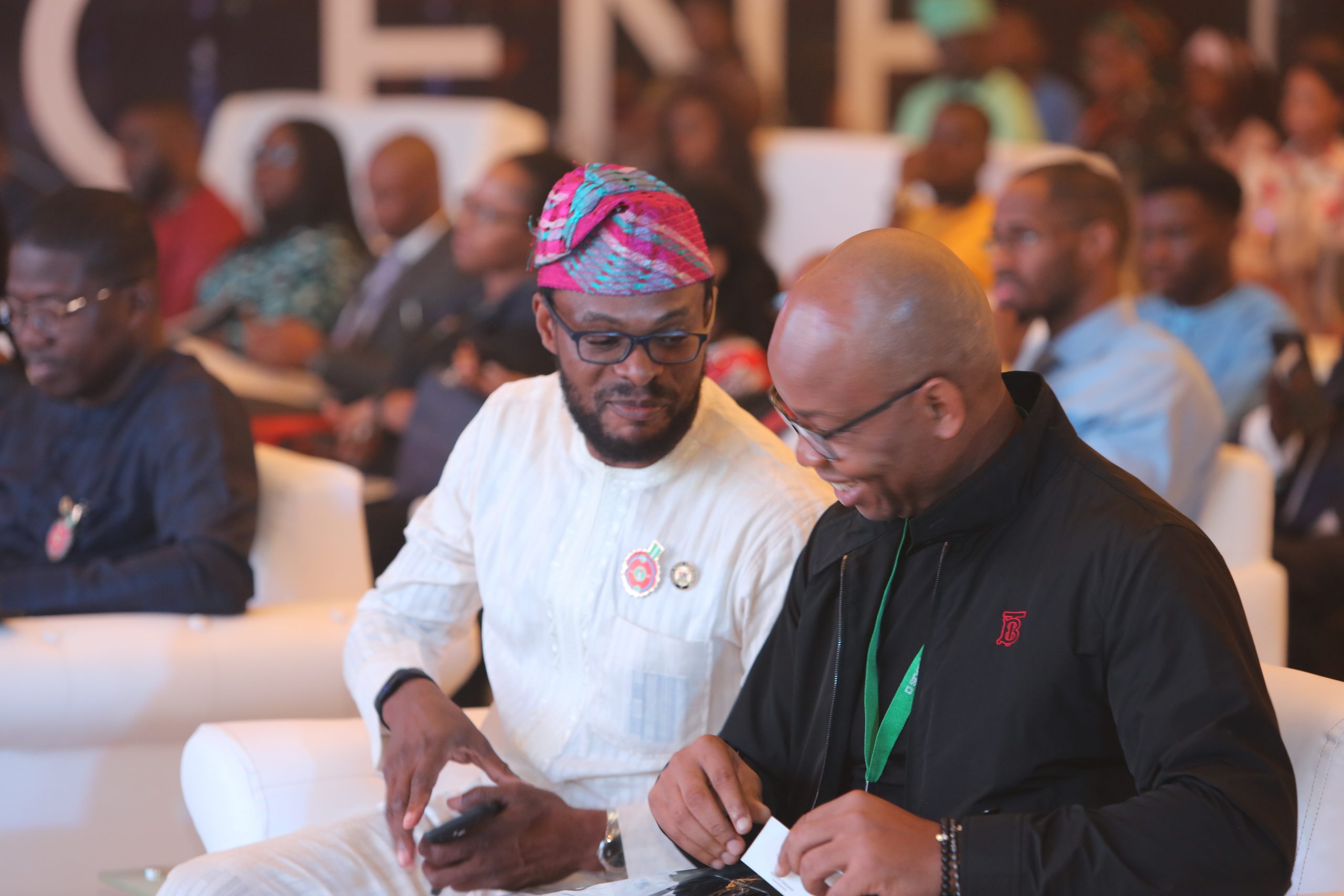
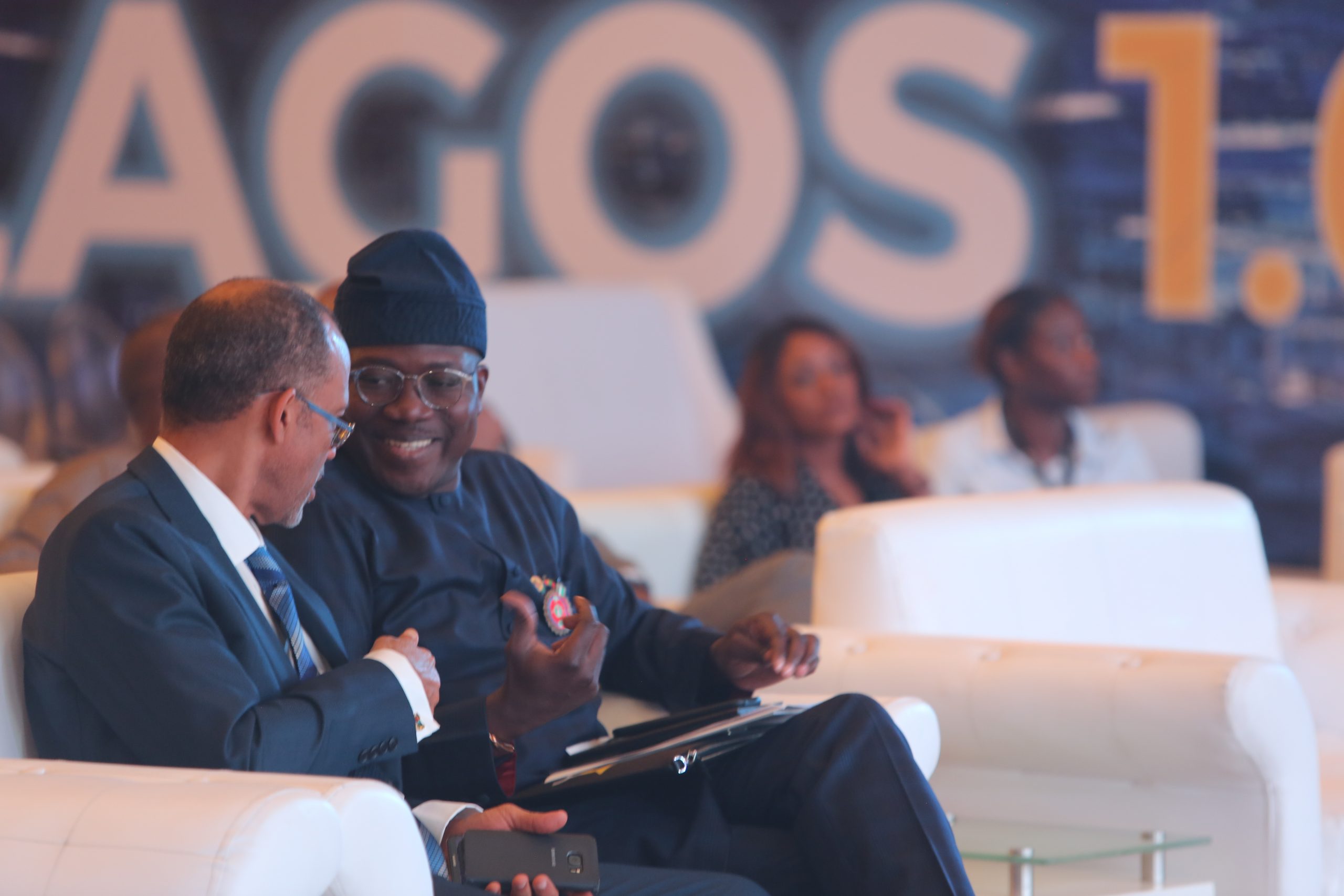
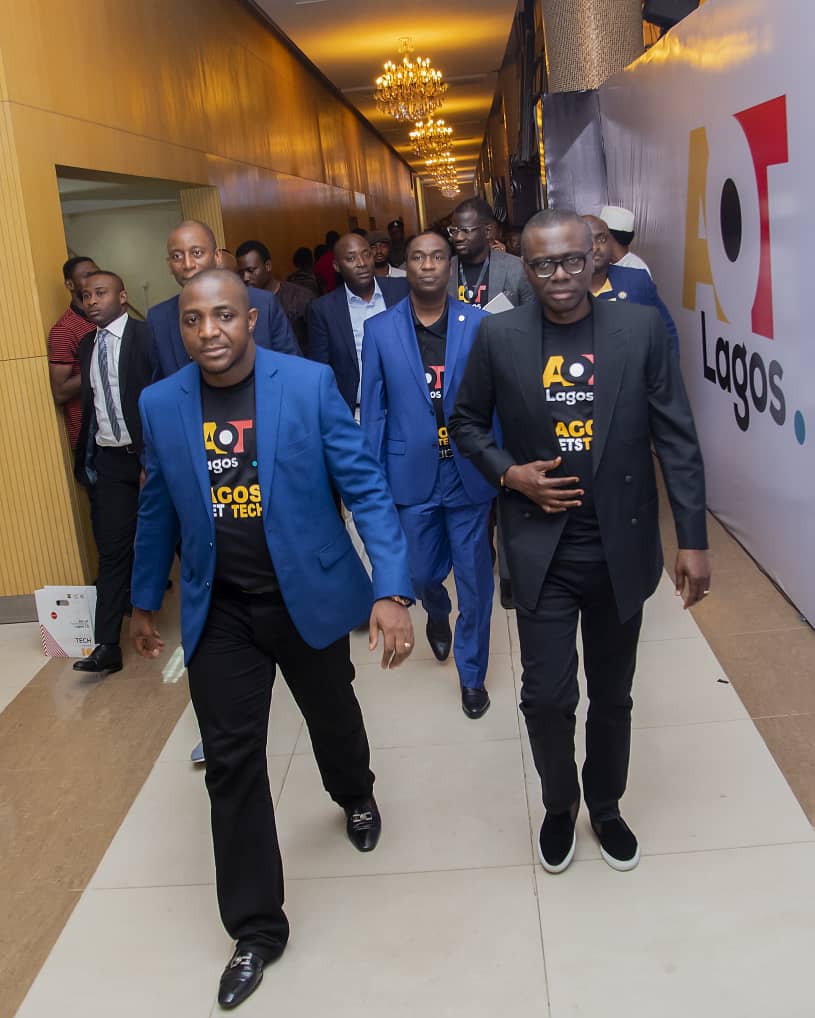
Art of Technology (AoT) Lagos 1.0 brought together tech giants, policy makers, government officials, Venture Capitalists, Product Designers, Software Engineers/Programmers, Creative Architects, Innovators, tech enthusiasts and a whole new wave of Lagosians to drive innovations that will pave way for the evolution of a smarter, digital, and a more efficient Lagos.

The maiden edition of AoT Lagos, sponsored by the Lagos State Government through the office of the Special Adviser on Innovation and Technology and curated by Eko Innovation Centre, held on the 5th and 6th of December 2019 at Oriental Hotel, Victoria Island, Lagos, with the key aim of ‘Bridging the Gap’ between Lagos and the tech community; positively moving Lagos closer towards achieving its ambition of a #SmartLagos.

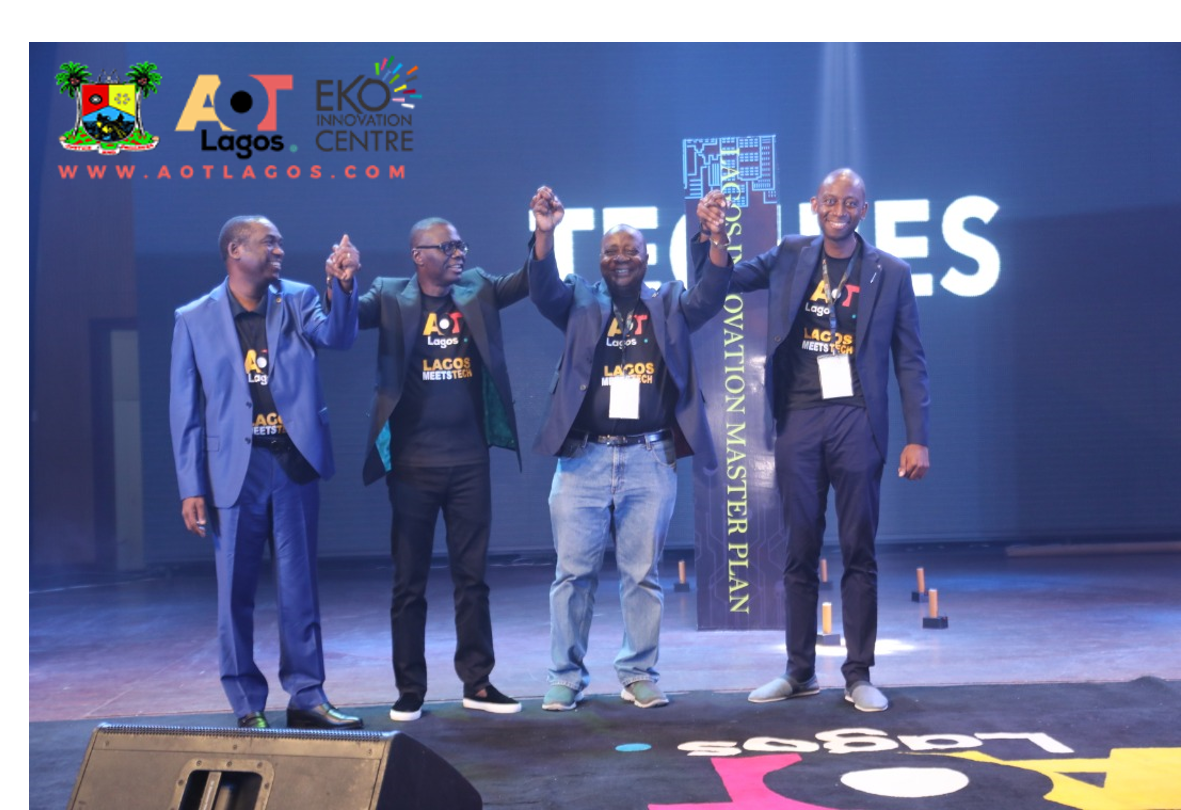
AoT Lagos witnessed history as the first ever Lagos Innovation Master Plan was unveiled by Mr. Babajide Sanwo-Olu, Governor of Lagos State, in the presence of Dr. Obafemi Hamzat, Deputy Governor, Lagos State; Mr. Hakeem Popoola Fahm, Commissioner of Science and Technology, Lagos State and Mr. Tunbosun Alake, Special Adviser, Innovation and Technology to the Governor of Lagos State.

Discussions at the AoT Lagos Conference principally centered on how tech can move Lagos closer to becoming a smart city.

Talks extended to areas like The Influence of Tech on Culture and Behaviour, Building MVPs (Minimum Viable Products), Consumer-Centric Products, Women in Tech and even ‘Hard-Talk’, where truths were laid bare both by the government and tech community, and a concession reached.

AOT Lagos 1.0 was filled with acclaimed speakers, panelists and participants from Africa and around the world, featuring experts in innovation, Big Data, Blockchain, communication and Artificial Intelligence.

There were insightful Keynotes and a series of focused and inspiring workshops which are designed to solve Lagos’ problems and pave way for the smarter Lagos.

A key activity at AOT Lagos 1.0 was Collaborate Lagos; which gives an opportunity to young innovators to showcase owned products that provide solution(s) to Lagos’ social problems; bridging the gap between a Lagos of today and the Smart Lagos of tomorrow.  The required solutions were in various categories such as Transport & Traffic Management, Energy, Housing, Security, Smart Agriculture, etc.


Various presentations were made and StanLab, a 3D virtual laboratory, emerged winner and an MOU was signed to this effect by the Honorable Commissioner of Science and Technology, Lagos State, Mr. Hakeem Fahm.

AOT Lagos 1.0 ended with a gala where the best of wines, foods and music were dished to the audience in a quality measure.

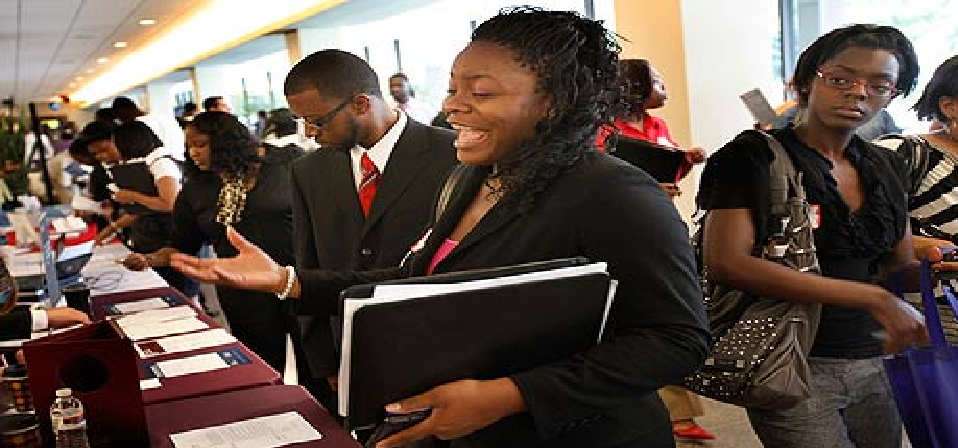
The Need to Embrace Cultural Differences in Recruitment Processes

0

Prof. Attahiru Jega, the former INEC chairman, revealed on Thursday, 12th December, 2019 that a survey conducted by a committee set up by Joint Admission and Matriculation Board (JAMB) has shown that Nigeria has low percentage of foreign students and foreign academic staff. According to him, out of 1,132,795 students involved in the survey, only 1,856 of them were foreign students. This also applied to academic staff, where only 437 out of 5,604 academic staff were foreigners.

This report truly showed that Nigerian policies on admission into Nigerian higher institutions and other related factors discourage foreign students from finding Nigerian higher institutions attractive.

I believe a lot of people will say that the Nigerian standard of education and the poor state of educational facilities are enough to discourage Nigerian and non-Nigerian students from considering Nigerian higher institutions. That is true, but there may be more to it than meets the eye. But even if Nigerian education system is nothing to write home about, how come we have a paltry number of foreign lecturers in our schools?

When I threw this question open to some of my friends, the answers I got ranged from foreign lecturers being too expensive to maintain to Nigerian jobs being for Nigerians first. This last opinion was what prompted this write-up. According to the people that said this, “Nigerians need to settle their people first before settling others”.

As much as it is necessary for Nigerians to be given priority in recruitment processes within the country, there is a need to understand the benefits of bringing in people from different cultures, backgrounds, religions and beliefs. You might also wish to know that even within Nigeria, employers are more comfortable recruiting and working with people they share the same cultural background with. A lot of people may term this nepotism but I see it herds-mentality. I’ll explain that soon.

Be it in the corporate or the business world, you would have realised that people that are not from the same religion, tribe or language as yours are more suspicious while dealing with you. Even you may be sceptical about someone that is “different” from you culturally – you prefer dealing with your kind because it is just easier that way. There are so many reasons for this, though a lot of them are quite unexplainable. But I’ll try my best to mention some of them here.

Communication Difficulty: I as a person have experienced this a lot. Different cultures have different means of communication, especially when it comes to signs and gestures. For example, it took me a long time to learn how to greet people “properly” when I was in Ibadan. I had fallouts with elders because I stand straight while sending out passive “good morning”. While in Zamfara, my challenges were looking elderly men straight in the eyes while addressing them. Now all these “rudeness” would have been enough for these people not to recruit that “Igbo girl that has no respect” because I failed to pick up their cultures on time.

Communication difficulties could also be found in manner of speech. For instance, someone told me that he was once arrested by men of the Nigerian Army because he unknowingly “insulted” their boss when he was anchoring an event in an officers’ mess (he cracked a joke they found offensive). This can apply to people from cultures that do not find jokes funny, or those that could not have female bosses, and things like that. As a result, it will be safer for some employers to work with those they won’t find communicating with difficult.

Fear of Conflict: If a team that is made up of culturally different members isn’t well managed, conflict is bound to arise. Most of the time, someone will feel that he is being relegated to the background. Another may believe the other members are being favoured. You will also find those that prejudice their team members because of their tribe and religion. In most cases, factions and break-ups come as a result of this.

Fear of Changes: Funny as it sounds, a lot of people fear changes because they don’t want what they can’t control. To these set of people, changes are challenges they can’t handle. So they prefer that things move the way they have planned it without someone from somewhere else coming to jeopardise it.

Herd-Mentality: This term was coined by Prof. Akachi Adimora-Ezeigbo in her book Children of the Eagle when trying to explain why women love asoebi. According to her, women feel more comfortable when they move in groups because they believe that’s when they can command respect.

But her theory can also apply to the reason most employers go for workers that are like them. If you look at the situation critically, you will agree with me that these employers have this herd-mentality because they feel more comfortable, in control and in power when they are with their own kind. Bringing in “outsiders” could dis-organise and shatter their well-planned dynasty, which they would rather not have.

Understanding the benefits of having staff from different cultural backgrounds could be better fathomed if we see the disadvantages of having only those of the same kind. Here, I will just mention two out of the many.

  1. Uniform Idea: Since these people have the same background, thoughts, opinions, values and belief system, they will continue to project the same idea over and over again; nothing new is ever going to come through them.

This may sound beneficial for short-sighted bosses because no one will see anything odd with their methods of running their organisations. But they will realise in the long run that they have been running around in circles. They will find out that they have been applying the same methods in solving problems and have been making the same mistakes. They will not have creative and diverse ideas that will bring in new products and services. Worst is, their growth rate will not be encouraging.

  1. Market Penetration: Having a particular type of workers means that you will only be able to penetrate a particular type of market. For an employer that is okay with that, there is no need looking for people from the other side. But if an employer wishes to penetrate as many markets as possible, he needs to bring in as many culturally different persons as he could lay his hands on.

A good example is when a private school that is owned by a Christian, but has no Muslim staff, tries to penetrate a Muslim neighbourhood. I don’t see that school succeeding in getting any Muslim student. The major reason behind this is that a Muslim staff will be in a better position to understand how to win over these people. Besides, the parents will want to be sure that the school is “safe” for their children; and the only way they can do that is by seeing one of their kinds.

As we kick against favouritism, nepotism and tribalism in our system, let us ensure that we don’t allow the differences in culture, religion, gender, tribe, language and so on to affect the recruitment processes in our different organisations. Let the basis for recruitment be “what the person can deliver” and not “where the person comes from”.