DD
MM
YYYY

PAGES

DD
MM
YYYY

spot_img

PAGES

Home Blog Page 6591

Nigeria, Niger and Benin Republic Reach a Consensus to Reopen the Borders

0

The Nigerian closed borders appear to be close to its reopening. The Nigerian Minister of Foreign Affairs, Geofrey Onyeama, said a consensus has been reached to that effect by the three neighboring countries, Nigeria, Niger, and Benin Republic.

A four hour meeting held last week gave birth to the hope that the borders will be opened under the watch of joint border patrol. The communiqué of the meeting revealed that the countries have agreed on a provision of such a measure of security around the border areas, as the solution to many of its problem which smuggling and human trafficking are paramount.

Onyeama disclosed that a meeting has been billed for 25 and 26 of November, where the security personnel designated by each country to make up the joint patrol team will deliberate on the modalities to be implemented in order to minimize, or if possible, halt smuggling activities completely.

He said there have been some measures agreed upon which includes establishment of a committee by the three countries that is made up of ministers of Finance, Trade, Foreign Affairs, Customs, Immigration and National Security Adviser. They must work together to contain the prevalence of smuggling.

“Also, the establishment of Trade Facilitation Committee among the three countries, comprising ministers of Finance and Trade in order to promote intra-regional trade among the three countries as well as put in place sanctions against smuggling of goods and to ensure persons from the three countries enter/exit each other’s states with valid Ecowas recognized travel documents through recognized control posts,” he said.

The Minister explained that the Committee will do more. He said they will formulate inter alia measures and actions that would facilitate and improve other measures already taken to curtail smuggling of rice and other contraband goods.

Other challenges regarding goods and services that are not approved in the Ecowas Trade Liberalization Scheme (ETLS), were also discussed besides the issue of free movement of people with valid Ecowas means of identification and the operation of illegal warehousing along the border lines.

“The meeting acknowledged smuggling of goods as well as human trafficking as a collective violation of Ecowas protocols on ETLS and free movement that pose severe economic and security threats to intra-regional trade and free movement. Border closure always has an impact at the end the day, it is about the mischief we are addressing.

“The mischief in our case is in the area of food security and also security itself through smuggling of small weapons and light arms and human trafficking. The mischief we are addressing is much more important than the cost. The costs are high, the benefits are high,” he said.

The impact of the border closure is telling terribly on both countries that the need to act fast in addressing the challenges that resulted in the shutdown cannot be over-emphasized. apart from hunger emanating from high cost of food items, businesses within the countries in West Africa have suffered massive losses estimated at over N5 trillion.

While Nigeria is exerting the big brother muscle over the other countries, its businesses are suffering even more. Exporters in Nigeria are expressing fear that they may not stay in business if this situation continues for long. Land borders command the highest percentage of intra-African trade and provide cheap alternative for SMEs that operate beyond borders. So the longer the borders stay closed, the higher the price businesses have to pay.

The Nigerian Bureau of Statistics (NBS) reported year on year headline inflation at 11.61 percent in October 2019, from 11.24 percent in September, the highest in 18 months. Food inflation came at all time high at 14.09 percent in October, from 13.51 percent in September. The major contributor to these increases is the closed borders. Apart from the claim by the Nigerian Custom Service that it is generating N5 billion daily, courtesy of the closed borders, it has been losses on all sides.

There have been reports of heavy smuggling activities in the Nigeria-Niger border that are orchestrated by the customs and security agents who are supposed to be the watchdog. It is perceived as an indication that closure will not solve the problem of smuggling in the borders.

While there has been applause about the proposed multi-national joint task-force that will patrol the borders and effect the needed security that will tame smuggling and human trafficking, there is also concern that eventually, corruption will get in the way and things will go back being business as usual.

Perspectives On The Ban Of Keke In Abuja

0

Earlier this week, residents of Abuja, the capital city of Nigeria woke up to the news that keke (popularly known as tricycles) will not be plying some routes it had earlier plied.

This came as a surprise as workers and commuters who depend on the services of tricycles to get to their various places of work and destinations were disappointed.

School students were not left out.

The authorities claim that operators of tricycles in Abuja have violated the law by transporting commuters to areas where they lacked jurisdiction. They work in city centers instead of the villages and within estates.

So it is safe to say that they have been restricted; not totally banned. They’ve been protests and agitations against the new move by keke operators and commuters.

There are about three sides to the keke matter.

  1. The FCT Authorities
  2. The Keke operators/Drivers and their Associations
  3. The passengers (citizens)

On the part of the authorities, they believe that the activities of keke breaches the law. They maintain that keke operators have stepped beyond their boundaries and territories as they now work in city centers instead of the interior routes and villages originally mapped out for them.

The Belief is that keke is largely used to perpetrate crimes and they are responsible for a number of accidents on our roads as some of its drivers are either uneducated or lack basic driving education. So to ensure a peaceful city, the restriction on keke is necessary.

Apparently, the reality of the ban/restriction have prompted certain thoughts on the minds of Nigerians living in Abuja.

If you ask me, I will say that the restriction on keke is harsh considering the period we are in. A lot of these young men are struggling to make ends meet. The economy is also not smiling. The manner of implementation does not go well with the citizens, those who are at the grassroots and largely affected directly or indirectly by the ban on keke.

First, thousands of young able bodied men will become Jobless overnight. It is not news that a lot of families depend on the keke business. It has now become a source of livelihood for them. The ripple effect is that these men may take to crime and other vices and this ultimately threatens the security of Abuja. This is simply because the market has been deflated. They cannot make as much money as they used to. The FCT Authorities should have designed a system to support and upgrade the keke operators to taxi drivers via a balance and carry scheme or something.

Stranded passengers are not left out. They now trek long distances to get taxis plying their routes. And the sad part of this development is that operators of taxis have increased their prices since the ban, such that distances normally covered by keke for 50 naira now cost 100 naira for same distance with taxi. Other distances normally charged 100 naira by keke operators now goes for 200 naira with taxis. The taxi operators have literally become insensitive to the plight of daily commuters and I think the authorities should wade in on this to cushion the effect of the ban of keke from city centers on commuters.

I think that the authorities would have done better by announcing to keke operators and indeed the general public a reasonable deadline of say January 1st, 2020 to restrict the activities of keke from city centers. This way, all parties involved will be able to plan effectively for the new policy. Some keke operators may decide to relocate to other states were they can operate at best. Others will take time to simply migrate to another business. Some will still continue on the business. The deadline would have exonerated the authorities and put the keke operators on the spotlight when they fail to comply by Jan 1st, 2020.

As regards the provision of palliative transportation system, Abuja residents have not really seen the positive effect of the shuttle buses as most of them come out around 10am in the morning after commuters have gone to work. I mean we need these buses as from 6am-7.30 am in the morning on work days.

It is vital to note that keke has not been banned totally from Abuja. They’ve only been restricted to the villages and the estates and are not required to operate within the city centers. I have faulted the mode of implementation and I believe that we can do better as a people.

Chukwuka Nwbuogor writes from Abuja. Nigeria.

Nigeria’s Soulmate Industries Begins Quest for Global Expansion, Seeks Global Partners on JV, Distributorship, etc

0

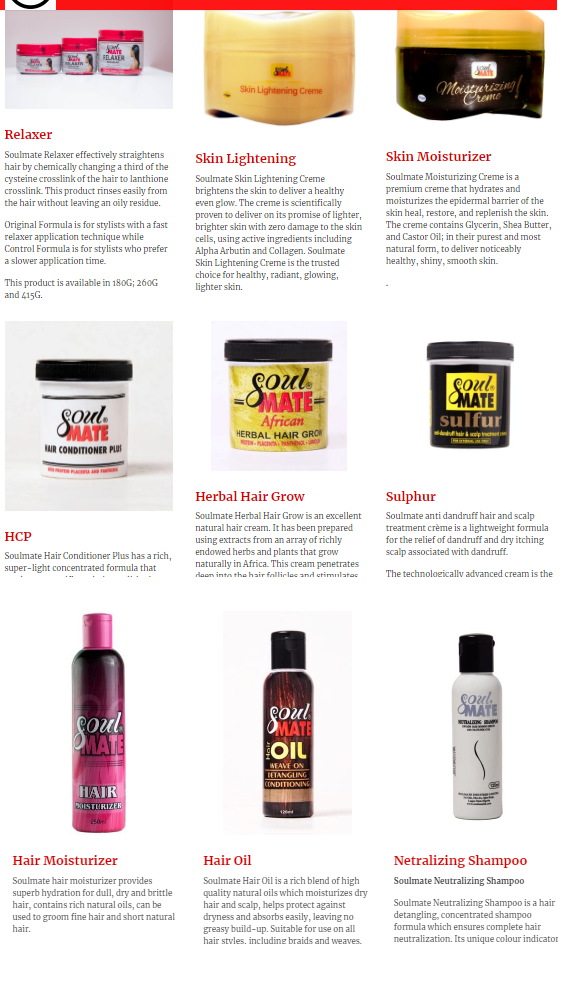
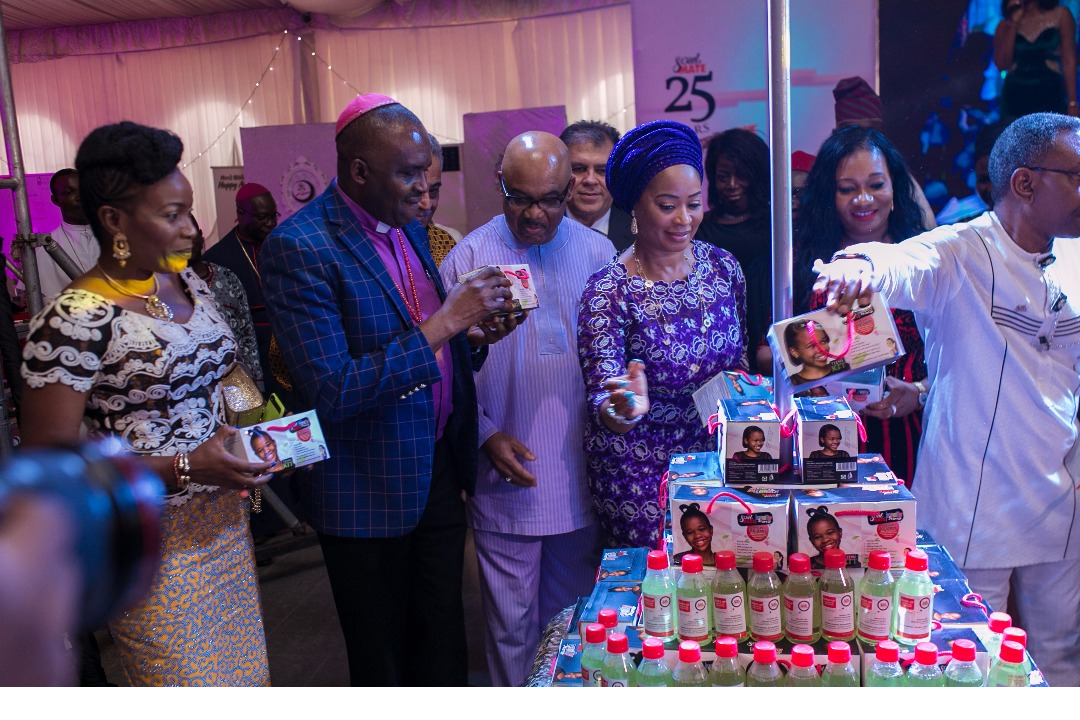
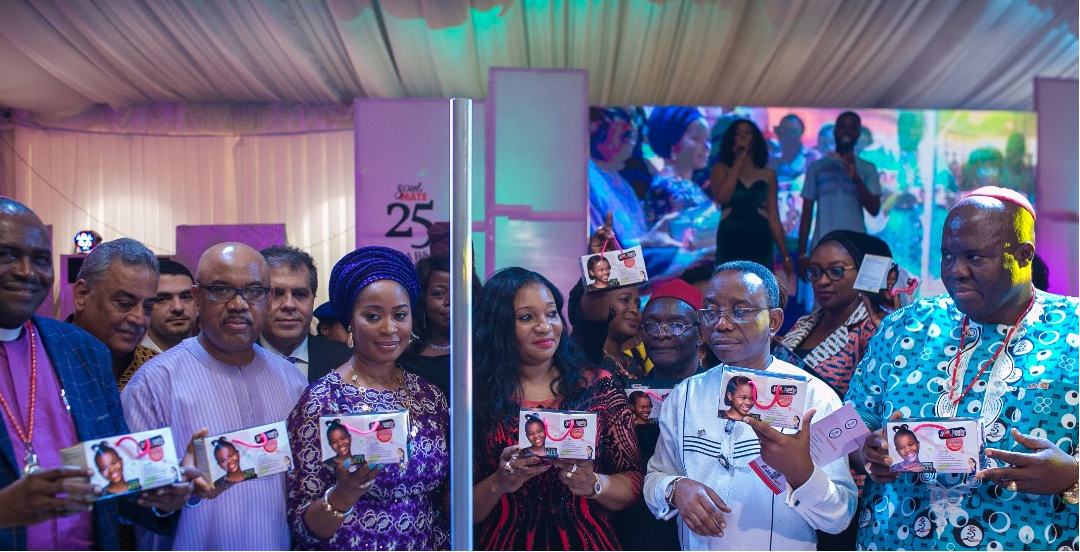
Soulmate Industries Limited recently celebrated its 25th year of product innovations. Soulmate makes hair care and body care products from a mega factory in Lagos. It produces many products in the broad cosmetics sector and has demonstrated that ingenuity, tenacity and excellence can be found in the nexus of the Nigerian manufacturing sector. This is the product brochure.

Soulmate Industries Limited (RC 204468), commenced production of hair care products on January 8, 1992.  The company, since its inception a little over two decades ago, has diligently pursued technical excellence and produced high quality products that competes favourably with any brand across the globe.  Over the years, Soulmate has invested heavily in research and this investment has assisted us in gaining public recognition as producer of high quality products.

With products engineered with “nativity”, creating alignment with human body and the environment, Soulmate has won many awards. The Founder, Sir Ndukwe Osogho-Ajala, was honoured by Nigeria’s former president, President Olusegun Obasanjo, with a national honor, for using entrepreneurial capitalism to create thousands of jobs in his nation. The seed was a university final year project, in a Nigerian university, and the history is playing live.

For these 25 years, the company has designed, developed and produced its products in Nigeria. It owns 100% of its IP and is truly an indegenous African company with one of the largest teams of biochemists, scientists and beauty experts who work on product research and development.

A Tour of Soulmate Industries – Sub-Saharan Africa’s Largest Indigenous Hair Beauty Brand

The next phase for the firm is now Global Expansion. It has deepened its capabilities, learnt anything it wants to learn, and now ready to go global. The paths are many:

  • Partnership with global distributors, including in Europe, Asia, North America and Africa who can put the brands in leading retail chains. Some stores already stock Soulmate products in these domains. But Soulmate is looking at deepening the scale to serve customers, especially in places with high concentration of Africans, European Africans, Caribbean Africans, African Americans and the broad black race through mega stores, mid scale stores. etc.
  • Fulfilment distributors to serve ecommerce platforms like Amazon and Walmart’s JET. Such firms will handle all aspects of managing the relationships while Soulmate provides the products.
  • Joint Ventures (JV) where Soulmate brings its technology for partners to serve local customers by packaging solutions locally.
  • Other suggestions.

If you want to explore with Soulmate, contact tekedia@fasmicro.com or the contact below.

Selected Soulmate Products


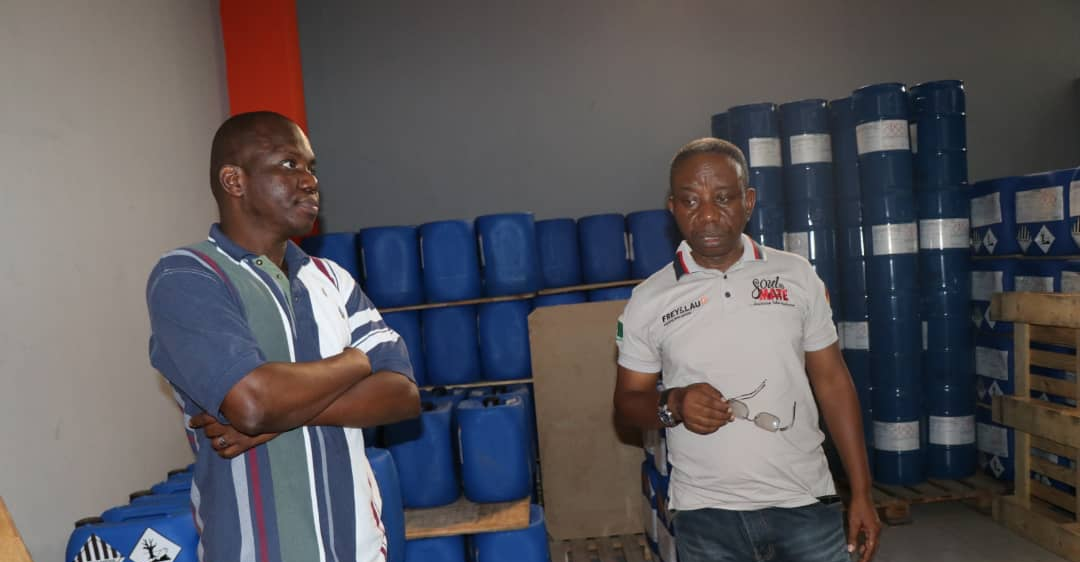
In Soulmate Factory with Founder
Suring Soulmate 25th Celebration in Lagos

Beauty West Africa Exhibition 2019: Fresh Hope for People with Skin Diseases as EWA Showcases Preventive and Curable Products

0

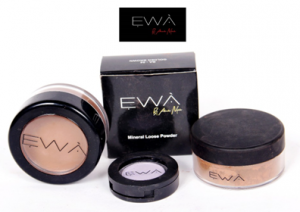
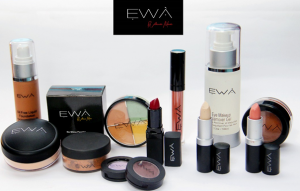
As all roads lead to the 2019 Beauty West Africa Exhibition in Lagos, the manufacturer of EWA brands, one of the companies expected to showcase products for Nigerians and other nationals in the sub-region has hinted that exhibition attendees would have the opportunity to see and purchase various preventive and curable products.

Cosmetics, Skin Care and Makeup, Hair, Nail and Salon Supplies, Personal Care and Hygiene, Professional Equipment and Spa, Perfume and Fragrance, Aesthetic Surgery, Business Solutions, Machinery, Packaging, Chemicals and ?ngredients would be available to the attendees, according to the organisers.

BWA is West Africa region’s largest international beauty and cosmetics show and designed to showcase local beauty entrepreneurs. EWA is joining the event with its high quality and affordable products available to the customers worldwide. The Exhibition starts from  November 20th  and ends on 22nd 2019 at Landmark Event Centre, Lagos.

Source: EWA Cosmetics, 2019

“Whether the world likes it or not, acne is one of the skin problems that would continue to impact quality of life if not treated immediately, especially having preventive solutions rather than reactive ones, Alexander Nylander, Ewa Cosmetics founder, notes.

Nylander adds that bags being used for packaging the products for customers are bio-gradable because EWA knows that the world is working towards making environment friendly for people throughout the world. “Beyond this, EWA is contributing to education advancement across the world with a certain amount committed by the clients to education, to increase humanitarian aid to the education sector,” he points out.

Ewa Cosmetics is bringing preventable and curable products that would help a number of people with diseases such as acne. Recent incidents have shown that many people have missed job interviews and being social gathering due to itching and swelling faces because of acne and other diseases. Here are the specific benefits of acne and blemishes preventative products;

  • Lactic Acid Cleanser solves oily skin and oily T-zone, as well as acne prone skin, due to its lactic acid and citrus concentrates.
  • Salicylic Toner eliminates surface bacteria, prepares skin for further treatment and leaves a refreshed clean surface. It is also particularly effective in getting the outer layer of the skin to peel, which makes it useful in treating psoriasis, calluses and keratosis pilaris
  • Oil Control Moisturizer protects oily skin from moisture loss
  • Sun Protection Moisturizer provides UVA and UVB protection. Skin will benefit from wrinkle fighting Peptides.
  • Gentle Glycolic Face & Body Cleanser provides exfoliative & anti-oxidant properties and helps soothe, soften and heal.
  • Natural Rose Water Toner aids in preventing dehydration while helping to close the pores and refine the skin.

Saudi Aramco’s Potential U.S. Listing and Implications for Nigeria’s Crude Oil Refining Sector

0

Africa’s richest man, Aliko Dangote, is a highly ambitious business magnate that is building the world’s biggest single-train facility in Nigeria—the $9 billion Dangote Oil Refinery Company. Funded with $3 billion equity and $6 billion loan capital, the 650,000 barrels-per-day (bpd) oil refinery is enough to whet the appetite of local and foreign stakeholders who cannot wait for the plant to commence operations in 2020.

But far away in Saudi Arabia, investment analysts dressed in crisp shirts and fine ties on tailored trousers and shiny shoes from New York Stock Exchange, London Stock Exchange Group Plc and Hong Kong Exchanges & Clearing Ltd are pitching Saudi Aramco in what would be the oil giant’s first Initial Public Offering (IPO) after listing in Riyadh Stock Exchange begins on November 17, 2019. Arguably the most profitable company in the world, the Saudi-owned oil giant is planning a 5% ($100billion) IPO of its valuation after the Kingdom’s Crown Prince Mohammed bin Salman valued the company at $2 trillion, a valuation deemed too high by equity analysts. 

The listing is reported as an attempt to raise capital to diversify the economy away from oil, which is logical considering that there has been a retrenchment in oil and gas spending in the Middle East since the past three years and a higher spending on power, particularly in gas generation and Solar PV, according to a report by the International Energy Agency. Similar spending pattern has been witnessed in sub-Saharan Africa, too – less oil and gas spending is offsetting small increase in renewables. 

In Nigeria, that in itself would not bother Dangote since the country is currently suffering paralysis in its own refineries, even as its four underperforming refineries combined together are operating at less than 50% of capacity, inefficient to meet the daily energy needs of over 200 million Nigerians. But when an oil giant like Saudi Aramco that raked in profits of $111 billion—more than the combined profits of Apple, Exxon Mobil Corporation & Amazon—in 2018 financial year picks the New York Stock Exchange as its Exchange for the IPO, what possible effect could this have on Nigeria’s black-gold business?

It would be instructive to first look at the relationship between Saudi Arabia and the US. The 75-year alliance between the Saudi Arabia, the country that owns Saudi Aramco, and the US has been built on a simple arrangement that sees the US demanding Saudi oil and Saudi Arabia demanding American firepower. Saudi Arabia is the US’ second largest supplier of oil, but analysts have predicted that the emergence of the US as a major oil supplying nation indicates that it could be the biggest gainer in any disruption in global oil production. For instance, Saudi Arabia currently meets 20% of oil needs to India, and the quantity of oil imported by India from the US is a paltry 1% of the total country’s import. But deals sealed by the US with gas transportation company GAIL, oil marketing firm Bharat Petroleum Corporation Ltd (BPCL), and Indian Oil Corporation shows that the trend is shifting towards US shale, underscoring the relevance of the US in this Asian market.

Unarguably, the New York Stock Exchange would open up the oil giant to many investments, but so would it to regulatory scrutiny and other litigation issues too. Saudi Aramco has the “No Oil Producing and Exporting Cartels Act 2019”, simply called NOPEC, to worry about. The bill puts OPEC member countries operating in the US at the risk of being prosecuted by the US government if they limit supply or fix oil prices. Saudi Aramco stands the risk of forfeiting its assets in the US, where it owns the largest oil refinery in North America, if found guilty. Assenting to listing in NYSE means that Saudi Aramco risks being exposed to volatility, and even steep falls, in the price of crude oil. In the midst of the concerns, however, the US Presidency is forward on his proposition to Saudi Aramco to list its shares in the US. If it assents, Saudi Aramco’s hedge against this crude price volatility risk may be to draw the White House to sign a deal where the US would make upfront payment of crude oil up to a date agreed by both parties.

Although speculative, but if this happens, in an industry where the economic outlook is muddy, it is likely to trigger similar moves by other oil-producing nations with high crude inventory to guarantee their sales and benefit their buyers with guaranteed supplies likewise—and this is not new in recent times; already, Indian Oil Corporation, India’s country’s top refiner, has signed its first annual deal to buy US oil in February, paying about $1.5 billion for 60,000 barrels a day up to March 2020. It is unlikely that Africa’s largest oil-producer, Nigeria, can guarantee such deals due to its unstable economic and political landscape. It is not with sentiments, therefore, that one would expect lots of volume purchase to go away from West Africa to the US where crude production is increasing, as Head of East of Suez oil for consultancy FGE in Singapore, Sri Paravaikkarasu opined.

Interestingly, Indian and Indonesian demands for Nigerian oil are currently what keeps the Nigerian oil market up, at the moment. Although the Nigerian crude oil is currently enjoying a honeymoon with Californian refiners, as light Nigerian oil is easily processed into higher octane gasoline increasingly used in the US and is offering support for the purchase from European refineries, it is foreseen that such romance may be over in 2020 when the market for marine gas-oil or very low-sulphur fuel oil reaches equilibrium. As Nigeria’s largest buyer, India, deepens its oil trade relations with the US, with that trend expected to continue in light of the above analysis, and as shale oil production and export continues to trend northward since US Congress’ lift on export ban on the oil, Nigeria’s oil inventory is argued to rise beyond normal levels. 

The Dangote Refinery is designed to process multiple grades of domestic and foreign crude, and is also poised to produce its own oil, the quantity put at about 20,000 barrels per day from oil blocks OML 71 and 72. But would the latter even be needed if the refinery’s capacity to meet the demands of local and global oil traders is inadequate? For the foreseen low oil prices and the accompaniment high crude oil inventory may cause oil-producing nations to trim the run rates of their refineries and seek oil products elsewhere. This is already happening with Saudi Aramco: traders from their trading arm are making enquiries about importing refined products, even as one million barrels of the company’s refining operations have been curtailed, releasing medium and heavy crude oil grades for export.

Perhaps the move by the Federal Government of Nigeria to officials of Saudi Aramco for investment in Nigeria’s moribund refineries and liquefied natural gas-producing company would yield fruits, and the promise of the Nigerian government to commence rehabilitation of the nation’s refineries by January 2020 will come to pass. If the recent discovery of oil in Northern Nigeria gives more urgency to this need, it is left for Dangote to decide whether all these points to a threat to, or an opportunity for his mega crude oil project.