DD
MM
YYYY

PAGES

DD
MM
YYYY

spot_img

PAGES

Home Blog Page 673

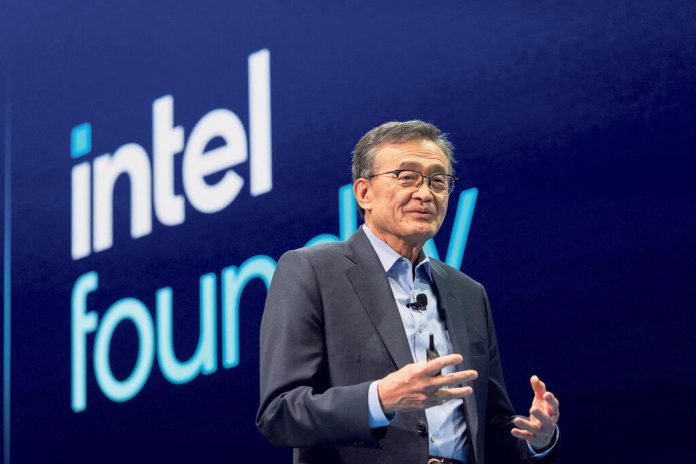
Trump Administration Plots 10% Stake in Intel

0

The Trump administration is reportedly discussing a plan to acquire a 10% stake in Intel Corp., potentially making the U.S. government the chipmaker’s largest shareholder.

The proposal involves converting some or all of Intel’s $10.9 billion in grants from the 2022 CHIPS and Science Act into equity, a move that could be worth about $10.5 billion at Intel’s current market value. The initiative aims to bolster domestic semiconductor production, particularly Intel’s delayed factory hub in Ohio, and reduce reliance on foreign chipmakers like TSMC and Samsung.

This follows a meeting between President Trump and Intel CEO Lip-Bu Tan, sparked by earlier tensions over Tan’s alleged ties to Chinese firms. Analysts note that while federal backing could aid Intel’s struggling foundry business, it may not address deeper issues like its weak product roadmap or challenges in attracting customers.

SoftBank also recently announced a $2 billion investment in Intel, reflecting optimism about its potential turnaround. The U.S. government’s stake in Intel signals a shift toward state-backed industrial policy to secure domestic chip production, reducing reliance on foreign foundries like TSMC (Taiwan) and Samsung (South Korea).

Semiconductors are critical for everything from AI to defense systems, and Intel is the only U.S. company capable of producing advanced logic chips domestically. This move aims to bolster national security by ensuring a stable supply of cutting-edge chips, especially amid geopolitical tensions with China over Taiwan.

The equity stake could provide Intel with immediate capital to expedite its delayed $100 billion Ohio factory hub, intended to be the world’s largest chipmaking facility. This would enhance U.S. capacity to produce advanced chips (e.g., 18A and 14A nodes), positioning Intel to compete with TSMC’s cost advantages and technological lead.

Intel’s stock surged 7-9% after initial reports of the potential stake, reflecting investor optimism about government backing. However, Intel’s 60% market value loss in 2024 and a high debt-to-EBITDA ratio (27.47x) highlight its financial struggles. The government’s investment could stabilize Intel’s balance sheet, fund R&D, and support its capital-intensive foundry business, which has yet to secure major clients like Nvidia or Apple.

Government contracts, such as the $3 billion Secure Enclave program for the Pentagon, ensure a steady revenue stream, reducing Intel’s dependence on volatile commercial markets. This could make Intel a more attractive partner for chip designers, strengthening its foundry ambitions.

The Intel stake follows other Trump administration moves, such as a 15% revenue cut from Nvidia and AMD’s China AI chip sales, a $400 million stake in MP Materials, and a “golden share” in U.S. Steel. This suggests a broader strategy of government intervention in critical industries, moving away from laissez-faire policies.

A 10% stake would make the U.S. Intel’s largest shareholder, potentially influencing corporate governance and strategic decisions. Other nations, like Taiwan with its 6.4% sovereign wealth fund stake in TSMC, use similar models to support strategic industries. The U.S. adopting this approach could normalize government equity stakes in tech, potentially extending to other CHIPS Act recipients.

Competitive Dynamics with TSMC and Samsung

TSMC and Samsung dominate advanced chip manufacturing, with TSMC producing over 90% of the world’s cutting-edge chips. Intel’s 18A node technology aims to close this gap, but delays and operational challenges have hindered progress. Government backing could accelerate Intel’s technological advancements, making it a viable alternative to TSMC for U.S. chip designers like Nvidia, AMD, and Qualcomm.

Trump’s proposed 100-300% tariffs on imported semiconductors could incentivize chip designers to partner with Intel to avoid punitive costs, indirectly boosting Intel’s foundry business. However, this could raise electronics prices globally, impacting consumers and potentially straining U.S. relations with allies reliant on TSMC and Samsung.

The stake aligns with efforts to counter China’s technological ascent, particularly after export restrictions and concerns over Intel CEO Lip-Bu Tan’s past investments in Chinese firms. By securing Intel, the U.S. aims to insulate its supply chain from Chinese influence and potential disruptions in Taiwan, a critical chokepoint for global chip supply.

The focus on Intel’s Ohio project, coupled with political support from figures like VP JD Vance, underscores the domestic political calculus. A successful factory could boost jobs and economic growth in a key swing state, aligning industrial policy with electoral strategy. A government stake could politicize Intel’s operations, with fears of reduced corporate autonomy akin to the U.S. Steel “golden share” precedent, where the government holds veto power over certain decisions.

Analysts argue that Intel’s struggles—weak product roadmap, failure to capitalize on the AI boom, and lack of major foundry customers—may not be fully addressed by government funding. Execution risks, such as further delays in Ohio or 18A/14A node development, could undermine the investment’s impact. Critics warn that state intervention could distort free-market dynamics, favoring Intel over competitors like AMD or GlobalFoundries.

By bolstering Intel’s domestic manufacturing, the U.S. aims to achieve a fifth of the world’s advanced chip production by 2030, reducing dependence on TSMC and Samsung. This aligns with both Trump and Biden administration goals to reshore critical tech infrastructure. A successful Intel foundry could attract major U.S. clients, weakening TSMC’s near-monopoly on advanced chips.

China’s push to develop its own semiconductor industry, despite U.S. export controls, poses a long-term threat. Intel’s government-backed revival could ensure the U.S. maintains a technological edge, particularly in 2nm+ chip production critical for AI and defense. However, Intel’s past ties to Chinese firms, as highlighted by Trump’s initial criticism of CEO Lip-Bu Tan, underscore the need for stringent oversight to prevent technology leakage.

SoftBank’s $2 billion investment in Intel, announced alongside the government’s plan, signals confidence in Intel’s turnaround potential, particularly in chip design for AI applications. This dual backing could draw further private investment, helping Intel scale its foundry business to compete with TSMC and Samsung. However, Intel must demonstrate operational success to sustain this momentum.

A successful Intel stake could serve as a model for future government investments in strategic sectors, redefining U.S. industrial policy. If Intel regains process technology leadership (e.g., with 18A), it could validate state capitalism as a tool for technological supremacy.


Google Has Increased Its Stake From 8%—14% on TeraWulf

0

Google has increased its stake in TeraWulf, a Bitcoin mining and data center company, to 14% from 8%, becoming its largest shareholder.

This follows a $3.2 billion backstop commitment, including an additional $1.4 billion, to support a 10-year colocation agreement with AI cloud provider Fluidstack at TeraWulf’s Lake Mariner facility in New York. The deal involves warrants for Google to purchase 32.5 million TeraWulf shares and expands the facility’s capacity to over 360 MW for AI and high-performance computing (HPC) by 2026.

TeraWulf’s stock surged 12-13% on the news, with a 90% rise over the past week, reflecting investor confidence in its pivot toward AI infrastructure alongside Bitcoin mining. The partnership aligns with Google’s AI ambitions and TeraWulf’s shift to stable, long-term AI/HPC revenue, potentially generating $6.7-$16 billion.

Google’s involvement, as a tech giant, lends substantial credibility to the cryptocurrency mining sector. This move signals to investors that blockchain infrastructure is a viable and strategic investment, potentially attracting more institutional capital to mining companies and related SPACs.

The partnership validates TeraWulf’s zero-carbon infrastructure and its pivot toward AI and high-performance computing (HPC), suggesting that sustainable and diversified mining operations are becoming more appealing to major corporations.

Shift Toward AI and HPC Integration

TeraWulf’s strategic pivot from pure Bitcoin mining to a hybrid model incorporating AI and HPC workloads reflects a broader industry trend. The April 2024 Bitcoin halving reduced mining rewards to 3.125 BTC per block, squeezing profitability and pushing miners to diversify revenue streams.

Google’s $3.2 billion backstop for TeraWulf’s colocation agreement with Fluidstack underscores the growing convergence of blockchain mining and AI infrastructure. This could encourage SPACs to target companies that combine crypto mining with AI/HPC capabilities, as these hybrid models offer more stable cash flows and reduced exposure to crypto market volatility.

For SPACs, this suggests that targeting or merging with mining companies that secure high-profile tech partnerships could lead to significant valuation uplifts and attract retail and institutional investors. TeraWulf’s emphasis on zero-carbon energy aligns with Google’s sustainability goals, making it an attractive partner.

This focus on renewable energy addresses a key criticism of Bitcoin mining—its environmental impact. SPACs targeting blockchain mining companies with sustainable practices may gain a competitive edge, as environmental concerns increasingly influence investor decisions and regulatory frameworks.

Google’s deepened involvement could catalyze consolidation in the mining sector. As tech giants like Google secure stakes in leading miners, smaller or less diversified companies may struggle to compete. SPACs could play a role in this consolidation by merging with or acquiring smaller mining firms to scale operations or pivot toward AI/HPC.

Impact on Blockchain Mining SPACs

SPACs focusing on blockchain mining will likely prioritize companies that integrate AI and HPC, as TeraWulf has done. The dual revenue stream from crypto mining and AI infrastructure reduces risk and enhances long-term profitability, making such companies more appealing merger targets.

For example, firms like Core Scientific and Iris Energy, which have also pivoted to AI, could be prime candidates for SPACs looking to capitalize on this trend. Google’s entry into the sector may intensify competition for high-quality mining companies with scalable infrastructure. SPACs will need to act swiftly to identify and merge with firms that have strong energy-efficient operations and potential for AI/HPC integration.

The TeraWulf deal demonstrates that blockchain mining companies with strong partnerships can achieve significant stock price gains and institutional backing. This could boost investor sentiment toward SPACs in the sector, particularly those targeting companies with similar profiles—sustainable energy, scalable infrastructure, and tech partnerships.

The success of TeraWulf’s partnership may inspire new SPACs to enter the blockchain mining and digital infrastructure space, focusing on companies that bridge crypto and AI. These SPACs could target firms with existing data center infrastructure, low-cost renewable energy access, or partnerships with tech or AI companies, mirroring TeraWulf’s model.

The projected $13.9 billion in additional profits for miners shifting to AI/HPC by 2027, as estimated by VanEck, further supports the potential for SPAC-driven growth in this hybrid sector. Google’s increased stake in TeraWulf signals a transformative moment for blockchain mining, emphasizing the integration of AI and HPC infrastructure and sustainable energy practices.

For blockchain mining SPACs, this development highlights the importance of targeting companies with diversified revenue models, strong institutional partnerships, and environmentally conscious operations. While it enhances the sector’s legitimacy and investor appeal, it also introduces challenges like higher valuations, regulatory scrutiny, and competition for quality targets.

High Ethereum’s Exit Queue Reflects a Mix of Profit-Taking, Strategic Repositioning for ETFs, and Validator Churn

0

The Ethereum validator exit queue has indeed reached an all-time high, with recent reports indicating over 910,000 ETH (approximately $4 billion) queued for withdrawal as of August 19, 2025, leading to a 15-day wait time.

This surge is primarily driven by validators from major liquid staking platforms like Lido, EtherFi, and Coinbase, with some speculating profit-taking after a 160% ETH price rally since April or strategic repositioning for potential staked Ethereum ETFs. Despite the high exit volume, the net outflow is partially offset by 258,951 ETH in the entry queue.

Analysts suggest this reflects a mature staking ecosystem, with validators possibly rotating or restaking rather than fully exiting. However, the backlog could create short-term selling pressure, especially if leveraged staking strategies unwind further.

Implications of the High Exit Queue

The 15-day wait time for withdrawals due to the exit queue backlog could delay this selling pressure, but once processed, the market may see increased spot trading volumes, creating opportunities for arbitrage or scalping strategies.

Despite the exit queue, Ethereum’s staking ecosystem remains robust, with over 36 million ETH (approximately 30% of total supply) staked as of August 2025. This high staking rate reduces the liquid supply of ETH available for trading, which can support price stability or upward pressure in the medium to long term.

The exit queue’s size could temporarily strain liquidity for liquid staking tokens (LSTs) like Lido’s stETH or Coinbase’s cbETH. Heavy redemption requests may cause these tokens to trade at a discount or experience depegging risks if market makers struggle to balance supply and demand. However, the recent drop in the exit queue to $1.78 billion in early August suggests stabilizing redemption pressure, which supports DeFi liquidity.

Liquid staking protocols, which hold significant market share (e.g., Lido with 28% of staked ETH), allow users to maintain liquidity by trading LSTs in DeFi applications. Continued growth in liquid staking could mitigate liquidity concerns by enabling staked ETH to be used as collateral or traded without unstaking.

The exit queue spike may reflect strategic repositioning by large holders (“whales”) preparing for potential Ethereum staking ETFs, as some are unstaking to hold liquid ETH for flexibility in deploying capital into new products. The SEC’s August 2025 clarification that liquid staking tokens are not securities has boosted institutional confidence.

If staking ETFs are approved, they could increase staking participation, further locking up ETH and reducing circulating supply, which may bolster prices but limit short-term liquidity for traders. Ethereum’s protocol limits validator exits to nine per epoch to prevent destabilization, ensuring gradual liquidity shifts.

The balance between the exit queue (910,000 ETH) and entry queue (258,951 ETH) indicates a healthy rebalancing of validator participation, maintaining network security while allowing some ETH to return to circulation. High validator churn, particularly from platforms like Lido, EtherFi, and Coinbase, suggests a dynamic staking ecosystem where participants are optimizing yields.

With nearly 30% of ETH staked, the circulating supply is significantly reduced, tightening liquidity on exchanges. This can amplify price movements in response to demand shifts, as seen with ETH’s rally above $3,800 following the SEC’s staking guidance. Large withdrawals, like the 9,006 ETH moved from Kraken on August 16, 2025, further signal potential liquidity constraints on exchanges, impacting trading strategies and market depth.

Liquid staking protocols like Lido and Rocket Pool mitigate liquidity risks by issuing tradable tokens (e.g., stETH, rETH) that accrue staking rewards while remaining usable in DeFi. These tokens enhance capital efficiency, allowing users to stake without sacrificing liquidity. However, risks like depegging or smart contract vulnerabilities in liquid staking protocols could disrupt liquidity.

Corporate treasury strategies, like SharpLink’s staking and restaking approach, indicate a trend toward locking up ETH for yield, which could further constrain liquidity while reinforcing Ethereum’s ecosystem health. The combination of reduced liquid supply (due to staking) and potential sell-offs (from exits) creates a complex interplay.

Protocols like EigenLayer, which allow staked ETH to secure other networks, are gaining traction (7% of staked ETH). This trend could further lock up ETH, reducing liquidity but offering additional yield opportunities, albeit with added smart contract risks. However, the robust staking ecosystem, with 30% of ETH locked and liquid staking solutions like Lido and Rocket Pool.

Uniswap Foundation Proposal for ‘DUNI’ Highlights the Growing Trends Embedded in DAO

0

The Uniswap Foundation has proposed a new legal and governance structure for its DAO, named DUNI, under Wyoming’s Decentralized Unincorporated Nonprofit Association (DUNA).

This structure aims to provide legal clarity, liability protections, and operational capabilities for Uniswap Governance, setting the stage for activating the long-debated “fee switch.” The fee switch would allow Uniswap’s governance to redirect a portion of liquidity provider (LP) fees—potentially 10-25% on a pool-by-pool basis—to the DAO’s treasury or UNI token holders who stake and delegate their tokens, without increasing costs for traders.

DUNI would maintain Uniswap’s decentralized governance while enabling off-chain activities like contracting, tax compliance, and legal defense. The Uniswap Foundation would act as the ministerial agent, handling filings and appointing service providers, with Wyoming-based firm Cowrie as the administrator.

The proposal allocates $16.5 million in UNI tokens to cover past tax obligations (estimated under $10 million) and fund a legal defense budget, plus $75,000 in UNI for Cowrie’s services through 2026. The fee switch could enhance UNI token value by redistributing fees, incentivizing governance participation (currently under 10% of UNI supply votes).

However, it may reduce LP rewards, potentially impacting liquidity provision, and raise regulatory risks, particularly around securities laws and tax compliance. UNI rallied 6-9% after the August 11, 2025, proposal announcement, reflecting market optimism. Uniswap’s $5.4 billion treasury and $20 billion weekly trading volume underscore the proposal’s significance.

Critics highlight governance centralization, with some delegates controlling significant voting power, and past fee switch proposals failing due to regulatory concerns or voter apathy. The DUNA structure aims to mitigate these by offering legal protections, but concerns about institutional influence persist.

The fee switch has been debated since at least 2022, with prior proposals failing due to regulatory fears and stakeholder conflicts. A 2025 summer vote is planned, potentially bundled with DUNA adoption, to finalize the mechanism.

The DUNA structure could formalize Uniswap’s DAO, enabling the fee switch while addressing legal risks, but its success hinges on community approval and navigating regulatory complexities.

A proposal by Tane allocated $113 million for a treasury delegation program to boost Uniswap’s ecosystem, with a plan to evaluate its effectiveness every three months. This follows the $165M funding plan and focuses on operational and growth initiatives.

The proposal passed, indicating continued efforts to mobilize Uniswap’s substantial treasury for strategic purposes. A proposal aimed to distribute 10 million UNI tokens (worth ~$60M) to underrepresented DAO delegates with less than 2.5 million UNI in voting power but over 80% voting participation. The goal is to enhance accountability and governance participation.

The proposal passed a temperature check vote in November 2023 and is awaiting an on-chain vote. A proposal to amend Uniswap DAO’s governance process was voted on between December 14 and December 21, 2024, aiming to streamline decision-making. The proposal passed with nearly 100% community supported.

The Uniswap community approved two governance proposals allocating $165 million to support the growth of the Unichain network and Uniswap V4 protocol. These initiatives, dubbed “Uniswap Unleashed,” include funding for a new grants program, liquidity incentives, and initial steps toward a “fee switch” mechanism, which would redirect a portion of trading fees to UNI token holders.


Commerce Sec Lutnick Says Intel Must Give U.S. Equity Stake in Return for CHIPS Act Funds

0

Commerce Secretary Howard Lutnick said Tuesday that Intel must give the U.S. government an equity stake in the company in return for CHIPS Act funds.

“We should get an equity stake for our money,” Lutnick said on CNBC’s Squawk on the Street. “So we’ll deliver the money, which was already committed under the Biden administration. We’ll get equity in return for it.”

Shares of the struggling chipmaker climbed nearly 7% on Tuesday, continuing to rally on recent reports that the Trump administration is weighing different ways to get involved with the company. Bloomberg reported Monday that the White House was discussing a 10% stake in Intel, in a deal that could see the U.S. government become the chipmaker’s largest shareholder.

Intel and SoftBank announced Monday that the Japanese conglomerate will make a $2 billion investment in the chipmaker. The investment, equal to about 2% of Intel, makes SoftBank the fifth-biggest shareholder, according to FactSet. The move is part of SoftBank’s broader pledge to expand investment in the U.S. under President Donald Trump’s domestic manufacturing agenda, which has emphasized “reshoring” critical industries such as semiconductors.

Lutnick said any potential arrangement wouldn’t provide the government with voting or governance rights in Intel.

“It’s not governance, we’re just converting what was a grant under Biden into equity for the Trump administration, for the American people,” Lutnick said. “Nonvoting.”

Lutnick also suggested that President Trump could seek out similar deals with other CHIPS recipients. Intel said last fall that it had finalized a nearly $8 billion grant from the law to build its factories. Taiwan Semiconductor Manufacturing Co. (TSMC) was awarded $6.6 billion under the legislation to boost chip fabrication at its Arizona facilities.

Trump’s “Silicon Heartland” Vision

Trump has repeatedly called for more reshoring of U.S. manufacturing to reduce the country’s reliance on foreign foundries such as Samsung and TSMC. Intel has been spending billions near Columbus, Ohio, to build a series of chip factories that the company previously dubbed the “Silicon Heartland.” Intel has said the factory complex would eventually produce the most advanced chips, including AI semiconductors critical to national security and next-generation computing.

However, in July, Intel CEO Lip-Bu Tan warned employees in a memo that there would be “no more blank checks,” signaling the company was slowing down construction of the Ohio factory complex depending on market conditions. The first factory is now scheduled to begin operations in 2030 — a significant delay from earlier timelines.

The Ohio project remains one of the most high-profile initiatives backed by the CHIPS and Science Act, a $53 billion program passed in 2022 to support semiconductor research, development, and manufacturing in the U.S.

“The Biden administration literally was giving Intel for free, and giving TSMC money for free, and all these companies just giving them money for free,” Lutnick said. “Donald Trump turns that into saying, ‘Hey, we want equity for the money. If we’re going to give you the money, we want a piece of the action.'”

Intel’s Struggles in AI and Leadership Shake-Up

Intel has lagged behind rivals Nvidia and AMD in capitalizing on the artificial intelligence boom. The company has poured billions into standing up a manufacturing business, but has yet to secure a significant long-term customer. Intel tapped Lip-Bu Tan as CEO in March after ousting Pat Gelsinger in December.

Tan’s leadership has already been controversial. He met with Trump at the White House last week after the president publicly called for his resignation, citing concerns over his alleged ties to China.

SoftBank’s Strategic Bet

SoftBank’s $2 billion bet on Intel marks one of the most significant U.S. investments by the Japanese group since Trump urged global firms to channel more capital into American advanced manufacturing. SoftBank founder Masayoshi Son has previously pledged tens of billions toward U.S. technology ventures, aligning with Trump’s broader effort to restore the country’s leadership in critical sectors.

With Trump’s administration pushing to secure domestic control of chipmaking, Intel finds itself at the center of both government oversight and foreign strategic investment. The looming equity arrangement, if finalized, would represent a historic precedent: one that gives the U.S. government a sizable stake in one of its most important technology companies.