DD
MM
YYYY

PAGES

DD
MM
YYYY

spot_img

PAGES

Home Blog Page 6890

The main differences between secured and unsecured loans

0

If you want or need to borrow some cash a loan is a popular route to go, and there are two main types of loan to choose between; secured and unsecured. Although they do share some common points there are also some quite major differences between them, and before you pursue either it’s really important that you understand exactly what they are.

First, let’s look at the main features of both types of loan.

Secured loans 

  • Secured loans are tied to something valuable that you already own, such as a property or a car, (known as collateral). You maintain full control of everything, but if you don’t keep up the repayments the lender is legally allowed to take the collateral and sell it – or force you to sell it – to cover the outstanding debt.
  • It’s usually easier to get a secured loan, even with a poor credit history because there is less risk to the lender.
  • Interest rates are generally reasonable.
  • It’s possible to borrow a decent amount of cash.
  • Usually have lengthy repayment periods.
  • In some cases the collateral won’t raise enough to cover a large debt, so you could still end up in debt if you default.

Unsecured loans

  • Usually come as car finance packages, personal loans and student loans.
  • Failure to keep up with repayments can negatively affect your credit score, and legal action may be taken against you.
  • Interest rates tend to be quite high.
  • You need a decent credit score to qualify.
  • Generally good for borrowing sums between £7- 15,000.
  • Some offer repayment breaks.
  • Most lenders expect applicants to have a stable income.

Key differences between secured and unsecured loans

 How decisions are made

In most cases the decision to grant a secured loan secured loan revolves around the prospective borrower being able to offer decent equity, which could be their home (if there is enough free capital after any outstanding mortgage is paid), a car (if valuable enough), or something else such as stocks and shares. On the other hand, decisions about whether or not to grant an unsecured loan are often based on the applicant securing a good score when their income, outgoings and credit history are assessed.

Collateral

You don’t need to risk losing your property or possessions with an unsecured loan, but you should always be aware you could lose what is offered as collateral with a secured loan.

Ease of borrowing

Secured loans are easier to get, especially if you have a poor credit history, or a low credit score for some other reason.

Loan amounts

These are generally higher for secured loans, but there may be a minimum level of borrowing which is above what you actually want to borrow. It can be tempting then to over-borrow as a result.

Interest rates

Secured loans generally have lower interest rates, although anyone with an excellent credit score may qualify for an unsecured loan with a competitive interest rate.

Repayment schedules

In general secured loans offer lengthier repayment plans than secured loans.

Top 10 Startup Funding Deals in Africa – 2019* vs. 2018 (updated)

0
Top ten African deals

The table presents the Top 10 Startup Funding Deals in Africa – 2019* vs. 2018. To qualify, a startup must be:

  • headquartered in Africa OR
  • have Africa as its main market OR
  • is incorporated in Africa

Only private entities – Jumia excluded because it is now a public company. We might have missed some, feel free to list using the comment section below.


Build Your Professional Webinality

0

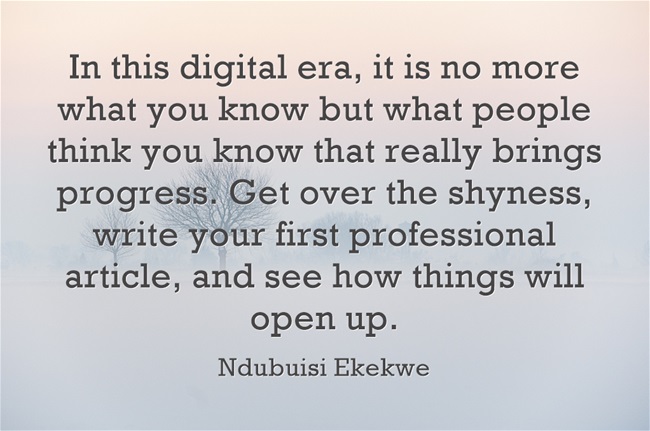
In this digital era, it is no more what you know but what people think you know that really brings progress. Get over the shyness, write your first professional article, and see how things will open up. Here, I have listed some suggestions on how to build your professional webinality (web + personality).


Your Webinality Inc.

Beyond Devices: Apple and Transsion (Tecno Maker)

0

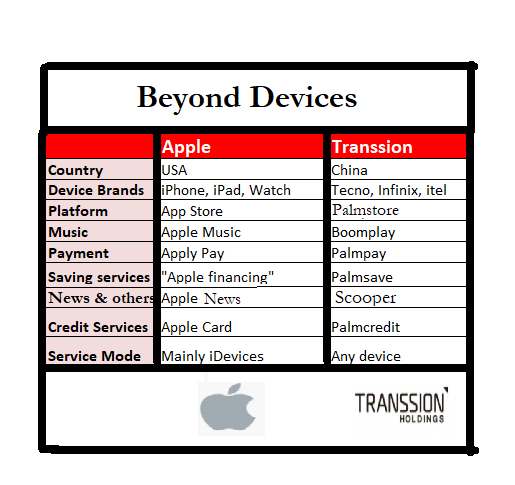
Certainly, it is not evidently fair to put Apple and Transsion Holdings, the makers of Tecno phone brand, on the same table – the capability asymmetry is very huge. Yet, I will like to show this table which depicts how Transsion has been evolving for its potential post-device future. When you count serious fintech companies in Nigeria, you must include Tecno parent company as most of its services are natively integrated in the phones. If the Boomplay does well, Palmpay will follow – and all of them are linked by the very fact that most African users depend on Transsion phones!

Transsion Holdings Co., Ltd. develops and manufactures mobile communication products under the brands, including TECNO, itel, Infinix, and Spice. The company also offers after-sales services under the brand Carlcare, manufactures mobile accessories under the brand Oraimo, and home appliances under the brand Syinix. The company was formerly known as Tecno Telecom Limited. The company was founded in 2006 and is headquartered in Shenzhen, China with additional offices in Shanghai and Beijing, China and Hong Kong. It has operates R&D centers in Shanghai, Shenzhen, and Beijing; China.

Data Sources: Wikipedia, Techcabal, Tecno, Apple, Tekedia

*Scooper is an entertainment platform, different in style from App Store. But that is what Transsion has now.

World Economic Forum Creates Global Councils for Governance of Emerging Technologies

0
4th industrial revolution

By Nnamdi Odumody

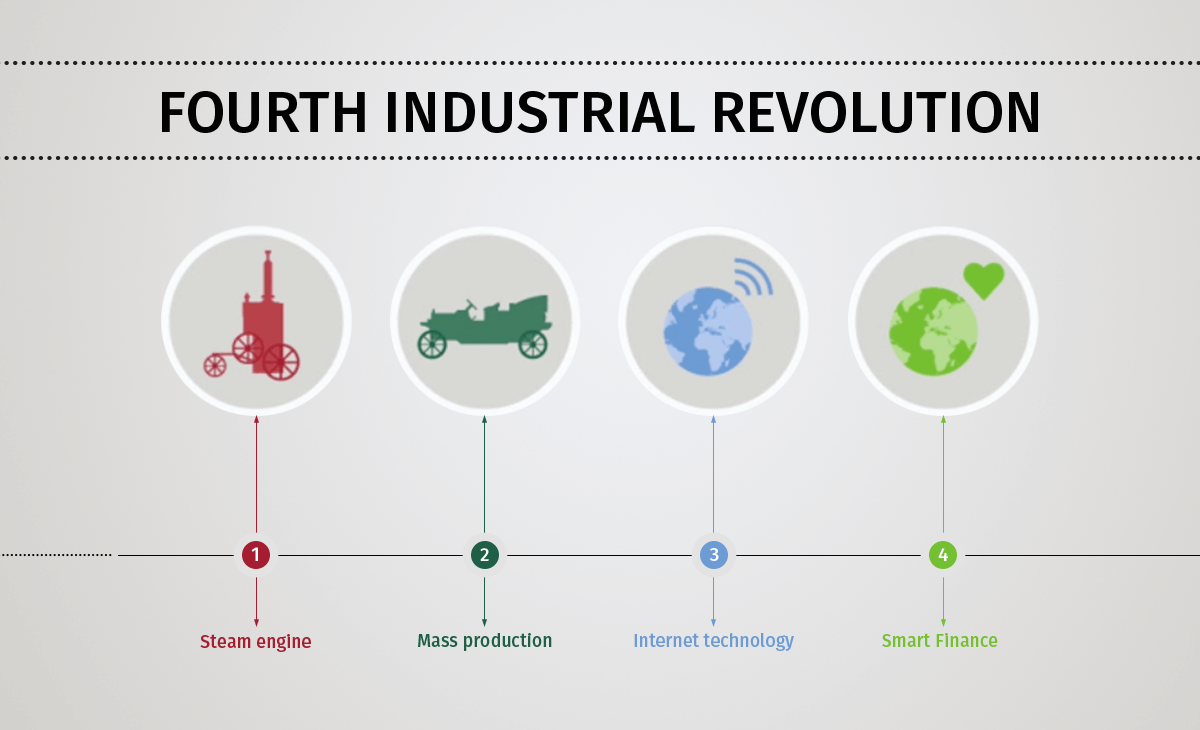
The World Economic Forum recently established six Global Fourth Industrial Revolution councils which will fashion out governance frameworks for emerging technologies. With a focus on artificial intelligence, autonomous mobility, blockchain, drones, internet of things and precision medicine, the global councils are a convergence point for more than 200 leaders from the government, private sector, civil society and academia from around the world.

Global Fourth Industrial Revolution Councils will:

  • Enable cross-country exchange of policy and regulatory experience, including through case studies;
  • Identify and take action to address gaps in public policy or corporate governance through multistakeholder cooperation;
  • Shape a common understanding of “best” or “good” policy practice as a means of enabling better policy coordination within and among countries;

  • Provide strategic guidance to the Centre for the Fourth Industrial Revolution Network regarding the governance projects and pilots it undertakes.

The Councils members will work together to develop policy guidance and address ‘’governance issues’’ for emerging technologies. According to Richard Samans, Managing Director and Head of Policy and Institutional Impact at the World Economic Forum, companies and governments are not moving fast enough to anticipate social expectations in the Fourth Industrial Revolution, and that this bottom up, societally focused approach can help to build and maintain public trust in the technologies while strengthening evidence, upon which policy decisions are made by governments and companies.

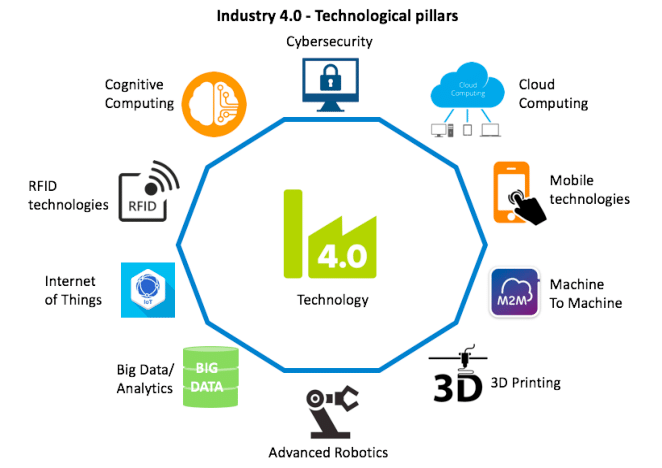
Technologies for industry 4.0 (source: researchgate)

The Global Fourth Industrial Revolution Councils will enable cross country exchange of policy and regulatory experience including through case studies, identify and take action to address gaps in public policy or corporate governance through multi-stakeholder cooperation, shape a common understanding of best or good policy practice as a means of enabling better policy coordination within and among countries, and provide strategic guidance to the Centre For The Fourth Industrial Revolution Network, regarding the governance projects and pilots it undertakes.

The Councils Chairs includes leaders from the Chinese Academy of Medical Sciences, Dana Farber, European Commission, Microsoft, Uber, World Bank, etc.