DD
MM
YYYY

PAGES

DD
MM
YYYY

spot_img

PAGES

Home Blog Page 6953

Fintechs, Apple Just Changed Your Sector with Number-less, CCV-less, and Non-Expiring Card

0

Apple unveiled many services today – TV channel dedicated to publishing cutting-edge content, subscription gaming, news and TV services. It also announced a credit card in partnership with Goldman Sachs and MasterCard. If you use Apple products and shop in the Apple ecosystem, there is no reason not to get the Apple credit card which offers up to 3% cashback.

Apple is partnering with Goldman Sachs to make its own credit card due out this summer — no plastic required. Apple Card will be available on all iOS devices in the Wallet app. It has a rewards system that adds 2% of any Apple Pay purchase amount directly back to the Apple wallet as cash. The deposits are made daily, and the reward goes up to 3% for purchases of Apple products and down to 1% for purchases made with the physical card.
Every purchase needs a fingerprint or face-identification confirmation. For privacy reasons, Apple said it doesn’t track where payments are made or for how much. The budgeting features are done on device, and Apple said it will not sell user information to third-parties.
An optional physical card is available, but in typical Apple fashion, it’s a laser-etched titanium rectangle. Apple likes to be minimalistic when it comes to design, so there is no expiration date, card number or security code on the card — only in the app. Cook said he believed the card would be “the most significant change in the credit card experience in 50 years.”

In this announcement, here is the real deal – ‘Even with the physical card: “The physical credit card will have no account number, no CCV, no expiration date and no signature. This is a nice touch that shows their commitment to privacy and I suspect it will become the industry standard.”’This is a superb friction-free experience that will challenge industry leaders.
I certainly believe that from tonight most fintech entrepreneurs will start thinking about their products as Apple is radically changing the industry with the format of this credit card. When a card does not have account number, CCV, expiration date and signature, it is purely evolutionary in the current scheme of finance. 
The card has a PLASTIC which enables you to just use it as any other card in the world – Visa, Mastercard, Amex. So, it is not restricted to Apple world. The notion that without expiration date, CCV and card number written on a card makes it not usable outside Apple ecosystem is not correct. Apple can put those in the chip and keep all clean. But it will have APIs for startups that want to process payments online for Apple card users since there is no account number to enter. So this will change the current flow where users are expected to enter numbers, expiration date  and CCV as they buy things online.
This is a big push for Apple as it enters the post-iPhone-centric future, into services.

LinkedIn Comment on Feed

  1. Apple has landed with Evolution 3.0, and just from unveiling alone Apple is already cornering and locking up substantial market share in that space. That of Apple Card could tempt one to ask, why hasn’t any firm thought of it this way before? Perception! Apple occasionally doesn’t do ordinary things, but rather it does the seemingly ordinary thing in an extraordinary manner. Of all the services unveiled, that of Card is likely to become the new world order, leading to rethinking and reimagining in several quarters. Again, Apple has demonstrated that it’s not your everyday corporations, that whenever it wants to change the basis of competition, it manages to make you think and feel differently. We wait to see how the amalgam of services would change its fortunes. Oprah Winfrey ‘finished’ it during the unveiling, “They are in a billion pockets”. That’s actually where Apple is starting from, suddenly it’s a hit!
  2. Yeah, Apple has proved again to be a category king in their line of business. I have always wondered why a company has not come up with a single card in Nigeria where you could link your Bank accounts and use different codes to access / call up say Bank A, Bank B etc instead of carrying 4 to 5 different ATM cards. This will be interesting to see in Nigeria. Whoever is able, can take up this challenge if you can, but remember me when it comes to fruition.
  3. Without CSV, expiration date, that card will be limited to the Apple eco system alone. If this is the case, how does this differ from a store card? I need to ship on Amazon or pay the extras of hotel bill, or the doctors bills. This is just additional plastic weight in our wallets and purse. Just an enhancement of the traditional store card with an apple logo print
    1. First the card exists as a digital and plastic version. Then the card can be used wherever Apple Pay is accepted. So the question is if you own a business, does apple compete well with the likes of visa, AmEx…? If it’s fees are lower, I will make sure I have it at my point of sale. You the customer of both me and apple will use the card at my business and apple will give you 3% back. Which is just one of the offerings. It’s also competing on interest rates. But it can do that as it has its ecosystem which other financial giants don’t have. It is expanding its “value per Apple ID”
    2. My Comment: If you click and read, the card has a PLASTIC which enables you to just use as any other card in the world – Visa, Mastercard, Amex. So, it is not restricted to Apple world. The notion that without expiration date, CCV and card number written on a card makes it not usable outside Apple ecosystem is not correct. Apple can put those in the chip and keep all clean. But it will have APIs for startups that want to process payments online for Apple card users since there is no account number to enter. That is my point of insight because that will change the current flow where users are expected to enter numbers, date etc.
Kobo360 Wins Africa CEO Forum “Disrupter of the Year” Award

0

Ndubuisi Ekekwe had since resigned from Kobo360 board.

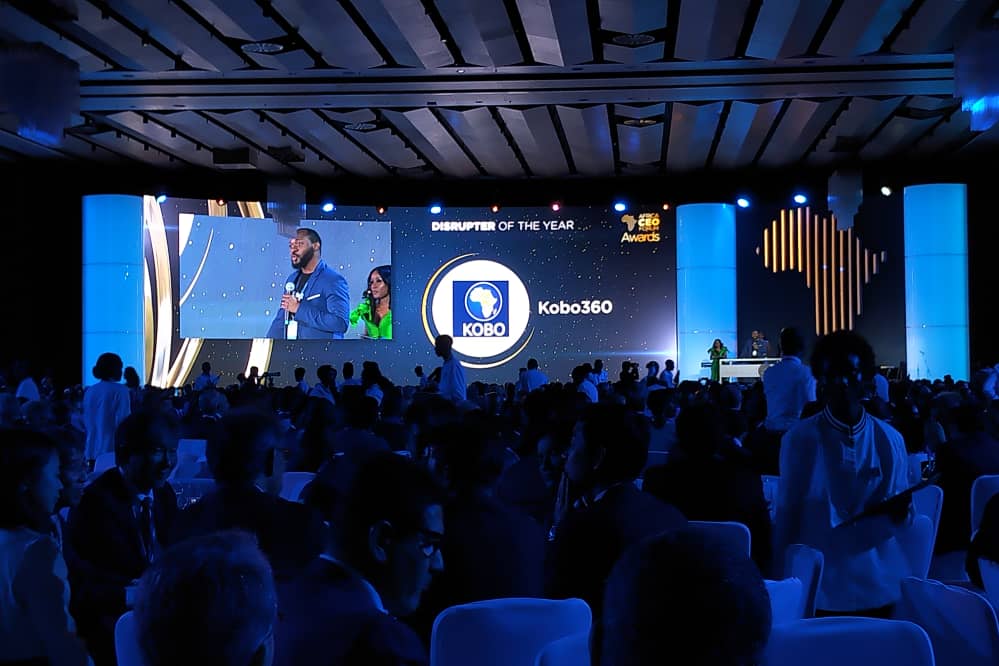
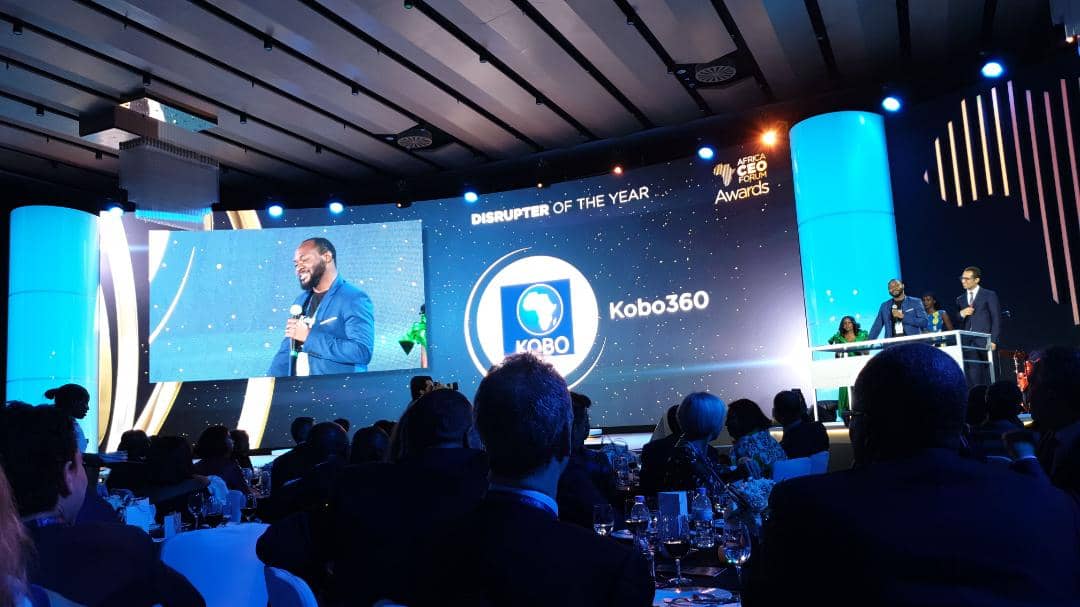
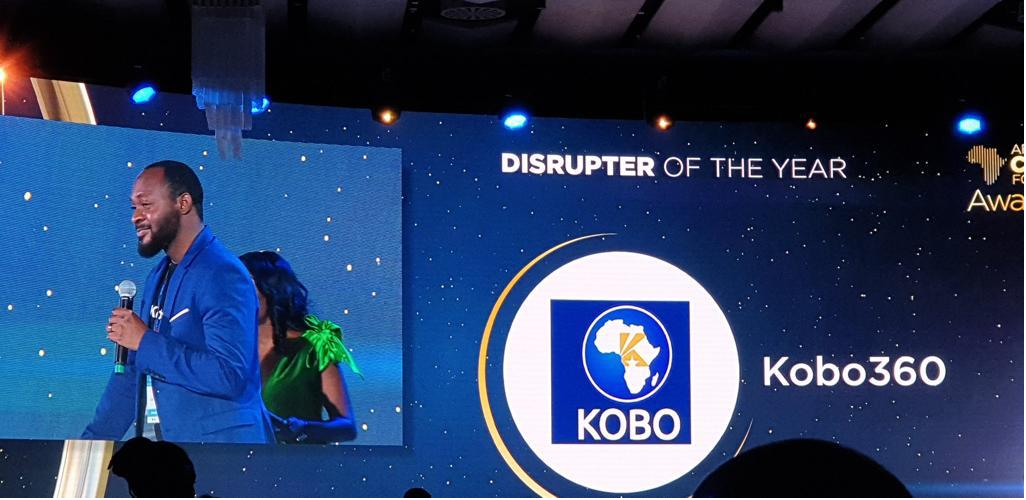
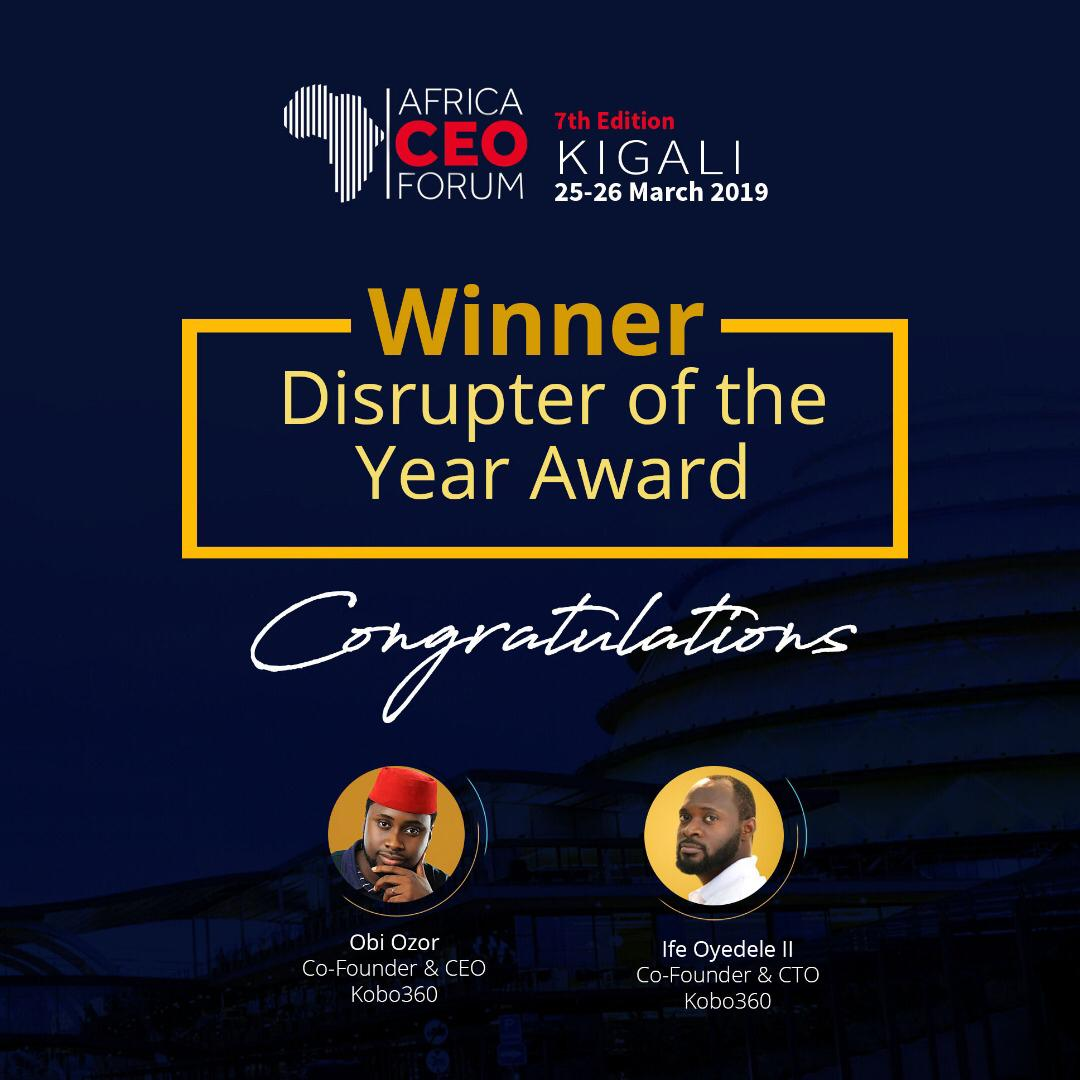
Africa’s pioneer leading digital logistics innovator, Kobo360, wins Africa CEO Forum “Disrupter of the Year” Award. To all our team members especially KoboSquad Commandants, Obi Ozor and Ife Oyedele II, I extend my BIG congratulations. The mission of fixing Africa’s logistics frictions via Kobo360’s G-LOS (global logistics operating system) is a huge one for our continent. Kobo360 came on top of Jumia, Africa’s Talking and others to win the award.

On behalf of Kobo360 Board, I extend congratulations to all KoboSquads.

Kobo360 is a tech-enabled digital logistics platform that aggregates end-to-end haulage operations to help cargo owners, truck owners and drivers, and cargo recipients to achieve an efficient supply chain framework. Through an all-in-one robust logistics ecosystem, Kobo uses big data and technology to reduce logistics frictions, empowering rural farmers to earn more by reducing farm wastages and helping manufacturers of all sizes to find new markets. Kobo enables unprecedented efficiency and cost reduction in the supply chain, providing 360-visibility while delivering products of all sizes safely, on time and in full. The Kobo mission is to build the Global Logistics Operating System that will power trade and commerce across Africa and Emerging Markets

From the award scene

The AFRICA CEO FORUM is the largest international gathering of African private sector decision-makers and financiers. At its previous edition in Abidjan in March 2018, it brought together 1,500 business leaders, public decision-makers and investors from Africa and around the world for two days of discussions around the need to transform African champions in the face of international competition. The Forum is organized by Jeune Afrique Media Group, publisher of Jeune Afrique and The Africa Report, and by Rainbow Unlimited, a Swiss company specializing in the organization of economic promotion events.

Transsion, Makers of Tecno, Infinix and Itel, To Go Public in Shanghai Stock Exchange

0

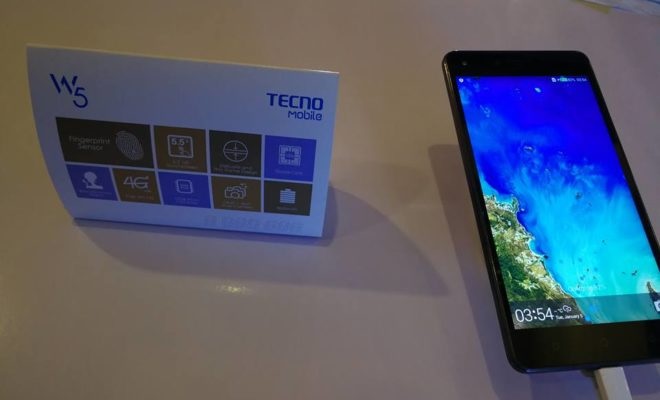
Transsion which owns brands like Tecno, Infinix and Itel, controlling 58.7% of Africa’s mobile phone market, as at 2018, plans to go public in the Shanghai stock exchange..

Shenzhen Transsion Holdings, which makes three of every 10 smartphones sold in Africa, has thrown its hat into the ring to raise capital on Shanghai’s tech board via an initial public offering (IPO), becoming one of the first among China’s home-grown technology champions to kick off President Xi Jinping’s fundraising project.
The company completed a three-month counselling period from December 2018 until March, during which an investment bank provided guidance and advice on the IPO applicant’s finances, management and corporate governance, according to Citic Securities , the sponsor of Transsion’s fundraising. The announcement did not disclose the amount of capital Transsion would raise.
[…]
The company sells its phones under three brands: Tecno, Infinix and Itel, with 58.7 per cent share of the market for so-called feature phones without gesture commands, according to IDC data. Among smartphones, Transsion’s market share was 34.3 per cent, beating Samsung’s 22.6 per cent and Huawei’s 9.9 per cent. The company shipped 130 million phones last year, Transsion said, without disclosing its revenue or profit figures

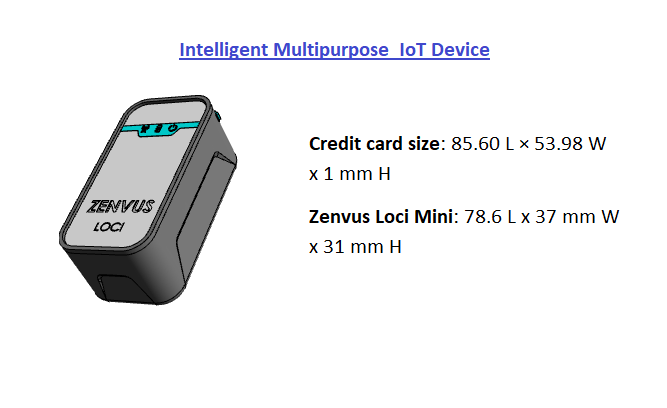
Unpainted 3D-Printed Zenvus Loci Enclosure

0

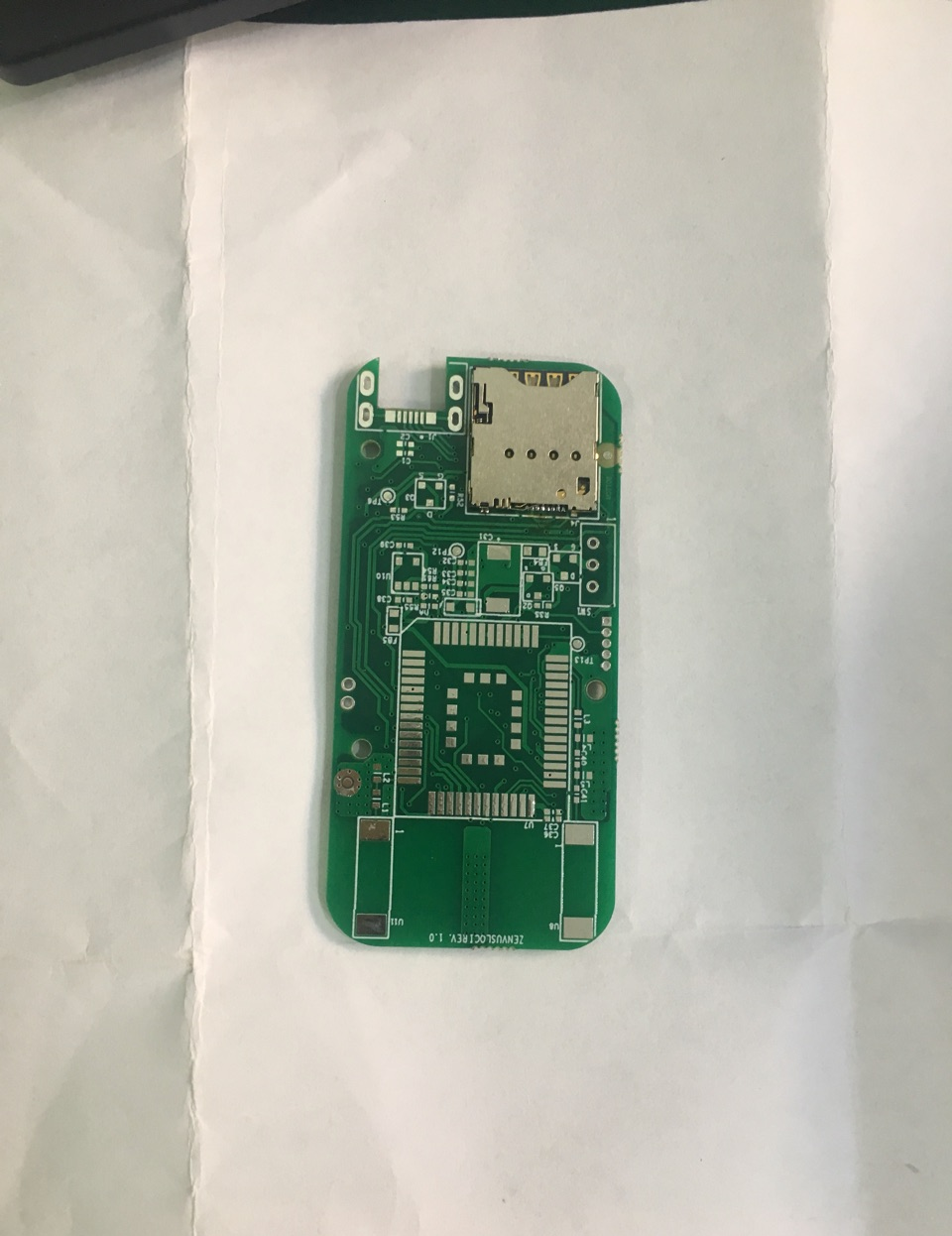
Zenvus Loci is now on the journey to market. We have booked key orders even before launch! I am still looking for partners across Africa. Let us know if you are interested. At the moment we are explaining this product only to partners; later, we will explain to the consumers. The pictures are unpainted yet and I am sharing from fab.

In Q2 2019, our business will launch a platform-anchored hardware product, named Loci, engineered for both consumer and enterprise markets. As a company built on partner-first go-to-market strategy, we are looking for partners across Africa.

Our solution will work in the following sectors: security, transportation, logistics, and general mobility. This product is coming out of a real market friction I faced when I visited Nigeria in October 2018. So, we do think many are experiencing the same challenges. Hence, we want to hit the market with a solution, using available proprietary technologies we have already developed in Zenvus.


Zenvus Loci Mini Size


We’re Launching A New Hardware Product (Loci), Distribution Partners Wanted

The China’s Industrialization Policy is Now Outdated for Africa [Audio]

0

In this Tekedia Daily, I explain why Africa must redesign the China’s industrialization policy which many of the countries are adopting. As I note, China’s policy is now outdated because of many elemental changes in technology and globalization. So, what worked for China 30 years ago cannot work for Africa today despite our perceived thinking that we have comparative advantages that will shift the Miracle of China to Africa. A big dislocation has arrived in the world of commerce; I explain. China understands that, and has since updated and upgraded what was working until it began to lose steam.

There is a new world where AIs are signing contracts to make music for record labels. Yes, music will not be personalized. You can listen to Davido or Beyonce but we can have many flavors of Davidos and Beyonces, all AI-personalized to just be Davido or Beyonce singing for you!

Warner Music has become the first major label to sign a record deal with an algorithm. The German mood music app Endel has been signed to create 20 albums this year alone with five already released. The app creates personalised soundscapes for users depending on their requirements, whether it be to relax or to focus. The official site refers to it as “a cross-platform audio ecosystem”.

LinkedIn Comment on Feed

  1. Interesting and beautiful. Yet there lots we can learn and apply from China. Nevertheless the mistake would be trying to copy and paste what worked in a system into another totally different system whether from China or anywhere else. (Even in personal computers, copy and paste doesn’t always work if the format or tech is fundamentally different.) Historically and unfortunately many Africans think they can always copy and paste progress from somewhere else without factoring in fundamental differences. Perhaps we should learn as much as possible from China and the rest of the world but factor in the technological, demographic, economic, and cultural variations and more while we try to leap frog developments.

  2. As always, what brought you success in the past may not be able to guarantee your relevance going forward. Many changes have happened in the last few decades, so citing how China did it and using the same logic in the era of knowledge economy says a lot about how detached some policymakers are from reality. But the biggest challenge is in the education sector, how relevant most of the contents being taught to young people in the universities are could be anyone’s guess. If we cannot win via industrialisation, at least let’s put up a fight via knowledge acquisition and application.