DD
MM
YYYY

PAGES

DD
MM
YYYY

spot_img

PAGES

Home Blog Page 7029

Michael Bloomberg Combined Gift To John Hopkins University Now Exceeds $3.35 billion

0

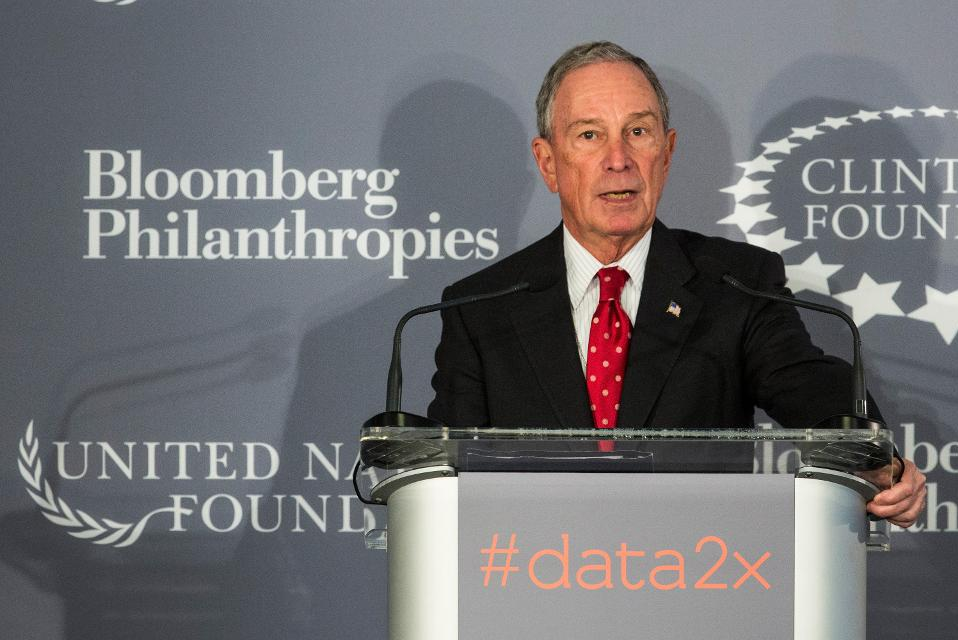
Michael Bloomberg gave Johns Hopkins University $1.8 billion. It’s thought to be the largest private donation in modern times to higher education. The money will support financial aid for students at the alma mater of the former New York City mayor.

Ronald J. Daniels, the President of the Johns Hopkins University, sent an email early this morning, informing the alumni community that Michael Bloomberg dropped $1.8 billion to the university.

In 1873, Johns Hopkins made a gift of $7 million for the university, seeding America’s first research university. That gift was the largest in the generation.

When I got into this university, I spent the first “light” days reading the formative phase of that school. Daniel Gilman, Johns Hopkins first President, was everywhere: founded Sheffield Scientific School in Yale; was President in University of California; Founding President of Carnegie Institution, etc.

As an engineering student studying the history of a university, his inaugural speech in 1876 got me: “our simple aim is to make scholars, strong, bright, useful and true.”

We are trying to do this with no controversy as to the relative importance of letters and science, the conflicts of religion and science, or the relation of abstractions and utilities; our simple aim is to make scholars, strong, bright, useful and true.

That moment, he seeded the first postgraduate education in America. I copied that statement as the vision of my ill-fated First Atlantic University which I had hoped would “clone” the university in Nigeria: “to discover and make scholars, noble, bright and useful”.

Mr. Bloomberg: Thank you.


An email from the University President to alumni of the university.

Dear Members of the Johns Hopkins Community:

When we gather with family or friends to celebrate Thanksgiving later this week, many of us will begin the holiday meal by expressing our gratitude for the blessings we have received.

Today, we are grateful and humbled for one more, extraordinary blessing.

Michael R. Bloomberg, graduate of the Class of 1964 and former chair of our board of trustees, has made a gift to us that is staggering in its vision and breathtaking in its impact: $1.8 billion to dramatically and permanently expand undergraduate financial aid at Johns Hopkins University.

This historic gift reflects Mike Bloomberg’s deep belief in the transformative power of higher education and his insistence that it be accessible to all qualified students, regardless of financial means. It also affirms Mike’s profound devotion to this university for the role that it played in enriching his life.

This belief in the role of higher education was central to the monumental gift we received at our founding. Johns Hopkins’ $7 million gift in 1873 was heralded by the New-York Tribune as “one of the grandest bequests ever made to any city.” In its day, Mr. Hopkins’ philanthropy was the largest ever given to a university and a hospital. It reverberated around the nation and launched America’s first research university on a path toward seminal achievements in virtually every sphere of scholarly endeavor.

Though he did not provide detailed instructions for the university he dreamed into being, Mr. Hopkins envisioned that it was to be an institution open to students not on the basis of their financial wherewithal but on “their character and intellectual promise.”

We have long sought to honor this directive, and we have been supported by a legion of committed donors. But we have never been fully able to realize the inspiring vision of a university that is open to, and supportive of, all high-achieving students regardless of their means or backgrounds. Our dedicated financial aid endowment was simply too small. Now, as a consequence of Mike Bloomberg’s extraordinary gift, we will be fully and permanently need-blind in our admissions and be able to substantially enrich the level of direct assistance we provide to our undergraduate students and their families.

Beginning in the fall of 2019, Johns Hopkins will be a loan-free institution. We will replace all undergraduate student loans with scholarships, and we will reduce overall family contributions to financial aid. In addition, for the spring 2019 semester, we will offer immediate loan relief to every enrolled undergraduate student whose financial aid package includes a federal need-based loan.

Coupled with expanded recruitment and post-enrollment support programs, these new financial aid offerings will ensure that we are able to recruit more first-generation and low-income students and provide them with full access to every dimension of the Johns Hopkins experience. Our goal is to attract and support a student body in which at least 20 percent of our students are eligible for federal Pell grants by 2023.

With this gift, Mike Bloomberg’s combined philanthropy to Johns Hopkins exceeds $3.35 billion. This constitutes the largest philanthropic investment ever made to any institution of higher education in the United States. In this, his unparalleled generosity echoes and honors the example forged by Johns Hopkins almost 150 years ago.

On behalf of the entire Johns Hopkins community, I express our heartfelt gratitude and appreciation to Mike Bloomberg, and reaffirm our sincere determination, in word and in deed, to vindicate the very substantial trust he has reposed in us.

I can think of no better way to begin this holiday season. We are profoundly grateful. We are truly blessed.

Sincerely,

Ronald J. Daniels
Last Mile Connectivity in Nigeria

0

By Olayinka Oduwole

I recently wrote a piece on the global outlook on 5G and there was an interesting comment about meeting the last mile connectivity in Africa. In this new piece, I address some of the barriers towards achieving last mile connectivity in Nigeria and conclude with some recommendations that may help address these barriers.

In recent times, there has been an appreciable number of submarine cables landing in Nigeria delivering a capacity of about 15-19 tbps to the country (this number is subject to verification). However, a noticeable challenge that has been highlighted is that most of these cables land in Lagos. The Government has pointed out the need to establish other landing points outside this major city (e.g. Ondo, Delta, Rivers, Bayelsa) to drive down costs and for security reasons.

Furthermore, it has been noted that multiple operators have island of cables that are not interconnected within similar regions of high traffic; this therefore implies that regions like Lagos have multiple fibre coverage while other regions e.g. rural areas lack fibre coverage. This poor network planning is one of the main factors contributing to the poor last mile connectivity in Nigeria.

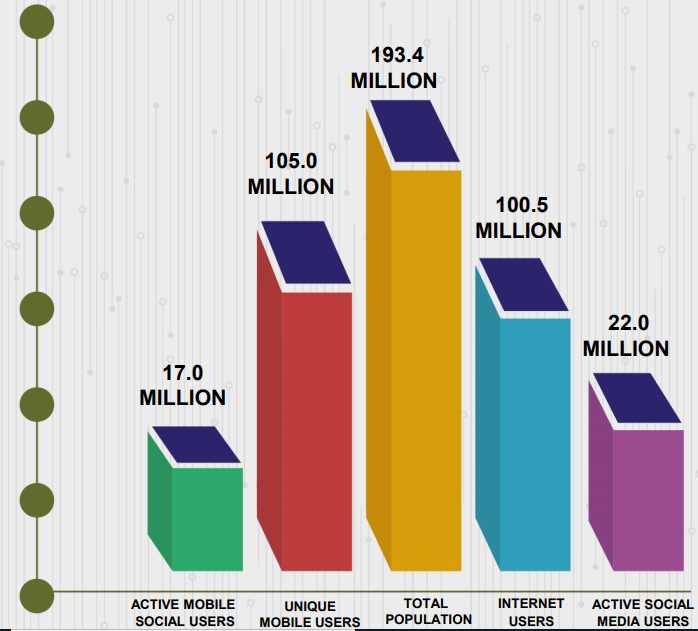
Source: Terragon

Furthermore, from a telco’s perspective, the poor return on investment means that telcos’ are discouraged from deploying telecommunication infrastructures in rural or under-served areas.

In order to address the last mile connectivity, it’s important that the Government create incentives that would encourage telcos to invest in connectivity in rural areas and other less profitable regions. This can be achieved through the efficient use of the Universal Service Provision Fund (USPF), a fund representing mandatory contributions from mobile operators and telecommunication service providers to address the digital inequalities. For instance, USPF can be used to cover the costs of deploying extended fibre coverage to rural areas; this would then encourage telcos to invest in rural connectivity. Data from A4AI shows that the USPF in Nigeria is spent annually on various projects within the country. Perhaps, a transparent system of documenting and providing information on the exact projects and cost of projects funded by USPF annually should be encouraged.

Data connectivity

Besides, technological solutions such as the deployment of low cost small antennas with green initiatives can be deployed in rural areas to help address the poor rural connectivity. This would no doubt help drive down costs associated with CAPEX and OPEX. The use of Satelites, as an alternative technology, can also help address this connectivity challenge; however, the huge cost associated with this technology may hinder its deployment in rural areas. Companies looking to deploy rural connectivity solution should also be offered incentives by the Government to encourage their investment in these deprived areas.

The Government should also consider policies that would support both an active and passive sharing of infrastructures among operators whilst supporting net neutrality. Passive infrastructure sharing is already prevalent in Nigeria, with the likes of IHS Towers acquiring towers belonging to MTN, Airtel and 9mobile. Active infrastructural sharing, on the other hand, needs to be encouraged and would require a close knit collaboration among mobile operators. It may squeeze operators’ margin but would no doubt help in pushing broadband prices down.

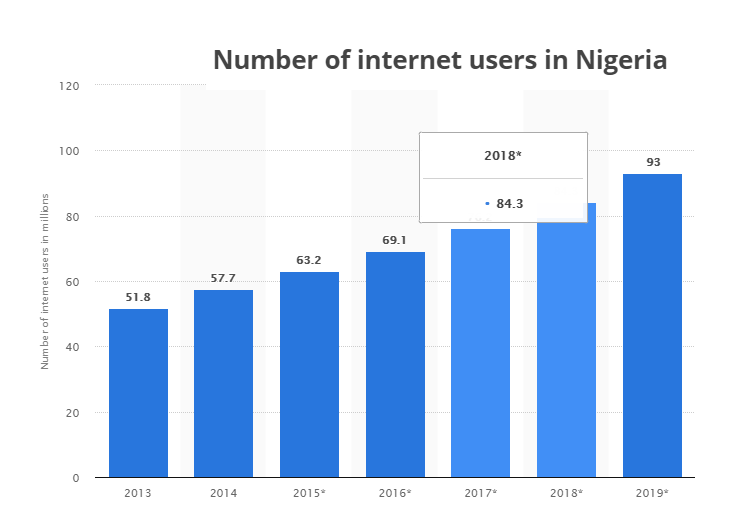
Source: Statista

Poor network planning was mentioned as a barrier contributing to the poor last mile connectivity. The rapid explosion of the telecommunication sector in Nigeria was not anticipated by the Government; this therefore means that little or no plans were in existence to deal with the rapid explosion. Market forces thus became the driving force determining where and when to deploy new networks. This has thus created a digital divide among different regions of the country. In order to address this challenge, it is important for the regulator to work alongside telcos to plan new networks and perhaps encourage the deployment of fibre layout during the construction of new infrastructures like roads, homes, buildings etc.

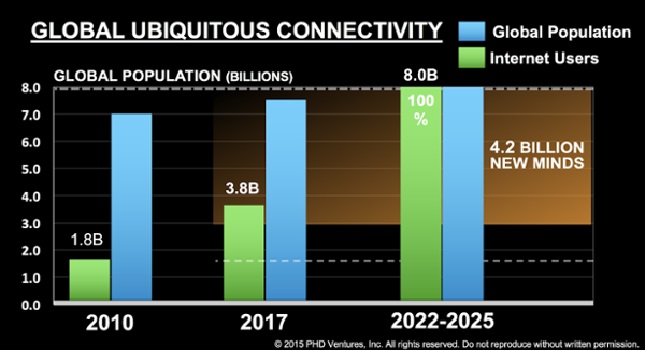
As earlier stated, market forces are incapable of bridging the digital divide that currently exists in Nigeria. Achieving last mile connectivity in Nigeria no doubt requires a concerted effort among Government, Civil Society Organizations, Policy makers, mobile operators, service providers, academia etc. It also requires a combination of solutions ranging from policies to technologies, transparency to regulations etc. As the United Nations has stated, ‘Access to broadband is a human right’. Hence, it is important that Nigeria looks into achieving last mile connectivity and most importantly ensure that none of its citizens are left behind in the digital race, especially as the world looks to move into an era of ubiquitous connectivity, massive data and internet of things.

Visiting London; Planet Earth (UK) Inclusion in “Five African Science & Technology Pioneers”

0

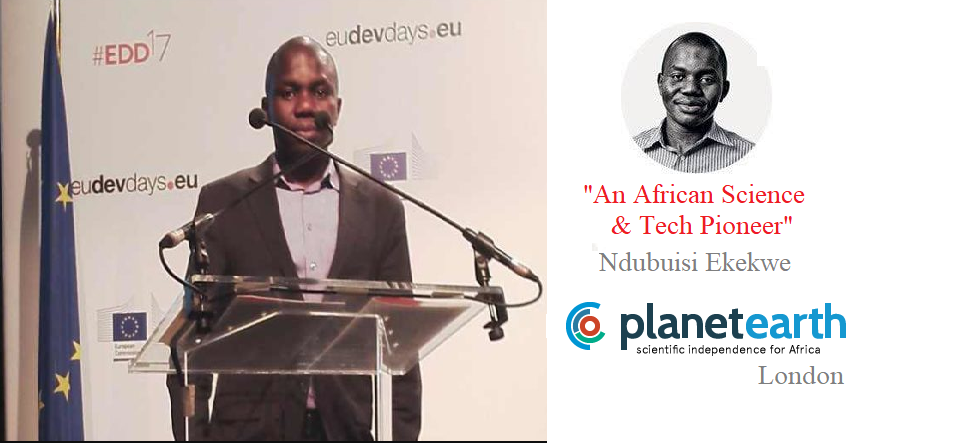
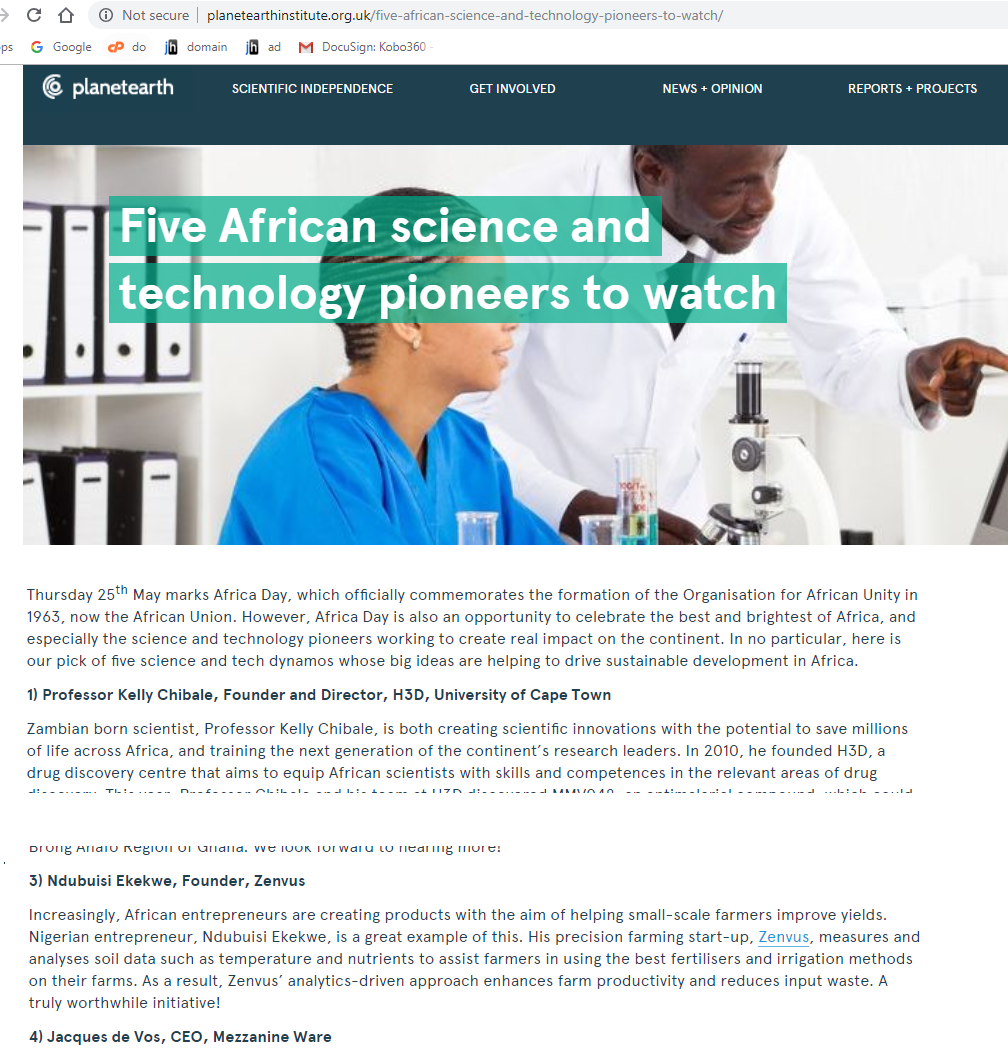
I will be in London in February to give a talk [private type hosted by moneymen]. While in town, I would visit a British non-profit, Planet Earth, which honored me as an “African Science & Technology Pioneer” during Africa Day.  The non-profit which is chaired by a former Chief Secretary to the Treasury under ex-UK Prime Minister Rt Hon Tony Blair, selected me among the “five science and tech dynamos whose big ideas are helping to drive sustainable development in Africa”.

Africa Day is also an opportunity to celebrate the best and brightest of Africa, and especially the science and technology pioneers working to create real impact on the continent. In no particular, here is our pick of five science and tech dynamos whose big ideas are helping to drive sustainable development in Africa.

Let me know if you have programs we can connect while I am in UK.

IOTransfer 3 Is An Impressive iPhone/iPad Management Solution

0

I use Apple products like iPhone and iPad  on the go but I prefer my Windows PC at home. To deal with the interface, I have looked for a way to manage files between my iOS devices and Windows PC. Good people, I have a very impressive solution: IOTransfer 3.

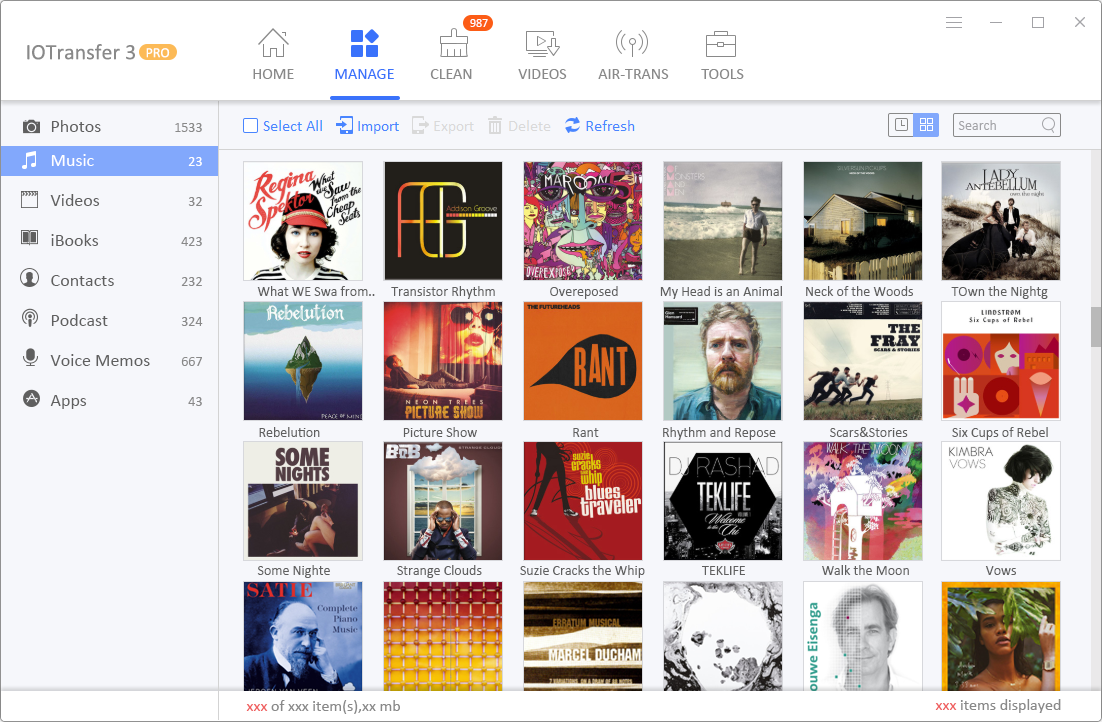
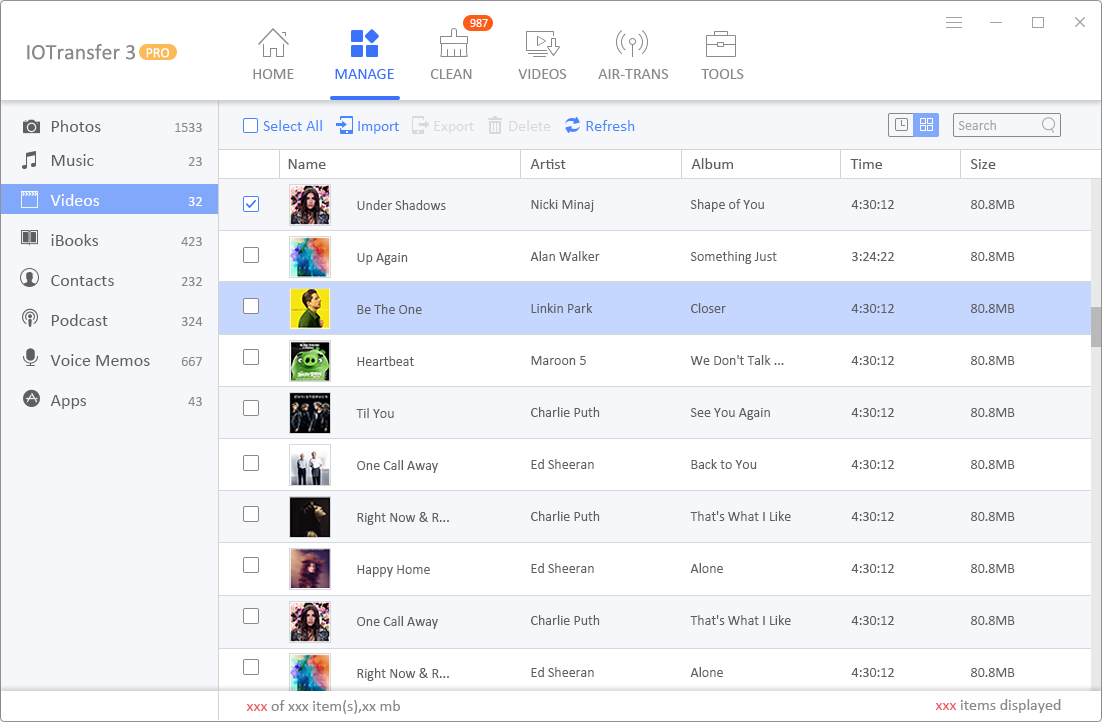
IOTransfer 3 is a simple and yet effective iPhone Manager app. It is also a powerful video downloader and converter for Windows. IOTransfer 3 provides a 1-click solution to easily transfer photos, music, videos, and contacts from your iOS device to PC. It also helps you import, export, and delete more contents, such as iBooks, Podcasts, Voice Memos, Apps in the MANAGE tab. Thus, it is a perfect iTunes alternative.

Additionally, the optimized VIDEOS feature supports downloading various videos from more video websites to your iPhone/iPad/iPod and PC so that you can watch them offline. The improved CLEAN feature supports to clear more caches and junk files on your iOS device to free up more space.

The newly developed AIR-TRANS, which adopts WiFi Direct technology, allows you to quickly and wirelessly transfer photos, videos, and other files between iOS device and PC on the same local network. What’s more, the newly added Converter feature in VIDEOS helps you effortlessly convert video files into various file formats including audio file formats and automatically transfer them to your iOS device. No need to worry about unsupported video file format anymore.

IOTransfer 3 Major Features

With IOTransfer 3 you can easily export and import photos, music, videos, contacts, iBooks, Podcasts, Voice Memos, Apps between your iOS device and PC with just one click.

Other than its hassle-free device management feature, IOTransfer 3 is also a best in class free online video downloader and converter. With this tool, you can directly save videos and movies to iPhone and iPad. And also IOTransfer video converter ensures the easiest way to convert videos to other audio or video formats like MP4, AVI, MKV, FLV, MP3 and more.

With its new feature AirTrans , IOTransfer 3 transfer allows you to wirelessly transfer music, photos, videos and etc. between iPhone, iPad, and computer via WiFi. Easily and safely manage, backup and bulk-delete files in the local WiFi network.

IOTransfer 3 is also capable to scan your iPhone or iPad to remove useless files from your device to free up more space and memory.

How to use IOTransfer 3?

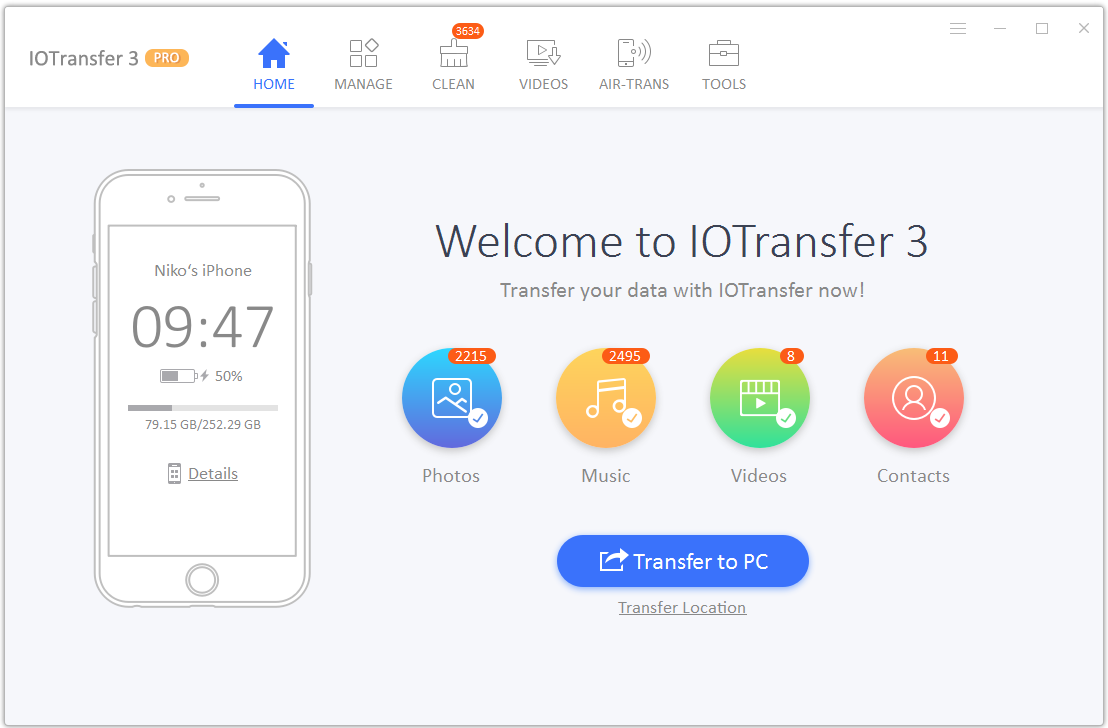
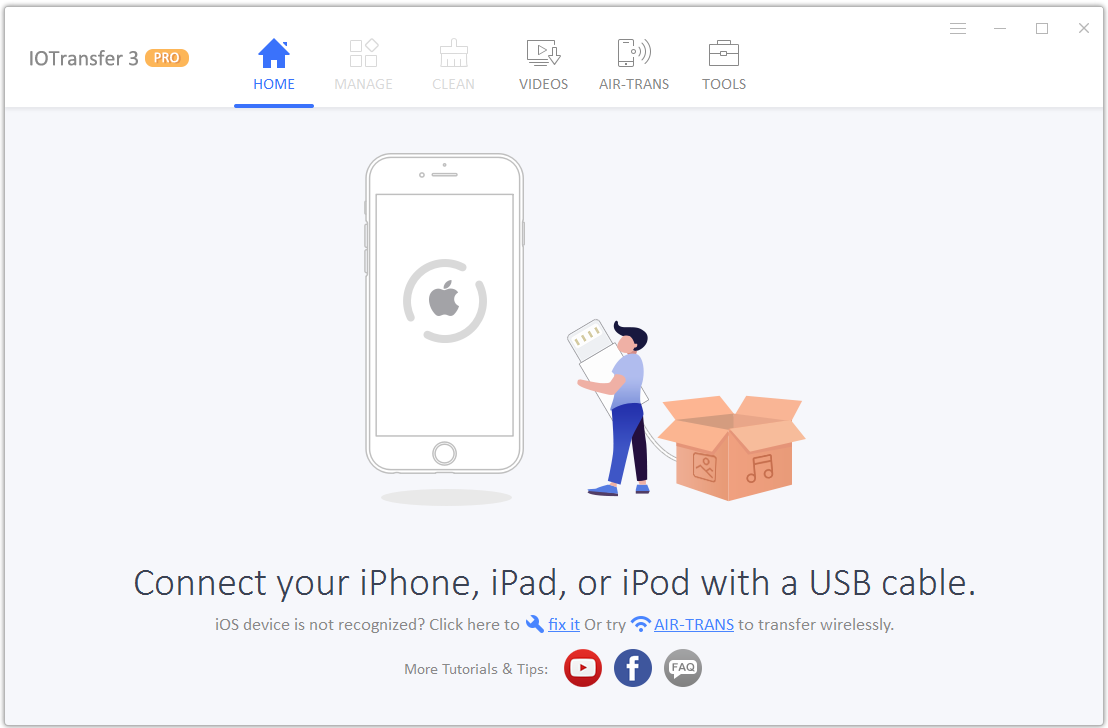
First, download IOTransfer 3 from the official website and install it on your Windows PC. After that connect your iPhone, iPad, or iPod with USB cable. After allowing the access to the device with computer you will be greeted with a homepage, where you can see the option to transfer photos, videos, , and contacts to PC with a single click.

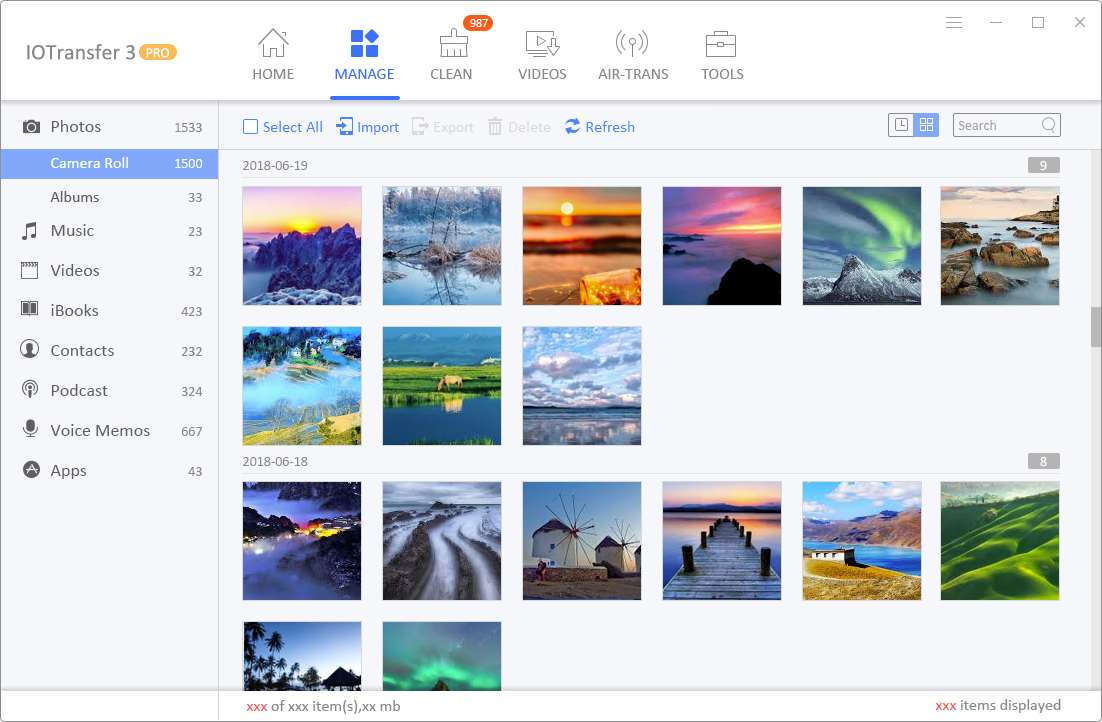
If you like to import and export selected files between Windows and iPhone or iPad use “MANAGE” tab. This is where you can also remove unwanted apps from your iOS devices by choosing the option “Apps”.

Next to MANAGE tab you can find “CLEAN” option. With this feature, you can easily and safely clean junk files from your iOS devices and free up some space in your iPhone or iPad.

In “VIDEOS” tab you can find the option for video downloader and converter. Choosing “Downloader”, you can easily download any videos from YouTube, Facebook, Twitter, Instagram or any other popular network by simply copy-pasting the video link to the box. Also, you can instantly transfer the downloaded videos to your iPhone or iPad.

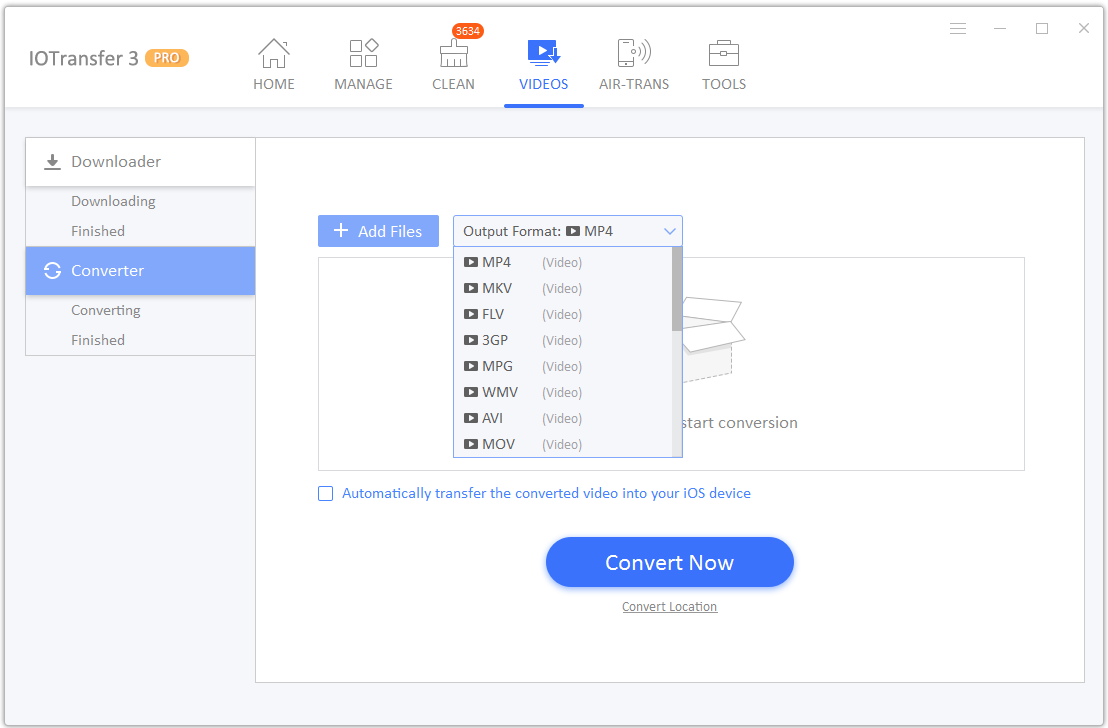
With “Converter” option, you can convert the videos you have to different format, even to audio format as well. Also, you can find the option to transfer automatically the converted videos to iOS device.

Next, “AIR-TRANS” feature will help to connect your iOS device wirelessly with Windows PC and transfer files between the devices without using a USB cable. However, to activate this feature you have to download AirTrans app from App Store for your iOS device. Now you can connect both devices by clicking “Start Transfer” button in PC and then scanning QR Code by using AirTrans app in your iOS device.

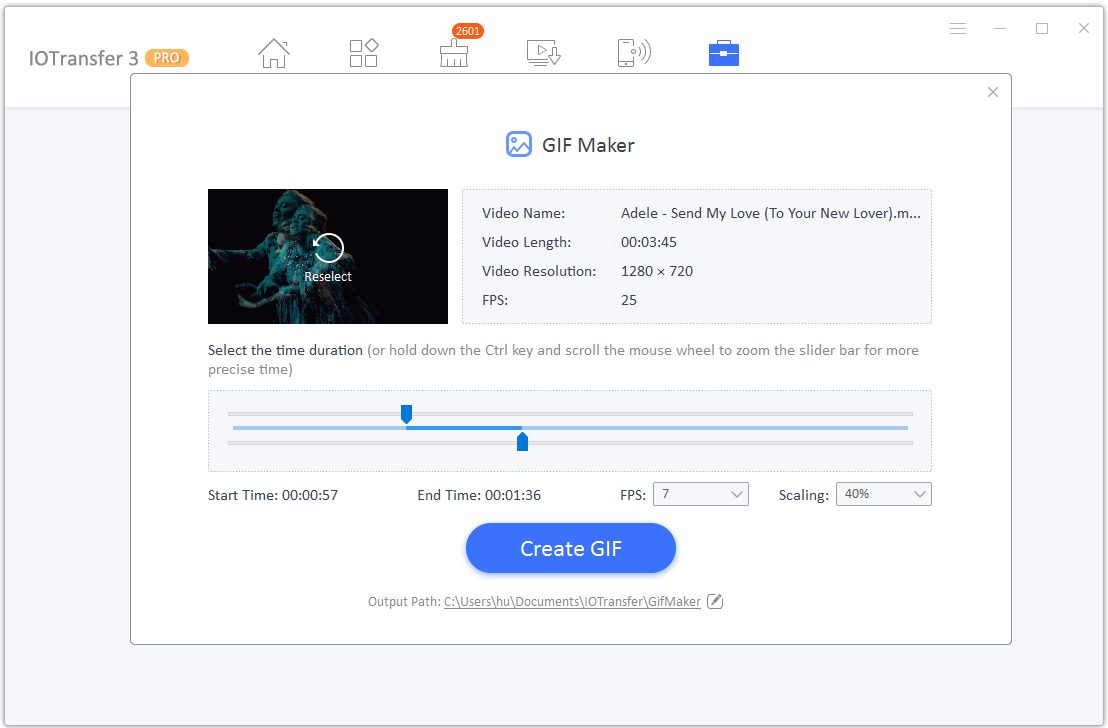
And the last tab “TOOLS” you can find some new and under development tools from IOTransfer .

IOTransfer 3 is indeed a powerful iOS device management software accompanied with a clean user interface, free online GIF maker, video downloader, and converter. Anyone who is looking for a better iTunes alternative, then this is the one for you.

All Together

This solution is working for me. I will recommend for you to go for it. It is the best in the industry at the moment.

“The most human security secure geo-political zone [in Nigeria] is the South-East” – United Nations

0
UNDP south-east Nigeria secure

A United Nations Development Programme (UNDP) report might not have done the correlation, linking the Igbo Apprenticeship System and Human Security & Human Development in southeastern part of Nigeria, yet, the conclusion is evident: “the most human security secure geo-political zone is the South-East”, in Nigeria. Largely, with such an emphatic conclusion, I expect government to put resources to investigate further.

The report under the theme “Human Security and Human Development” makes a compelling case that unchecked poverty; persistent hunger; uncontrolled diseases; lack of access to basic services; disregard for human rights; sub-optimal response to natural and man-made disasters; unregulated natural resources exploitation and use – among others, pose serious threats to human development today.

The report further highlights the existing gap in human security across the geo-political zones of the country; – the most human security secure geo-political zone is the South-East while the North-West and the North-East geopolitical zones are the least human security secured, with residents of the Federal Capital Territory being the worst in most realms of the Human Security Index. The North-East region of the country has been the most affected by the more than 5 yearlong military insurgency. It also remains among the least developed parts of the country.

This is not rocket science: Silicon Valley produces all these category-king startups because of the fluidity of capital and support systems in the region, and southeastern Nigeria is humanly secure because of its own version of entrepreneurial venture support system. Whether it is Nnewi or Silicon Valley, people rise with support from communities.

My question is thus: how can we get our politicians to pay attention to what is working here in Nigeria, over the natively esoteric complexity of Silicon Valley, for applications in other regions in Nigeria, especially the northern part, as noted in the UNDP report?

To watch the video below, click the image or visit here.

[Full TED Video] â??Igbo apprenticeship system that governs Alaba Intâ??l Market is the largest business incubator platform in the worldâ? Robert Neuwirth