

Trump Signs Executive Order to Block States From Enforcing AI Rules, Prioritizing Federal Oversight

Quote from Alex Bobby on December 13, 2025, 7:27 AM
President Trump signs an executive order blocking states from enforcing their own AI regulations, centralising oversight at the federal level to streamline innovation while allowing safety rules for children.
In a move that could reshape the regulatory landscape for artificial intelligence (AI) in the United States, President Donald Trump signed an executive order on Thursday aimed at preventing states from enforcing their own AI regulations. The order signals the federal government’s intent to maintain a centralised approach to AI governance and ensure that the U.S. remains competitive in the rapidly evolving tech sector.
Speaking in the Oval Office, Trump emphasized the need for a unified federal framework. “We want to have one central source of approval,” he said, framing the measure as a means to streamline oversight and avoid a patchwork of state-level rules that could slow innovation.
A Unified Federal Approach
The executive order gives the Trump administration tools to push back on state-level AI regulations deemed too burdensome. According to White House AI adviser David Sacks, the administration will use these powers to counter “onerous” rules that could hinder technological development and economic growth. However, Sacks emphasised that the federal government will not interfere with AI regulations that focus on protecting children and vulnerable populations, signaling that some state-level safeguards will remain respected.
The order reflects a growing tension between state and federal authority over emerging technologies. In recent years, several states have proposed or enacted legislation to govern AI deployment, ranging from facial recognition bans to automated decision-making transparency requirements. While these measures are intended to address ethical concerns and privacy issues, tech companies have argued that inconsistent regulations across states create compliance challenges, stifle innovation, and deter investment in AI research and development.
Implications for Tech Companies
For major technology firms, the executive order is widely seen as a win. Companies like Google, Microsoft, and OpenAI have lobbied for federal-level AI regulation, arguing that a uniform approach will allow the U.S. to compete effectively with global rivals, particularly China, in the AI arena.
“State-by-state regulation creates a patchwork that slows innovation and increases compliance costs,” said a technology industry insider. “A federal framework ensures clarity and predictability, which is crucial for companies developing advanced AI systems.”
By centralizing AI oversight, the Trump administration hopes to streamline approval processes, reduce bureaucratic hurdles, and provide clear guidance for businesses deploying AI across industries, from healthcare to finance and autonomous vehicles.
Balancing Innovation and Safety
Despite the emphasis on a unified approach, the executive order acknowledges the need for safeguards. Sacks clarified that federal authorities will allow state regulations that address specific public safety concerns, particularly those involving children. This carve-out reflects a recognition that AI technologies, while promising, carry potential risks such as bias, misuse, or harm in vulnerable populations.
Experts warn, however, that a federal-centric approach could dilute stricter ethical standards that some states have been implementing. States like California and New York have already proposed stringent AI accountability measures, particularly around facial recognition, biometric data use, and algorithmic decision-making. Critics argue that removing states’ ability to enforce their own rules may limit local communities’ ability to address unique concerns.
Trump Administration’s Strategic Goals
The executive order aligns with broader objectives outlined by the Trump administration to ensure that the United States maintains global leadership in AI technology. Federal officials have emphasized that a coordinated, nationwide approach will allow the U.S. to compete effectively against international rivals, accelerate research, and expand commercial deployment of AI systems.
By consolidating regulatory authority at the federal level, the administration aims to provide companies with the confidence to invest in AI, knowing that their operations will be governed by a single, predictable set of rules rather than a fragmented patchwork of state laws.
Potential Political and Legal Challenges
While the executive order has been welcomed by tech industry leaders, it may face political and legal challenges. Some state governments and civil rights organizations have raised concerns about federal overreach and the potential erosion of local oversight. They argue that states should retain the ability to enact rules that reflect the specific needs, values, and privacy concerns of their residents.
Legal experts predict that lawsuits could emerge challenging the federal government’s authority to preempt state AI regulations, potentially leading to debates over the limits of federal versus state power in regulating emerging technologies.
Looking Ahead
The executive order marks a critical moment in the ongoing debate over AI regulation in the United States. While it offers a clear win for tech companies seeking regulatory clarity, it also raises important questions about the balance between innovation, safety, and local oversight.
Observers note that the success of the federal approach will depend on its ability to provide comprehensive, ethical, and enforceable AI standards that protect the public while fostering innovation. As AI technologies continue to advance rapidly, the pressure will be on the Trump administration to ensure that federal rules keep pace with developments and address both ethical concerns and competitive challenges.
Conclusion
President Trump’s executive order to block states from enforcing their own AI rules represents a bold step toward centralised regulation of a transformative technology. By prioritising a single, nationwide framework, the administration aims to accelerate innovation, support the tech industry, and maintain U.S. leadership in AI. However, the move also raises questions about the role of states in safeguarding public interests and protecting vulnerable populations. As debates unfold, the balance between fostering innovation and ensuring ethical oversight will remain a critical challenge for policymakers, businesses, and citizens alike.
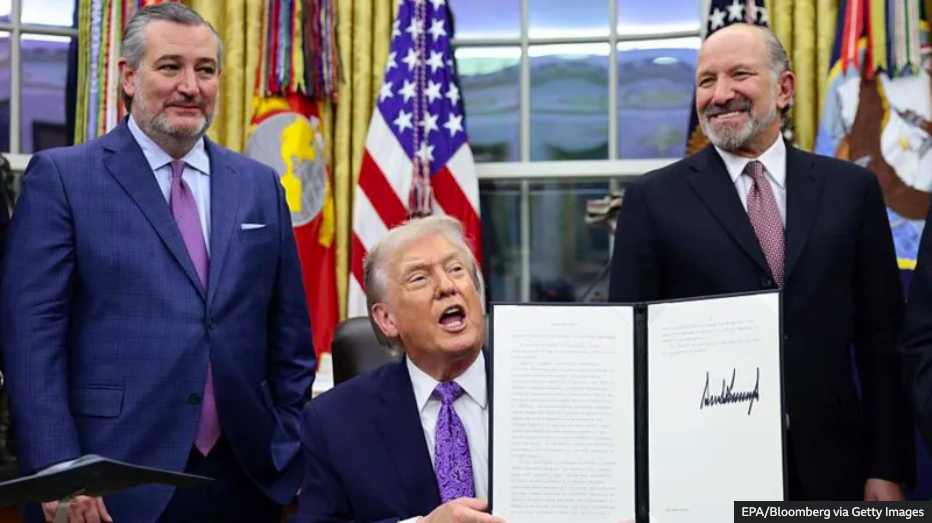
President Trump signs an executive order blocking states from enforcing their own AI regulations, centralising oversight at the federal level to streamline innovation while allowing safety rules for children.
In a move that could reshape the regulatory landscape for artificial intelligence (AI) in the United States, President Donald Trump signed an executive order on Thursday aimed at preventing states from enforcing their own AI regulations. The order signals the federal government’s intent to maintain a centralised approach to AI governance and ensure that the U.S. remains competitive in the rapidly evolving tech sector.
Speaking in the Oval Office, Trump emphasized the need for a unified federal framework. “We want to have one central source of approval,” he said, framing the measure as a means to streamline oversight and avoid a patchwork of state-level rules that could slow innovation.
A Unified Federal Approach
The executive order gives the Trump administration tools to push back on state-level AI regulations deemed too burdensome. According to White House AI adviser David Sacks, the administration will use these powers to counter “onerous” rules that could hinder technological development and economic growth. However, Sacks emphasised that the federal government will not interfere with AI regulations that focus on protecting children and vulnerable populations, signaling that some state-level safeguards will remain respected.
Register for Tekedia Mini-MBA edition 19 (Feb 9 – May 2, 2026).
Register for Tekedia AI in Business Masterclass.
Join Tekedia Capital Syndicate and co-invest in great global startups.
Register for Tekedia AI Lab.
The order reflects a growing tension between state and federal authority over emerging technologies. In recent years, several states have proposed or enacted legislation to govern AI deployment, ranging from facial recognition bans to automated decision-making transparency requirements. While these measures are intended to address ethical concerns and privacy issues, tech companies have argued that inconsistent regulations across states create compliance challenges, stifle innovation, and deter investment in AI research and development.
Implications for Tech Companies
For major technology firms, the executive order is widely seen as a win. Companies like Google, Microsoft, and OpenAI have lobbied for federal-level AI regulation, arguing that a uniform approach will allow the U.S. to compete effectively with global rivals, particularly China, in the AI arena.
“State-by-state regulation creates a patchwork that slows innovation and increases compliance costs,” said a technology industry insider. “A federal framework ensures clarity and predictability, which is crucial for companies developing advanced AI systems.”

By centralizing AI oversight, the Trump administration hopes to streamline approval processes, reduce bureaucratic hurdles, and provide clear guidance for businesses deploying AI across industries, from healthcare to finance and autonomous vehicles.
Balancing Innovation and Safety
Despite the emphasis on a unified approach, the executive order acknowledges the need for safeguards. Sacks clarified that federal authorities will allow state regulations that address specific public safety concerns, particularly those involving children. This carve-out reflects a recognition that AI technologies, while promising, carry potential risks such as bias, misuse, or harm in vulnerable populations.
Experts warn, however, that a federal-centric approach could dilute stricter ethical standards that some states have been implementing. States like California and New York have already proposed stringent AI accountability measures, particularly around facial recognition, biometric data use, and algorithmic decision-making. Critics argue that removing states’ ability to enforce their own rules may limit local communities’ ability to address unique concerns.

Trump Administration’s Strategic Goals
The executive order aligns with broader objectives outlined by the Trump administration to ensure that the United States maintains global leadership in AI technology. Federal officials have emphasized that a coordinated, nationwide approach will allow the U.S. to compete effectively against international rivals, accelerate research, and expand commercial deployment of AI systems.
By consolidating regulatory authority at the federal level, the administration aims to provide companies with the confidence to invest in AI, knowing that their operations will be governed by a single, predictable set of rules rather than a fragmented patchwork of state laws.
Potential Political and Legal Challenges
While the executive order has been welcomed by tech industry leaders, it may face political and legal challenges. Some state governments and civil rights organizations have raised concerns about federal overreach and the potential erosion of local oversight. They argue that states should retain the ability to enact rules that reflect the specific needs, values, and privacy concerns of their residents.
Legal experts predict that lawsuits could emerge challenging the federal government’s authority to preempt state AI regulations, potentially leading to debates over the limits of federal versus state power in regulating emerging technologies.
Looking Ahead
The executive order marks a critical moment in the ongoing debate over AI regulation in the United States. While it offers a clear win for tech companies seeking regulatory clarity, it also raises important questions about the balance between innovation, safety, and local oversight.
Observers note that the success of the federal approach will depend on its ability to provide comprehensive, ethical, and enforceable AI standards that protect the public while fostering innovation. As AI technologies continue to advance rapidly, the pressure will be on the Trump administration to ensure that federal rules keep pace with developments and address both ethical concerns and competitive challenges.
Conclusion
President Trump’s executive order to block states from enforcing their own AI rules represents a bold step toward centralised regulation of a transformative technology. By prioritising a single, nationwide framework, the administration aims to accelerate innovation, support the tech industry, and maintain U.S. leadership in AI. However, the move also raises questions about the role of states in safeguarding public interests and protecting vulnerable populations. As debates unfold, the balance between fostering innovation and ensuring ethical oversight will remain a critical challenge for policymakers, businesses, and citizens alike.
Uploaded files:Share this:
- Click to share on Facebook (Opens in new window) Facebook
- Click to share on X (Opens in new window) X
- Click to share on WhatsApp (Opens in new window) WhatsApp
- Click to share on LinkedIn (Opens in new window) LinkedIn
- Click to email a link to a friend (Opens in new window) Email
- Click to print (Opens in new window) Print