DD
MM
YYYY

PAGES

DD
MM
YYYY

spot_img

PAGES

Home Blog Page 708

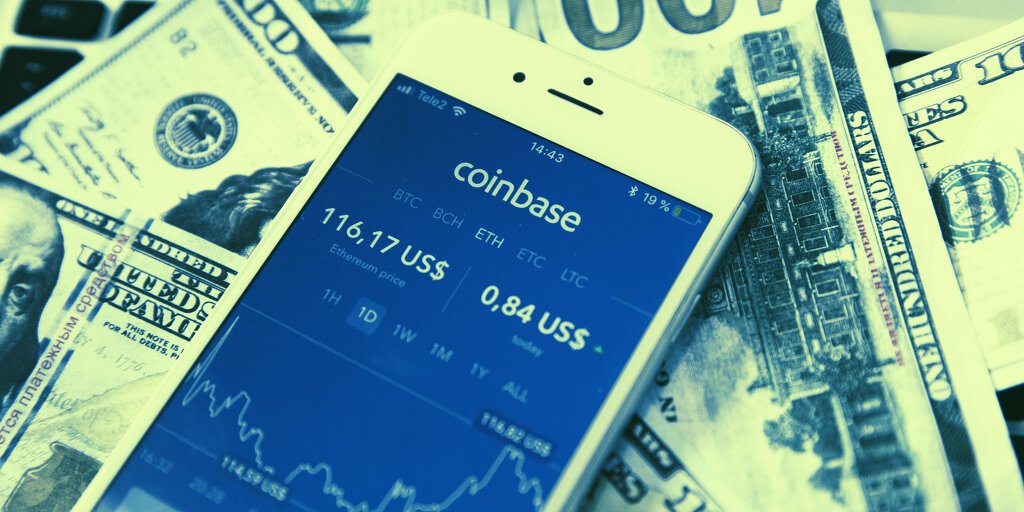
Coinbase Integrates Decentralized Exchange (DEX) Trading Into Its Main App, Starting With Base-Native Tokens

0

Coinbase has integrated decentralized exchange (DEX) trading into its main app, allowing U.S. users (excluding those in New York) to trade Base-native tokens directly.

This feature enables instant access to millions of on-chain assets, significantly expanding from the previous limit of about 300 tokens. Users can trade newly created tokens on the Base Layer-2 network moments after they’re indexed, using Coinbase’s self-custody wallet, with network fees covered by Coinbase.

The platform routes trades through DEX aggregators like 0x, 1inch, Uniswap, and Aerodrome for optimal pricing. At launch, assets from projects like Virtuals AI Agents, Reserve Protocol, and Super Champs are available, with plans to add more Base tokens and expand to other networks like Solana.

Coinbase’s DEX integration allows U.S. users (excluding New York) to trade millions of Base-native tokens instantly after they’re indexed on-chain, compared to the previous limit of ~300 tokens on its CEX. This democratizes access to early-stage DeFi projects, enabling retail users to engage with new tokens.

Coinbase simplifies DEX trading by offering a familiar CEX interface, integrated self-custody wallets, and covering network fees, reducing the complexity of DeFi for mainstream users. This lowers the barrier to entry, bridging the gap between CeFi’s user-friendliness and DeFi’s autonomy, potentially accelerating mainstream crypto adoption.

Integrating DEX trading raises questions about compliance with Anti-Money Laundering (AML) and Know Your Customer (KYC) regulations, as DEXs typically operate without intermediaries. Coinbase mitigates this by using third-party vendors to flag malicious or fraudulent tokens, balancing decentralization with regulatory demands. However, this could invite stricter oversight from regulators like the SEC, potentially impacting the broader DeFi ecosystem.

Coinbase’s move positions it to compete with both DeFi-native platforms (e.g., Uniswap, dYdX) and other CEXs (e.g., Binance, Kraken) by offering a hybrid model. This comes at a time when Coinbase’s spot trading volume has slumped (Q2 2025), and competitors like Kraken and Robinhood are eroding its U.S. market share.

DEX integration could help recapture market share by catering to the growing DEX trading volume ($400B monthly vs. Coinbase’s $3.5B CEX volume). While DEX trading offers self-custody and faster listings, it introduces risks like smart contract vulnerabilities and market volatility, which may deter less experienced users.

Enhancing DEX-CEX Collaboration

Coinbase’s integration fosters a hybrid model that bridges the strengths of DEXs and CEXs, creating a synergistic relationship. By embedding DEX trading within its CEX platform, Coinbase allows users to swap niche tokens not listed on its centralized exchange without leaving the app. This integrates DeFi’s vast asset pool with CeFi’s polished UI and custodial security, offering a unified trading experience.

Users can fund trades with Coinbase balances or USDC, track portfolios, and access real-time on-chain data, all within one interface. Coinbase routes DEX trades through aggregators, pooling liquidity from platforms like Uniswap and Aerodrome. This enhances price discovery and reduces slippage, benefiting both DEX users and CEX traders who rely on Coinbase’s infrastructure.

Token issuers on Base gain instant access to Coinbase’s user base, bypassing traditional CEX listing delays. This encourages developers to build on Base, knowing their tokens can reach millions of traders quickly, fostering collaboration between Coinbase’s CEX platform and DeFi projects.

Coinbase’s regulatory expertise (e.g., CFTC compliance for derivatives) allows it to offer DEX trading within a compliant framework, potentially legitimizing DeFi for institutional and retail users. By imposing centralized guardrails (e.g., blocking malicious tokens), Coinbase creates a safer DeFi on-ramp, aligning DEX innovation with CEX regulatory standards.

Coinbase’s DEX integration marks a pivotal step toward merging CeFi and DeFi, offering users instant access to millions of tokens, enhanced liquidity, and a simplified trading experience. It strengthens collaboration by combining DEX’s permissionless access with CEX’s user-friendly infrastructure and regulatory compliance.


7 Best Global Crypto Betting Platforms in 2025, & How to Instantly Unlock Your Bonus Anywhere

0

Crypto bettors in 2025 are no longer settling for slow payouts or regional limits. Today’s players want instant crypto deposits, borderless betting, and bonuses that are easy to grab and cash out. The best global crypto betting platforms now deliver fast, mobile-optimized betting with direct wallet links and transparent terms.

This guide ranks the seven best crypto betting platforms for international users and breaks down exactly how to claim betting bonus deals no matter where you’re located.

1. Spartans: The Easiest Crypto Betting Site to Access Worldwide

Spartans claims the #1 spot for seamless access, crypto-native functionality, and blazing-fast withdrawals. Designed for crypto bettors only, Spartans avoids the issues that come with banks, credit cards, or slow payout systems. Bettors can deposit and withdraw instantly using top coins like Bitcoin, Ethereum, USDT, USDC, and AVAX, without relying on outdated financial systems.

Frequent travelers and international users love Spartans for its flawless mobile performance. The site runs smoothly on both desktop and mobile browsers, no downloads or KYC delays required. And since there are no regional locks, anyone with crypto can dive right in.

Spartans also leads in transparency. New players wondering how to claim betting bonus rewards will find a simple answer, right on the homepage or during deposit. A 300% welcome bonus kicks in with just a $5 minimum deposit, and once you meet the wagering requirement, your winnings are ready for instant withdrawal. There’s no wait time, no manual approval, and no ticket support needed. For crypto bettors who want fast, fair, and borderless betting, Spartans is unbeatable in 2025.

2. Stake.com: Great Features, But Limited by Regional Blocks

Stake.com delivers a polished user interface, a full sportsbook, and a wide range of casino games. It also supports major cryptocurrencies and draws a worldwide player base. However, regional restrictions in some areas create access hurdles.

Withdrawals are trustworthy but may involve verification for high-volume users. And while the site does offer a variety of bonuses, new players sometimes struggle with figuring out how to claim betting bonus funds without breaking the rules.

3. Roobet: Built for Crypto, Slower in Certain Regions

Roobet brings strong branding, exciting slots, and sports betting features to crypto users globally. However, its payout times can lag in countries with VPN blocks or tight restrictions. It supports leading digital assets but lacks the full cross-border fluidity that Spartans offers.

Though Roobet does promote regular bonus campaigns, understanding how to claim betting bonus deals can be a bit confusing for those just starting out.

4. Bet365: Legacy Platform Still Catching Up With Crypto

Bet365 remains a big name in traditional sports betting and is now testing crypto compatibility via third-party providers. It still has one of the widest market coverages, especially in sports, but direct crypto integration into its wallet isn’t there yet.

For those curious about how to claim betting bonus deals, the process can be slow, especially if you’re using digital currency. Multiple steps and potential delays are still part of the experience.

5. BC.Game: Massive Coin Support, Mixed Withdrawal Speeds

BC.Game shines with its global reach and huge collection of supported altcoins. Many players enjoy its decentralized style, but withdrawal speeds can vary based on the coin used, account activity, or verification status.

Bonus hunters will find detailed info on how to claim betting bonus rewards within the interface, though rules tend to shift often, so it pays to stay updated.

6. LeoVegas: Premium Look, But Less Crypto Flexibility

LeoVegas is famous for its sleek mobile casino design and premium feel. However, crypto support is minimal and mostly depends on third-party fiat providers. This setup adds friction for users wanting quick crypto deposits or withdrawals.

VIP bonuses are offered, but the steps for how to claim betting bonus funds are mostly tied to traditional fiat usage, limiting appeal to crypto-first players.

7. Betano: Expanding Reach, Slow Crypto Integration

Betano is actively growing across various countries, offering a clean interface, multiple languages, and support for different currencies. Still, its crypto rollout is in the early stages and doesn’t yet provide full support for global crypto bettors.

Bonuses are frequent, but it’s not always clear how to claim betting bonus offers using digital wallets, making it tricky for crypto users.

Choosing Among the Global Crypto Betting Platforms

In 2025, crypto bettors demand more than eye-catching promos, they want fast withdrawals, true global access, and smooth crypto gameplay. Spartans tops the global crypto betting platforms list by offering instant withdrawals, a crypto-exclusive design, and simple, transparent bonus claims.

Stake.com and Roobet hold strong positions but face regional speed bumps. Meanwhile, platforms like Bet365, BC.Game, LeoVegas, and Betano still lean toward legacy systems or specific regional markets. For full crypto freedom and speed, Spartans is the go-to choice for bettors around the world.

Top Trending Cryptos Face Off: BlockDAG’s Trade Simulator vs Chainlink, Stellar, and Kaspa

0

People in crypto want more control, clarity, and insight before putting money into digital assets. With thousands of projects in the market, finding the top trending cryptos is about more than watching price moves.

Today, utility, transparency, and the ability to test in real time are shaping decisions like never before. Leading the way is BlockDAG, offering an interactive tool that lets users practice both buying and selling before it officially launches.

This kind of feature is changing how people look at crypto opportunities. Here’s a closer look at BlockDAG and other top trending cryptos bringing strong value into 2025.

BlockDAG (BDAG)

BlockDAG has taken a leading spot in the presale scene with more than $369 million raised and over 24.8 billion coins sold. It is now in batch 29 with a listed price of $0.0276. What has turned heads is a limited-time price rollback to $0.0016, delivering a 2,660% ROI since batch 1. But the price story is only part of its appeal.

What really sets BlockDAG (BDAG) apart from other top trending cryptos is its real-time trading simulator. This dashboard lets users test both buying and selling BDAG during the presale. By seeing how sell orders move the price and affect wallet balances, participants can understand market behavior before launch. It is a powerful tool for beginners learning risk-free and for experienced traders trying out strategies.

On top of this simulator, BlockDAG’s dashboard offers wallet tracking, performance stats, and access to the 10 BTC Auction, where users can compete for a share of a $1.1 million prize pool based on presale activity. These features turn BlockDAG into more than a presale, making it a live training ground for smart market moves.

Chainlink (LINK)

Chainlink secures its place among the top trending cryptos by solving a critical infrastructure challenge, delivering real-world data feeds to smart contracts. As decentralized finance and tokenized assets grow more complex, Chainlink’s oracle network is becoming a central force in maintaining reliability.

It links blockchains to off-chain data like market prices, sports scores, and weather updates. This makes LINK essential for DeFi platforms such as Aave and Synthetix. Chainlink is also introducing staking, encouraging LINK holders to lock their assets for rewards while boosting the network’s security.

While it does not have a real-time trade simulator like BlockDAG, its dependable utility across multiple sectors keeps it a go-to choice for developers and large-scale market players.

Stellar (XLM)

Stellar remains a standout for its sharp focus on global payments and financial inclusion. Built for fast, low-cost transfers, the Stellar network allows both individuals and institutions to move value between fiat and crypto with ease.

XLM works as a bridge currency, giving liquidity for asset conversions. Partnerships with MoneyGram and Circle have opened access to stablecoins and cash-based remittance services, helping reach communities without traditional banking.

Although it does not feature an interactive dashboard like BlockDAG’s simulator, Stellar’s long-standing delivery in cross-border transactions keeps it firmly among the top trending cryptos.

Kaspa (KAS)

Kaspa takes scalability in a different direction. Instead of relying only on bigger blocks or Layer 2 solutions, it uses a blockDAG structure that lets multiple blocks be mined and confirmed at the same time. This supports high throughput and faster confirmations without sacrificing decentralization or security.

KAS benefits from high emission rates and community-driven mining, giving more people a chance to participate. Its speed and structure appeal to users seeking high-frequency transactions without delays. While it shares architectural traits with BlockDAG, the latter offers extra tools and simulations that make its presale experience more engaging.

Kaspa’s strong performance and growing mining base point to potential long-term growth. Still, it lacks the presale simulations and dynamic dashboard that give BlockDAG an early-stage advantage.

Final Word: Why Interactive Tools Are Changing the Game

The list of top trending cryptos is no longer defined only by price hype. Features that let users interact, test, and analyze the market, like BlockDAG’s buy-sell simulator, are setting a new standard.

Chainlink, Stellar, and Kaspa each bring strong use cases and proven reliability, but BlockDAG adds hands-on engagement during presale. Its mix of low entry pricing, learning tools, and clear metrics gives it an interactive advantage that others do not match.

For those wanting more than a buy-and-wait approach, these top trending cryptos combine practical use with strategic potential.

Which Crypto Will Explode in 2025? Comparing Ethereum’s Price Outlook, Dogecoin’s Rally Hopes, and Cold Wallet’s 50x ROI Goal

0

The crypto market is heading into one of its busiest years, with leading projects competing for attention and new players making waves. Traders looking for the next breakout are weighing the appeal of established names like Ethereum and Dogecoin against fresh opportunities with higher upside. While Ethereum price potential keeps analysts watching closely and Dogecoin price rally keeps its community engaged, the big question for many is which crypto will explode in 2025.

Amid these talks, Cold Wallet has caught attention with a mix of utility and high ROI targets. With a projected 50x launch goal and a cashback system that rewards active use, it stands out from purely speculative options. While Ethereum’s strong price structure and Dogecoin’s rally offer solid setups, Cold Wallet’s blend of utility, rewards, and presale status could make it one of the standout picks this year.

Ethereum Price Potential Remains in Focus

Ethereum stays high on the watchlist, with Ethereum price potential still a key topic for market watchers. Even after facing the second-largest selling wave in its history, worth $419 million, some see this as a shakeout before the next move up. While a short-term drop of 25% to 35% is possible, long-term fundamentals remain strong thanks to its leading role in DeFi, NFTs, and smart contracts.

This makes Ethereum’s journey especially interesting. Traders are watching to see if ETH can bounce back once the selling eases. Long-term holders look at Ethereum price potential in terms of its position as the most established smart contract network, with upgrades aimed at scaling and faster transactions.

As the market adjusts, the next few weeks could be crucial. If buyers return, reclaiming key resistance could boost confidence. If not, a deeper dip may follow. Either way, Ethereum price potential remains central to the debate on which crypto will explode in 2025.

Dogecoin Price Rally Shows Unexpected Strength

Dogecoin’s run in 2025 has been full of surprises. Large holders have added more than 250 million DOGE, lifting hopes for another Dogecoin price rally. Patterns like a broadening wedge have sparked talk of DOGE climbing toward $1.40 if momentum stays strong. Such a move would be one of its biggest rallies yet, driven by its loyal community and speculative interest.

The Dogecoin price rally thrives on its grassroots nature, where online buzz can push prices as much as technical setups. In past bull runs, DOGE has shocked the market, turning small trades into huge wins. Whether it repeats this depends on market mood, risk appetite, and high trading volume.

While the Dogecoin price rally excites short-term traders, it comes with high volatility. For those tracking which crypto will explode, DOGE offers high reward but also high risk. Getting the timing right is key, as the gap between a surge and a stall can be wide.

Cold Wallet: Turning Everyday Use into Rewards

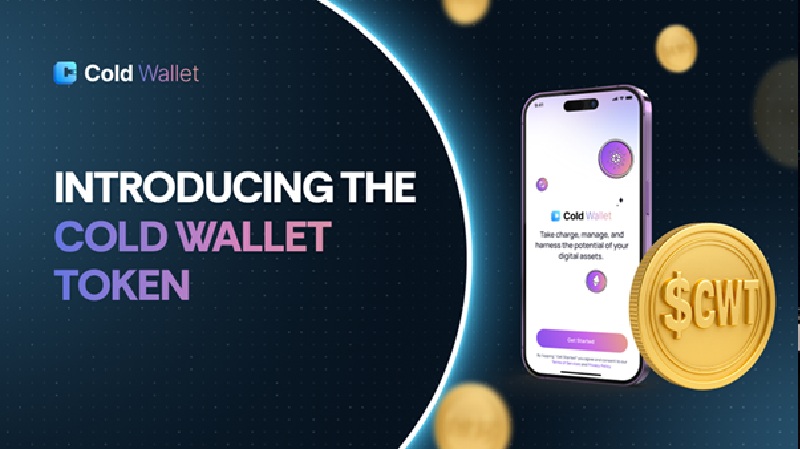
Cold Wallet is a self-custody crypto wallet built for real-world use, not just holding coins. It changes the usual value flow in crypto. Instead of paying fees every time you use your assets, you get rewards for each on-chain activity. The CWT token powers this setup, giving cashback when you pay gas, swap assets, or move funds between crypto and fiat. The more you use Cold Wallet, the more CWT you collect, and the higher your CWT balance, the bigger your rewards become.

This approach solves a long-standing adoption problem. High fees have kept many from being active users. Cold Wallet removes this barrier by returning value to its community. This is not a short-term perk. It is built into the system, turning regular transactions into opportunities for growth. Top-tier users can even see gas costs fully offset, creating an almost fee-free setup.

Cold Wallet’s presale is now in Stage 17 at $0.00998, with more than $5.8 million raised. Its launch price target suggests a 50x ROI, putting it among the boldest market goals. Unlike tokens driven only by hype, CWT’s demand comes from real utility. As more people use the wallet, token circulation rises, building growth directly into adoption.

When it comes to the debate on which crypto will explode, Cold Wallet stands out as more than a short-term trade. Its mix of an active product, expanding user base, and rewards-linked tokenomics offers both staying power and big upside. Even the Ethereum price potential and Dogecoin price rally do not combine these elements in the same way.

Final Takeaway

Ethereum remains the most important smart contract network, keeping the Ethereum price potential in the spotlight for 2025. While short-term selling may challenge key price zones, its long-term strength stays solid. Dogecoin, on the other hand, thrives on community spirit and speculative waves, giving sharp gains to those who time the Dogecoin price rally well.

Still, for people looking past old market patterns toward growth tied to real use, Cold Wallet presents a strong case as the best crypto for 2025. At $0.00998 with $5.8 million already raised and a 50x ROI aim, it blends adoption with reward in a way that could reshape user participation. In a space filled with hype, Cold Wallet offers something more concrete: a model where using the product adds real value.


Explore Cold Wallet Now:

Presale: https://purchase.coldwallet.com/

Website: https://coldwallet.com/

X: https://x.com/coldwalletapp

Telegram: https://t.me/ColdWalletAppOfficial

Permitting Cryptocurrencies in 401(k) Plans Could Drive Significant Capital Into Digital Assets

0

President Donald Trump signed an executive order directing the U.S. Department of Labor to review fiduciary guidance under the Employee Retirement Income Security Act (ERISA) to facilitate the inclusion of alternative assets, such as cryptocurrencies, private equity, and real estate, in 401(k) and other defined-contribution retirement plans.

This move aims to expand investment options for the roughly $12.5 trillion held in these accounts, potentially allowing mainstream savers access to digital assets like Bitcoin through vehicles such as exchange-traded funds (ETFs). The order also instructs the Labor Department to collaborate with the Treasury Department and the Securities and Exchange Commission (SEC) to assess necessary regulatory changes and clarify fiduciary responsibilities for offering these assets.

Proponents, including asset managers like BlackRock and industry leaders, argue this could enhance diversification and yield higher long-term returns, with private equity historically averaging 13% annual returns compared to the S&P 500’s 10.6% since 1990. The crypto industry, which strongly supported Trump’s 2024 campaign.

However, critics, including financial experts and Senator Elizabeth Warren, warn of significant risks due to the volatility, high fees, lack of transparency, and illiquidity of alternative assets. Private equity, for instance, often involves long lockup periods, and cryptocurrencies are known for sharp price swings, which could jeopardize retirement savings if not carefully managed.

Employers and plan sponsors remain cautious, as ERISA requires fiduciaries to prioritize employees’ best interests, and the complexity of these assets may increase litigation risks. While firms like BlackRock plan to launch 401(k) target-date funds with 5-20% private asset allocations in 2026, experts advise limiting such investments to 5-10% of portfolios.

The changes won’t take effect immediately, as federal agencies must revise rules, a process that could take months or longer. Permitting cryptocurrencies in 401(k) plans could drive significant capital into digital assets, potentially boosting prices and mainstream adoption.

Access to alternative assets like crypto, private equity, and real estate could enhance returns, as private equity has historically outperformed traditional stocks (13% vs. 10.6% annually since 1990). However, volatility and illiquidity pose risks to retirement savings.

Asset managers like BlackRock, planning 5-20% allocations to alternative assets in target-date funds by 2026, may see increased demand for crypto ETFs and other vehicles, spurring innovation in financial products. Crypto’s price swings could destabilize retirement portfolios if not capped (experts suggest 5-10% allocation limits).

Poorly timed investments may lead to significant losses for retail investors. ERISA’s strict fiduciary standards require plan sponsors to act in employees’ best interests. Offering high-risk assets like crypto could expose employers to lawsuits if investments underperform, necessitating clearer regulatory guidance.

Mainstream access to crypto via 401(k)s may encourage speculative investing among less-experienced savers, increasing the need for financial literacy programs to mitigate risky decisions. While diversification could improve long-term returns, losses from volatile assets could jeopardize retirement funds, particularly for those nearing retirement age.

The order reflects the crypto sector’s growing political clout, having backed Trump’s 2024 campaign. This could lead to further pro-crypto policies, strengthening the industry’s lobbying power. Critics like Warren may rally for counter-legislation or stricter regulations, creating political friction over retirement plan reforms.

Many plan sponsors may delay offering these assets due to legal and administrative complexities, limiting near-term adoption. While the order could democratize access to high-growth assets, it introduces significant risks and regulatory hurdles, requiring careful implementation to balance opportunity with retirement security.