DD
MM
YYYY

PAGES

DD
MM
YYYY

spot_img

PAGES

Home Blog Page 710

Board and Executive Management: Register for Tekedia AI Bootcamp

0

In an era defined by rapid technological advancement, the integration of artificial intelligence (AI) is no longer a futuristic concept but a present-day imperative for business survival and growth. The Tekedia Board, CEO & Directors AI Bootcamp emerges as a timely and essential program designed to equip senior leaders with the knowledge and strategic foresight needed to navigate this new landscape. This immersive one-day bootcamp offers a focused and practical curriculum that moves beyond theoretical concepts, empowering executives to leverage AI not merely as a tool for automation, but as a catalyst for fundamental business transformation and the development of sustainable competitive advantages.

The program’s strength lies in its meticulously structured, three-phase approach, which ensures a comprehensive learning experience tailored to a professional audience. The journey begins with “AI Essentials,” a module dedicated to demystifying the core technology and evolution of AI. This foundational phase provides a crucial understanding of AI’s building blocks, enabling leaders to speak the language of technology and appreciate its capabilities without needing to become technical experts. By establishing this common ground, the program prepares participants for the more strategic discussions that follow, ensuring that all attendees, regardless of their prior technical background, can fully engage with the material.

Building on this foundation, the program transitions into “AI in Business Applications,” where the focus shifts from the “what” to the “how.” This module delves into real-world case studies, exploring how leading companies are strategically deploying AI to craft new competitive strategies, enhance operational efficiency, and uncover untapped market opportunities. This part of the bootcamp is particularly valuable as it provides a tangible link between AI theory and practical business outcomes. It demonstrates that AI is not a one-size-fits-all solution but a versatile technology that can be customized to address specific business challenges and opportunities across different industries.

The culminating phase, “AI Labs,” represents the program’s most distinctive and impactful feature. As a single-company event, this module allows for a deeply confidential and personalized synthesis analysis. Under the guidance of Tekedia Institute’s Lead Faculty, Prof. Ndubuisi Ekekwe, participants work with their own company’s products and services as a case study. This hands-on application ensures that the insights gained are immediately actionable and directly relevant to the organization’s strategic goals. The “AI Labs” phase transforms abstract learning into a concrete roadmap for integrating AI into the company’s DNA, fulfilling the program’s core promise to help leaders build a firm that is not just run by AI, but fundamentally transformed by it.

Ultimately, the Tekedia AI Bootcamp is more than a professional development course; it is a strategic investment in a company’s future. It provides the crucial knowledge, practical case studies, and personalized strategic guidance necessary for today’s leaders to steer their organizations toward a future of innovation and market leadership. By addressing the strategic implications of AI from a leadership perspective, the program effectively bridges the gap between technology and business, ensuring that executives are well-prepared to build the next generation of competitive firms.

Begin here.
Australian Court Rules Apple, Google Abused App Store Market Power, Marking Major Win for Epic Games

0
CREATOR: gd-jpeg v1.0 (using IJG JPEG v80), quality = 82

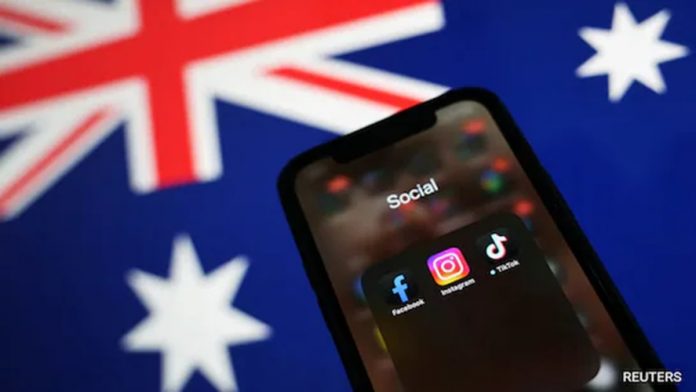
The Federal Court of Australia has delivered a significant legal blow to Apple and Google, ruling that both tech giants abused their market dominance in app distribution to stifle competition.

The decision marks a major win for Epic Games, the publisher behind Fortnite, in its years-long global battle to dismantle restrictive app store policies.

Justice Jonathan Beach concluded on Tuesday that the companies’ practices in controlling their respective app stores amounted to anti-competitive conduct, though he stopped short of finding them guilty of “unconscionable conduct.” This ruling clears the path for Epic to reintroduce Fortnite and its Epic Games Store in Australia — bypassing the 30 percent commission Apple and Google typically charge on in-app purchases through their proprietary payment systems.

Epic’s CEO Tim Sweeney welcomed the ruling, saying Fortnite and the Epic Games Store would return to Australian users “soon” via Epic’s own platform.

“This is a step toward restoring fair competition and freeing developers from monopolistic control over app distribution,” Sweeney said.

Google, however, claimed partial victory, highlighting that the court rejected Epic’s demand to force Google to host rival app stores inside Google Play, as well as its challenge to certain “critical security protections.”

“We disagree with the court’s characterisation of our billing policies and practices, as well as its findings regarding some of our historical partnerships,” a Google spokesperson said in an emailed statement.

Apple similarly defended its ecosystem, calling the App Store “the safest way for users to get apps,” while noting it disagreed with several aspects of the decision.

The U.S. Legal Backdrop

Epic’s legal war against Apple and Google began in 2020 after the company deliberately broke both firms’ app store rules. It updated Fortnite with a feature allowing players to purchase in-game currency directly from Epic at a discounted rate, bypassing Apple and Google’s payment systems. In response, Apple pulled Fortnite from the App Store, and Google removed it from Google Play for devices that used the official store.

Epic immediately filed lawsuits in U.S. federal court, accusing both companies of violating antitrust laws by monopolizing the app distribution market and enforcing inflated commission rates. In its high-profile U.S. case against Apple, a California judge ruled in 2021 that Apple could no longer prohibit developers from linking to alternative payment systems, but stopped short of declaring Apple a monopoly under federal antitrust law. Both sides claimed partial victories, and appeals followed.

The legal pressure intensified in 2023 when Epic won a separate U.S. case against Google. A California jury sided with Epic, finding that Google’s Play Store policies — including deals with developers and handset makers to block competing app stores — were anti-competitive. This was a far more decisive win than Epic achieved against Apple in the U.S., and it is currently shaping ongoing settlement negotiations and potential remedies that could force Google to make sweeping changes to Android’s app distribution model.

These U.S. rulings have rippled globally. In the EU, Epic has leveraged the bloc’s Digital Markets Act to bring Fortnite back to iOS in Europe via third-party app stores, bypassing Apple’s commission. The Australian decision now adds another jurisdiction where the tech giants will have to rethink their gatekeeping role — and could inspire similar actions in Asia and Latin America.

Analysts have warned that if such rulings continue to accumulate, Apple and Google may be forced into a coordinated overhaul of their app store policies worldwide to avoid inconsistent regional rules. The global app economy generates well over $400 billion annually, and loosening the grip on app distribution would shift billions in revenue away from Apple and Google to developers and alternative platforms.

Beeple Announces ‘Synthetic Theatre’ Event Hosted By Danny McBride

0

Beeple has announced that his next event, titled “Synthetic Theatre,” will be hosted by Danny McBride. The event is a collaboration between Beeple Studios and Rough House Pictures, featuring a night of live AI experiments with music, dance, improv, and film.

It will take place on October 3-4, 2025, at Beeple Studios in Charleston, South Carolina, and will include performances by Edi Patterson, Daniel J. O’Connor, Holly Herndon, and others. Tickets went on sale Monday at 11 am EST.

The event features live AI experiments in music, dance, improv, and film, showcasing how AI can generate unique digital content. AI algorithms, such as those used in generative art, enable artists to produce infinite variations of digital creations, which can be tokenized as NFTs to ensure authenticity and ownership on the blockchain.

Beeple’s prominence in the NFT space, particularly after his $69.3 million sale of Everydays – The First 5000 Days, underscores how NFTs provide a platform for artists to monetize digital works. This event could further popularize AI-generated NFTs, merging cutting-edge technology with artistic innovation.

Economic and Market Opportunities

NFTs allow artists to earn royalties on secondary sales through smart contracts, providing ongoing revenue streams. The integration of AI can enhance this by creating personalized or interactive NFTs, increasing their value and appeal.

For example, AI-powered NFTs could adapt to user preferences, as seen in virtual fashion or music tokens. The global reach of NFTs, combined with AI’s ability to analyze market trends in real-time, can help artists and creators target broader audiences.

Beeple’s event, hosted at his studio, could attract collectors and enthusiasts, boosting the NFT market’s visibility in Charleston and beyond. NFTs’ unique, indivisible nature and volatile market dynamics pose challenges for valuation under frameworks like US GAAP or IFRS.

AI can assist by analyzing market data for more accurate pricing, but the lack of standardized guidelines remains a hurdle. Beeple’s high-profile event may amplify discussions on how to account for AI-generated NFTs in financial statements.

The absence of clear tax and legal frameworks for NFTs, as seen in jurisdictions like Indonesia, could complicate their adoption. Events like Beeple’s may push regulators to address these gaps, especially as AI-driven NFTs gain traction.

The anonymity and price volatility of NFTs make them susceptible to fraud and money laundering. AI can help detect fraudulent NFTs but also introduces ethical challenges if used to replicate or “transform” existing art without proper attribution. NFTs eliminate intermediaries, allowing artists like those at Beeple’s event to directly reach collectors.

The NFT market peaked in 2021 but faced a bear market by 2023, with declining royalties and trading volumes. Beeple’s event could signal a resurgence, particularly for AI-driven NFTs, though market fluctuations remain a risk. While interest in NFTs has waned since early 2022, events like this could sustain momentum by showcasing innovative applications of AI and blockchain.

Beeple’s “Synthetic Theatre” event underscores the transformative potential of combining AI and NFTs in creative industries, offering new avenues for artistic expression, monetization, and global reach. However, challenges like valuation difficulties, regulatory gaps, and ethical concerns around AI-generated art must be addressed to ensure sustainable growth.

Perplexity Is Raising Another Funding Round, Seeks $20bn Valuation

0

Perplexity, the fast-rising AI search engine startup, is raising yet another round of funding that could push its valuation to $20 billion, according to an email sent to prospective investors and a source familiar with the matter who spoke with Business Insider.

The figure represents a $2 billion leap from its $18 billion valuation secured in July, as first reported by Bloomberg, and a dramatic rise from its $520 million valuation in January 2024.

Founded in 2022, Perplexity has positioned itself as one of the most aggressive challengers in the AI sector, blending large language models with web search to deliver real-time, conversational answers. Over the past year, the company’s business trajectory has been nothing short of meteoric.

Annual recurring revenue soared from about $35 million in mid-2024 to over $150 million by the middle of 2025 — more than quadrupling in just 12 months.

We are currently doing more than $150 million in ARR, Perplexity’s head of communication, Jesse Dwyer, confirmed, declining to elaborate further.

The company has attracted heavyweight backers, including SoftBank, Nvidia, and Amazon founder Jeff Bezos, raising approximately $1.5 billion to date, according to PitchBook. But its latest moves suggest it is aiming to project even greater influence.

Earlier this week, Perplexity stunned the tech world by announcing a $34.5 billion bid, a figure nearly 100% higher than its expected valuation, to acquire Google’s Chrome browser. The proposal came as the Department of Justice pressured Google to divest Chrome over antitrust concerns. While Google has not indicated any willingness to sell, Perplexity claims it has secured commitments from several large venture capital funds to finance the purchase, though it has not disclosed names.

Analysts and industry insiders have been quick to question the seriousness of the bid. One venture capitalist, speaking anonymously to BI, dismissed it as “little more than a marketing stunt,” suggesting the move was designed to position Perplexity as a dominant player in the public eye, attract top talent, and secure more capital.

The timing of the Chrome play coincides with heightened competition in the AI browser space. Perplexity recently launched its own AI-native browser, Comet, directly challenging Google, Apple, and AI leaders like OpenAI, which is reportedly developing a browser of its own.

That competitive dynamic has also fueled speculation that Perplexity could become an acquisition target itself, particularly for Apple, which many analysts say is lagging in the AI race. Dan Ives, managing director at Wedbush Securities, has called an Apple acquisition of Perplexity a “no-brainer deal,” warning that “time is ticking” for the iPhone maker. Perplexity, for its part, insists it is “unaware of any M&A discussions” involving Apple.

Playing the Long Game in the AI Power Struggle

Perplexity’s pursuit of a $20 billion valuation, alongside its audacious bid for Chrome, appears designed to cement its status as a top-tier AI company in a market dominated by trillion-dollar incumbents.

The target valuation of $20 billion, while impressive, remains modest compared to the giants of the AI industry. OpenAI’s valuation is at least 10–25 times larger, depending on whether the realistic or optimistic figures are used. Even xAI, with its rapid funding and ambitious targets, sits at 4 to 10 times Perplexity’s valuation. And Alphabet, with its Gemini platform, operates on an entirely different scale—its sheer size highlights how far behind Perplexity still is.

AI Leaders’ Valuations vs. Perplexity

OpenAI

OpenAI recently completed a massive $40 billion funding round in March 2025, establishing a post-money valuation of approximately $300 billion.

Moreover, discussions are underway that could push OpenAI’s valuation even further—to around $500 billion—through a secondary share sale, allowing employees to cash out.

xAI (Elon Musk’s AI Venture)

Elon Musk’s AI firm xAI, merged with his social media company X under the banner X.AI Holdings, was valued at about $80 billion post-merger, with X (formerly Twitter) valued separately at $33 billion.

Recent funding maneuvers have brought its valuation up to approximately $113 billion, supported by debt and equity raises, including a $5 billion debt package.

Beyond that, xAI is reportedly targeting a valuation between $170 billion and $200 billion in upcoming rounds.

Google’s Gemini

Although Google’s Gemini initiative doesn’t come with a standalone valuation, Alphabet—the parent company—remains a multi-hundred-billion-dollar enterprise. For context, Alphabet is valued in the $500-$560 billion range, dwarfing Perplexity’s valuation. Gemini itself powers a significant portion of Alphabet’s AI strategy.

However, Perplexity’s rise in valuation—from just $520 million in early 2024 to an intended $20 billion in mid-2025—does mark remarkable progress. Still, in the race for AI dominance, the real heavyweights have already surged ahead in capital and influence.

While the Chrome offer may never materialize, the spectacle itself boosts the company’s visibility and helps frame it as a legitimate contender in the next phase of the internet’s evolution.

If successful in raising fresh capital at this valuation, Perplexity would have greater resources to accelerate its expansion, improve its AI infrastructure, and potentially fund high-profile acquisitions of its own. But the real strategic gamble may be in perception — convincing investors, talent, and the market that it is not merely another promising AI startup but a long-term platform capable of reshaping search and browsing at a global scale.

Do Kwon Pleads Guilty to Committing Frauds and Implosion of TerraUSD, Luna

0

Do Kwon, co-founder of Terraform Labs, pleaded guilty to one count of conspiracy to commit commodities fraud, securities fraud, and wire fraud, and one count of wire fraud in a New York federal court on August 12, 2025.

The charges stem from the $40 billion collapse of TerraUSD and Luna in 2022, which wiped out significant investor value. Under a plea deal, Kwon faces a maximum of 25 years in prison, though prosecutors have agreed to recommend no more than 12 years, provided he accepts responsibility.

He also agreed to forfeit over $19 million in illicit proceeds and his interest in Terraform and its cryptocurrencies. Sentencing is scheduled for December 11, 2025, before U.S. District Judge Paul Engelmayer.

Kwon was extradited from Montenegro to the U.S. on December 31, 2024, after his arrest in March 2023 for using forged travel documents. He still faces additional charges in South Korea. Kwon’s case highlights the vulnerability of investors in the crypto market and strengthens the case for stricter regulations.

Regulatory bodies like the U.S. Securities and Exchange Commission (SEC) and international counterparts (e.g., South Korea’s Financial Services Commission) are likely to intensify oversight of stablecoins and decentralized finance (DeFi) platforms.

The collapse of TerraUSD, a stablecoin meant to maintain a $1 peg, exposed risks in algorithmic stablecoins. This may push regulators to impose specific requirements, such as mandatory reserves or audits, to ensure stability and transparency.

The $40 billion TerraUSD/Luna collapse, coupled with Kwon’s guilty plea, may further erode confidence in crypto projects, particularly those lacking clear governance or transparency. Investors may demand more robust due diligence before engaging with new tokens or platforms.

Legal Accountability for Crypto Founders

Kwon’s plea sets a high-profile example that crypto founders and executives can face severe personal consequences for mismanagement or fraudulent activities. This may deter reckless or deceptive practices in the industry.

Terraform Labs, already weakened by the 2022 collapse, faces further reputational and financial damage. Kwon’s forfeiture of $19 million and his interest in Terraform and its cryptocurrencies could limit the company’s ability to recover or relaunch.

Other projects built on or inspired by Terra’s model may face increased scrutiny, potentially stifling innovation in algorithmic stablecoins or similar DeFi protocols. Kwon still faces charges in South Korea, where the Terra collapse had a significant impact, with thousands of retail investors affected.

Kwon’s case reinforces the U.S. as a key jurisdiction for prosecuting crypto-related fraud, even for non-U.S. citizens operating overseas. The use of U.S. wire fraud statutes in this context sets a precedent for applying traditional financial laws to decentralized systems.

The inclusion of conspiracy to commit securities and commodities fraud establishes that coordinated efforts to mislead investors in crypto markets can lead to severe penalties, even if the assets are not explicitly classified as securities.

The TerraUSD collapse is one of the largest stablecoin failures to date. Kwon’s guilty plea sets a precedent that creators of stablecoins can be held liable for misrepresenting their stability or failing to deliver on promised mechanisms (e.g., Terra’s algorithmic peg).

The plea deal’s recommendation of up to 12 years, despite a 25-year maximum, establishes a benchmark for sentencing in major crypto fraud cases. Future cases may reference this balance between accountability and cooperation when determining penalties.

By pleading guilty to charges involving securities fraud, Kwon’s case indirectly supports the SEC’s argument that certain cryptocurrencies (like Luna) may be treated as securities. This could influence ongoing debates about whether tokens are securities or commodities, shaping future regulatory classifications.

Do Kwon’s guilty plea is a landmark case in the cryptocurrency industry, signaling that founders and executives can face significant legal consequences for fraud and mismanagement. It sets a precedent for applying traditional financial laws to crypto, strengthens international enforcement, and highlights the risks of unstable stablecoins.

While it may deter fraudulent projects, it also emphasizes the need for balanced regulation to protect investors without stifling innovation. The case’s ripple effects will likely influence global crypto policies, investor behavior, and the legal accountability of industry leaders for years to come.