This was shared in the Forum but the table did not appear very well there. So, I am re-posting here primarily to present the table in a clearer way.
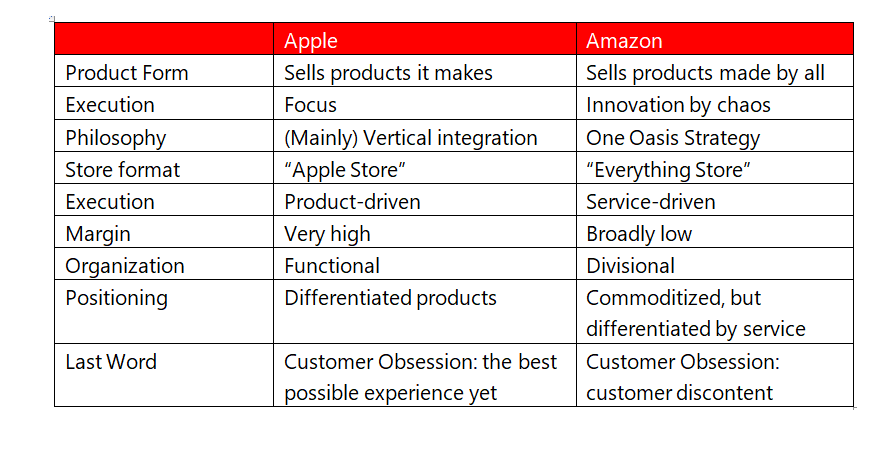


This was shared in the Forum but the table did not appear very well there. So, I am re-posting here primarily to present the table in a clearer way.
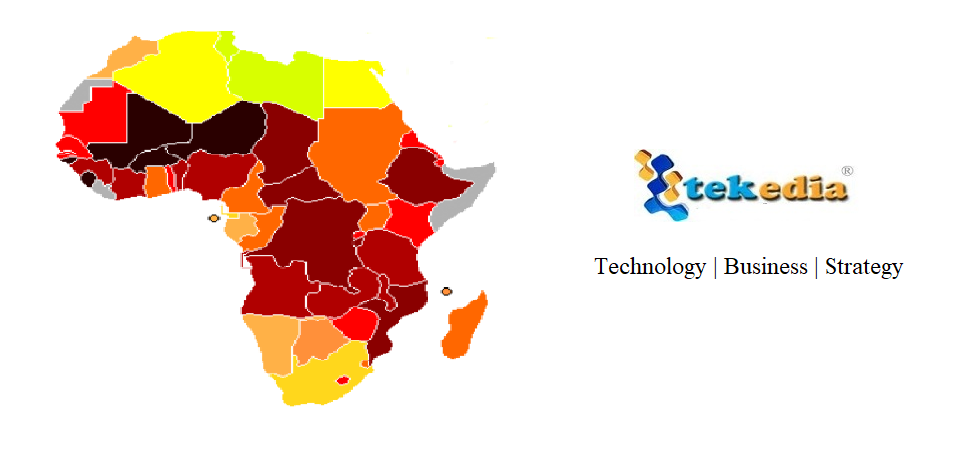
AWS.
I am having real issues with Amazon AWS on hosting. We have been unable to get decent help from AWS. They reply via email, once every 5 hours. My blog tekedia.com comes ON and OFF. It is just a WordPress and nothing more.
Can you offer suggestions? I really need to leave Amazon alone as it is stupidity to offer customer support via email in a world that is built on instant service.
Please contact my webmaster via Contact Section. They have checked the settings and think everything looks good. Yet, the issues keep coming up.
Automatic which owns WordPress has also confirmed that everything is fine. We backup all data via Vaultpress. But AWS seems confused – it does not have a clue why the server disconnects and returns even when THERE IS ZERO TRAFFIC.
HIGHER MENTORS.
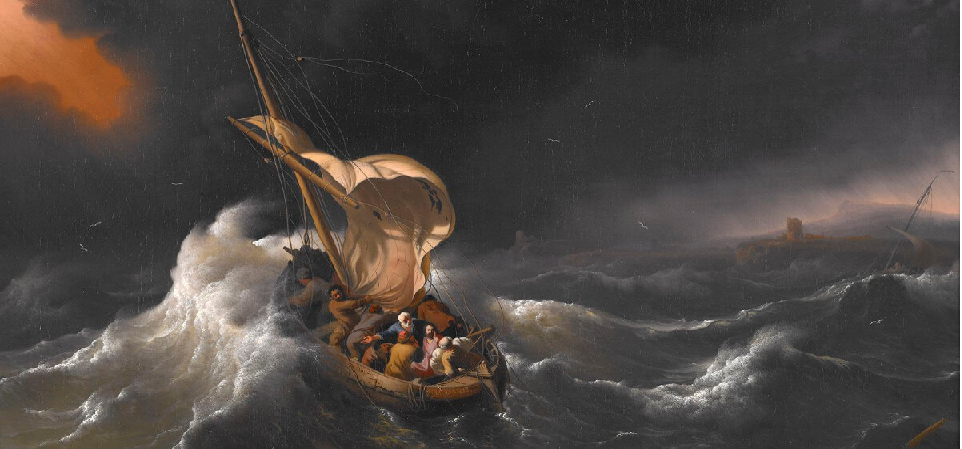
They were men of great capabilities. They excelled in their fields. They were masters of waters, having core competencies in navigating sea waves as fishermen.
But one day, they were on the Sea of Galilee, legendary for its shallow depth – the lowest freshwater and second-lowest lake on earth. Fed by River Jordan, with the Golan Heights by the side, a wave easily gathered momentum causing problems along the paths.
In the Bible, much of the ministry of Jesus occurred on the shores of Lake Galilee. In those days, there was a continuous ribbon development of settlements and villages around the lake and plenty of trade and ferrying by boat. The Synoptic Gospels of Mark (1:14–20), Matthew (4:18–22), and Luke (5:1–11) describe how Jesus recruited four of his apostles from the shores of Lake Galilee: the fishermen Simon and his brother Andrew and the brothers John and James. One of Jesus’ famous teaching episodes, the Sermon on the Mount, is supposed to have been given on a hill overlooking the lake. Many of his miracles are also said to have occurred here including his walking on water, calming the storm, the disciples and the miraculous catch of fish, and his feeding five thousand people (in Tabgha). In John’s Gospel the sea provides the setting for Jesus’ third post-resurrection appearance to his disciples (John 21).
On that day, the disciples, masters of waters, had their capabilities tested. Four of them were recruited by Christ while working on that very Sea. The waves were ferocious but the men trusted their skills. Then, they gave up, and asked for help. “Peace be still” were words, and the storm stopped.
Our education, networks, and experiences are things we cherish. We use them to navigate careers. But there are things so powerful: preventing the possibilities of storms or when they do happen, having higher mentors (or plans) to stop them.
Today’s labour market is like the Sea of Galilee. Technology-driven dislocation and globalizations are major challenges. It requires Alternate Plan just in case the skills become momentarily unhelpful just as the fishermen saw themselves nearly imperiled in a sea.
We can’t out-plan all career storms. That calls for the need of a higher mentor? Or alternatively, what is your alternate plan? You need to have the capacity to “hear” that Peace be Still in case a storm comes. The disciples were in the right company. You need to make sure you have one as you juggle the challenges of building careers in the 21st century.
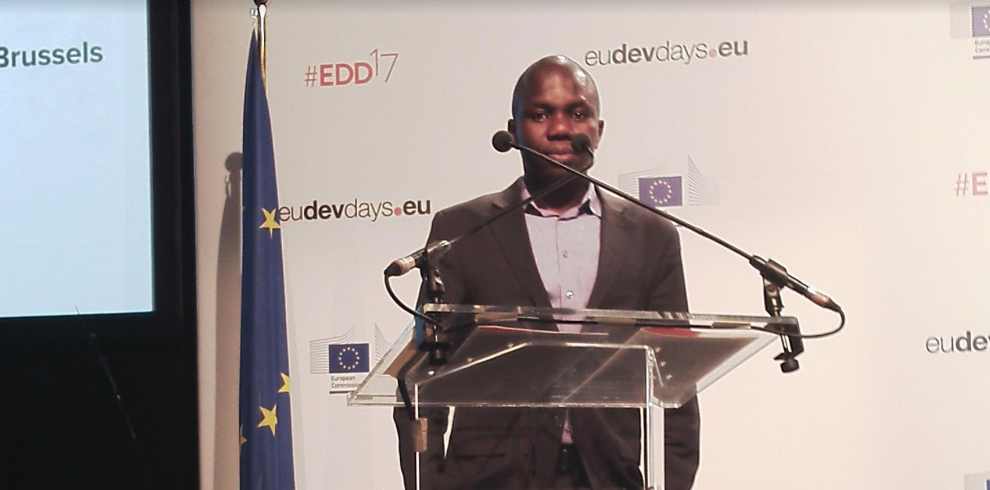
I will be speaking in the European Commission’s Joint Research Centre this June. We will discuss the changing nature of work. The organizers have drawn experts from around the world. I will attend as the Founder of the non-profit African Institution of Technology, a 501(c)3 U.S. charity. In the panel will include a professor from University of Oxford and experts from Chile, U.S. and more.
Session 3: The changing nature of work
By 2030, tech-savvy, hyper-connected millennials will represent 75% of the workforce, and older generations will work longer. Advancements in technology and automation are increasingly substituting both routine and cognitive tasks, while increasing the need for new skills and creating unprecedented opportunities.
[…]
Michael Schönstein, Federal Ministry of Labour and Social Affairs, Germany
Hector Casanueva, Chilean Council for Foresight and Strategy, Chile
Ndubuisi Ekekwe, African Institution of Technology, Nigeria
As the world examines the potential labour disruptions from new technologies, Africa will be affected but in a totally different way. Sure, ATM machines and web technologies will result to labour dislocations but the industries that really employ most Africans [for example agriculture which employs more than 65% of working population] may not see radical changes in decades unless fundamental redesigns take place on critical infrastructures.
We cannot leapfrog poor road networks with drones that deliver blood. We cannot fix electricity with apps. And certainly for all the farming apps, farmers still use hoes and cutlasses. Our labour model must be different from what they write on FT, NY Times, and The Economist because our situations are unique.
I expect this to be a great conversation in Brussels this June.

In business, one must develop strategies for operational efficiency in all the key business components. A key part of winning is knowing how to tap into government supports and subsidies especially in some strategic sectors where government has clear pain points. There is nothing wrong with that. General Electric operated for years in U.S. over the last few decades without paying corporate taxes. It has mastered how to operate, taking advantages of government subsidies in some areas. Apple partnered with Ireland to reduce its tax exposure in the European Union (EU) triggering lawsuit from the EU against Apple.
From Dangote Group to Carlos Slim’s Grupo Carso, they impose Conglomerate Tax on us, and that is a certainty of living.
In these videos, I explain how modern conglomerates design and execute such business processes.