DD
MM
YYYY

PAGES

DD
MM
YYYY

spot_img

PAGES

Home Blog Page 7351

With Board Dissolution And Exit Of Hakeem Bello-Osagie, Here Are Options for Etisalat Nigeria

1

Etisalat Nigeria is floating. It is like a bride that no one really wants in the middle of a wedding. The UAE investors abandoned it in the hour of need. Now, the Chairman of the company has resigned. Businessman Hakeem Bello-Osagie resigned from the Board earlier today. The non-executive Board members had already resigned from the fourth mobile operator few days ago.

But the company has to move forward. The firm had noted that it would move ahead to establish a new management and appoint a new board. The Chairman had left after the restructuring plan for the telecommunications firm  was finalized. They have now a roadmap to execute, as it looks for ways, to manage the evolving crises in the firm. According to a statement, from Etisalat, all the important stakeholders had agreed on the plan.


The development reflects Mr. Bello-Osagie’s deep commitment to protecting the interest of all stakeholders. It is now expected that Etisalat Nigeria under its new shareholding structure will navigate through its current loan repayment challenge with minimum impact.

Over the last several months, the Chairman has worked extensively with critical stakeholders to prepare clearly articulated strategies and robust road maps that will mitigate the impact of the new shareholding restructuring and realignment on the operations and management of the 4th largest telecoms player in Nigeria,” the statement said.

Etisalat Nigeria owns consortium of banks more than $600 million on a $1.2 billion loan.  The foreign currency denominated loan was to help Etisalat upgrade its infrastructure. Unfortunately, when Nigerian economy went into recession, its business struggled, and the situation worsened that it could not service its debts, since 2016. Cascading events led to the exit of its major shareholders, non-executive directors and today, the resignation of its Chairman, Hakeem Bello-Osagie.

This is going to be a challenging moment for the fourth mobile operator in Nigeria, despite a finalized restructuring plan. Here are options Etisalat Nigeria may consider as it works to manage this challenging moment in its history.

  • Quickly setup a new Board. This board composition must comprise of leading and experienced telecom operators. Do not go into the temptation of flooding the board with bankers especially the creditors. The fact is, if care is not taken, there may be asset striping which will lead to the demise of Etisalat Nigeria. A mixed board with representatives from the banks along with industry veterans will be ideal.
  • A banker with limited telecom experience should not take over the Management of the firm. Etisalat Nigeria will be making grave mistake of hiring or using a banker to run the firm. We believe only industry operators can help improve the company’s fortune. The present Management may likely be asked to depart so that a new one can come in. But the focus will not be to strip assets by putting profitability over long-term survival of the firm. Etisalat, owing to its position in the industry, will need help at least for two years. That means, it may not have to pay dividends, to its investors.
  • Reduce product cost which can be attributed to the loss of more than one million subscribers in Q1 2017. Etisalat Nigeria which has one-third of MTN Nigeria subscriber base, lost nearly the same number of subscribers as MTN in Q1 2017 according to data from NCC (Nigerian Communication Commission), the industry regulator. Massive price reduction will help it tame the exodus. Etisalat, with the best QoS, cannot afford to be losing more subscribers compared to either Glo or Airtel which individually has millions of more subscribers than it. You cannot have the best service and yet be losing more customers. The simple reason is that the service is no more affordable, especially in a country on recession..
  • Pioneer new sectors  like AgTech to expand revenue sources. The reality is that pursuing and doing what MTN and Glo are doing will not help Etisalat in the short-term because the competitors enjoy better economies of scale. So discovering and focusing on new markets will be strategic for it to differentiate itself in the market.
  • List in the Nigerian Stock Exchange and work to find capital to repay the loan. It will be a very challenging one but Etisalat may not have a lot of options. For the fact that its major shareholder, largely abandoned it for less than $600 million, is not a good sign. It does imply that they could leave so much on the table for such an amount. (Etisalat Nigeria had noted that it had paid a huge part of the $1.2 billion loan.)
  • Plan for a sale once all the debt issues are managed and curtailed. The  fact is that Nigeria cannot accommodate #4 operator which is way behind unless that operator has capital to spend heavily to entice new customers.Where it becomes clear after two years that it is not making progress, the firm should put itself for sale. Glo remains a strategic partner that can help absorb it. It may not be all-cash-deal, of total buyout, but something closer to a merger of two un-equals since Glo may not have the cash to buy outright..
Hakeem Bello-Osagie, Chairman of Etisalat Nigeria, Resigns

0

Hakeem Bello-Osagie, the Chairman of Etisalat Nigeria Limited, has resigned his position with the company which he was the promoter in Nigeria. This is a very unfortunate incident that can cripple finding a lasting solution in Etisalat. Few days ago, other non-executive directors of Etisalat Nigeria also resigned. The resignation of Mr Bello-Osagie completes the clean-up of the Etisalat Nigeria board.

The resignation takes immediate effect. A statement obtained by PREMIUM TIMES confirmed the development, saying the decision followed “the approval of a restructuring plan for the telecommunications firm.”

Mr. Bello-Osagie, the one-time Chairman of the United Bank for Africa, UBA, was the surviving shareholder in the embattled mobile operator currently embroiled in a $1.2 billion loan repayment crisis with a consortium of 13 Nigerian banks.

He was the promoter of Emerging Markets Telecommunications Services, EMTS, which controlled 15 per cent of the equity holding of the company

His resignation followed the withdrawal, two weeks ago, of the company’s major shareholder, Emirates Telecommunications Group Company, which announced the decision to quit effective June 15, 2017.

With Board Dissolution And Exit Of Hakeem Bello-Osagie, Here Are Options for Etisalat Nigeria

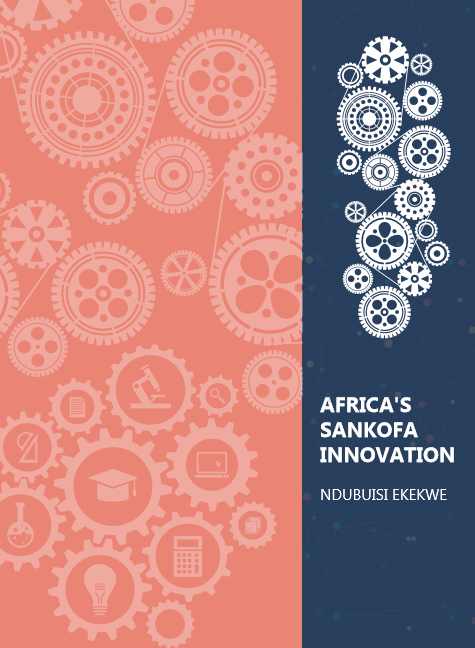
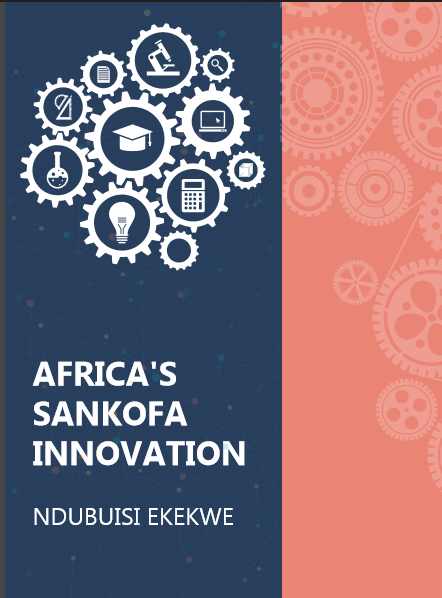
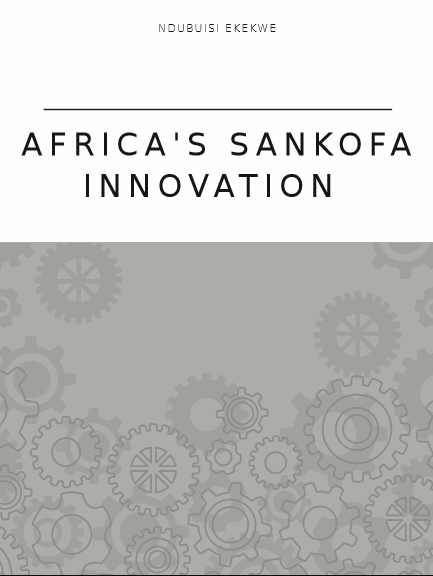
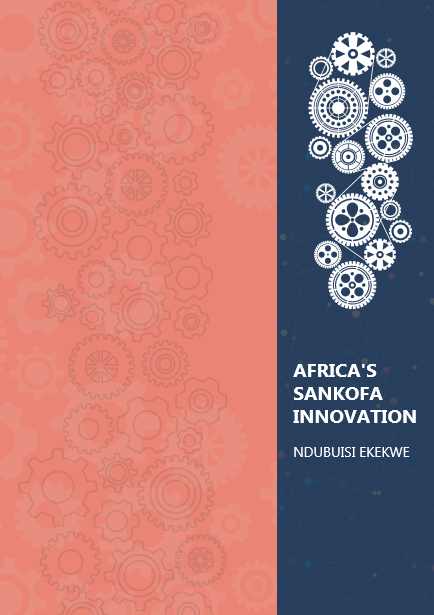
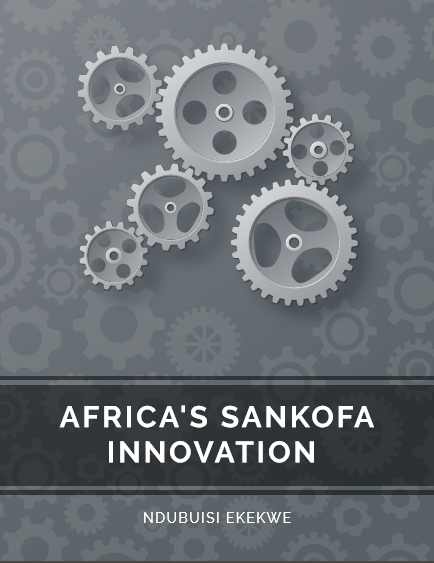
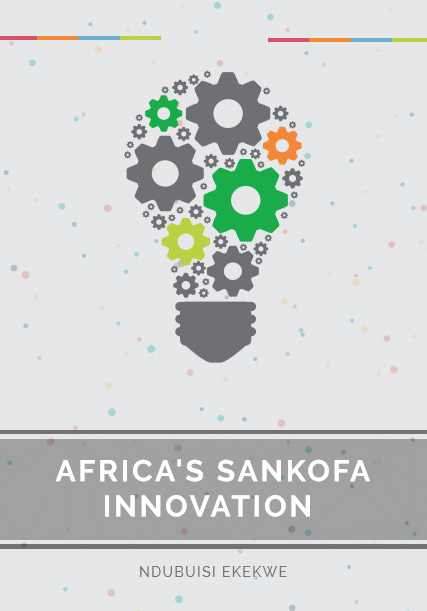
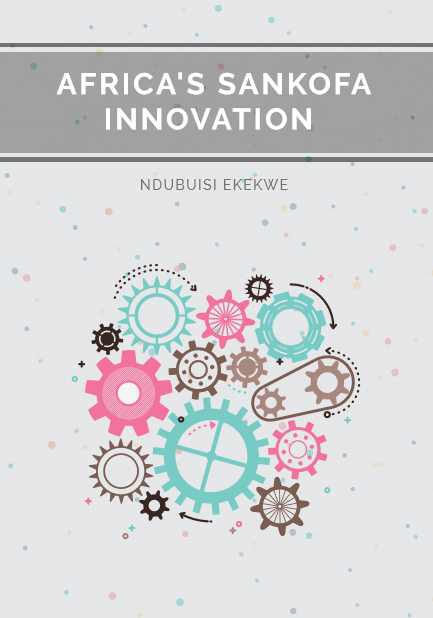
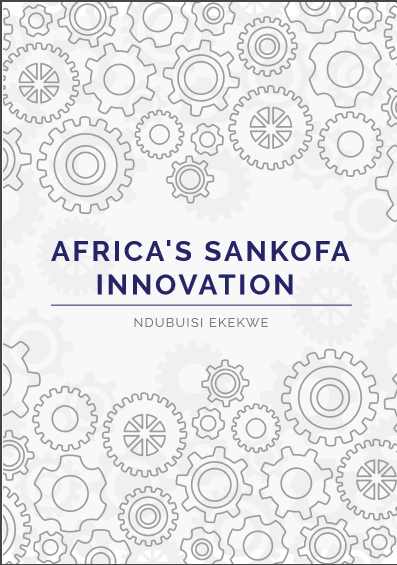
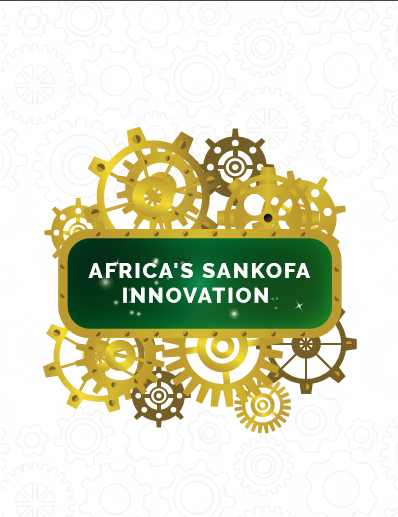
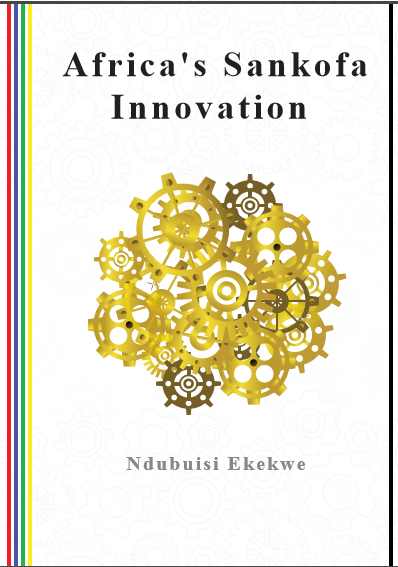
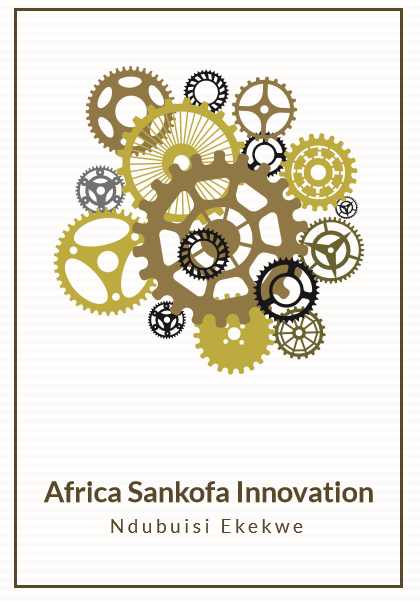
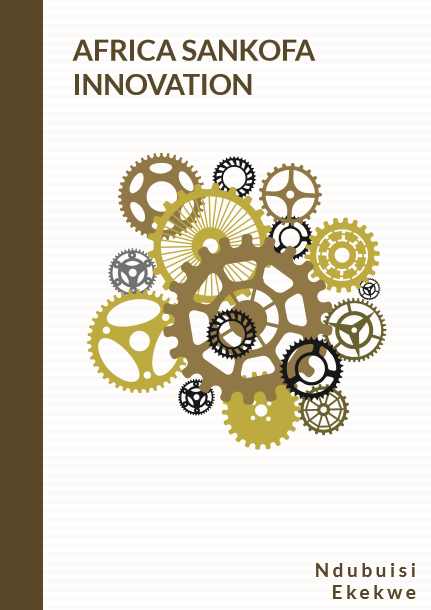
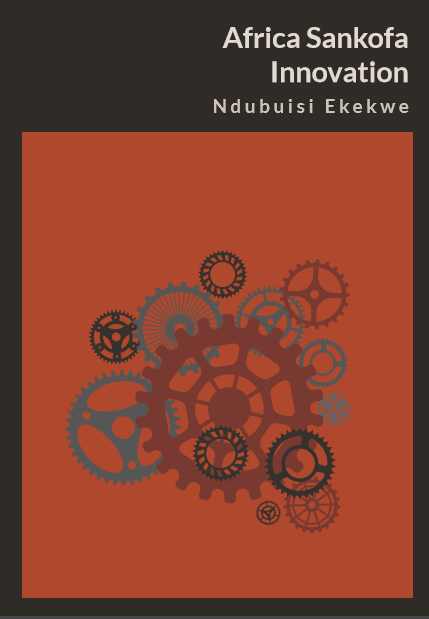
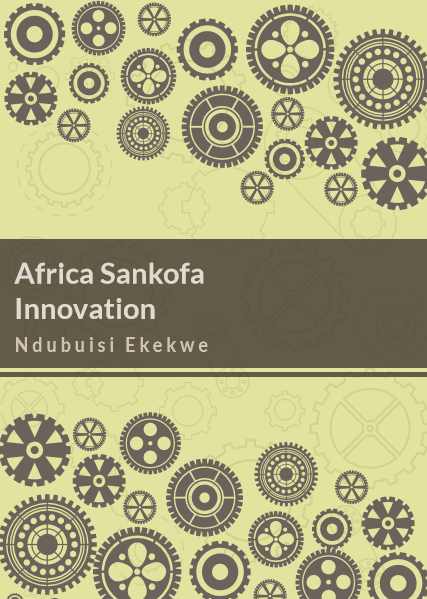
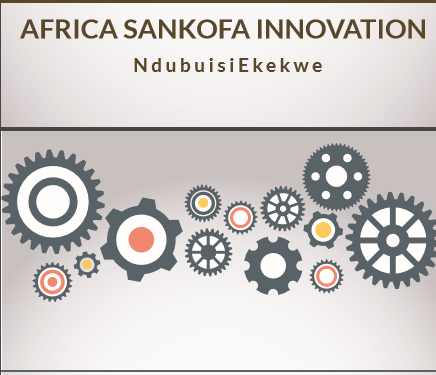
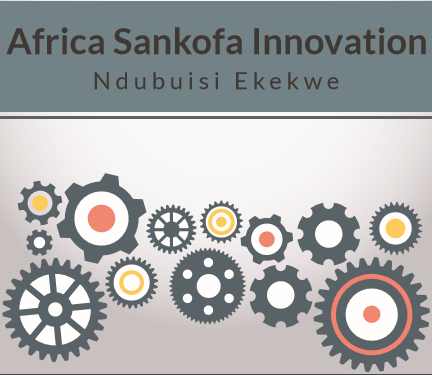
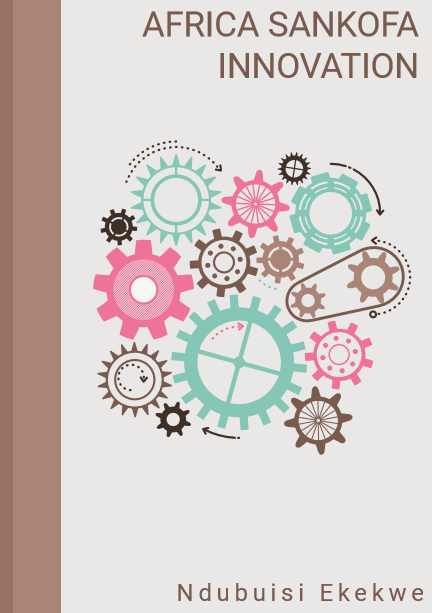
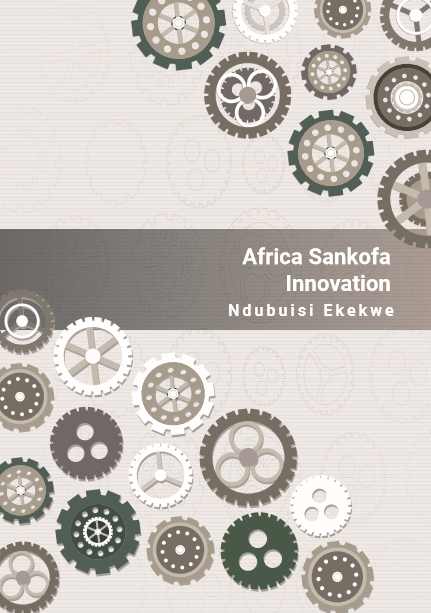
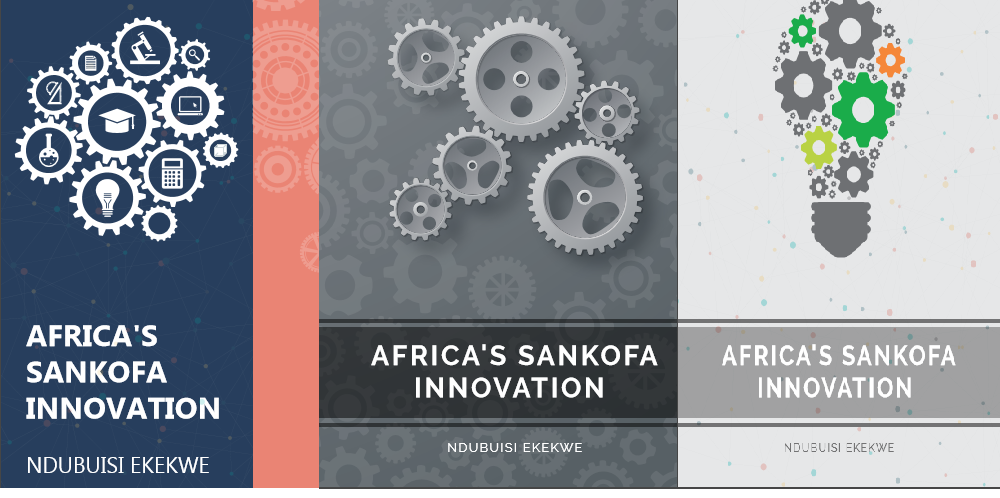
Suggestions for Cover of “Africa’s Sankofa Innovation” Book

14

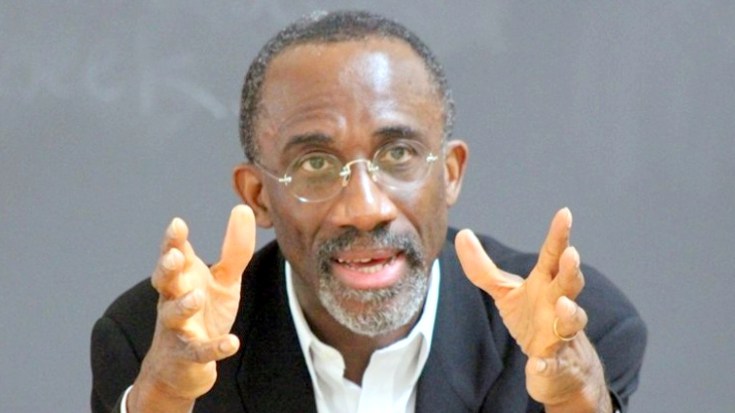
This is Ndubuisi Ekekwe who has a new book coming out in August 2017. All proceeds of the book will go to support workshops to be organized by the African Institution of Technology (a U.S. 501(c)3 non profit) to help deepen AI programs in selected African universities. AFRIT, the non-profit, has done similar workshops on electronics (photos) with positive reviews in more than 60 universities in Africa.

I need help in choosing the book cover. I presented to our graphic design team with A10 but they returned with these options. You can comment on my LinkedIn page if you prefer. Alternatively, even anonymous choice is fine below. Simply, I want you to give me the choice you think will do well (e.g. A8). Yes, do well on sales. The book is awesome and will be distributed at $10 subscription online here. Thanks, always.

NB: A has Africa’s Sankofa Innovation while B is Africa Sankofa Innovation. Please consider that if possible.

A- AFRICA’S SANKOFA INNOVATION

A1

A2

A3

A4

A5

A6

A7

A8

A9


A10


B – AFRICA SANKOFA INNOVATION


B1

B2

B3

B4

B5

B6

B7

B8

B9

B10

The Missing Profits In MTN, Glo, Airtel And Etisalat in Nigeria

2

The revenues, and by extension the profits, of the leading mobile operators in Nigeria can be radically improved, despite all their challenges, if they begin the move into industrial services where mobile telephony and broadband services are specifically delivered to improve specific industrial operations in the country.

Everyone understands the challenges in the telecom sector in Nigeria. There is the problem of extra tax burdens on one side and the erosion of revenue, accelerated by OTP services like Whatsapp which consume infrastructure capacities without the telecom companies earning decent revenue therein, on the other side.

Yet, these companies have opportunities to unlock more value if they can move into certain new industries like agriculture. They need to move into providing services that help farmers improve their businesses and that will help them find new sources of revenue. This means in each of these giants, we need to see MTN AgTech, Etisalat AgTech, Glo AgTech and Airtel AgTech business units.

With this AgTech IoT (Internet of Things) innovation, companies like MTN, Airtel, Etisalat and Glo can pipe a lot of agriculture data to farmers, banks, insurers and others across the food chain. The telecom operators will aim to improve the connectivity of sensors and other data-capturing devices on the farm to help farmers turn this data into actionable insights. They can work with partners to execute this business.The opportunity is huge as this is an untapped market and these companies can even come together to seed the connectivity part of the business. We mean these companies can come together under an initiative to connect Nigerian farms. It would be a necessary investment for them to expand beyond where they are today.

They have served the banks, insurance and oil & gas sectors. But agriculture is where the money is because that it is the most impactful sector, that employs more than 60% of Nigeria’s working population. We want them to be there. Our farmers will need that level of support for Agriculture 2.0. to be unleashed in Nigeria.

Consider MTN AgTech which can develop tools, with partners, to help local developers and others build for, and use, IoT in the agriculture space. The telcos will work with partners to develop APIs that will support such an initiative. People are talking of smartcity in Nigeria. We think that is largely elitist because we have more urgent things to deal with before whether a city is smart. The real deal right now is agriculture and the demand projection is huge because farming productivity is very poor and any improvement in yield will improve the living conditions of more than 60% of the Nigerian citizens.

Did we note that the telcos will make more money in the process? As Nigerians do well, the bulk being farmers, the telcos will have better annual parties!

The telecom companies will help the sensor partners handle connectivity issues with a national standard set in the nation for the agriculture space. This is good business; NCC, the regulator, should not be anywhere close. We just suggest the telcos work together and build a new business segment. Bringing a network and a platform together will quickly help drive this innovation process.

In addition to providing farmers with the ability to track everything that’s happening in their fields such as irrigation, and efficient fertilizer application,  the telecom firms working with smartfarm sensors will aim to provide farmers with prescriptive and predictive recommendations based on the combination of historical, geospatial and on-farm data via dashboard. This is not just for farmers, even local gardeners will be on board and the telcos will  benefit.

The telcos in this partnership will focus on their strengths in wireless connectivity and tackle some of the technical challenges of connecting devices and getting data out of the field and into the cloud through gateways. We envisage that they could decide to build a completely open IoT platform that an existing and future ecosystem of companies could build farmer-focused solutions on which could tether those customers in their networks because their farm data are already resident with these telcos. We believe that participation and interests from the telcos will help accelerate innovation in this area.

This is the new industrial beyond what they are doing today. This will open more revenue opportunities and by extension help them towards higher profitability. We do hope the telcos will not suddenly try to focus on selling their own software products to farmers. If they choose that path, they will likely fail because working with farmers is not an expertise the telcos have in their DNAs. They just need to provide the networks so that AgTech entrepreneurs will do the rest. The cost model will not work in their favors because the farming entities in Nigeria are very fragmented. This means they will be required to operate with new cost models to succeed. That will be hard.

I suggest the telcos focus on the connectivity and leave the rest to precision agtech partners to run. My company provides services in the precision agriculture and will be in a position to work with these telcos to pioneer this sector.