DD
MM
YYYY

PAGES

DD
MM
YYYY

spot_img

PAGES

Home Blog Page 7362

Global CEOs Are Optimistic On Growth Despite Political Uncertainties – KPMG

0

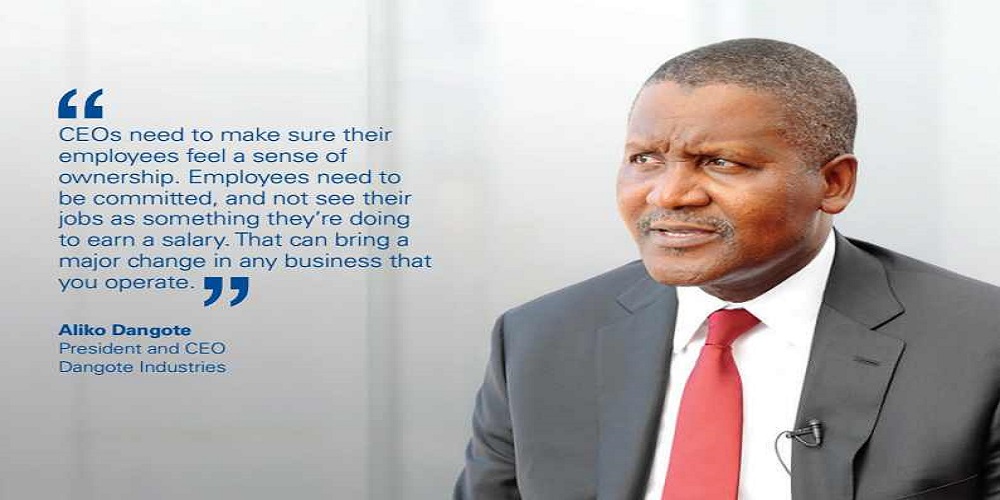
KPMG International today released its 2017 Global CEO Outlook, based on in-depth interviews with nearly 1,300 CEOs of some of the world’s largest companies. This year’s CEO Outlook reveals that 65 percent of CEOs see disruptive forces as an opportunity, not a threat, for their business. CEOs are still broadly confident about the prospects for the global economy, but their optimism is more modest than it was last year, with 65 percent expressing confidence compared with 80 percent last year.

“Disruption has become a fact of life for CEOs and their businesses as they respond to heightened uncertainty,” says John Veihmeyer, Global Chairman of KPMG. “But importantly, most see disruption as an opportunity to transform their business model, develop new products and services, and reshape their business so it is more successful than ever before. In the face of new challenges and uncertainties, CEOs are feeling urgency to ‘disrupt and grow’.”

Highlights of KPMG’s 2017 Global CEO Outlook

KPMG’s 2017 Global CEO Outlook report provides insights of global CEOs’ expectations for business growth, the challenges they face and their strategies to chart organizational success over the next 3 years. Key findings include:

  • In 2017, CEOs are still broadly confident about the prospects for the global economy (65 percent), but their optimism is more modest than it was last year (80 percent).
  • More than six in 10 CEOs (65 percent) see disruption as an opportunity, not a threat, for their business. Three in four (74 percent) say their business is aiming to be the disruptor in its sector.
  • Within their own businesses, more than eight in 10 CEOs (83 percent) describe themselves as confident in their company’s growth prospects for the next 3 years, with around half (47 percent) saying they are very confident.
  • Almost seven in 10 (68 percent) say they are evolving their skills and personal qualities to better lead their business.
  • As they adopt cognitive technologies, businesses are expecting short-term headcount growth. Across 10 key roles, an average of 58 percent of CEOs are expecting a slight or significant growth in numbers.
  • Close to half (45 percent) say their customer insight is hindered by a lack of quality data. More than half (56 percent) are concerned about the data they are basing decisions on.

“CEOs understand that speed to market and innovation are strategic priorities for growth in uncertain conditions,” says Veihmeyer. “At the same time, they are being pragmatic about managing uncertainty – this includes strengthening their business in established markets so they can protect their bottom line while preparing to seize new opportunities.”

A changing geopolitical climate

The annual study by KPMG International of nearly 1,300 CEOs from companies across 11 industries in 10 countries found that many CEOs are focused on geopolitical challenges:

  • 43 percent of CEOs are reassessing their global footprint as a result of the changing pace of globalization and protectionism.
  • 52 percent believe the political landscape has had a greater impact on their organization then they have seen for many years.
  • 31 percent think protectionist policies in their country will rise in the next 3 years.

The evolving risk landscape

One of the most striking changes in this year’s survey is the rise in the number of CEOs who cite reputational and brand risk as a top current concern. This is the third most important risk (out of 16 in total), after not featuring in the top 10 in 2016. CEOs also see reputation and brand risk as having the second biggest potential impact on growth over the next 3 years, which is a change in ranking from seventh out of 10 in 2016.

Cyber security, which CEOs ranked at the top risk in 2016, has this year fallen to position 5 (of 16), in part, reflecting CEO views on the progress their business has made in cyber risk management. Today, four in 10 (42 percent) say they feel adequately prepared for a cyber event – up from 25 percent in 2016.

Technology challenges – a battle for talent

Contrary to popular view, on average, 58 percent of CEOs actually expect cognitive technologies to increase headcount across 10 key types of roles in the immediate future. While 32 percent expect this growth to be slight, there is still a clear expectation that more specialist employees will be needed, at least in the short term. This would suggest that client experience, not cost reduction, is seen by CEOs as a key driver in adopting cognitive technologies. Attracting highly skilled talent – instead of managing technical issues around the technology itself – is seen by CEOs as the top challenge in implementing cognitive technologies.

More generally, CEOs expect headcounts to continue growing, but to grow at a slower pace than expected in 2016. Last year, 73 percent of CEOs expected their number of employees to increase by more than 6 percent in the next 3 years. In 2017, less than half (47 percent) expect this level of growth.

While CEOs are focusing on evolving their businesses, they are also evolving their own role – 70 percent of CEOs say they are now more open to new influences and collaborations than at any other point in their career.

A focus on trust

In light of operating within an increasingly transparent business environment, three quarters of CEOs (74 percent) say their organization is placing greater importance on trust, values and culture in order to sustain its long-term future. CEOs are seeing this trend continue for the immediate future: 65 percent agreed that levels of trust in business will stay the same or decline in the next 3 years.

More than seven in 10 (72 percent) correlate being a more empathetic organization with higher earnings. Companies today are increasingly realizing that building trust is consistent with their business objectives.


KPMG Press Release, title modified.
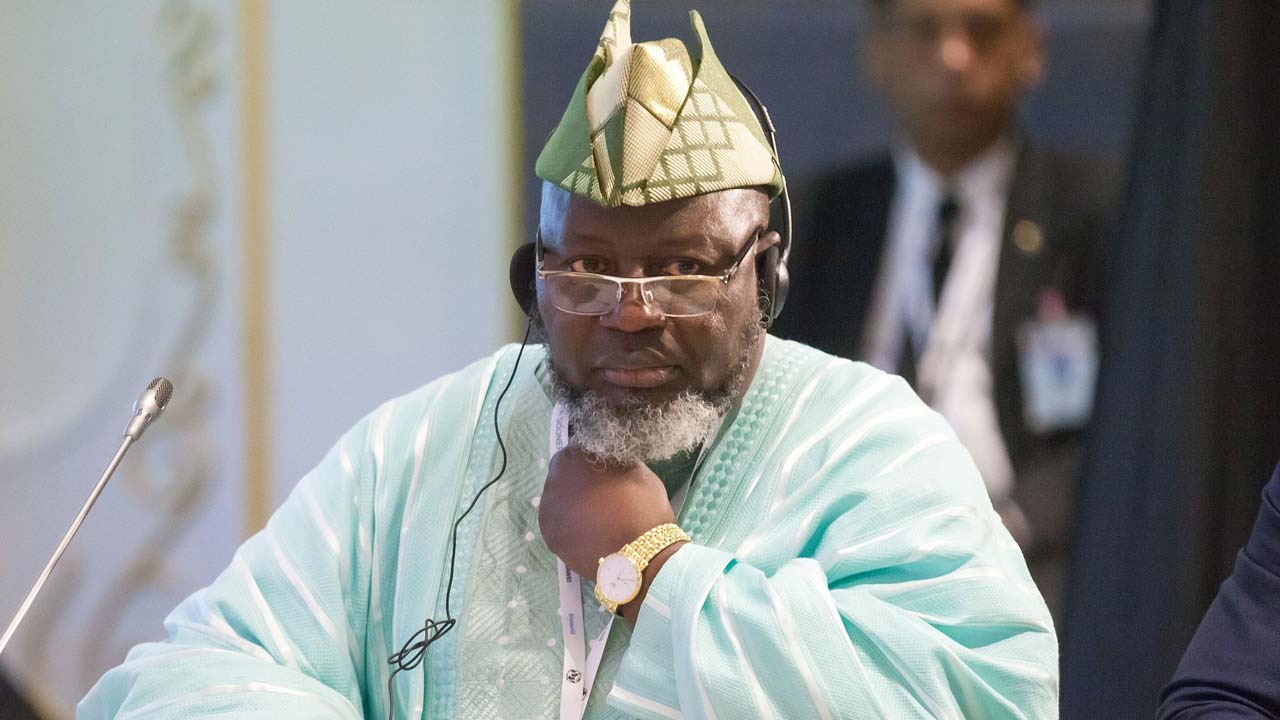
Nigeria Does Not Need Smart Cities, We Need Educated Citizens, Better Schools, Reliable Power, Water, …

5

Nigerian government plans to develop roadmaps for establishing Smart Cities in the country.

In my personal opinion as a Nigerian  citizen, I will make it clear that Nigeria does not need a smart city. Our problem is not lack of smart city. Rather, we have issues in building the core elements that make smart city useful.

A nation of smart city with kids that cannot read will not benefit from the city. Besides, there is no real benefit from smart city that citizens cannot organically achieve by themselves without a top-drown approach. If Nigeria becomes more prosperous, cities and communities will evolve. Visit Cape Town and see that Africa can host a modern global city when the resources are available.

Smart City is a bad idea and if you check in U.S. and most advanced economies, mayors are not running for them. Africa must not fall into that trap. Smart City is nothing but a new type of technology consumerism designed to waste resources of developing nations. If you fund, build, but fail to upgrade, the system will decay. If you fail to pay for the software license, you will have issues.

Government does not need to be part of this. All that government needs to do is to ensure that its building codes and city development plans are up to date.

Our Smart City in this early part of the 21st century is education of our young people and citizens. We need Educated Citizens and not really smarty cities. Only Educated Citizens will produce smart cities.

Government Plan

According to the Guardian, the Federal Ministry of Communication is working with partners to design and proffer practical solutions that will assist the Federal Government in formulating a unified and robust National Policy that will have a corresponding implementable framework towards the Smart Cities Nigeria initiative.

The Minister of Communication, Adebayo Shittu, who disclosed this in Abuja, stressed the need to close the infrastructure and innovation gaps that exist in Nigeria in order to improve the nation’s fundamental economic prospects.

This, according to him, should be done by scaling up Nigeria IT innovations and link it with physical infrastructure to deliver business and public benefits.Shittu noted that the country is wrestling with both infrastructure gap, after years of underinvestment, and innovation gap from poor innovation performance in the business sector over the years, adding that scaling up both is essential to improve the nation’s fundamental economic prospects.

The minister observed that by linking infrastructure and innovation, Nigeria can close these gaps, adding that government is working with the private sector and other stakeholders to forge a public private partnership to develop scalable, replicable, interoperable and measurable solutions that will make our cities and citizens smarter.

According to him, “IT companies will have the chance to team up with cities and infrastructure companies to help advance smart city/smart infrastructure technologies and systems in Nigeria.

“In driving the Nigerian Smart Cities Initiative further and as part of the objectives of the Federal Ministry of Communications in ensuring a digital-based economy for the country, the two day multi-stakeholders international summit will, among others, take a critical look at the level of preparedness, unique challenges.”

He noted that going smart in Nigeria may face a huge challenge, given the lack of critical infrastructure in the country, stressing that non-availability of constant power, for instance, is a major challenge for any smart city initiative for the country.

“Cheap, clean and dependable power supply is the bedrock of any smart city project. So also, is effective broadband penetration and affordable data service. The Nigerian ICT Road Map 2017-2020, the National Strategic Plan 2016-2024, the Broad Band Policy and the new Power Sector Reforms of this administration, are some of the ways Government intends to address these challenges. There is never a time to be fully ready for a smart city project. It is a process in the wheel of city urbanisation and renewal,” he added.

The minister pointed out that in order to encourage healthy competition among cities and states, the Ministry, in collaboration with its partners, will soon launch ‘The Smart City Challenge’, to encourage Local Governments, Cities, State Governments, and the built industry to take revolutionary steps to go to the level of digital technology.

Truth be told, government can work to provide power, water and other basic infrastructure without another diversion called Smart City. Having a new city built from ground up or retrofitting an already existing one will not solve the problems we are having on water, electricity and education.

Mr. Minister Sir, this is not a good idea. Put that money in our primary and secondary schools to educate our young people on technology. Someone said in LinkedIn that Nigeria needs Smart Citizens and not Smart Cities. I agree with him and I am certain that many Nigerians do.

Nigerian Government Opens N-Power Portal For 2017 Fresh Application

0

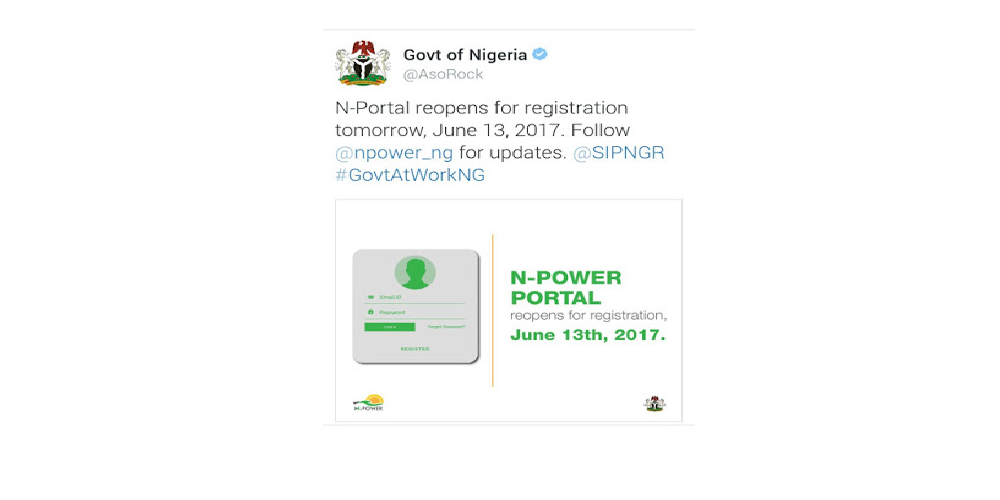
The federal government of Nigeria has opened the N-Power job creation portal. Applicants can now apply.

How To Apply

Go to N-Power Portal at www.portal.npower.gov.ng/
Choose your preferred program and fill in the necessary information.


Abuja Natives Youths Add To The Marginalization Fever In Nigeria, Protest Half-Naked

0

Nigerian episode does not look great. Everyone is not getting any decent deal in the contraction named Nigeria. Today, it is the Abuja natives. Everyone is protecting and no one seems happy. That is very troubling for a country.

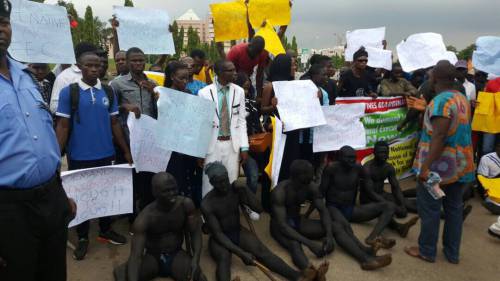
Natives of the Federal Capital Territory (FCT) today in Abuja protested half-naked to back up their campaign against the government for neglect and marginalization, and threatened a quit notice to all residents to vacate the city.

The group, under the umbrella of FCT Natives Marginalized Youths, handed down the warning after they brought their protest to the gates of the National Assembly.

Addressing the protesters, the leader of the group, Yinusa Buhu Bokunun, affirmed that for many decades the government has ignored the pleas of the FCT natives over their marginalization, deprivation and exclusion.

They accused the government of manipulating the constitution to discriminate and marginalize them, and demanded:

(1) Appointment of an FCT native into the Federal Executive Council for the purpose of geographical balance and equity.

(2) Creation of two additional Senatorial Districts and 4 additional Federal Constituencies.

(3) An elected Mayoral Council to form the legislative arm of the city Government.

(4) Integration of the original inhabitants in the development of the FCT, instead of resettlement.

(5) Creation of an Abuja Original Inhabitants Developments Commission to undertake specific infrastructural development.

Some photos, courtesy of Sahara Reporters

FCT natives stage protest in Abuja

FCT natives stage protest in Abuja

Senator Dino Melaye (APC-Kogi) addresses the protesters and media

Senator Dino Melaye (APC-Kogi) addresses the protesters and media

FCT natives stage protest in Abuja

FCT natives stage protest in Abuja

Code Of Conduct Tribunal Acquits Bukola Saraki On False Assets Declaration Charges

0

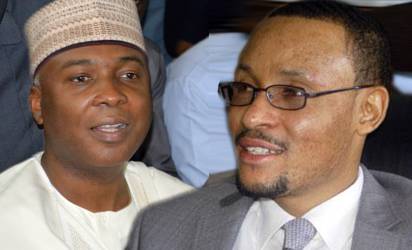
The Code of Conduct Tribunal today discharged Senate President Bukola Saraki in a stunning ruling delivered by the Chairman of the tribunal, Danladi Umar. Mr. Umar in a ruling delivered on the “no case” submission by Mr. Saraki held that the Code of Conduct Bureau had not established a prima facie case against Saraki relating to his false declaration of assets.

The Code of Conduct Bureau had in September 2015 slammed a 13-count charge of corruption on Mr. Saraki.

In charge number ABT/01/15, dated September 11 and filed before the Code of Conduct Tribunal, Mr. Saraki is accused of offences ranging from anticipatory declaration of assets to making false declaration of assets in forms he filed before the Code of Conduct Bureau while he was governor of Kwara state.

According to the charges, the Senate President was also accused of failing to declare some assets he acquired while in office as governor.

Among other offences, including allegedly acquiring assets beyond his legitimate earnings, Mr. Saraki was also accused of operating foreign accounts while being a public officer – governor and senator.

The offences, the charge said, violated sections of the Fifth Schedule of the Constitution of the Federal Republic of Nigeria 1999, as amended.

Mr. Saraki was also said to have breached Section 2 of the Code of Conduct Bureau and Tribunal Act and punishable under paragraph 9 of the said Fifth Schedule of the Constitution.

The charges were prepared by M.S. Hassan, a deputy director in the office of the Attorney General of the Federation.

The government later increased the charges to 17 on January 11, 2017. In February 2017, one more charge was added, bringing the charges to 18.

The Senate President pleaded not guilty to all the charges.

In a statement after the charges were filed, Mr. Saraki, said the processes were calculated to rubbish him, saying he was fully ready to assert his innocence.

“We therefore conclude that this is not an anti corruption driven case and cannot be part of the moves aimed at fighting corruption,” the senate president said. “It is simply a pure malicious and politically motivated prosecution aimed at undermining the person and office of the Senate President.”

He said the charges were based “on outright fabrication and mischief, will not and cannot stand the test of justice.”