DD
MM
YYYY

PAGES

DD
MM
YYYY

spot_img

PAGES

Home Blog Page 7416

Top 10 And Bottom 10 Countries For Investment Destinations In Africa – Quantum Global Research Lab

0

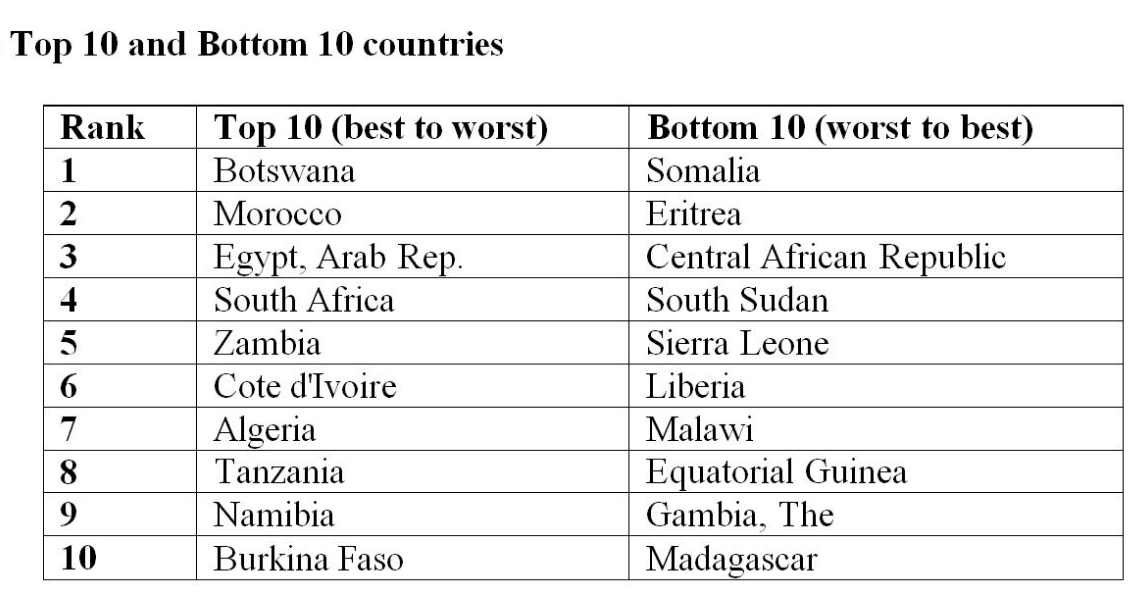
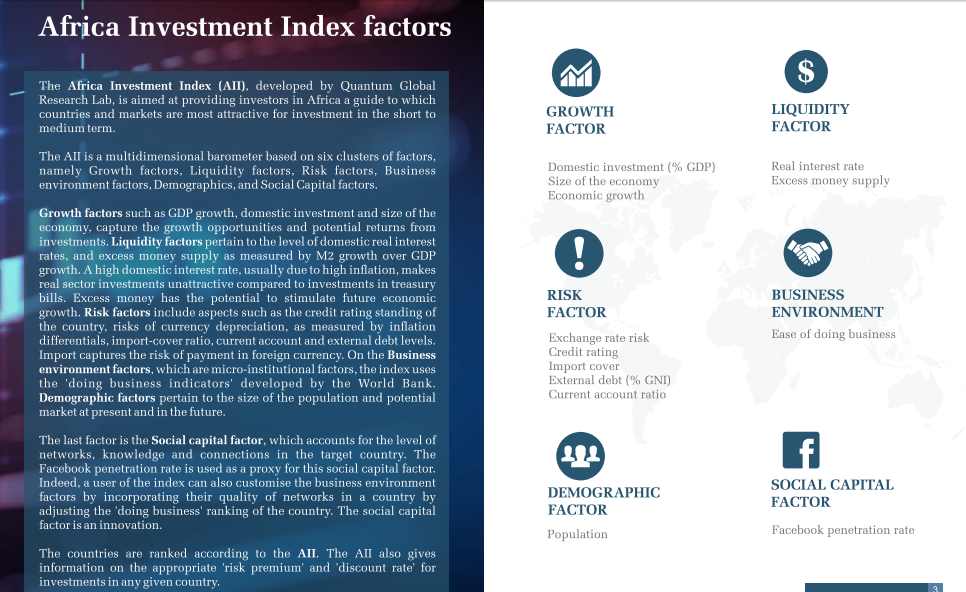
Botswana is the most attractive economy for investments flowing into the African continent, according to the latest Africa Investment Index 2016  by Quantum Global’s independent research arm, Quantum Global Research Lab.

According to the Index, Botswana scores highly based on a range of factors that include improved credit rating, current account ratio, import cover and ease of doing business.

Commenting on the Index, Prof Mthuli Ncube, Head of Quantum Global Research Lab stated: “Despite considerable external challenges and the fall in oil prices, many of the African nations are demonstrating an increased willingness to achieve sustainable growth by diversifying their economies and introducing favourable policies to attract inward investments. Botswana is a case in example – its strategic location, skilled workforce and a politically stable environment have attracted the attention of international investors leading to a significant influx of FDI.”

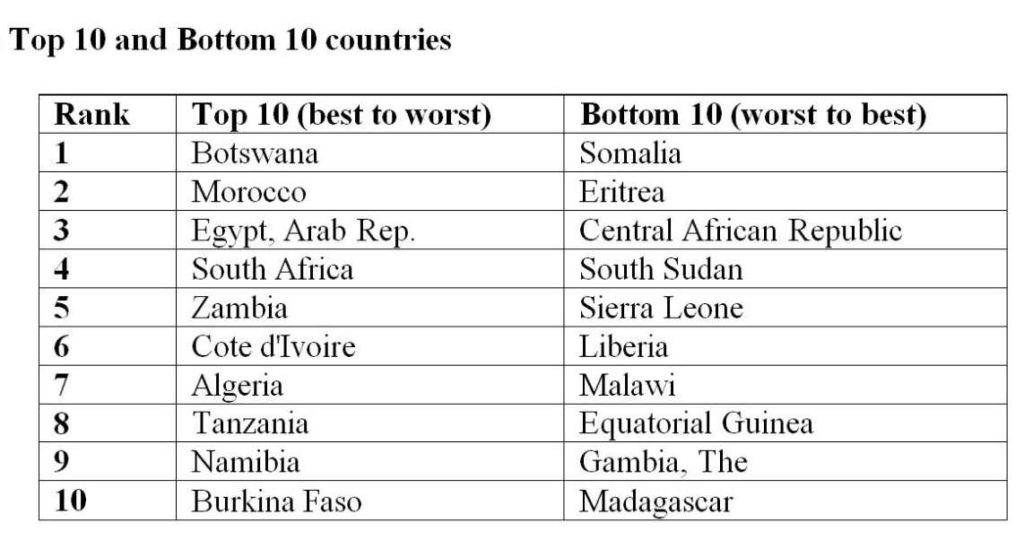
According to the report, the top five African investment destinations attracted an overall FDI of $13.6bn. Morocco was ranked second on the Index based on its increasing solid economic growth, strategic geographic positioning, increased foreign direct investment, import cover ratio, and an overall favourable business environment. Egypt was ranked third due to an increased foreign direct investment and real interest rates, and a growing urban population. The fourth country on the list, South Africa, scored well on the growth factor of GDP, ease of doing business in the country and significant population. Whilst Zambia was the fifth country on the list due to its significant domestic investment and access money supply.

Table: Top 10 and Bottom 10 countries (view the multimedia content section

Mthuli further commented: “With a population of over one billion people and rapidly growing middle class, Africa clearly offers significant opportunities to invest in the continent’s non-commodities sectors such as financial services, construction and manufacturing amongst others. However, structural reforms and greater private sector involvement are crucial to unlocking Africa’s true potential.”

The State of Mobile, ECommerce, MCommerce and Smartphone in Africa, Nigeria

0

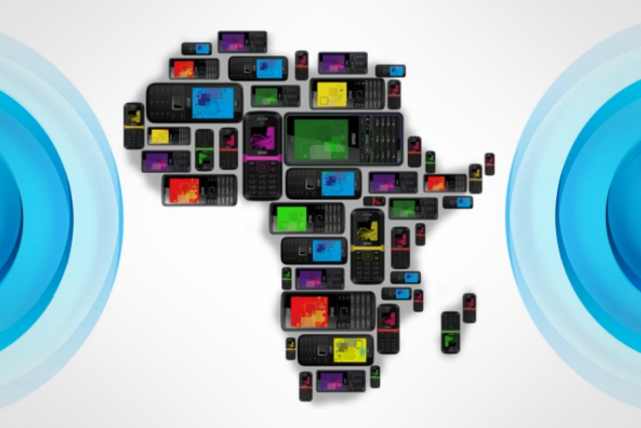
Jumia Nigeria has unveiled the 2017 edition of its African Mobile Trends Paper. This is the third white paper presentation from Jumia delving into mobile trends across Africa and specifically Nigeria. The study takes a look at the how the market has democratized mobile internet use, the consumer behaviors driving increased smartphone adoption and the role of mobile brands, mobile operators and m-commerce in creating a synergy of an enhanced customer experience.

This year’s Mobile Africa Study was carried out in 15 African countries which generate more than 80% of Africa’s GDP – Algeria, Nigeria, Morocco, Tunisia, Egypt, Mozambique, Ghana, Ivory Coast, Cameroon, Rwanda, Uganda, Tanzania, Kenya and Senegal.

Africa Mobile subscriptions and Internet penetration
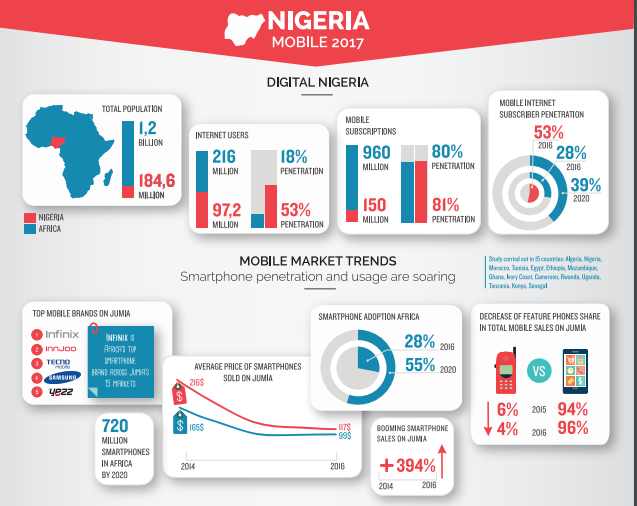
There are 960 million mobile subscriptions across Africa – an 80% penetration rate among the continent’s population. Internet penetration is at 18% with 216 million internet users. While Nigeria’s internet penetration is much higher at 53%, it mobile subscription is similar to Africa’s at 81% penetration (150 million mobile subscriptions). Like last year, it is presumed that the unique subscription rate is lower as each subscriber owns an average of 2 sim cards.

Nigeria: A Mobile First Nation
As predicted in 2016, Nigeria continues its trajectory down the increasingly widening highway that is the mobile internet. With a current internet penetration rate of 53% (97.2 million users) Nigeria has a much higher penetration rate than across Africa (18%).

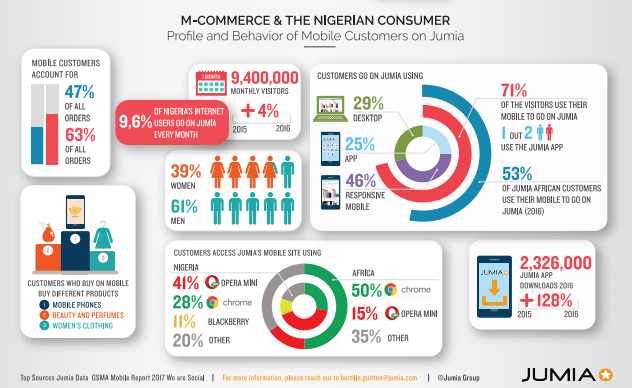
About 71% of website visitors on Jumia use their mobile phones. This is in comparison to 53% of Jumia African customers. One of the main vehicles of this mobile trajectory is the increasing adoption of the smartphone device by consumers. As predicted in our 2016 report, smartphone adoption continues to rise in Nigeria. The mobile phone category continues to be the most popular among Nigerian shoppers on Jumia, both in terms of the number of items sold, and in terms of revenue generated. The sales of smartphones jumped up by 394% between 2014 and 2016, mostly driven by an increasing range of smartphones price points.
ECommerce and the Diversification of Smartphones
The average price for a smartphone on Jumia is $117, down from $216 in 2014. Correlating with this is a drop in the share of sales of basic feature phones from 6% in 2015 to 4% in 2016, even as the share of smartphones on the website increased.

In 2016 Chinese mobile brands held dominance and played a major role in introducing smartphones with lower price points. Infinix, Innjoo, Tecno, Samsung and Yezz are the top 5 smartphone brands in terms of sales on Jumia. Infinix continues to be Africa’s top smartphone brand across Jumia’s 15 markets. One of their entry level smartphones, the Infinix Hot4Lite was one of the best-selling phones across several African markets including Nigeria.

Browsing in Nigeria: adapting to high data costs and lower performance smartphones
The increased access and affordability of low specification smartphones has also revealed a need for the mobile ecosystem to respond with data-efficient browsers and mobile apps that are optimized for performance and an easy user experience.

Looking at the mobile internet browsers customers use to access Jumia, 50% of customers in Africa come onto Jumia’s mobile site with Google Chrome. In Nigeria that number is just 28%. Instead, the Opera mini browser is much more popular, with 41% of the mobile traffic to Jumia Nigeria coming from Opera mini.

One reason for this could be that countries with higher levels of income have been found to have more users accessing the internet with heavier browsers like chrome – which typically have higher system requirements. Opera mini is a lighter browser in terms of data usage and is popular among new mobile internet users who have lower incomes and can’t afford costly internet data packs. A recent report from Opera determined the savings on mobile data costs for Opera mini users in Nigeria has amounted to about $198 million (N39.5 billion) over a 10-month period, due to its data compression technology. This is a clear example of the ripple effect that customer enjoy when a slight change is introduced by one of the digital ecosystem players.
On our end, an immediate key priority is to enhance the desktop user experience (which accounts for almost 30% of Jumia’s traffic and almost 40% of orders placed) by delivering a progressive web application that bridges the gap between conventional web pages and native mobile applications, to give customers a faster web and desktop experience that includes functionalities like push notifications and the ability to browse while offline.

MCommerce – Beyond browsing on mobile
The trend since 2013 was for people to use their mobile phones to browse and look up products and then purchase them on their desktop. Now customers are checking out and paying for orders from the mobile app or the mobile friendly version of the website. This is a trend we foresee growing in the future based on the current figures.

Mobile customers (both those who use the Jumia app and those who browse from mobile browsers) account for 63% of all orders on Jumia Nigeria. Across the 15 markets where the study was carried out, that figure is at 47%. With a whopping 2,236,000 Jumia app downloads from 2015 to 2016 (a 128% increase), Jumia app users form a significant portion of the mobile traffic on Jumia Nigeria. Currently, 1 out of 2 mobile visitors in Nigeria are coming from the Jumia mobile app.

The highest conversion rate recorded in the last year has been on the app. That is the number of completed orders in relation to the number of visitors is higher on the mobile app than on the mobile or desktop versions of the website. This could be driven by the fact that the app is exclusively designed for mobile and therefore has a faster and better shopping experience for users.

Hence, the priority for mcommerce for the next few years is to continually democratize the usage of the app and incentivize an increase in usage by maintaining a better browsing experience and lower data consumption.

Strategic collaborations with phone operators and data providers are also a key factor for enhancing customer experience. For example, the 0 data usage (free browsing) offered to MTN sim card owners when they browse on both the Jumia mobile site and the app will remain a key feature and value-added service for Jumia customers.

Nigeria’s mobile trends for 2017 are positive with a steady growth of smartphones adoption and diversity. These increased offerings deliver more value for customers and cheaper access to internet connectivity. As smartphone brands and mobile operators continue to invest in research and development and innovative data packages, and ecommerce providers invest in customer service, logistics and marketing over the next few years, our outlook is for an even more synergized digital ecosystem over the next few years.

Why IBM could go bankrupt and collapse like Kodak by 2030

0

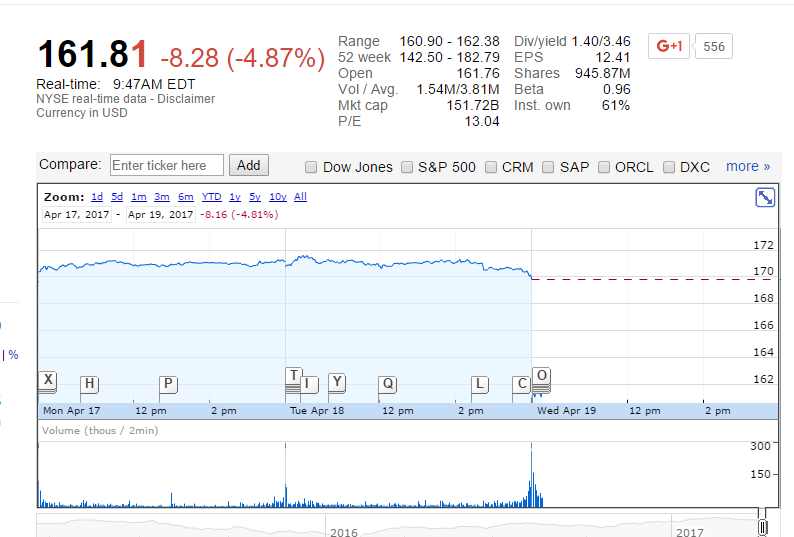
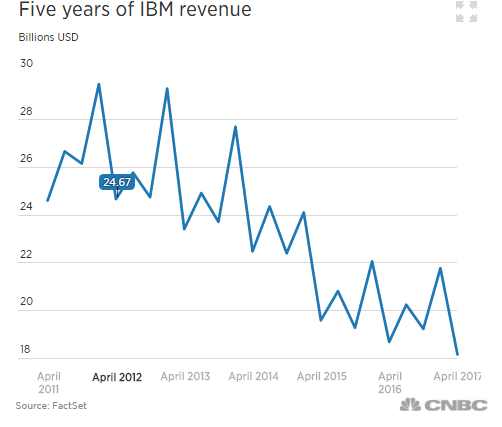
IBM reported its 20th consecutive quarter of revenue declines. The company’s “big bets”—notably in cloud computing, where Amazon dominates—are still not growing fast enough to offset declining sales in its older businesses. Revenue fell 2.8% in the first quarter.

The company’s shares has fallen more than 8% today.

IBM is in the midst of an uneasy transition from its traditional business model to newer bets, like cloud computing and artificial intelligence.

Still, New York–based company has seen a five-year stretch of year-over-year revenue declines going back to April 2012, when sales were nearly flat from the year-ago period, according to FactSet.

The legacy enterprise technology company, founded over 100 years ago, has reorganized around “strategic imperatives,” which include businesses like cloud, analytics, mobility and security. In 2016, those strategic imperatives grew to represent more than 40 percent of total revenue, CEO Ginni Rometty said earlier this year.

In the first quarter, strategic imperatives revenue grew 12 percent to $7.8 billion, not adjusted for currency, while cloud revenue grew 33 percent to $3.5 billion. Net income was $2.3 billion.

The reality is that nothing is working for IBM. This company could be going down the drain. There is no technology segment where IBM can claim to be a leader. It is not for Cloud. Even its Watson AI may not be better than what Google has when you compare value and price.

That said, it is very likely that IBM may die before 2030 unless it can find a way to begin to grow. The Kodak way awaits this American iconic firm.

The New Facebook Vision From F8 – These Four Technologies Will Shape The Future Of Facebook

0

Mark Zuckerberg has noted that augmented reality is Facebook’s “Act 2.”The CEO announced plans to use smartphone cameras to display virtual items in the real world. His company also unveiled a beta for tools allowing outside developers to build AR applications for the platform. Rival Snapchat meanwhile rolled out 3D artwork users can add to their snaps.

On yes, the social media powerhouse, Facebook, has laid out its vision for the future , revealing new tools and features during its annual F8 developers conference. Four technologies will drive this future and they are augmented reality (AR), messenger bots. Facebook Spaces, and Developer Circles.

Augmented reality

When Facebook CEO Mark Zuckerberg kicked off Tuesday’s conference, he emphasized that the camera would play a larger role in how people interact with friends on the social network. Facebook is encouraging developers to build new augmented reality camera effects for Facebook, which will be launching in a closed beta starting immediately. Eventually, dozens of AR-powered effects, like masks and frames, will be available within the Facebook app’s camera.

Facebook Spaces

Ever since Facebook acquired virtual reality firm Oculus VR for $2 billion in 2014, Zuckerberg has said that he sees VR as the future of social interaction. Facebook unveiled its first major step in that direction on Tuesday with Facebook Spaces, an app that makes it possible to spend time with friends in virtual reality.

New Messenger features

Facebook’s selection of chat bots has quickly grown since the company opened its Messenger platform to developers, but there hasn’t been an easy way to find new bots. Facebook is addressing that issue by adding a new Discover tab accessible from the home screen. Here, Messenger will offer categories, recently used bots, trending bots, and a search field..

Developer Circles

Facebook is hoping to make its platform attractive for the next generation of app creators through its new Developer Circles initiative. The program is free and open to any developer, and will function as a forum for collaborating and sharing knowledge. Local developers will lead each circle by organizing offline events and managing a Facebook Group for that specific region. The company is pushing it as an opportunity for students and experienced coders alike. Facebook will also partner with Udacity to create custom training programs for Developer Circles.

Buhari suspends SGF David Babachir Lawal, DG NIA Ambassador Ayo Oke

0

President Muhammadu Buhari has ordered an investigation into the allegations of violations of law and due process made against the Secretary to the Government of the Federation (SGF), Mr David Babachir Lawal, in the award of contracts under the Presidential Initiative on the North East (PINE).

The President has also directed the suspension of the SGF from office pending the outcome of the investigations.

In a related development, the President has ordered a full-scale investigation into the discovery of large amounts of foreign and local currencies by the Economic and Financial Crimes Commission (EFCC) in a residential apartment at Osborne Towers, Ikoyi, Lagos, over which the National Intelligence Agency (NIA) has made a claim.

The investigation is also to enquire into the circumstances in which the NIA came into possession of the funds, how and by whose or which authority the funds were made available to the NIA, and to establish whether or not there has been a breach of the law or security procedure in obtaining custody and use of the funds.

The President has also directed the suspension of the Director General of the NIA, Ambassador Ayo Oke, pending the outcome of the investigation.

A three-man Committee comprising the Hon. Attorney-General of the Federation and Minister of Justice, and the National Security Adviser, headed by the Vice President, is to conduct both investigations.

The Committee is to submit its report to the President within 14 days.

The most senior Permanent Secretary in the SGF’s office, and the most senior officer in the NIA, are to act, respectively, during the period of investigation.


FEMI ADESINA
Special Adviser to the President