

DD
MM
YYYY

PAGES

DD
MM
YYYY

spot_img

PAGES

Home Blog Page 7692

How To Make Microchips Without Sequencing With Clocks

0

An asynchronous circuit is a circuit which is not governed by a global clock, but uses hand shaking communication protocol to communicate. It is largely an autonomous circuit  and is delay insensitive.


Under a digital design paradigm, the design of asynchronous systems can be concisely described using high level languages. A programming notation, Communicating Hardware Processes (CHP), is used to provide a basic set of constructs that provides the specification of the circuit to be synthesized. The core of this language is a sequential programming notation based on E.W. Dijkstra’s language of guarded commands and C.A.R Hoare’s Communicating Sequential Process (CSP).


The language is distinguishable from many programmable languages in that it includes a notion of non-determinism as parts of its features. Non-determinism means that a program can have more than one output for the same sets of inputs. The CHP consists of a process or more, which operates in parallel and communicate with each other through channels. A channel connects two processes and the two ends of a channel are referred to as ports.


The next stage is called the process decomposition, which breaks up the CHP program into multiple parts and extracts, if possible, common program parts. Compiling smaller processes facilitates the rest of the synthesis procedure and sharing common program parts reduces the area of the final circuit. In addition, this process involves the separation of control and datapath, and enables temporary removal of the datapath and compilation of the control section.


The next stage is called handshaking expansion (HSE), which represents each communication action with operations on Boolean variables.  For data transfer accuracy, the two ends of the channel have to obey some given protocol. The most prevalent ones are two-phase handshaking and four-phase handshaking protocols described later.


Usually, the HSE is optimized for concurrency while minimizing circuit areas of the implementation in another process called reshuffling. Besides, if there are states in a reshuffled HSE that cannot be distinguished, state variables are introduced to differentiate them. This process is known as state variable insertion.


The next stage involves a very simplified description of the CMOS transistor behavior called the production rule expansion. The result of this process produces what is called the production rule set, which could be considered to be a canonical representation of the digital circuit. This representation can be decomposed into several equivalent networks of digital operators based on the sets of building blocks used or the technology (Si or GaAs).


It is during this stage that issues, which include stability and non-interference, are examined carefully in the design. While stability ensures that circuit does not have hazards, non-interference will guarantee that the resulting CMOS circuit has no stable states whenever there is a short in the circuit. One way of achieving this is by guard strengthening; a process that reduces the number of states the production rules can fire thereby preventing incorrect effective firing. Guards are Boolean valued expressions, which could either be true or false.


A firing is said to be an effective firing when it changes the state of computation in a system; otherwise, it is called a vacuous firing. Moreover, to put the circuit in the proper state upon power up, a reset signal is added to the PRS. The production rule expansion is the final target of synthesis whose results are used for CMOS implementation (the hardware realization). A simplified design flow of an asynchronous QDI circuit involves the following stages:

  • CHP specification
  • Process Decomposition
  • Handshaking Expansion
  • Production Rule Exp.
  • CMOS Implementation


Asynchronous circuits are promising. And the challenges in the deep-submicron technologies in form of electron thermal energy, tunneling leakage current that degrade performance and expend power consumption are potential issues that call for attention to asynchronous systems design.  Though the development of the new generation QDI asynchronous systems has not made enormous commercial impacts, enormous ongoing projects project a bright future.


Even if the asynchronous architecture cannot be independent on its own, interfacing it with synchronous systems could help develop a new generation computing architecture that would possibly sustain the quest for performance, speed and reliability. Development of robust CAD and simulations tools for the asynchronous design as in the synchronous design would be a strategic milestone for all stakeholders in the semiconductors industry.
BlackBerry Torch 9800 Review – A Refreshing Smartphone From RIM

0


In a word or two

RIM brings the BlackBerry Torch 9800 more inline with other smartphones as the model debuts a touchscreen, slide-out keyboard and the new BlackBerry OS 6.


The Design

The BlackBerry Torch 9800 has the same professional design that you’d expect from RIM – with a modern edge thanks to its touch-sensitive screen and slide-out QWERTY combination. You can use this smartphone as a touchscreen device or as a full QWERTY phone; the choice is yours. And thanks to the smooth corners and chrome edges, the handset feels good and is comfortable to use in one hand, when the keyboard is open and closed.


The first BlackBerry to feature a “proper” touchscreen – the Storm and Storm 2 have “clickable” touchscreens – the Torch has navigation support from a touch-sensitive trackpad and keys for making/ending calls, launching the menu and going back onscreen. The trackpad is especially useful when you’re typing on the QWERTY keyboard and just want to quickly get somewhere without swiping on the capacitive screen. In terms of navigation, the user interface is friendly and there is a bar at the bottom of the home screen which reveals the various icons for Media, Favourites and more, when you drag it upwards.


When it comes to typing, you naturally have the choice of the 3.2 inch screen or the slide-down keyboard. Both provide a comfortable experience. The keys on the physical one are raised, even though this is the thinnest keyboard on a BlackBerry, so you can locate keys quickly and accurately. And the virtual keyboard can be changed to suit your typing preferences – including QWERTY and narrow QWERTY.


The handset itself looks and feels premium. There are those chrome touches mentioned previously and the back cover is made from lined rubberised material that feels good in your hand. The BlackBerry Torch 9800 certainly wouldn’t look out of place in the boardroom or next to your friend’s iPhone 4 smartphone, for example.


BlackBerry Torch 9800 Specifications

Not only is the Torch 9800 the first BlackBerry to feature a touch-sensitive screen and slide-down QWERTY keyboard, it is the first to run on the BB OS 6. This platform makes for a smoother experience and helps to bring the device into the realm of social networking and media-touting handsets like the Nokia N8 phone. There are apps for sites like Twitter and Facebook; customisable home screens; and improved multi-tasking. So you can enjoy the Torch to manage your manic workload as well as keep your social life ticking along nicely.


The Torch comes with a Social Feeds function for displaying all your communications in the one place. And the support for multiple email accounts is complemented by the one inbox, letting you check your messages quickly and conveniently. Even the Contacts list has been enhanced for this model, and each friend is linked to their individual activity, whether calls or texts, Twitter or MMS.


One of the nicest features on the BlackBerry Torch 9800, if you’re a fan of being online when on the move, is the WebKit browser. This is the same browser technology behind other major smartphone brands including Nokia, and loads web pages more quickly. As the screen is capacitive, moving around is that bit easier and the Torch supports pinch-to-zoom motions too.


Considerations

Another highlight of the BlackBerry Torch 9800 is its media abilities. The camera has been improved to 5-megapixels and comes with a flash and continuous autofocus for taking high-quality pictures. However, it’s a shame the video is only capable of VGA resolution – the same as on the lower-end BlackBerry, Pearl 3G – and the screen, while good, is not in the same league as the Galaxy S’s Super AMOLED screen or the iPhone 4’s Retina display, and lacks that “wow factor” when viewing videos.


Verdict

The BlackBerry Torch 9800 is a refreshing smartphone from RIM. It brings you all that makes the BlackBerry so desirable – including BlackBerry Messenger and BlackBerry Desktop Software 6 with integrated media sync – and adds the new BlackBerry 6 OS, a touchscreen and slide-down QWERTY on top. Whether you want this phone for business use or to replace your current social networking-enabled handset, the Torch looks set to be a popular choice.


You can buy this from our UK partner, Best Mobile Contracts

Barometer Of Google – Google Wave, Arrived 2008 As “email 2.0” Then Got Suspended In 2010

0

With the arrival of Google+, we continue to evaluate some of the past Google creations and acquisitions and how they have performed. Which one was good business and which one went bad. Today, we are looking at Google Wave and how it came and then got suspended.


Google Wave came out in 2008 as “e-mail 2.0”, a Facebook-ish messaging and social networking function. It was suspended in August 2010. It failed. It can be seen as a predecessor to Google+.


Google Wave is a web-based computing platform and communications protocol, designed to merge key features of media like e-mail, instant messaging, wikis, and social networking. Communications using the system can be synchronous and/or asynchronous, depending on the preference of individual users. Software extensions provide contextual spelling/grammar checking, automated translation among 40 languages, and numerous other features.


The fact is out, nothing is a slam dunk. Google can also blow it. That is why with all the buzz out of Google+, we have to wait for the dust to settle. It has to compete and win in the market as that is the only thing that matters. It is adding millions of users, how many will it retain? That is the litmus test for the hot new product from Google.


With Zynga in Facebook and Skype going to Facebook, the war in the social media business is just starting and no winner is in view.

Putting Loose Change Out Of Its Misery, One Jar At A Time, With CSTR

0

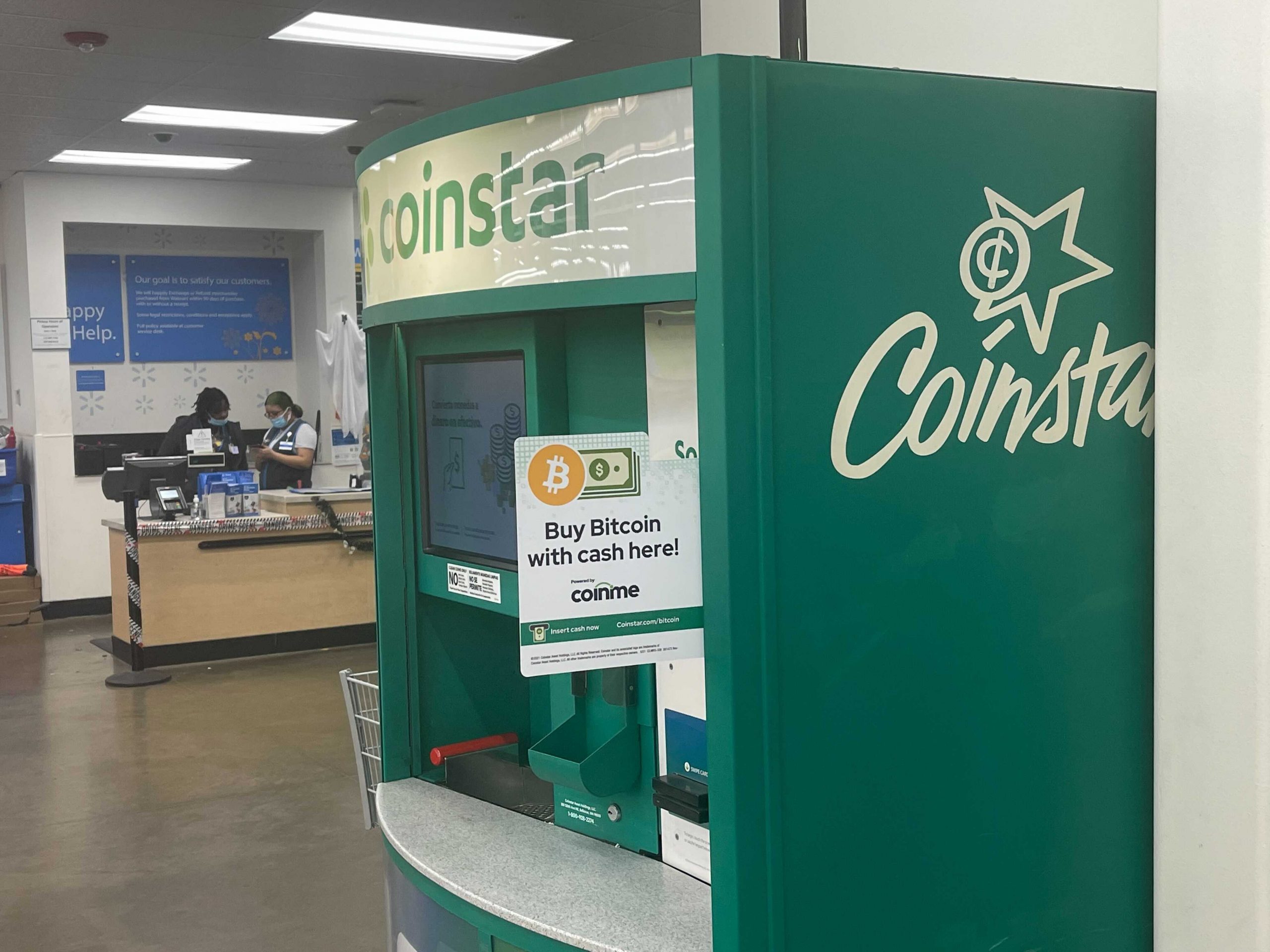
Last summer, after amassing a jar full of quarters, dimes, pennies and nickels I wondered how I might be able to convert them into dollar bills. That is when I came across Coinstar Inc – CSTR.

How?

CSTR makes money by providing a range of services tailored to the individual consumer. These services consist of;

  • Coin-counting machines,
  • Electronic payment services, and
  • Entertainment services.

These products and services operate on a self-service model and;

  • CSTR’s 12,800 coin-counting machines have helped customers count more than $13 Billion worth of coins since the company’s inception in the early 1990’s.
  • The company operates 19,300 point-of-sale terminals, and 360 e-payment kiosks.
  • CSTR also operates 320,000 entertainment services machines.

Where?

CSTR’s products and services exploit retailer’s store-front space. The company does business in the US, Mexico, Canada and the UK.

Why?

CSTR’s retail partners earn a portion of the fees that the company charges its customers. This means that valuable real estate space which would otherwise be under-utilized, becomes another revenue generator for organizations that enter partnership arrangements with CTSR. In addition;

  • The company has struck partnership agreements with more than 100 retail outlets.[i]
  • The company has unveiled a new service that enables consumers directly deposit coins into individual checking accounts.[ii]
  • CSTR continues to attract new partners for its Coin to Card™ program, most recently adding Circuit City Stores, Inc. to a list that includes iTunes, Amazon.com, Borders, Hollywood Video, Linens ‘n’ Things, Pier 1 Imports, Starbucks, Virgin Digital, and Eddie Bauer.[iii]
  • CSTR has entered a strategic partnership with the market leader in stored value card solutions in the UK. This agreement enhances the company’s UK Gift Card Mall program, and provides retailers with another distribution channel. It also offer’s consumers more options for purchasing gift cards without necessarily visiting the issuing merchant’s store.[iv]

Future Prospects

CSTR’s future prospects look excellent:

  • Obvious opportunity lies in geographic expansion, particularly in Western Europe, for the short term, and possibly in promising emerging markets in the long term.
  • The company’s partnership with McDonald’s Ventures, LLC in Redbox Automated Retail, LLC – a DVD kiosk operation, has yielded brilliant results. Redbox has experienced growth of more than 100% in kiosks that have been in operation for more than one year, also Walmart Stores and Walgreens have begun testing Redbox kiosks in a number of locations. 2007 could see significant growth in the number of Redbox kiosks in operation – even as Blockbuster continues to battle declining sales.[v]
  • CSTR has taken steps to make it difficult for direct competitors to wade into its turf without expending significant resources – the partnership agreements it has entered offer immense protection, also the company holds more than 50 patents that govern various aspects of its business.

Threats

Factors that may threaten CSTR’s growth include:

  • An economic slowdown that prompts consumers to become more frugal, thus stunting business in the company’s entertainment services.
  • Security glitches in its electronic payment services could lead to a loss of confidence among customers. I would peg this as a low risk.
  • As growth accelerates, there will be more need for costly investments in technology, it is not clear if demand for CSTR’s services will grow quickly enough to cover such investments.

The company’s management has indicated that it will focus on[vi]

  • International expansion,
  • Product and service expansions,
  • Expanding the number of units in operation,
  • Stronger customer relations, and
  • Growth through acquisitions.

Presently, CSTR does not have any significant direct competitors. That should bode well for investors that do not mind exchanging coins for CSTR’s shares.

December 12, 2006


[i] http://www.coinstar.com/us/html/A4-2

[ii] Bruno-Britz, Maria, Coinstar to Enable Direct Deposit of Coins, October 31, 2006, www.bamktech.com, accessed on December 11, 2006.

[iii] Businesswire release, December 07, 2006, accessed on December 11, 2006.

[iv] www.finextra.com, Coinstar and PrePay Technologies ink Distribution Deal, December 11, 2006, accessed on December 11, 2006.

[v] Seeking Alpha, DVD Kiosk Industry: Coinstar/Redbox Seeing Strong Growth, November 3, 2006, accessed at http://biz.yahoo.com/seekingalpha/061103/19854_id.html?.v=1 on December 11, 2006.

[vi] Coinstar 2005 Annual Report, accessed at www.coinstar.com on December 12, 2006.

Investing Dogma That Has Ruined Many – Think Again On Holding Long Because Soon, Long Will Become Short

0

The old dogma that existed for decades is that investing and putting money in equities and leave it for long-term will make you a rich man. Sure, it worked. Between 1982 to 2000, the S&P climbed from 102 to 1527- a monster 1397% increase. But alas, the world has changed since then. Volatility in market has become so common because information flows so fast and individual investors get so much details that freak them out much often. In this 24-7 news cycle, the small guys hear all and with the cable business desks, the psychology of individual investing has never been worse.


Bad news brings good ratings and do not bet against that any problem in the market is magnified by cable business anchors. In essence, as they talk about the economageddon, the small guys pull their monies from the market thinking the end is near. According to Federal Reserve, money lying largely idle in bank and money markets was $9.36 early March 2010. In May 2007, it was $7.44. So what is happening? People are moving money to safe havens and out of markets.


These are the class of investors that sell on dips and return to the market when it has climbed. They leave again when it dips again. Compared to the pros with all their computers and who-knows algorithm that buy on dips, the small guys is left confused and traumatized by market misses.


When you think the market is back to normal, Greece, PIIGS, and all variants of troubles emerge and the markets get crunched again. The question is: does it make sense to compete with the pros if you have no personal or individual investing strategy? The answer is Yes or No.  The pros will always win because they source for information and follow trends more than the small guy. And their machines are very sophisticated. But they can be burnt also.


For the small guy, this era of volatility means having super safe equities in your portfolios-big caps though slow growth. You can live on dividends and look for those stocks to snail climb. Just note one thing, the concept of putting money for long-term and expect a big return is a mirage. What matters now is timing: it could be short or long-term. But timing is what matters people of earth.


Why? It is possible that you invested at the peak of 1998 and left the market at the bottom of 2008; you might not have enjoyed the long-term strategy dogma.


By next year, I expect interest rate to take off. What does that do to your investing strategy? Confidence in this market could be tough. But I have learnt one thing: following emotions and news cycle without a clear strategy is very bad. Develop a plan and follow it up.


The day I bought Citi at the bottom, I had this understanding that I could sleep in the night. It was cheap, not by financial ratios, but by being Citi. But nothing is normal as even the mighty WaMu is nowhere. What does that tell me? Watch your shoulders and have an exit plan. I cannot expect it to grow for ten years to $40. Why? Stocks grow in cents, but fall in dollars. When it reaches $8, I am out, and I hope it does.


If you believe the long-term mantra and got in 2000; you might have been off by 28% since S&P trades at 1089 this week. That is what you gained by long-term strategy.  Timing is everything!


Provided that unemployment stays high, credit tight and consumers not spending, growth will tank and returns may not be promising. Large cap and stable firms may be the best place to put money in equities.


I think so because there is nothing fundamental in today’s economy with government stimulus, artificial low interest, terrible commercial and residential real estate and non-spending consumers. When the economy gets itself out of the low interest and all the global stimuli, then we can know if we can stay we have recovered from the recession. Right now, the global economy is still on life support. And you must hold that dogma of long-term with caution.


Dated June 2010