DD
MM
YYYY

PAGES

DD
MM
YYYY

spot_img

PAGES

Home Blog Page 770

Unlock BlockDAG’s $0.0016 Price Before It Jumps 17x: Act Now as Presale Hits $361M and Dashboard V4 Sets the Stage!

0

BlockDAG is at a pivotal moment, with its presale now exceeding $361 million. As the project enters its final stretch of early access pricing, the urgency is growing. The $0.0016 BDAG offer, the lowest price available, will end in just seven days, on August 11. After that, the price will increase to $0.0276 with Batch 29, making this the last opportunity to secure tokens at such a low rate.

Though the presale will continue until the $600 million cap is reached, this particular pricing window will not reopen. The upcoming price shift is confirmed and inevitable, with no extensions or returns to the current rate.

For those seeking tangible value and immediate access to the platform, now is the time to act. With real infrastructure in place, the opportunity to secure BlockDAG (BDAG) at the $0.0016 rate is quickly closing. This is more than just an incentive; it’s a mathematical advantage, and the clock is ticking.

Dashboard V4: The Fully Operational Platform You Can Trust

BlockDAG’s presale stands out because it’s backed by a functional platform. Rather than relying solely on promises, BlockDAG has launched Dashboard V4, a real-time demo exchange that allows buyers to engage with BDAG in a live environment.

Features such as real-time charting, an active order book, simulated selling functionality, and instant BDAG balance updates with each purchase provide full visibility into the ecosystem’s performance post-launch. This dynamic environment removes guesswork, offering users a risk-free space to understand how the system will behave once fully operational.

BlockDAG’s approach sets it apart from typical token sales, where buyers often invest based on roadmaps and unproven concepts. Instead, users can test the platform’s speed, simulate trades, and see firsthand that the product is functioning as expected.

By providing a working platform early in the process, BlockDAG shifts the presale focus from speculation to informed participation. This step not only ensures user confidence but also integrates seamlessly with the broader BlockDAG ecosystem, allowing buyers to engage with upcoming features with clarity and certainty.

10 BTC Auction: Your Reward for Early Participation

In addition to the ongoing presale, BlockDAG has launched the highly anticipated 10 BTC Auction, rewarding participants with a chance to win 10 Bitcoin. Every BDAG purchase made during this period automatically enters the buyer into the prize pool, with larger purchases earning a larger share of the reward. This initiative encourages both new buyers and current holders to increase their participation before the price shifts.

Auction winners will be announced as part of the upcoming GLOBAL LAUNCH release events, adding an exciting competitive element to the final presale phase. The goal of this campaign is to drive momentum, reward early buyers, and highlight BlockDAG’s commitment to long-term engagement.

With the combination of utility access, a significant pricing advantage, and attractive incentives, BlockDAG is strategically positioned to capitalize on the final phase of its presale. For anyone looking to maximize the value of their BDAG, now is the time to get involved.

The End of the $0.0016 Price Window: Act Before August 11

While the BlockDAG presale will continue until the $600 million cap is reached, August 11 marks the end of the $0.0016 BDAG price window. After this date, the price will rise to the higher Batch 29 rate of $0.0276, regardless of presale progress. This price increase represents a 17x jump in cost for future buyers, with no added utility or benefits.
This shift signifies the final window for securing BDAG tokens at the lowest available rate. With $361M already raised, 24.7 billion coins sold, and the 10 BTC Auction running, the next seven days will define early access to BlockDAG’s ecosystem. Buyers now have the opportunity to lock in their tokens at the most favorable terms before prices rise and new opportunities emerge. The presale may continue beyond August 11, but those who act now will be positioned to benefit the most from the early momentum and unique advantages BlockDAG offers.

Closing Remarks

BlockDAG has proven its capacity to deliver, from the X1 mobile mining app to the launch of Dashboard V4. Each milestone has been accompanied by transparency and execution. As the August 11 GLOBAL LAUNCH release approaches, the $0.0016 price window will close, signaling the start of the next pricing phase and additional feature integration.

The presale itself is far from over, but the opportunity to secure tokens at this price will soon be gone. With a live exchange dashboard, the 10 BTC Auction underway, and solid launch plans, BlockDAG is offering an unmatched opportunity for those ready to act now.

Presale: https://purchase.blockdag.network

Website: https://blockdag.network

Telegram: https://t.me/blockDAGnetworkOfficial

Discord: https://discord.gg/Q7BxghMVyu
 

Traders Watch SUI’s $9 Setup & PENGU’s Whale Activity While Cold Wallet Quietly Delivers 100% Gas Cashback at $0.00942!

0

Altcoin momentum is picking up, and traders are on the lookout for the next big move. SUI has broken out of a key technical pattern, while decentralized exchange volume hit $10 billion in July, adding fuel to its rally.

Pudgy Penguins (PENGU) is also drawing attention. With strong support near $0.035 and comparisons to PEPE, its price forecast shows potential for a 6x surge if conditions align.

While both coins offer upside, Cold Wallet ($CWT) stands out for a different reason. It is not just about speculation. Priced at $0.00942 in Stage 16, Cold Wallet rewards users for real activity right now.

SUI Charts Point to $9 as Breakout Momentum Builds

SUI just broke out of a long-term descending triangle and is now targeting a potential run toward $7 or even $9. The rally has support from strong on-chain activity, with DEX volume topping $10 billion in July, a 657% year-over-year surge that adds fuel to the trend.

A clean move above $3.90 with higher lows has traders eyeing continued momentum. As long as support holds above $3.45, the setup remains bullish. For those looking at high-upside altcoins, SUI offers a clear structure with powerful targets now in sight.

PENGU Eyes $0.24 After Surge in Whale Activity

PENGU is heating up as analysts call for a possible breakout toward $0.24. The token has been holding steady near $0.035 while racking up trading volume and attracting major whale interest, drawing comparisons to PEPE’s early-stage momentum.

If support between $0.035 and $0.040 holds, a quick breakout could follow. Social buzz and rising open interest are setting the stage for a fast move. With multiple signals lining up, traders watching for a swing setup may find PENGU’s current range too tempting to ignore.

Cold Wallet Flips the Fee Model and Pays You to Use Crypto

Most wallets offer self-custody but take value from users through gas fees, swap costs, and on-ramp charges. Cold Wallet does the opposite. Instead of draining your funds, it gives a portion back in real time. Every transaction earns users cashback in the native $CWT token, whether you are swapping, paying gas, or moving crypto.

Depending on your token holdings, you can earn up to 100% back on gas fees and up to 50% on swaps and other actions. There are no lockups or confusing conditions. It is a direct reward system that benefits anyone using the wallet. The referral system adds even more upside, letting users earn USDT from the swaps their friends make.

Cold Wallet’s presale is live, and the structure rewards early buyers. Stage 16 currently prices $CWT at $0.00942, with prices increasing at each new stage. During the presale, both referrer and referee receive bonus tokens, adding another layer of value to those getting in early.

This is not future potential. The cashback loop is already working, and early users are seeing real returns. In a market full of wallets that quietly chip away at your assets, Cold Wallet brings something better: rewards that grow with every action.

Moving Ahead

SUI and PENGU both show exciting price targets, with $9 and $0.24 in focus if momentum holds. But reaching those levels depends on perfect timing and continued speculation. Traders chasing the next breakout could end up waiting longer than expected.

Cold Wallet takes a different approach. It is already live, already paying users back for real activity like swaps, gas fees, and bridges. With up to 100% cashback and a referral system that pays in USDT, the value is immediate. At just $0.00942 in Stage 16, this presale still offers early access to a system that works.


Explore Cold Wallet Now:

Presale: https://purchase.coldwallet.com/

Website: https://coldwallet.com/

X: https://x.com/coldwalletapp

Telegram: https://t.me/ColdWalletAppOfficial

Lipaworld Expands to South Africa, Empowering Financial Inclusion Through Stablecoins

0

Lipaworld, a borderless financial platform that enables immigrants, freelancers, and African businesses to send and receive money using Stablecoins, has entered South Africa to drive financial inclusion through Stablecoins.

The venture-backed fintech platform’s entry into the South African market will see it support freelancers, immigrants, and informal businesses with a faster and safer alternative to conventional banking and remittance systems.

Speaking on this expansion, the founder of Lipaworld Jonathan Katende said,

“We are not here to hype crypto. We are here to offer real financial access to people who have been overlooked or underserved by traditional systems. Stablecoins are not a fad. They are a regulated, reliable way for people to take control of their finances, build economic resilience, and participate fully in the modern economy.”

As digital currencies continue to reshape the financial landscape, stablecoins are increasingly bridging the divide between traditional banking systems and the world of cryptocurrencies, and Lipaworld is bringing that transformation into everyday use across Africa.

The use of stablecoins has increased in recent years with the average supply of stablecoins in circulation increasing roughly 28% year-over-year. Total transfer volume hit $27.6 trillion last year, surpassing the combined volume of Visa and Mastercard transactions in 2024.

Unlike volatile cryptocurrencies, stablecoins like USDC are pegged to the U.S. dollar and increasingly subject to regulation across multiple jurisdictions. USDC, issued by Circle (now listed on the New York Stock Exchange), offers a stable, reliable digital currency for payments.

Notably, several financial institutions are entering the stablecoin market. Earlier this year Standard Chartered Bank announced it was partnering with cryptocurrency companies to launch a stablecoin that will be pegged to the Hong Kong dollar. Other banks and financial technology companies such as PayPal, Bank of America, and Stripe have also launched stablecoins or indicated they intend to enter the market.

With over $2 trillion in stablecoin transactions processed globally in the past year, these digital currencies are quickly becoming the backbone of modern value exchange.

Proponents maintain that stablecoins can enable quicker and more affordable international payments, and can be used to bring financial services to the over 1 billion people worldwide who lack access to traditional banking.

In Sub-Saharan Africa—where remittance fees average 7.9% to send just $200—the need for high-speed, low-cost financial alternatives is critical.

Lipaworld founded by Jonathan Katende, wants to enhance financial inclusion in Africa, with its recent expansion to South Africa. The platform bridges the informal cash economy with modern fintech, empowering underserved communities with fast, transparent, and affordable financial tools. Through its virtual USDC accounts, digital vouchers, and peer-to-peer wallet, users can access essential services like airtime, groceries, and transport while bypassing costly remittance fees.

At its core, Lipaworld enables users to earn dollarized income through a virtual bank account, send money home using stablecoins, and spend their digital dollars on local products within its marketplace. The self-custodial wallet gives users full control, bypassing high fees, forex markups, and third-party delays.

“Our user experience is deliberately simple,” says Katende. “We hide the complexity so users can just get on with their lives. Behind the scenes, it’s stablecoin wallets—but it feels like using any familiar money transfer app. Only this one works better.”

The platform is trusted by Individuals And Teams At The World’s Best Companies which include plug-and-play, Coinbase, Circle, MoonPay, Western Union, and Visa.

Solving for South Africa’s Informal Economy

South Africa’s informal sector remains deeply excluded from mainstream financial services. Freelancers wait days for international payments.

At Lipaworld, the company believes talent shouldn’t be limited by borders, and getting paid shouldn’t be a battle. That’s why it is on a mission to make payments faster, easier, and more secure for African freelancers.

Lipaworld is tackling these challenges head-on. A freelance designer in Cape Town, for example, can now invoice clients in digital dollars, get paid within minutes, and support family in Zimbabwe—without ever stepping into a bank.

Regulation as a Foundation

Stablecoins have become an integral asset class of cryptocurrencies. However, they face various integration hurdles such as regulatory scrutiny, consumer protection concerns, and transparency issues.

Amid an industry often clouded by hype, Lipaworld remains firmly committed to transparency and regulatory compliance. The company works with licensed Payment Service Providers (PSPs) in each of its markets and actively engages with policymakers to support responsible innovation.

By addressing regulatory scrutiny and consumer protection concerns, the platform is building a new, inclusive financial system that empowers underserved communities with fast, affordable, and transparent tools, transforming South Africa’s economic landscape from the ground up.

Tekedia Capital Investment Cycle Begins in Oct 2025

0

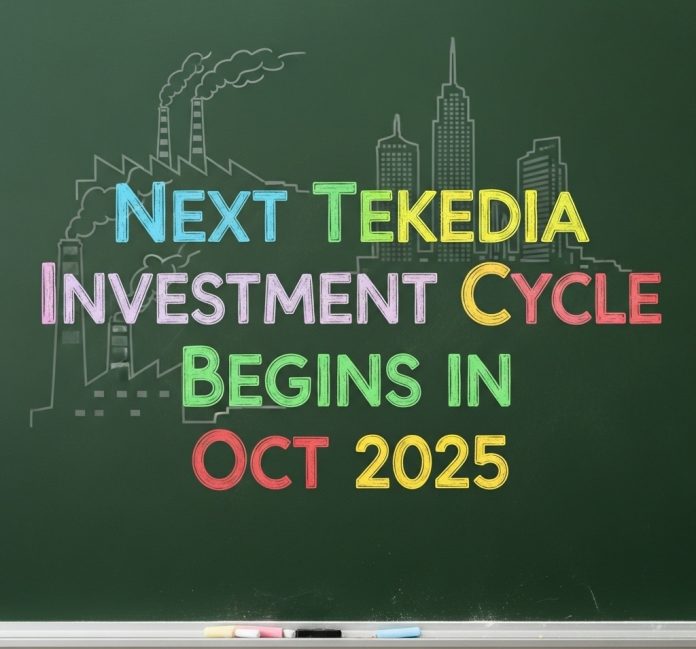
Good People, this is to note that the next Tekedia Capital investment cycle is scheduled to begin in the first week of Oct 2025 and end in the first week of Nov 2025. Please plan accordingly if you plan to participate.

Similarly, the next business review will be in the last week of Nov 2025.

To join Tekedia Capital, go here

CPPE Hails Nigeria’s GDP Rebasing But Calls for Regular Updates Amid Data Accuracy Concerns

0

The Centre for the Promotion of Private Enterprise (CPPE) has applauded the National Bureau of Statistics (NBS) for its recent rebasing of Nigeria’s Gross Domestic Product (GDP) but has also urged the agency to institutionalize regular and timely updates to maintain the relevance and credibility of the country’s economic data.

In a statement issued by its Chief Executive Officer, Dr. Muda Yusuf, the CPPE described the rebasing to a new base year of 2019 as a “significant milestone” in Nigeria’s economic management efforts. The move, it said, aligns the country’s statistical practices with international standards and enhances the accuracy of macroeconomic data used for policy formulation and investment planning.

However, Yusuf emphasized that more frequent rebasing exercises are necessary to ensure economic data remains current.

“The CPPE urges that future rebasing exercises be conducted more regularly and in a timely manner, in line with global standards, to maintain the relevance and credibility of Nigeria’s economic data,” the statement read.

Revised GDP and Sectoral Growth

According to the NBS report titled “Rebasing of Gross Domestic Product (GDP)”, Nigeria’s GDP stood at N372.8 trillion in 2024 following the recalibration using 2019 as the new base year. The rebased GDP figures showed that nominal GDP for 2019 was N205.09 trillion, increasing consistently to N213.63 trillion in 2020, N243.30 trillion in 2021, N274.23 trillion in 2022, N314.02 trillion in 2023, and N372.82 trillion in 2024.

The revision led to a 41.7 percent increase in nominal estimates over the previous base-year data from 2010, far lower than the 59.7 percent increase recorded during the last rebasing. Real GDP growth post-rebasing was estimated at -6.96 percent in 2020 (attributed to the COVID-19 shock), then recovered to 0.95 percent in 2021, 4.32 percent in 2022, 3.04 percent in 2023, and 3.38 percent in 2024.

The agricultural sector emerged as the leading growth driver, with its strongest performance of 2.66 percent recorded in 2020. In contrast, the industrial sector contracted by a steep 22.72 percent in the same year, while the services sector shrank by 5.37 percent.

Mounting Worries Over Data Integrity

While CPPE’s commendation highlights progress, the rebasing comes at a time of rising public and expert skepticism about the accuracy of data being published by several Nigerian government agencies. Economists and policy analysts have increasingly raised red flags over discrepancies, outdated methodologies, and inconsistencies in official economic statistics.

Some experts say delays in rebasing and a lack of sectoral transparency have contributed to poor policy choices, misallocation of resources, and uncertainty in investment decision-making.

“The NBS results show that some food-producing states are experiencing very high inflation rates, while major consuming states have significantly lower rates,” Managing Director of Financial Derivatives Company, Bismarck Rewane, said in May.

He highlighted that inflation was highest in Benue state at 51 percent, Ekiti at 34 percent, and Kebbi at 33 percent — all key food-producing states.

In contrast, “inflation was lowest in consuming states such as Ebonyi with 7.19 percent, Adamawa at 9.52 percent, and Ogun at 9.91 percent,” he said.

In January, the NBS had defended its choice of 2019 as the new base year for GDP, noting that it represented a period of “relative economic stability” compared to years dominated by pandemic disruptions and global economic shocks.

The CPPE is now calling on the government to support the NBS with stronger institutional capacity, financial independence, and legal backing to carry out its mandate without political interference.

“Reliable data is the cornerstone of economic development. Nigeria must prioritize the integrity and frequency of its statistical reports,” Yusuf said.

The rebasing exercise, while important, has reignited conversations about the broader health of Nigeria’s data infrastructure—and whether it can be trusted to inform the country’s path to recovery and growth.