DD
MM
YYYY

PAGES

DD
MM
YYYY

spot_img

PAGES

Home Blog Page 8

Oracle Cuts 21,000 Jobs as AI Reshapes Operations While Company Bets Big on Data Centers

0

Oracle has reduced its workforce by about 21,000 employees over the past year, underscoring how artificial intelligence and an aggressive push into cloud infrastructure are reshaping one of the world’s largest enterprise software companies.

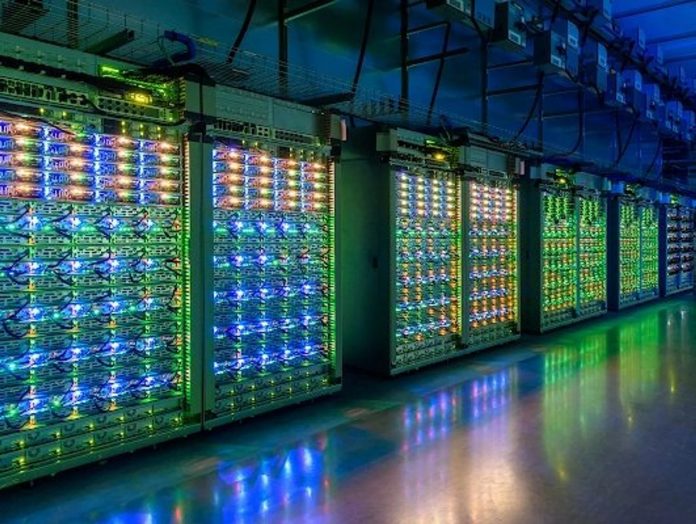
The workforce reduction, disclosed in Oracle’s latest annual report, comes as the company embarks on one of the most ambitious expansion plans in its history, pouring tens of billions of dollars into AI-related infrastructure while simultaneously restructuring operations to improve efficiency and competitiveness.

The filing shows Oracle employed 141,000 people as of May 31, 2026, down from roughly 162,000 a year earlier, representing a 13% decline in headcount. The reduction follows reports earlier this year that the company was cutting thousands of positions across multiple business units.

The scale of the restructuring is reflected in Oracle’s spending. The company incurred $1.84 billion in severance payments and other exit-related costs during fiscal 2026, nearly five times the $374 million spent in the previous fiscal year.

According to the filing, the workforce adjustments were driven by a combination of factors, including management changes, product realignments, performance-related decisions, acquisitions, and broader strategic shifts. While Oracle did not explicitly attribute the job reductions solely to artificial intelligence, the restructuring coincides with growing adoption of AI tools across the technology sector, where companies are increasingly automating functions previously handled by employees.

The cuts also come at a time when concerns about AI-driven displacement are intensifying. Data from Layoffs.fyi shows that 196 technology companies have eliminated more than 119,800 jobs so far this year, highlighting a broader industry trend toward leaner operations as businesses invest heavily in artificial intelligence.

Oracle’s workforce reduction comes off a paradox unfolding across the technology industry. Companies are spending unprecedented sums on AI infrastructure while simultaneously seeking efficiencies that often result in smaller workforces.

The transformation thus marks a dramatic evolution from its traditional identity as a database and enterprise software provider. For years, Oracle lagged behind larger cloud rivals such as Amazon and Microsoft in the race for cloud computing dominance. The AI boom, however, has created an opportunity for Oracle to reposition itself as a critical supplier of computing infrastructure.

Over the past several months, Oracle has secured major data-center agreements with OpenAI and Meta, deals that have elevated the company’s standing in the AI ecosystem and generated optimism about future growth. The challenge is that Oracle lacks the financial flexibility enjoyed by some of its larger competitors. Unlike Microsoft and Amazon, which can fund massive infrastructure projects through enormous operating cash flows, Oracle has increasingly relied on debt issuance and external financing to support its expansion strategy.

That financing challenge is becoming more pronounced as spending accelerates.

Earlier this month, Oracle revealed plans to invest approximately $70 billion in net capital expenditures during its current fiscal year, one of the largest spending programs in corporate America. The investment is primarily aimed at expanding data-center capacity and supporting growing demand for AI workloads. To finance that spending, Oracle said it plans to raise an additional $40 billion through debt and equity markets, including a previously announced $20 billion stock offering.

The scale of those commitments is increasingly reshaping the technology industry. Success now depends much on the ability to build massive data centers filled with expensive chips and networking equipment, creating enormous capital requirements even for established technology firms.

Investors have responded cautiously. Oracle shares have fallen about 10% this year as markets weigh the company’s long-term AI opportunity against the risks associated with its aggressive spending and rising debt burden.

The workforce reduction can therefore be viewed not simply as a cost-cutting exercise but as part of a broader effort to redirect resources toward AI infrastructure and cloud growth.

In many respects, Oracle’s strategy mirrors a wider shift occurring throughout Silicon Valley. Technology companies are reallocating capital away from traditional business functions and toward AI development, data centers, and computing capacity. That transition is generating demand for engineers, data-center specialists, and AI researchers while reducing demand in other areas.

The development also adds to a growing debate about whether AI will ultimately create more jobs than it eliminates. While technology executives frequently argue that artificial intelligence will unlock new industries and employment opportunities, current trends suggest the transition may involve significant workforce disruption before those benefits materialize.

For Oracle, the restructuring represents a high-stakes bet on the future of AI infrastructure. The company is attempting to transform itself from a legacy software giant into a major player in the artificial intelligence era. But the workforce cuts indicate that Oracle is willing to make difficult adjustments to pursue that goal. They also provide another signal that the AI revolution is no longer just changing technology products—it is fundamentally reshaping how technology companies are structured, financed, and staffed.

Cracks in the Foundation: The Early Warnings of Nigeria’s Educational Crisis

0

Nigeria is currently facing a talent crisis, and this is no surprise as successive administrations have chosen to neglect education which should yield economic growth and shift towards mundane things. The job talent pool is currently saturated with mid-level to low yield thinkers; especially people whose primary goal is survival and not development.

In every aspect of professional practice you visit in Nigeria today, there’s one thing you find in common; there’s lack of creativity and innovation when approaching problems, and as a result, the solutions we get to see do not meet global standards.

This decline in lack of talent did not start in a single day, it is a result of steady neglect in policies, investments and interest in training the younger generation to understand the purpose of learning and development. Last month the CEO of Moniepoint Tosin Eniolorunda decried the difficulty in hiring quality local talents in the tech ecosystem, these are not disconnected events, they are the results of the numerous years of neglect of nurturing local tech talents to become full blown senior engineers in our society.

Today we are facing even greater educational crisis; literacy level in children has dropped to an all time low of 25%. A 2023 report from UNICEF reports that 75% of children aged between 7-14 cannot read simple sentences or solve basic math. This is roughly about 37 million children, akin to the benchmark of 10yr where children are expected to properly read and write.

Adeoluwa Adesina calls this the ‘Olodo crisis’, but this is beyond what we see on the surface. Children these days seem to fall short in several developmental abilities in their early childhood stage. Cognitive and developmental abilities such as memory, attention span, socio-emotional development and other social skills critical for development such as communication (Clement-Suarez et al. 2024).

“For children to be able to learn, they must learn to read in the first three years of schooling”

Cristian Munduate, UNICEF Nigeria representative, said at the 2023 International Day of Education. Most children in Nigeria do not at this age.

The foundation of getting quality talents from our society does not emanate from anywhere, it starts with grooming young children to read and think, to think like builders, to reason like solution providers. This foundation is largely absent in our present-day society, rather, we are teaching children to read for the sake of passing exams, instead of learning to solve problems, this is another rooted problem which stems even to our higher educational institutions.

Education is a long term investment and the entire community needs to join hands in fixing this crisis. Today, we have companies which should be sponsoring education, which will in turn become their future workforce, have lost direction. Some are just not interested in the discussion; some prefer to sponsor reality TV shows instead of supporting educational institutes, sponsoring and rewarding the few who have shown exceptional performance and achievement in their lone struggle to attain academic excellence.

The problem might appear shallow today, but the roots have gone deep. Until we begin to treat education as a societal investment, our society will continue to move backwards, lose talents and the gates of innovation will collapse right before our very own eyes.

Manchester United Secures Land For New £2 Billion 100,000-Seater Stadium

0

Manchester United have taken a major step toward delivering one of the most ambitious infrastructure projects in world football after securing the bulk of the land required for a proposed 100,000-seat stadium that could transform both the club’s finances and the wider Trafford area.

The Premier League club announced on Monday that it had acquired a 25-acre site located about 350 meters northwest of Old Trafford, paving the way for construction of a new £2 billion ($2.65 billion) stadium that would become the largest football venue in Britain.

The land was purchased from industrial property provider Indurent and a portfolio company owned by investment giant Blackstone. The acquisition is one of the most tangible signs yet that Manchester United is moving beyond the planning stage of a project that minority owner Jim Ratcliffe has championed as central to the club’s long-term revival.

“We are committed to building a world-class stadium with our supporters, not just for them, with atmosphere, affordability and accessibility at the heart of our thinking,” said Collette Roche, chief executive of United’s stadium development project.

According to Roche, locating the new venue close to Old Trafford will help preserve traditions and matchday rituals that have defined the club for generations.

The project comes at a critical time for Manchester United. While the club remains one of football’s biggest commercial brands, its stadium has increasingly fallen behind modern rivals in terms of facilities and revenue-generating capabilities.

Old Trafford, home to United since 1910, currently holds more than 74,000 spectators. Although it remains England’s largest club stadium, it has faced mounting criticism in recent years over ageing infrastructure. Supporters have complained about a leaking roof, drainage problems, and deteriorating facilities, while reports of rodent sightings have further highlighted the need for modernization.

The venue has not undergone a major redevelopment since 2006.

Beyond improving fan experience, the new stadium is expected to significantly strengthen Manchester United’s financial position.

One of the clearest benefits is matchday revenue. United currently charges an average of £46.51 for a general admission ticket at Old Trafford, while premium Premier League fixtures against rivals such as Liverpool and Manchester City can command prices ranging from £59 to £97.

Expanding capacity from roughly 74,000 to 100,000 seats would create room for approximately 26,000 additional spectators per match. Across a full season that includes Premier League, domestic cup, and European fixtures, the increase could generate tens of thousands of pounds in additional annual ticket revenue before accounting for hospitality, corporate boxes, food and beverage sales, merchandising, and sponsorship opportunities.

The revenue potential explains why many analysts view the stadium project as a strategic investment rather than merely an infrastructure upgrade.

Manchester United have increasingly found themselves competing against clubs that have benefited from modern stadium developments. Clubs such as Tottenham Hotspur have dramatically increased matchday income through larger hospitality offerings and year-round venue usage. Tottenham’s stadium, for example, hosts NFL games, concerts, and other events that generate significant non-football revenue.

United’s proposed venue could follow a similar model, allowing the club to maximize income beyond matchdays.

However, the project also has potential hurdles.

Chief executive Omar Berrada warned last year that the scale of the investment could affect squad spending and competitiveness for as long as five years. That concern reflects a challenge faced by several clubs that have financed major stadium developments while simultaneously trying to remain competitive on the pitch.

Balancing infrastructure spending with investment in players will be a key test for United’s leadership.

However, the timing is somewhat more favorable than it appeared a year ago. Manchester United recently secured qualification for the UEFA Champions League after finishing third in the Premier League under manager Michael Carrick. The return to Europe’s elite competition should provide an important boost to broadcasting and commercial revenues at a time when the club is preparing for one of the largest capital projects in its history.

For Ratcliffe and the club’s leadership, the stadium represents more than a construction project, as it is largely seen as a cornerstone of efforts to restore Manchester United’s status both financially and competitively after more than a decade of inconsistency following the retirement of legendary manager Alex Ferguson.

If completed as planned, the 100,000-seat venue would not only surpass Wembley as the largest football stadium in the United Kingdom but also position Manchester United to generate substantially higher matchday revenues for decades. This is expected to strengthen its ability to compete with Europe’s biggest clubs in an era when commercial scale increasingly determines success on and off the pitch.

Tekedia’s Nigeria Capital Market Masterclass Begins; Registration Continues

0

Tekedia Nigeria Capital Market Masterclass is a practitioner-led, intensive program designed to deepen the human capabilities needed to power Nigeria’s modern capital market. The Masterclass blends applied knowledge, real-market processes, regulatory frameworks, technology infrastructure, and hands-on case studies covering the entire capital market value chain.

The program will run for 8 weeks, with assignments, simulations, and industry projects. Some participants who complete the program successfully will be provided internship opportunities within capital-market institutions in Nigeria. Our goal is for any person irrespective of location to understand how the capital market works.

Minimum entry requirement: Secondary school education.

Program Date: June 15- Aug 8, 2026

Location and Mode of Delivery: program is completely online, no physical component. It includes 8 weekends of LIVE Zoom sessions by experienced faculty on 8 Saturdays lasting two hours each. The program ssyllabus is below:

Module 1: Introduction to Nigeria’s Capital Market – Foundations & Architecture

Module 2: SEC Nigeria – Registration, Regulations & Market Oversight


Module 3: Market Operators – Roles, Responsibilities & Interdependencies

Module 4: Capital-Raising Instruments – IPOs, Bonds, Commercial Papers & Private Markets


Module 5: Listing Processes, Documentation & Regulatory Compliance

Module 6: Capital-Market Operations – Trading, Settlement & Surveillance


Project 1: A project with relevance in the Nigerian capital market will be assigned for the week.


Module 7: Derivatives, Structured Products & Hedging Instruments

Module 8: Technology & Financial Market Infrastructure (FMI)


Module 9: Digital Assets, Tokenization & ISA 2025 Framework

Module 10: Compliance, Risk Management & Ethics in Capital Markets


Module 11: Careers, Business Opportunities & Promising Regulated Sole Proprietorships

Module 12: Business Development, Market Strategy & Capital-Market Innovation

Project 2: Program Capstone

Contisx Securities Exchange Plc, an upcoming securities exchange in Nigeria, is partnering on this program, and will provide remote internship opportunities.

To learn more, visit Tekedia Institute and register 

Trump Signs Executive Orders to Accelerate U.S. Quantum Computer Push, Racing with China for Next Technological Breakthrough

0

U.S. President Donald Trump has launched an aggressive new effort to accelerate the development of quantum computing and strengthen America’s cyber defenses, signaling that Washington increasingly views the emerging technology as a strategic battleground that could reshape economic competitiveness, military capabilities, and global technological leadership.

Trump on Monday signed two executive orders aimed at speeding the development of a large-scale quantum computer while preparing government systems for the cybersecurity disruptions the technology could unleash.

The move comes as competition between the United States and China intensifies across a range of advanced technologies, from artificial intelligence and semiconductors to quantum computing, which many scientists regard as the next major frontier in computing power.

“We believe this can happen by 2028,” Michael Kratsios, director of the White House Office of Science and Technology Policy, said during a briefing on the administration’s plans, referring to the goal of developing a powerful quantum computer capable of delivering scientific breakthroughs beyond the reach of conventional systems.

The administration’s initiative emerges from a growing consensus among policymakers that quantum computing is no longer a distant scientific experiment but an emerging technology with potentially profound implications for national security and economic power.

Unlike conventional computers, which process information using binary bits represented by zeros and ones, quantum computers use quantum bits, or qubits, which can exist in multiple states simultaneously. This allows them to perform certain calculations exponentially faster than even the world’s most powerful supercomputers.

Such capabilities could transform industries ranging from pharmaceuticals and materials science to energy and logistics. Researchers believe quantum machines could dramatically shorten the time required to discover new drugs, design advanced materials, optimize supply chains, and model complex chemical reactions.

However, the same technology poses one of the most significant cybersecurity threats governments have ever faced.

Current encryption systems that protect banking networks, government databases, military communications, and digital commerce rely on mathematical problems that are extremely difficult for traditional computers to solve. Quantum computers could eventually crack many of these encryption standards, potentially exposing sensitive information worldwide.

Recognizing that threat, one of Trump’s executive orders establishes an ambitious timetable for migrating critical federal systems to post-quantum cryptography, with agencies expected to complete the transition by 2030 or 2031. The initiative is designed to protect government networks against future attacks from quantum-enabled adversaries.

The concern extends beyond future risks. Cybersecurity experts have repeatedly warned about a “harvest now, decrypt later” strategy, in which hostile actors collect encrypted government and corporate data today in anticipation of eventually gaining access to quantum computers capable of unlocking it.

The administration’s actions, therefore, indicate both a race to build the technology and a race to defend against it. The new orders also highlight how quantum computing has become a central pillar of Washington’s broader technology strategy.

Last month, the Commerce Department announced plans to take approximately $2 billion in equity stakes across nine quantum-computing companies, including a new venture involving IBM. The investment underscored the administration’s willingness to deploy industrial policy tools similar to those used to strengthen domestic semiconductor manufacturing and artificial intelligence infrastructure.

The latest executive actions build on those efforts by directing federal agencies to develop plans over the next five years for deploying quantum-enabled sensors and communication networks. Such technologies could have significant defense applications. Quantum sensors may provide unprecedented precision in navigation, surveillance, and battlefield detection, while quantum communications could create highly secure networks resistant to interception.

Another element of the administration’s strategy focuses on protecting intellectual property and supply chains. Kratsios said the executive orders call for stronger international cooperation on intellectual property protection and supply-chain security in response to what the administration describes as efforts by competitors and adversaries to undermine U.S. economic and national security interests.

That language underpins longstanding concerns in Washington about China’s efforts to gain technological advantages in strategically important sectors.

China has invested heavily in quantum research for more than a decade and is widely regarded as America’s principal competitor in the field. Beijing has poured billions of dollars into quantum laboratories, communication networks, and research institutions, while Chinese scientists have achieved notable breakthroughs in quantum communications and experimental computing.

Many analysts view the competition as analogous to previous races involving nuclear technology, space exploration, and advanced semiconductors. The country that first develops practical, large-scale quantum computing capabilities could gain significant advantages in scientific discovery, military applications, and economic productivity.

The technology is also increasingly intertwined with artificial intelligence. Quantum systems could eventually accelerate AI training and optimization, helping to solve computational problems that are currently prohibitively expensive. That prospect has made quantum computing particularly attractive as governments and companies pour hundreds of billions of dollars into AI infrastructure.

However, despite rapid advances, today’s quantum computers remain prone to errors and are generally limited in scale. Experts continue to debate how quickly the industry can achieve fault-tolerant systems capable of delivering commercial and strategic value.

Trump administration officials nevertheless appear convinced that the breakthrough may arrive sooner than many expect.

The White House’s 2028 target reflects growing optimism that advances in hardware, error correction, and system design could move quantum computing from research labs into practical deployment within the next several years.