DD
MM
YYYY

PAGES

DD
MM
YYYY

spot_img

PAGES

Home Blog Page 840

Simple Online Roulette Rules

0
Classy Wooden Shiny Roulette Details in a Casino

Introduction to Online Roulette: Spin Your Way to Fun

Picture this: the whirring of the wheel, the click of the ball, and the anticipation as you wait to see where it lands. Online roulette brings the thrill of the casino straight to your screen. It’s easy to see why this iconic game of chance is enjoyed by players around the globe.

This guide is designed to transform you from a roulette rookie into a confident player, even if you’ve never spun a wheel before. Consider this your personal roadmap to understanding and enjoying online roulette. It will provide a clear and simple language, stripping away the complexity and leaving you with the essential knowledge you need to play.

Inside, you’ll discover the secrets of placing bets, understanding payouts, and navigating the online roulette landscape. But that’s not all; you’ll also learn how to gamble responsibly, protect your bankroll, and maximize your enjoyment. Forget feeling overwhelmed – by the end of this guide, you’ll confidently place your bets and embrace the excitement of online roulette. So, let’s spin into action! If you are interested in playing, visit Vegasino!

Roulette Basics: The Wheel and the Table

Roulette, at its core, is a game of chance that revolves around two key components: the roulette wheel and the roulette table. The wheel is a circular device with numbered pockets ranging from 1 to 36, along with one or two green pockets marked with a zero (0) or a double zero (00), depending on the variation. These numbers are not arranged sequentially but are distributed seemingly at random around the wheel’s circumference, alternating in color between red and black. The table, on the other hand, is a betting surface marked with corresponding numbers and sections where players place their wagers.

The layout of the roulette table mirrors the numbers on the wheel, allowing players to bet on individual numbers, groups of numbers, colors (red or black), or whether the outcome will be odd or even. Different sections on the table represent these various betting options. Understanding the layout of both the wheel and the table is fundamental to playing roulette, whether in a brick-and-mortar casino or enjoying online roulette from the comfort of home.

European vs. American Roulette

A significant variation in roulette comes down to the wheel type: European and American. The European roulette wheel features a single zero (0), while the American version includes both a single zero (0) and a double zero (00). This seemingly small difference drastically affects the odds.

The addition of the double zero in American roulette increases the house edge, making it statistically less favorable for players compared to European roulette. Because of the the presence of the double zero, the odds of winning are slightly lower. Therefore, European roulette is generally considered a better option for players looking to maximize their chances of winning.

Understanding the Bets: Inside and Outside

Roulette, in its online form, offers a surprisingly wide array of betting options that can seem daunting at first. These bets are broadly categorized into two main types: inside bets and outside bets. Understanding the nuances of each is key to crafting a roulette strategy that aligns with your risk tolerance and desired payout potential.

Inside Bets Explained

Inside bets are placed on specific numbers or combinations of numbers within the inner section of the roulette table. They offer higher payout potential but come with a lower probability of winning.

Straight Up: This is a bet on a single number. Place your chip directly on any number from 0 (or 00 in American roulette) to 36. It’s the riskiest bet but offers the highest payout. For example, if you bet on the number 17 and it hits, you win!

Split Bet: This bet covers two adjacent numbers on the table. To place it, put your chip on the line separating the two numbers. It offers a slightly better chance of winning than a straight up bet. Imagine placing your chip on the line between 20 and 21. If either hits, you win.

Street Bet: A street bet covers three numbers in a horizontal row. Place your chip on the outer edge of the row you want to bet on. For instance, betting on the row 4, 5, and 6 means you win if any of those numbers hit.

Corner Bet: Also known as a square bet, this covers four numbers that form a square on the table. Place your chip at the intersection of the four numbers. Choosing the numbers 23, 24, 26 and 27 to form a square makes you a winner if one of these numbers is the result of the spin.

Line Bet: This bet covers six numbers in two adjacent rows. Place your chip on the outer edge where the two rows meet. An example of a line bet would be rows 1 through 6. If any of those numbers win, you win as well.

Outside Bets Explained

Outside bets are placed on the outer section of the roulette table and cover larger groups of numbers. They offer lower payouts but have a significantly higher probability of winning.

Red/Black: This is a bet on whether the winning number will be red or black. Simply place your chip on the corresponding color. If the ball lands on a red slot and you bet red, you win. The same goes for black.

Even/Odd: This bet covers all even or all odd numbers on the table (excluding 0 and 00). Bet on even to win, if the ball lands on 2, 4, 6 and so on. Bet on odd if you want the ball to land on 1, 3, 5 and so on. It’s a straightforward choice.

High/Low: This bet divides the numbers into two groups: low (1-18) and high (19-36). Place your chip on either the “1-18” or “19-36” section. If you bet on the high section, you win, if the ball lands on 20 or 30.

Dozen Bets: These bets cover one of three groups of twelve numbers: 1-12, 13-24, or 25-36. You can win by placing your bet on the “1st 12”, “2nd 12”, or “3rd 12” section of the board.

Column Bets: These bets cover one of the three vertical columns of numbers on the table. Place your chip at the bottom of the column you want to bet on. For example, you will win if the ball lands on one of the numbers in your chosen column.

Decoding the Payouts: What You Win and Why

Understanding the payout structure in roulette is crucial for informed betting. Each bet type carries different odds and, therefore, different payouts. Knowing these payouts, along with the inherent house edge, empowers players to make strategic decisions, even though roulette remains a game of chance.

Roulette Payouts

Here’s a breakdown of common roulette bets and their payouts. Note that payouts are typically expressed as “to 1,” meaning you receive your original stake back in addition to the winnings.

Bet Type Description European Roulette Payout American Roulette Payout


Straight Up Betting on a single number 35 to 1 35 to 1
Split Betting on two adjacent numbers 17 to 1 17 to 1
Street Betting on three numbers in a row 11 to 1 11 to 1
Corner Betting on four numbers that form a square 8 to 1 8 to 1
Line Betting on six numbers in two rows 5 to 1 5 to 1
Column/Dozen Betting on 12 numbers 2 to 1 2 to 1
Red/Black, Even/Odd, High/Low Betting on broad categories of numbers 1 to 1 1 to 1

The House Edge Explained

The “house edge” represents the casino’s advantage in any roulette game. It stems from the presence of the green zero (and double zero in American roulette) on the wheel. These pockets aren’t covered by any of the even-money bets (red/black, even/odd, high/low), giving the house a built-in winning probability.

For example, in European roulette, with a single zero, the house edge is approximately 2.7%. This means that, on average, the casino expects to retain 2.7% of all money wagered over the long run. The American roulette, with both a zero and a double zero, doubles the house edge to about 5.26%. To illustrate, imagine betting $100 on black in American roulette repeatedly. You might statistically expect to lose $5.26 of that $100 over a long period, despite winning some individual spins.

While understanding payouts and the house edge is important, roulette’s outcome ultimately relies on chance. No strategy can eliminate the house edge entirely.

Roulette Variations: European, American, and More

Roulette, a casino staple, isn’t a one-size-fits-all game. Several variations exist, each offering a slightly different twist and influencing the odds. Understanding these differences is crucial for any roulette enthusiast.

European Roulette: Often favored by seasoned players, European roulette features a single zero on the wheel. This seemingly small detail significantly lowers the house edge compared to other versions. The number pockets go from 1 to 36 besides the single “0” pocket. This makes it a more attractive option for those looking to maximize their potential winnings. With only one zero, the odds are more in your favor with about 2.7% house edge.

American Roulette: The most notable difference in American roulette is the addition of a double zero (00) pocket on the wheel. While it might seem insignificant, this extra pocket increases the house edge, making it statistically less favorable for the player. The house edge doubles from the European roulette to about 5.26%. It is still a popular game but keep this in mind before playing.

Beyond these two, other variations exist. French roulette, for instance, sometimes includes rules like “La Partage” and “En Prison,” which can offer players a second chance on certain bets when the ball lands on zero. Multi-wheel roulette allows you to bet on multiple wheels simultaneously, increasing the action and potential rewards. Live dealer roulette bridges the gap between online and brick-and-mortar casinos, offering a real-time gaming experience with a live croupier via video stream.

Simple Strategies & Risk Management

Navigating the world of betting requires more than just luck; understanding basic strategies and practicing sound risk management are crucial for long-term success. A fundamental aspect of responsible betting is establishing a well-defined bankroll. This bankroll represents the total amount of money you’re willing to risk, and treating it with respect is paramount.

While various betting strategies exist, it’s important to approach them with caution. Strategies like the Martingale system, which involves doubling your bet after each loss, might seem appealing, but they can be incredibly risky. A string of losses can quickly deplete your bankroll, highlighting the potential dangers of such approaches. Similarly, other systems like the D’Alembert carry their own set of risks. Understanding the inherent risks associated with each strategy is vital before putting any of them into practice. A golden rule to embrace in betting is to avoid chasing losses. Attempting to recoup lost funds can lead to impulsive decisions and even greater financial setbacks.

Managing Your Bankroll

Effective bankroll management starts with budgeting. Before you even place your first bet, decide on a specific session bankroll – the amount you’re comfortable risking in a single sitting. Furthermore, establish win and loss limits. A win limit helps you preserve your profits, while a stop-loss limit prevents excessive losses. Sticking to these limits is essential for maintaining control and preventing emotional decision-making.

A common pitfall to avoid is increasing your bet sizes in an attempt to recoup losses. This can quickly spiral out of control. Remember that disciplined bankroll management is about consistent, measured decisions, not impulsive reactions to short-term setbacks.

Playing Responsibly: Staying in Control

Roulette, like any form of gambling, should be viewed as entertainment, not a reliable source of income. It’s easy to get caught up in the excitement, but responsible gambling is paramount to ensuring a positive experience.

One crucial aspect of responsible gambling is setting limits. Before you start playing, decide on a budget and stick to it. Similarly, determine how much time you’ll spend playing and adhere to that limit, taking regular breaks to avoid getting lost in the game. Remember that the house always has an edge, and chasing losses can quickly lead to problem gambling.

Many online casinos offer self-exclusion programs, allowing you to ban yourself from their services if you feel your gambling is becoming problematic. If you or someone you know is struggling with gambling addiction, numerous resources are available to provide support and guidance. Remember, help is available, and recognizing a potential problem is the first step towards regaining control.

Conclusion

So, there it is – a fast-track journey through the captivating world of online roulette! You’ve absorbed the fundamental rules, navigated the diverse betting options, and deciphered the payout structures. Now you’re armed with the knowledge to confidently approach the (virtual) roulette wheel.

Remember, while the thrill of online roulette is undeniable, responsible gaming is paramount. Set a budget that aligns with your entertainment allowance, and stick to it. The goal is to have fun, so keep the stakes manageable.

May fortune favor your spins! Feel free to revisit this guide whenever you need a refresher. Good luck, and have a fantastic time exploring the exciting possibilities of online roulette!


Nigeria’s External Reserves Rise to $40.11bn, But Naira Stagnates Above N1500/$1, Raising Concerns

0

Nigeria’s external reserves have climbed to $40.11 billion as of July 2025, marking a significant milestone in the country’s ongoing effort to stabilize its foreign exchange market and rebuild confidence in its economy.

The Central Bank Governor, Yemi Cardoso, disclosed the development during the Monetary Policy Committee (MPC) briefing held on Monday, July 22.

Cardoso said the current level of reserves is enough to cover 9.5 months of imports, describing it as a strong rebound for the country’s foreign currency buffer. It is the highest level since November 2024 when the reserves reached $40.2 billion. The increase, he noted, was driven by a combination of improved crude oil production, rising non-oil exports, reduced imports, and renewed capital inflows into the Nigerian economy.

According to Cardoso, the foreign exchange market has also recorded signs of relative stability, attributed to sustained inflows and a tighter monetary policy stance aimed at curbing inflation and defending the naira. He maintained that the apex bank’s recent interventions, including interest rate hikes and policy adjustments, were beginning to yield results.

But despite the optimism painted by the rising reserves and improved market conditions, the naira has remained stubbornly above N1500 to the dollar. This has prompted growing skepticism over the effectiveness of the Central Bank’s strategies. Some economists ask: If reserves are indeed growing, why is the nairanot gaining strength?

For months, the naira has hovered above the N1500/$1 threshold on the official and parallel markets, a rate that many see as incompatible with the level of foreign reserves being reported. The gap between the macroeconomic fundamentals and the actual performance of the local currency has raised concerns about the sustainability of the capital inflows being recorded. Some analysts argue that the inflows may largely be short-term investments seeking high returns from Nigeria’s elevated interest rates, rather than long-term confidence in the economy.

However, the Central Bank insists that the outlook remains positive. Cardoso explained that inflation is projected to decline further in the coming months due to the tight monetary stance, expected stability in exchange rates, the downward movement in the price of petrol (PMS), and the onset of the harvest season, which should boost food supply and ease pressure on consumer prices.

The MPC briefing also noted that Nigeria’s current economic direction is supported by improvements in key sectors. Crude oil production has picked up following better security in the Niger Delta and renewed efforts to curb oil theft. Non-oil exports have also seen modest growth, particularly in agriculture and solid minerals. On the other hand, imports have reduced, driven partly by high exchange rates and the shift toward local substitutes, further helping to conserve foreign exchange.

The International Monetary Fund (IMF), in its latest projections, has backed the possibility of macroeconomic recovery. The Fund forecasts that Nigeria’s inflation will drop to 23 percent in 2025, and fall further to 18 percent in 2026, reflecting the anticipated effects of tight monetary policy and improved supply chains. On growth, the IMF projects that Nigeria’s GDP will expand by 3.3 percent this year, up from 2.9 percent in 2024. The expected recovery in the oil sector and advancements in agriculture are seen as the main drivers of this growth.

The Central Bank’s Monetary Policy Committee is expected to meet again on September 22 and 23 to assess the country’s economic conditions and determine the next steps in its monetary strategy.

But in the meantime, many Nigerians remain cautious. While the numbers presented suggest stability on paper, the lived reality of a weakened currency, stubborn inflation, and fragile purchasing power continues to erode public confidence in the proclaimed gains.

How Do You Play The Game of AI? [podcast]

0

Question: How can I play financially in this AI era to capture value?

My response. This video podcast, “Playing the Game of Artificial Intelligence,” provides an overview of the current AI revolution and its profound impact on market systems and economic architecture. Here, I highlight the unprecedented growth of AI companies like OpenAI and NVIDIA as evidence of the immense opportunities available.

The core of the presentation revolves around three key strategies for individuals and professionals to engage with AI for financial gain:

Building AI Systems: This involves developing applications, particularly at the generative AI level, by leveraging existing foundational models. It encourages entrepreneurship and innovation in creating new AI-powered products and services. #Build.

Using AI Systems: This strategy focuses on integrating AI tools into daily work to enhance productivity, improve performance, and accelerate career growth. AI is presented as an indispensable “co-pilot” for the modern professional. #Use.

Investing in AI: This encompasses various investment avenues, including public companies (hardware providers like NVIDIA, cloud services like Microsoft and Google), promising AI startups across diverse sectors (medical, logistics, government), and specialized AI investment funds. #Invest.

Crucially, I dispel the notion that AI is merely a temporary “hype,” by noting the substantial investments in hardware and data centers, parabolic-curve revenue growth and industrial realignments, as proof of its enduring presence and future growth. In the end, I conclude by emphasizing that these participation strategies are not exclusive and can be combined to maximize engagement and financial benefit in the evolving AI landscape for professionals.

Tekedia Daily w/ Ndubuisi Ekekwe >> podcasting revelations on business


Podcast VideoSign-up at Blucera and check Tekedia Daily podcast category under Training Module.

Coinbase Launches CFTC-Regulated Perpetual futures Trading Amid Strategy’s IPO of STRC Dividend Product

0

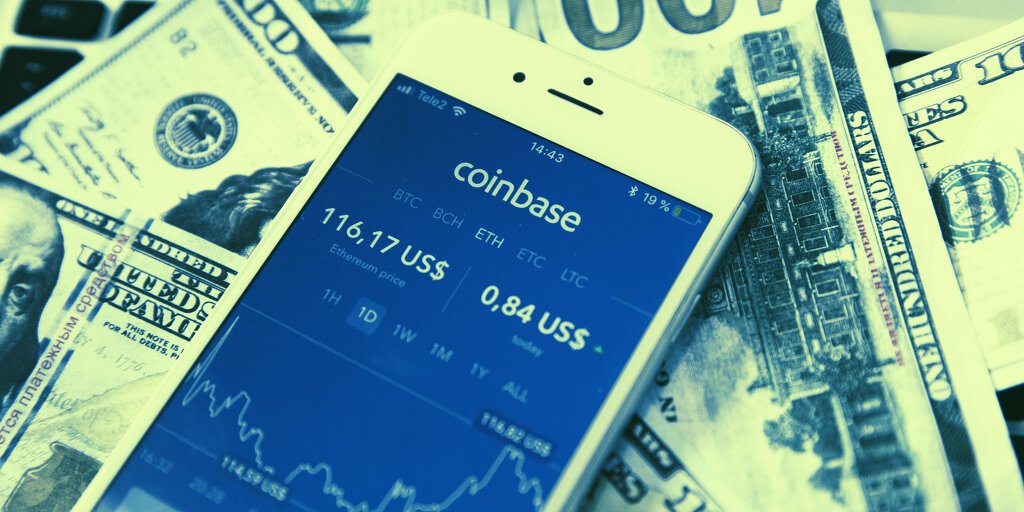
Coinbase has introduced CFTC-regulated perpetual futures trading for U.S. retail traders, starting July 21, 2025, through its Coinbase Financial Markets platform. The initial offerings include nano Bitcoin (BTC-PERP) and nano Ether (ETH-PERP) contracts, featuring up to 10x leverage, no monthly expirations, and trading fees as low as 0.02%. These contracts, with five-year expiration dates and hourly funding rates, aim to mirror global perpetual futures while complying with U.S. regulations.

Strategy Announces IPO of STRC Dividend Product

Strategy (formerly MicroStrategy) announced a proposed initial public offering (IPO) of 5 million shares of its Variable Rate Series A Perpetual Stretch Preferred Stock (STRC), priced at $100 per share to raise $500 million. The proceeds will primarily fund Bitcoin acquisitions and general corporate purposes. STRC offers cumulative monthly dividends starting at a 9% annual rate, adjustable based on one-month term SOFR fluctuations, with Strategy aiming to maintain the stock’s trading price near $100. The stock includes redemption rights at $101 per share plus unpaid dividends and repurchase options for shareholders upon a “fundamental change.”

The IPO, managed by firms like Morgan Stanley and Barclays, supports Strategy’s Bitcoin-focused treasury strategy, which has driven 104% annualized returns for MSTR compared to 59% for Bitcoin. Both developments reflect significant steps in expanding regulated crypto investment options and innovative corporate financing tied to digital assets. Coinbase’s CFTC-regulated perpetual futures (BTC-PERP and ETH-PERP) open sophisticated trading tools to U.S. retail investors, previously restricted by regulatory hurdles.

With up to 10x leverage and low fees (0.02%), this could drive higher trading volumes and attract a broader range of traders, from retail to institutional, boosting market liquidity. By offering perpetual futures, Coinbase strengthens its position against global exchanges like Binance and Bybit, which dominate the $2 trillion crypto derivatives market. This move could capture a slice of the 90% of global crypto trading tied to derivatives, potentially increasing Coinbase’s U.S. market share.

As one of the first U.S. platforms to offer CFTC-regulated perpetual futures, Coinbase sets a benchmark for compliance in a tightly regulated market. This could encourage other exchanges to follow, fostering innovation while aligning with U.S. laws, though it may also draw increased scrutiny from regulators like the SEC or CFTC. The availability of high-leverage products (10x) could amplify price swings in Bitcoin and Ether, especially during volatile periods. While this offers profit potential, it also heightens risks for retail traders, potentially leading to significant losses if not managed carefully.

Accessible derivatives may normalize crypto as a mainstream asset class in the U.S., encouraging investors to view Bitcoin and Ether as viable for hedging or speculation, similar to traditional futures markets. Strategy’s IPO of STRC, a dividend-paying preferred stock tied to its Bitcoin treasury strategy, introduces a novel way for companies to raise capital using crypto assets. The $500 million raised, primarily for Bitcoin purchases, reinforces Strategy’s bet on Bitcoin as a store of value, potentially inspiring other firms to adopt similar strategies.

The 9% variable dividend, tied to SOFR, offers an attractive yield in a low-interest-rate environment, appealing to income-focused investors. However, the stock’s value is indirectly linked to Bitcoin’s performance, exposing investors to crypto volatility without direct ownership, which could deter risk-averse shareholders. Strategy’s aggressive Bitcoin acquisition strategy (already holding over 1% of all Bitcoin) and the STRC IPO signal strong corporate confidence in Bitcoin’s long-term value. This could bolster market sentiment, driving Bitcoin prices higher, but also risks overexposure if Bitcoin’s value declines significantly.

The STRC structure, with redemption and repurchase options, blends traditional equity features with crypto-backed innovation. Success could redefine corporate treasury strategies, but failure (e.g., inability to sustain dividends or Bitcoin losses) might harm Strategy’s credibility and stock performance. The IPO may attract attention from regulators, given its unconventional tie to Bitcoin. Additionally, Strategy’s 104% annualized MSTR returns versus Bitcoin’s 59% highlight its leveraged approach.

Both moves signal a maturing crypto market, with Coinbase democratizing access to derivatives and Strategy pioneering crypto-backed corporate finance. They could drive mainstream adoption but also heighten risks of volatility, regulatory pushback, and investor overexposure. The success of these initiatives may hinge on market conditions, regulatory clarity, and Bitcoin’s price trajectory.

The Attack On Südwestdeutsche Medienholding (SWMH) Highlights The Reliance of Modern Media On Digital Infrastructure

0

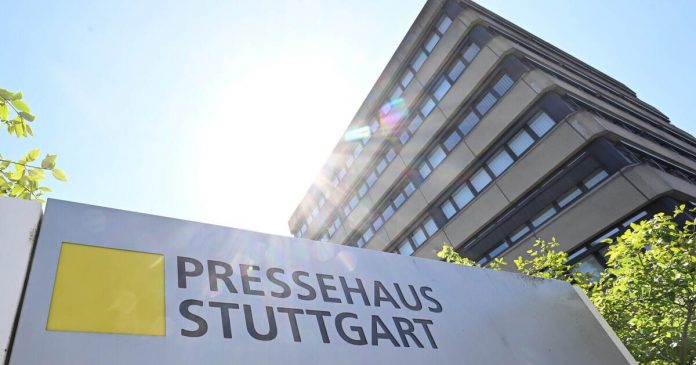
Südwestdeutsche Medienholding (SWMH), a major German media group that owns the influential daily Süddeutsche Zeitung, Stuttgarter Zeitung, and Stuttgarter Nachrichten, was targeted by a hacker attack described as a “critical IT security incident.” Unknown hackers briefly accessed the group’s internal network, affecting all connected companies. The breach was detected over the weekend of July 12-13, and SWMH quickly implemented security measures to stop the attack.

No significant disruptions to online reporting or newspaper production occurred, and all newspapers continued to publish as usual. The group is cooperating with law enforcement, the police cybercrime unit, and external IT security experts to investigate the incident and identify those responsible. While the exact motive and perpetrators remain unclear, Germany has seen a rise in cyberattacks, with some past incidents attributed to state-sponsored actors from Russia or China. SWMH employs around 4,500 people and is one of Germany’s largest newspaper publishers.

The need for alternative workflows and ongoing investigations by external IT security experts and law enforcement suggests increased operational costs. SWMH, with around 4,500 employees, may face financial strain to bolster IT infrastructure and prevent future breaches. As a major media group publishing influential titles like Süddeutsche Zeitung, SWMH’s reputation could be at risk if sensitive data (e.g., journalistic sources, employee information, or reader data) was compromised. Although no data breach details have been confirmed, the perception of vulnerability could erode trust among readers and business partners.

Media outlets are critical to public discourse, and cyberattacks could be perceived as attempts to undermine journalistic integrity or influence reporting. The lack of clarity on the hackers’ motives (e.g., espionage, financial gain, or disruption) fuels speculation, potentially affecting SWMH’s standing as a trusted source. SWMH is working closely with the police cybercrime unit and external IT security experts to investigate the attack and identify perpetrators.

This collaboration underscores the seriousness of the incident and the need for specialized expertise to address cyber threats. However, it also highlights the resource-intensive nature of such investigations, which may divert attention from core business activities. The attack on SWMH reflects a growing trend of cyberattacks targeting Germany’s media industry, as seen in previous incidents like the 2015 Bundestag hack or attacks on research groups linked to Russian actors. The media sector’s reliance on digital infrastructure makes it a prime target for hackers, whether for espionage, disruption, or financial motives.

While this attack did not disrupt operations, future attacks could target critical systems like content management or distribution networks, potentially halting publication or spreading misinformation. This incident may prompt other media organizations to reassess their cybersecurity measures. The attack coincides with SWMH’s ongoing restructuring, including the sale of regional newspapers like Stuttgarter Zeitung and Schwarzwälder Bote to Neue Pressegesellschaft, approved by the Bundeskartellamt in June 2025.

The incident may also raise concerns among potential buyers or partners about the security of SWMH’s digital assets, potentially affecting the valuation or terms of the deal. The attack underscores a growing gap between the cybersecurity measures of even large organizations like SWMH and the increasing sophistication of cyberattacks. While SWMH quickly contained the breach, the fact that hackers gained access to the central network suggests vulnerabilities in their defenses.

Large media groups like SWMH, with significant resources and a broad portfolio, can absorb the costs of a cyberattack and maintain operations through workarounds. Smaller media outlets, however, may not have the financial or technical capacity to respond effectively to similar incidents. This divide could exacerbate consolidation in the media industry, as smaller players merge with or are acquired by larger groups to gain access to better infrastructure and security.

The SWMH restructuring, including the sale of regional titles, already points to such consolidation trends, potentially reducing diversity in the media landscape. The attack highlights the reliance of modern media on digital infrastructure, contrasting with traditional print operations that were less vulnerable to cyberattacks. While SWMH’s print and online operations were unaffected, the incident exposes the risks of interconnected digital systems across multiple publications.

Media companies must balance the benefits of digital transformation (e.g., efficiency, reach) with the risks of cyber vulnerabilities. This may lead to increased investment in secure digital workflows, but it could also widen the gap between digitally advanced publishers and those still reliant on legacy systems. The attack amplifies the divide between the public’s expectation of media as a reliable, secure institution and the reality of its vulnerability to cyber threats.

The timing of the attack, amid SWMH’s restructuring and the sale of regional titles, highlights tensions between corporate strategy and stakeholder interests. Minority shareholders have expressed frustration over being sidelined in the restructuring process, and the cyberattack adds another layer of uncertainty. The attack could intensify scrutiny of SWMH’s leadership and its handling of both cybersecurity and corporate governance. Employees, already affected by the restructuring, may face additional uncertainty if the attack leads to operational changes or cost-cutting measures to fund security upgrades.

The attack on SWMH is part of a broader wave of cyberattacks in Germany, affecting industries from media to public sector and healthcare. The attribution of some attacks to state-backed actors (e.g., Russia’s Snake or China’s Volt Typhoon) raises concerns about geopolitical motives, though no specific attribution has been confirmed for the SWMH incident. The approved sale of SWMH’s regional titles to Neue Pressegesellschaft, creating a dominant player in Baden-Württemberg’s newspaper market, could amplify the divide between large and small publishers.

The Bundeskartellamt’s approval, despite concerns about media concentration, suggests regulatory challenges in balancing competition and security. The incident may prompt Germany’s media industry to adopt stronger cybersecurity standards, potentially through collaboration with government agencies like the Cybersecurity and Infrastructure Security Agency (CISA) or private security firms. However, resource disparities could leave smaller outlets behind, deepening the divide.

The hacker attack on SWMH reveals critical implications for its operations, reputation, and the broader media landscape. While the group’s quick response mitigated immediate damage, the incident exposes divides in cybersecurity preparedness, resource disparities between large and small media outlets, reliance on digital systems, public trust, and corporate governance. As SWMH navigates its ongoing restructuring and the fallout from this attack, it will need to address these divides through enhanced security measures, transparent communication, and strategic alignment with stakeholder interests.