DD
MM
YYYY

PAGES

DD
MM
YYYY

spot_img

PAGES

Home Blog Page 9

Wise Secures Long-Awaited IMTO License in Nigeria

0

Global fintech company Wise has secured its long-awaited International Money Transfer Operator (IMTO) license in Nigeria, marking a major milestone in its expansion across Africa’s largest remittance market.

The approval positions the global fintech to offer faster, more transparent cross-border transfers directly to Nigerian users, strengthening competition and advancing financial inclusion in the country’s payments ecosystem.

After more than a decade of operating in Nigeria primarily through third-party partnerships, the British fintech is back in the country to offer its services.

Recall that Wise first entered the Nigerian market around 2015-2016, enabling users to send money directly into Naira dominated accounts. At the time this aligned with the company’s mission of offering fast, affordable, and transparent cross-border payments.

However, by 2016, Wise suspended its Nigerian operations. The company cited difficulties in maintaining its hallmark mid-market exchange rates due to local foreign exchange constraints and regulatory pressures.

Fast forward to 2017, Wise made a return to Nigeria after a period of about 17 months. The re-entry signaled renewed optimism about serving the country’s large remittance market, which receives billions of dollars annually from the diaspora. That optimism, however, proved short-lived.

In 2020, the Central Bank of Nigeria introduced a policy requiring all diaspora remittances to be paid out in U.S. dollars rather than naira. This policy shift disrupted Wise’s operational model, which relied heavily on local currency payouts. As a result, the company once again scaled back or suspended key services in the country.

The approval of Wise, highlighted in recent updates and confirmed through official channels including a UK-Nigeria ministerial dialogue communiqué dated March 16, 2026, marks a major milestone for the company in Africa’s largest remittance market.

The fintech giant formerly known as TransferWise, has already facilitated over £600 million (approximately $750–800 million depending on exchange rates) in transfers to Nigerian recipients.

The newly granted IMTO license allows Wise to operate directly in Nigeria, eliminating dependency on intermediaries for inward remittances. This shift is expected to bring several tangible benefits to users:

Wise’s signature feature of using the real (interbank) rate without hidden markups could now apply more consistently and transparently to Nigeria-bound transfers.

– Lower overall costs — Reduced intermediary layers typically translate to cheaper fees for senders and better net amounts received.

– Faster processing times — Direct operations often enable quicker crediting to Nigerian accounts.

– Potential product expansion — Industry observers anticipate Wise may roll out or enhance features such as business accounts, bulk payments, or improved local-currency holding options tailored to the Nigerian market.

The timing aligns with Wise’s broader African expansion strategy. The company recently obtained a license in South Africa (reported late 2025), signaling increased commitment to the continent where remittance flows remain critically important.

It is worth noting that Nigeria leads Africa in remittance inflows, receiving roughly $20 billion annually according to World Bank and local estimates. This massive market has attracted intense competition in recent years. Local and diaspora-focused fintech players such as LemFi and Moniepoint  are already offering competitive cross-border services.

Wise’s entry as a fully licensed direct operator is likely to intensify pressure on pricing and service quality across the board. Senders from the UK, US, Canada, and Europe, key source markets for Nigerian diaspora stand to benefit from more choices and potentially lower costs in one of the world’s most expensive remittance corridors.

For millions of Nigerians who rely on international transfers for daily needs, education, healthcare, and business, this regulatory green light could translate into meaningful savings and greater reliability in the months ahead.

Why Operational Infrastructure Is Becoming a Core Business Strategy in Melbourne’s Growing Economy

0

In discussions about business growth, attention is often placed on digital transformation, customer acquisition, and market positioning. However, one foundational factor continues to shape outcomes behind the scenes: operational infrastructure. For small and medium-sized businesses operating in Melbourne and across Australia, the reliability of essential systems is no longer just a maintenance concern, it has become a strategic priority.

In fast-growing suburbs throughout Victoria, unexpected disruptions can halt operations instantly, particularly in sectors like hospitality, healthcare, retail, and trade services. Because of this, many businesses now evaluate service reliability as part of their broader operational planning. Working with providers that offer reliable plumbing services in Croydon ensures that critical issues can be addressed quickly, reducing downtime and protecting business continuity. This shift reflects a wider recognition that infrastructure stability directly supports long-term growth and resilience.

Infrastructure Reliability as a Business Enabler

Infrastructure is often treated as a background function, yet it plays a central role in enabling business performance. Reliable systems allow companies to operate without interruption, which directly affects productivity, compliance, and customer satisfaction.

In Melbourne’s competitive business environment, consistency is key. Restaurants rely on uninterrupted water supply, medical clinics depend on sanitation systems, and retail spaces require stable facilities to operate smoothly. When infrastructure performs reliably, businesses can focus on growth initiatives instead of reacting to avoidable disruptions.

In contrast, unreliable systems introduce operational uncertainty, making it difficult to maintain service standards. According to Forbes, organisations that prioritise operational reliability are better positioned to scale efficiently and remain competitive in rapidly evolving markets.

The Real Cost of Operational Disruptions

Operational disruptions carry costs that extend far beyond immediate repairs. In Australia, where labour costs and regulatory requirements are relatively high, even short-term downtime can result in significant financial loss.

Lost revenue, cancelled appointments, delayed service delivery, and reputational damage all contribute to the long-term impact. For small and medium-sized businesses, these disruptions can be particularly challenging, as they often operate with tighter margins and limited contingency resources.

In sectors such as hospitality or healthcare, a plumbing failure can force temporary closures or service interruptions, directly affecting both income and customer trust. Businesses that maintain stable infrastructure are far more likely to retain customers and build long-term loyalty.

Local Service Ecosystems and Business Resilience

The strength of a local service ecosystem plays a crucial role in how quickly businesses can respond to operational issues. In Melbourne, access to qualified tradespeople, including licensed plumbers, is essential for maintaining infrastructure reliability.

Businesses that build relationships with trusted local providers gain a clear advantage. They can respond faster to issues, receive more accurate diagnostics, and benefit from solutions tailored to local conditions such as soil movement, ageing infrastructure, or suburb-specific building layouts.

This local expertise not only supports individual businesses but also contributes to broader economic stability by ensuring that operations across multiple sectors continue without unnecessary disruption.

Urban Growth and Infrastructure Pressure

Photo by Anastassia Anufrieva on Unsplash

Melbourne is one of Australia’s fastest-growing cities, and with that growth comes increased pressure on infrastructure systems. Expanding suburbs, higher-density developments, and ageing utility networks all contribute to rising demand on water and drainage systems.

For businesses, this creates an added layer of operational complexity. Infrastructure that may have been sufficient in the past can become strained under increased usage, leading to more frequent maintenance needs and a higher risk of system failures.

Forward-thinking businesses recognise this challenge and take proactive steps, such as selecting premises with reliable infrastructure, investing in upgrades, and implementing preventative maintenance plans to reduce exposure to risk.

Preventative Maintenance as a Strategic Approach

Preventative maintenance is becoming a core component of modern business strategy in Australia. Rather than reacting to issues after they occur, businesses are increasingly focusing on early detection and ongoing system monitoring.

This approach reduces the likelihood of unexpected failures and helps maintain consistent operations. It also allows businesses to manage costs more effectively by avoiding large, unplanned repair expenses.

According to the Australian Government’s business resources, proactive maintenance and risk management are key factors in improving operational resilience, particularly for small businesses navigating competitive markets.

Technology and Smarter Infrastructure Management

Advancements in technology are changing how Australian businesses manage infrastructure. Smart sensors, leak detection systems, and predictive maintenance tools are becoming more accessible, allowing businesses to monitor performance in real time.

These technologies provide early warnings of potential issues, enabling faster response and reducing downtime. For businesses in Melbourne’s service-driven economy, this level of control is increasingly valuable.

By integrating technology into infrastructure management, even smaller businesses can achieve levels of operational efficiency that were previously limited to larger organisations.

Integrating Infrastructure Into Business Strategy

Infrastructure reliability is no longer a secondary concern, it is a strategic asset. Businesses that integrate infrastructure planning into their broader operational strategy are better equipped to handle challenges and sustain growth.

Reliable systems support consistent service delivery, enhance customer experience, and create a stable foundation for expansion. In high-demand urban environments like Melbourne, where expectations are high and competition is strong, this level of reliability can be a defining advantage.

As Australian cities continue to grow and evolve, businesses that prioritise operational infrastructure will be better positioned to adapt, compete, and succeed over the long term.

Reserved Ticker: CSXN

0

CSXN is the stablecoin ticker code for ContiSX Naira. It is reserved for ISO classification. Do not use CSXN as it is not available and already used and registered. This is to avoid any confusion in the market, across tokens, stablecoins, and broad digital assets

Uber Commits Up to $1.25bn to Rivian for 10,000 Autonomous R2 Robotaxis Starting 2028

0

Uber Technologies Inc. and Rivian Automotive Inc. announced Thursday a landmark strategic partnership under which Uber will invest up to $1.25 billion in Rivian to accelerate the deployment of 10,000 fully autonomous Rivian R2 SUVs as robotaxis on the Uber platform beginning in 2028.

The deal includes an initial $300 million investment from Uber, with the remaining amount to be funded through 2031 contingent on Rivian achieving specific autonomous-driving milestones. The companies stated that, if all milestones are met, thousands of unsupervised Rivian R2 robotaxis could be operating across 25 cities in the United States, Canada, and Europe by the end of 2031.

The R2 robotaxis will be available exclusively on Uber’s platform, with initial deployments planned for San Francisco and Miami. Uber retains the option to purchase up to 40,000 additional autonomous R2 vehicles starting in 2030.

Rivian, best known for its R1S SUV and R1T pickup, has not yet launched a robotaxi service but unveiled its first custom autonomous-driving computer chip in December 2025. The company is preparing to begin deliveries of its smaller, more affordable R2 SUVs this quarter, with the autonomous variant forming the backbone of the Uber partnership.

Rivian Adjusts Profitability Timeline Amid Accelerated Autonomy Investment

Rivian disclosed that it no longer expects to achieve adjusted core profit (adjusted EBITDA breakeven) in 2027, citing increased research and development spending to fast-track its self-driving roadmap.

“We believe this was widely expected. We do still expect Rivian to achieve breakeven EBITDA in 2028, with positive free cash flow in 2030. We believe Uber’s initial investment will cover the additional R&D spend,” BNP Paribas analyst James Picariello said.

Rivian shares pared earlier gains of nearly 12% and were last up about 1% in afternoon trading, reflecting a mixed investor reaction to the delayed profitability target offset by the major commercial partnership.

Uber’s Multi-Operator Robotaxi Marketplace Strategy

The Rivian deal strengthens Uber’s positioning as a neutral marketplace for multiple robotaxi operators rather than a single-provider fleet owner. Uber has already partnered with Waymo (Alphabet), Baidu, and Lucid for autonomous ride-hailing, and is collaborating with Nvidia on AI and simulation platforms to support the development and scaling of robotaxi systems across partners.

Interest in driverless taxis has surged in recent months after years of delays and missed timelines. Waymo currently operates approximately 2,500 robotaxis across several U.S. cities and has accelerated rollouts, while Tesla launched a small robotaxi service in Austin, Texas, with CEO Elon Musk promising rapid expansion in 2026.

The Uber-Rivian partnership comes amid accelerating momentum in the autonomous vehicle sector, driven by breakthroughs in AI, sensor fusion, and simulation. Rivian’s focus on purpose-built autonomous R2 vehicles positions it as a challenger to established robotaxi players like Waymo and Cruise (GM), while leveraging Uber’s massive ride-hailing network for rapid scaling.

The deal also comes amid heightened investor focus on commercialization timelines and capital efficiency. Rivian’s earlier profitability guidance had been closely watched; the delay to 2028 EBITDA breakeven pinpoints the heavy R&D investment required to achieve Level 4/5 autonomy at scale.

The agreement diversifies Uber’s autonomous options beyond Waymo while securing a high-volume, long-term vehicle supply from Rivian — a critical hedge against potential supply constraints in the robotaxi race.

Market Reaction and Analyst Views

Rivian shares showed resilience despite the profitability delay, with the Uber investment seen as providing crucial capital and a credible path to high-volume commercial deployment. Uber shares traded modestly higher, denoting optimism about its multi-operator strategy in a market increasingly viewed as winner-take-most.

Analysts view the partnership as a validation of Rivian’s technology roadmap and Uber’s marketplace approach. The 10,000-vehicle commitment — with an option for 40,000 more — represents one of the largest robotaxi fleet commitments to date, underscoring confidence in Rivian’s ability to deliver purpose-built autonomous vehicles at scale.

The Uber-Rivian deal marks a pivotal moment in the commercialization of autonomous ride-hailing. If Rivian meets its autonomy milestones and successfully launches unsupervised R2 robotaxis in 2028, the partnership could significantly accelerate the transition to driverless mobility in major U.S., Canadian, and European cities.

However, analysts note that for the partnership to excel, Rivian must deliver reliable Level 4 autonomy at scale while managing capital burn, while Uber must integrate multiple robotaxi providers into a seamless marketplace experience. The outcome is expected to play a huge role in determining whether autonomous ride-hailing can move from pilot programs to widespread adoption — potentially transforming urban mobility, reducing costs for riders, and reshaping the economics of transportation in the process.

Gold’s Safe-Haven Status Falters as Oil Shock Forces Markets to Reprice Inflation, Rates, and Global Growth

0

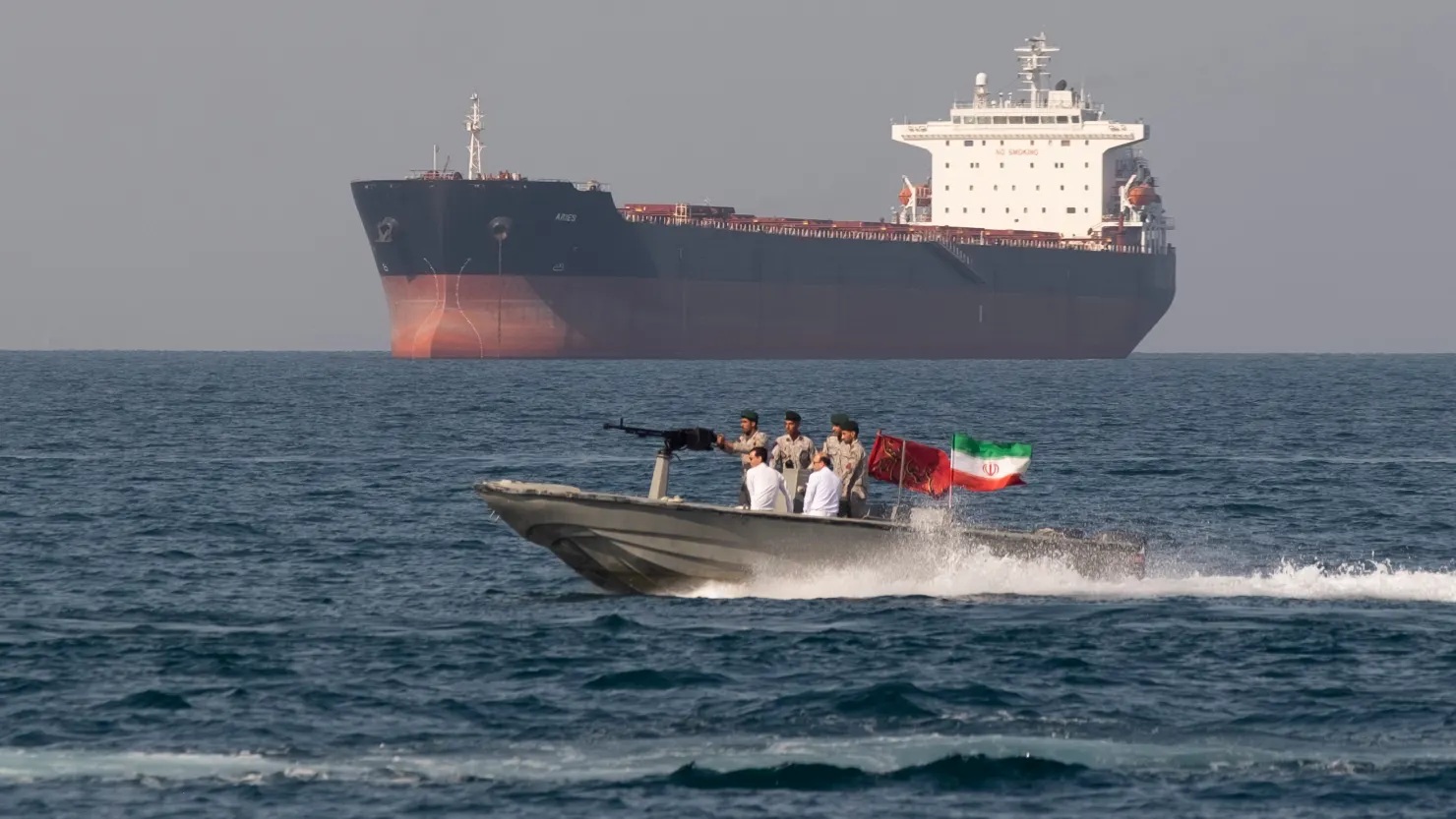
A sweeping sell-off across metals markets is exposing a deeper shift in investor thinking, as the fallout from the U.S.-Iran war begins to ripple through inflation expectations, monetary policy outlooks, and growth forecasts.

What initially appeared to be a standard geopolitical shock—one that would typically lift safe-haven assets—has instead triggered an unusual unwind. Gold fell nearly 6%, and silver dropped 8%, extending declines that began shortly after the conflict escalated. Industrial metals followed suit, with copper down 2% and palladium losing 5.5%.

This is not a liquidity-driven sell-off or a technical correction. It is a macro repricing event.

At the center of the shift is oil. Rising crude prices are forcing investors to reconsider a narrative that had dominated markets for months—that inflation was cooling enough to allow central banks to pivot toward rate cuts. That assumption is now under strain.

Higher energy costs feed directly into headline inflation and, more importantly, into inflation expectations. Once those expectations begin to drift upward, central banks face a credibility constraint. The Federal Reserve, in particular, is unlikely to ease policy into an environment where energy-driven price pressures risk becoming embedded.

The result is a rapid repricing in fixed-income markets. The U.S. 10-year Treasury yield pushing above 4.3% reflects not just higher nominal rates, but rising real yields—the most critical variable for gold.

Gold’s decline, therefore, is less a contradiction and more a reordering of priorities. In the current cycle, real yields and currency strength are exerting greater influence than geopolitical hedging demand. A firmer U.S. dollar has compounded the pressure, tightening financial conditions globally and reducing the appeal of dollar-priced commodities.

There is also a positioning element at play. Gold entered the conflict with significant speculative and institutional length, built on expectations of rate cuts and fiscal fragility. As those assumptions unwind, the metal is experiencing a sharper correction than fundamentals alone might suggest.

Peter Boockvar of One Point BFG Wealth Partners pointed to this dynamic, arguing that the erosion of rate-cut expectations and the rise in real yields have become the dominant headwinds. Yet the more consequential signal may be coming from industrial metals. Copper’s decline is often treated as a real-time proxy for global economic momentum. Its weakness suggests that markets are beginning to price in a slowdown, not merely a temporary shock.

The mechanism is straightforward but powerful. Elevated oil prices act as a tax on both consumers and businesses. Over time, they compress disposable income, reduce margins, and delay capital expenditure. This is the “demand destruction” phase—when sustained energy costs begin to curtail economic activity rather than simply raise prices.

What makes the current moment more complex is the simultaneous presence of inflation risk and growth deterioration. That combination has revived discussions around stagflation, though not without pushback.

Ed Yardeni has argued that structural changes in the global economy—lower energy intensity, more flexible supply chains, and more responsive monetary policy—make a repeat of the 1973 OPEC oil embargo less likely. He points to the limited long-term damage from the 2022 oil shock following Russia’s invasion of Ukraine as evidence.

That caution is echoed by Jerome Powell, who has resisted applying the stagflation label, signaling that current conditions have not yet reached the threshold associated with the 1970s.

Even so, markets are beginning to trade the risk, if not the certainty, of such an outcome.

The implications have been immediate for industrial metals. Unlike gold, which can benefit from financial stress and currency debasement, copper and palladium depend on real economic activity. Infrastructure spending, manufacturing output, and construction cycles drive demand. If growth expectations weaken, these metals face direct and sustained pressure.

For gold, the outlook is more nuanced. The same forces dragging prices lower in the short term—higher real yields and a stronger dollar—could reverse if growth slows enough to force central banks back toward easing. Moreover, rising fiscal deficits, particularly if governments ramp up military spending linked to the conflict, could reinforce gold’s role as a hedge against currency debasement.

Analysts at Goldman Sachs argue that in a prolonged stagflationary environment—especially one where real yields eventually decline—gold could reassert itself as a preferred store of value, driven by demand for real assets and diversification away from fiat currencies.

There is also a temporal dimension to the current dislocation. Markets are forward-looking, but policy responses lag. If oil prices remain elevated long enough to materially weaken demand, the narrative could shift again—from inflation risk to growth support—bringing rate cuts back into focus and potentially reversing some of the pressure on metals.

For now, the breakdown in traditional correlations is likely to persist. Safe-haven assets are not behaving as expected because the dominant risk is no longer immediate crisis, but its second-order effects on inflation and policy.

The metals sell-off, in that sense, is less about panic and more about recalibration.

Investors are no longer asking how the conflict will unfold—they are asking how long its economic consequences will last, and whether those consequences will force a fundamental shift in the global macro regime.