DD
MM
YYYY

PAGES

DD
MM
YYYY

spot_img

PAGES

Home Blog Page 915

BitMine’s 5% Pursuit of ETH Supply Could Reshape Ethereum’s Market Dynamics

0

BitMine Immersion Technologies (BMNR) has announced the commencement of stock options trading on the NYSE on July 23, 2025, with a goal to acquire 5% of the global Ethereum (ETH) supply. BitMine Immersion Technologies (NYSE: BMNR) began trading stock options on the New York Stock Exchange on July 23, 2025, under the ticker symbol “BMNR.”

The company aims to acquire 5% of the global ETH supply as part of its treasury strategy, positioning itself to become one of the largest institutional holders of Ethereum. This move is expected to enhance investor access, increase stock liquidity, and provide tools for risk management and position leverage. BitMine has already amassed over $1 billion in ETH holdings (300,657 ETH as of July 17, 2025) and plans to allocate $177 million from a recent $182 million investment by ARK Invest to acquire more Ethereum.

The strategy has drawn significant attention from institutional investors, including Founders Fund and ARK Invest, with the latter acquiring 4,773,444 shares of BMNR. Acquiring 5% of ETH (approximately 6 million ETH, based on a total supply of ~120 million ETH) could reduce circulating supply, potentially driving up ETH prices due to scarcity, especially if BitMine stakes these tokens, locking them in Ethereum’s Proof-of-Stake (PoS) system.

BitMine’s rapid accumulation (from $500M to $2B in ETH holdings in weeks) has already contributed to ETH price surges (104% in three months). Large-scale buying could amplify volatility, impacting retail and institutional investors. BitMine’s Chairman, compares this strategy to MicroStrategy’s Bitcoin holdings, suggesting a “Wall Street put” where institutional demand creates implicit downside protection for ETH prices, attracting more investors.

Staking 5% of ETH supply would make BitMine a major player in Ethereum’s PoS consensus, enhancing network security by increasing staked assets. However, it raises concerns about centralization, as a single entity controlling such a large stake could influence governance or validator dynamics, challenging Ethereum’s decentralized ethos. Staking could yield 4-5% annualized returns, providing BitMine with passive income and reinforcing its financial model, but it may shift focus from smaller validators, potentially marginalizing retail stakers.

BitMine’s NYSE options trading launch and backing from investors like ARK Invest ($182M stake) and Peter Thiel’s Founders Fund (9.1% stake) signal growing institutional confidence in Ethereum. This could accelerate mainstream adoption, bringing more capital and real-world assets on-chain. BitMine’s strategy, modeled after MicroStrategy’s Bitcoin playbook, may inspire other firms to adopt ETH as a treasury asset, especially given Ethereum’s role in DeFi and stablecoins (over 50% of stablecoin transactions occur on Ethereum).

Large-scale ETH staking could attract regulatory attention, especially if perceived as influencing network governance. BitMine’s dilutive capital raises (13x share increase) and reliance on ETH price appreciation pose risks if prices stagnate or decline. Its high price-to-sales ratio (14.4 vs. S&P 500’s 3.1) suggests overvaluation, potentially deterring cautious investors. BMNR stock surged 537% in six months but remains volatile, reflecting market sensitivity to crypto price swings and BitMine’s aggressive strategy.

A Bitcoin and Ethereum network company focused on long-term crypto accumulation, primarily through Bitcoin mining and an ETH treasury strategy. Operations include immersion-cooled mining facilities in low-cost energy regions (Trinidad, Texas) and advisory services for Bitcoin-denominated revenues. Acquire and stake 5% of ETH supply, positioning itself as a major institutional holder and leveraging staking yields and capital markets.

A crypto-focused investment manager offering ETFs, ETPs, and funds (e.g., Bitwise Bitcoin ETF, Bitwise Ethereum Strategy ETF). Focuses on providing investors exposure to crypto assets through regulated financial products, not direct acquisition of 5% of ETH supply. Directly acquires and stakes ETH to build a corporate treasury, aiming to influence Ethereum’s ecosystem and benefit from price appreciation and staking yields. Its NYSE options trading enhances liquidity and investor access.

BitMine positions itself as a crypto-native company transitioning from Bitcoin mining to an Ethereum treasury model, appealing to investors interested in direct crypto holdings and blockchain participation. BitMine’s high-profile moves (backed by Thiel, ARK Invest, and Tom Lee) have garnered more attention, while Bitwise remains focused on regulatory-compliant investment products, creating a clear divide in their roles within the crypto ecosystem.

BitMine’s pursuit of 5% of ETH supply could reshape Ethereum’s market dynamics, enhance network security, and accelerate institutional adoption, but it risks centralization and regulatory challenges. The divide between BitMine and Bitwise lies in their core strategies: BitMine is a direct crypto accumulator and staker, while Bitwise provides investment vehicles for broader market exposure

FTX Sets September 30, 2025, As Next Round Of Creditor Payouts

0

FTX is set to begin its next round of creditor payouts on September 30, 2025, following court approval to release $1.9 billion from its disputed claims reserve, reduced from $6.5 billion to $4.3 billion. The distribution will cover Class 5 Customer Entitlement Claims, Class 6 General Unsecured Claims, and certain Convenience Claims approved after prior rounds but not yet paid. The record date for eligibility is August 15, 2025.

Creditors must complete KYC verification, submit tax forms, and onboard with BitGo, Kraken, or Payoneer by this date to receive funds. Distributions will be in fiat, based on asset values at the time of FTX’s November 2022 bankruptcy, when Bitcoin was valued between $16,000 and $20,000. This has sparked some creditor dissatisfaction due to the crypto market’s subsequent recovery.

Approximately $470 million in claims, including those from restricted jurisdictions like China and Russia, remain frozen. This marks the third major distribution in 2025, following payouts on February 18 and May 30. The distribution of $1.9 billion from the $4.3 billion claims reserve will provide relief to creditors, including retail investors and institutional claimants, who lost funds in FTX’s 2022 collapse.

However, payouts based on 2022 asset values (e.g., Bitcoin at $16,000–$20,000) mean creditors will not benefit from the crypto market’s recovery, where Bitcoin now trades significantly higher (around $60,000–$70,000 as of recent trends). This could result in substantial financial losses relative to current market values.

The payout will inject liquidity into the hands of creditors, potentially boosting consumer spending or reinvestment in crypto or other assets. However, the fiat-based distribution may limit direct reinvestment into cryptocurrencies, tempering bullish impacts on the market. The FTX case sets a benchmark for handling crypto exchange insolvencies.

The structured payout process, including KYC requirements and third-party payment platforms (BitGo, Kraken, Payoneer), may become a model for future crypto-related bankruptcy proceedings, emphasizing regulatory compliance and creditor verification. The payout could signal progress in resolving one of crypto’s largest failures, potentially restoring some confidence in the industry. However, creditor frustration over locked-in 2022 valuations may fuel negative sentiment, highlighting the risks of centralized exchanges and volatility in crypto valuations.

If creditors convert fiat payouts into crypto or other assets, it could influence market dynamics. Conversely, if large creditors sell off received funds, it might create localized selling pressure in specific markets. The FTX payout underscores the need for robust regulation in crypto. The exclusion of claimants from restricted jurisdictions (e.g., China, Russia) reflects geopolitical and compliance challenges, potentially pushing regulators to tighten rules on cross-border crypto transactions.

The court’s decision to prioritize certain claim classes (e.g., Class 5 Customer Entitlement Claims) over others may influence future bankruptcy rulings, particularly in balancing retail versus institutional creditor interests. The requirement for creditors to complete KYC, tax forms, and onboarding by August 15, 2025, may exclude some claimants, particularly those in restricted jurisdictions or with incomplete documentation. This could lead to delays or forfeitures, further complicating the process.

The $470 million in frozen claims highlights ongoing legal and geopolitical hurdles, potentially prolonging disputes and delaying full resolution. Retail creditors, often individual investors, feel shortchanged by payouts based on 2022 crypto prices, as they miss out on the market’s recovery. Institutional creditors, with larger claims and legal resources, may be better positioned to navigate the process but share similar frustrations over locked-in valuations.

This has sparked vocal criticism on platforms like X, where some creditors argue the bankruptcy process favors FTX’s estate over claimants. Posts on X highlight sentiment that creditors are “getting pennies” compared to potential recoveries at current market prices. Creditors in jurisdictions like the U.S. and Europe can access payouts via BitGo, Kraken, or Payoneer, while those in restricted countries (e.g., China, Russia) face frozen claims due to sanctions or regulatory barriers.

Creditors who complete KYC and onboarding by August 15 will receive funds, while those unable or unwilling to comply (e.g., due to privacy concerns or logistical issues) risk missing out. Some creditors view the payout as a step toward closure, appreciating any recovery after FTX’s collapse. Others, expecting higher returns based on current crypto prices, see the process as unfair and inadequate.

The FTX payout on September 30, 2025, is a pivotal moment in resolving one of crypto’s biggest scandals, but it also exposes deep divides among creditors and stakeholders. While it offers partial financial relief, the valuation methodology, compliance requirements, and jurisdictional restrictions highlight inequities that may shape future crypto bankruptcy frameworks.

Google Commits $37 Million to Accelerate AI Development Across Africa

0
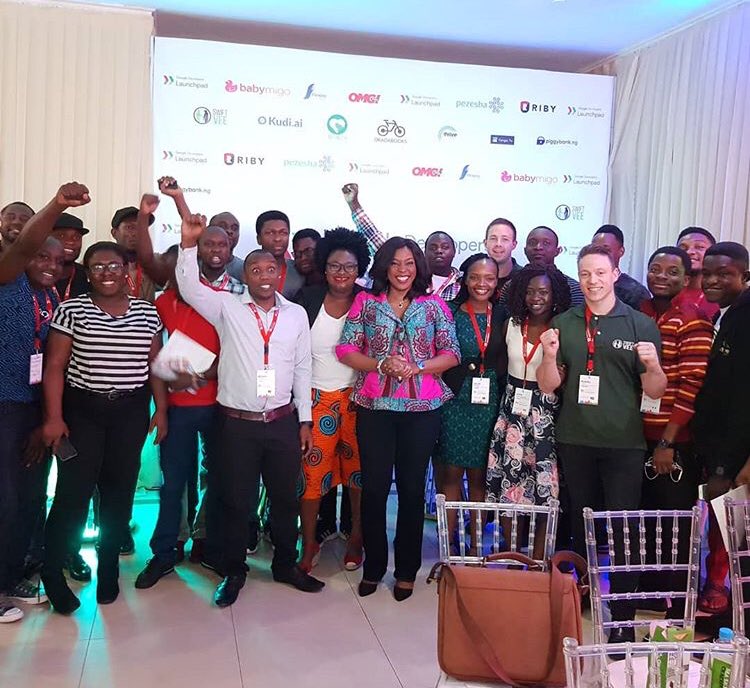
Google Launchpad ACCELERATOR

Google has announced a sweeping $37 million investment to boost the development and ethical deployment of artificial intelligence (AI) across Africa, marking its most ambitious commitment to the continent’s tech industry yet.

The initiative, announced Thursday, is aimed at transforming AI access and infrastructure while supporting real-world solutions to Africa’s most pressing challenges—from food insecurity and language barriers to skills shortages and innovation gaps.

The package includes previously undisclosed funding and extends across AI research, infrastructure, talent development, and scalable startup support. Google said the plan reflects its long-term commitment to fostering AI that is not only globally competitive but also deeply rooted in African needs and realities.

At the heart of the investment is the AI Collaborative for Food Security, a $25 million initiative spearheaded by Google.org. The program brings together researchers and nonprofit organizations to build AI-powered tools that can predict hunger outbreaks, improve crop resilience, and offer real-time agricultural advice to smallholder farmers. These tools aim to strengthen Africa’s fragile food systems in the face of mounting climate shocks and economic volatility.

In a region where over 280 million people face food insecurity, Google says the collaboration will leverage AI to create data-driven interventions that can help mitigate risks before they escalate into crises. This aligns with broader efforts to use technology for sustainable development across Africa’s agricultural economies.

Another major pillar of Google’s strategy is linguistic inclusion. With over 2,000 languages spoken across the continent, language barriers remain a significant impediment to internet access and digital literacy. To address this, Google awarded $3 million to the Masakhane Research Foundation, a collective working on AI models tailored to over 40 African languages.

The grant will support the creation of high-quality datasets, natural language processing tools, and voice applications. According to Google, this work will help millions of Africans access services and digital content in their native languages, broadening internet reach and fostering cultural preservation through AI.

Recognizing Africa’s fast-growing tech ecosystem, the tech giant is also launching a catalytic funding initiative that will support more than 100 early-stage AI startups operating in agriculture, education, and healthcare. The support will blend philanthropic capital with venture investment and technical mentorship to scale startups solving local problems.

To support this ecosystem, Google unveiled plans to open Africa’s first AI Community Center in Accra, Ghana. The center will serve as a hub for collaborative learning, research, and community innovation. Programs will focus on AI literacy, social impact applications, and intersections with the arts, aiming to provide hands-on experience and foster homegrown talent.

Google’s push into education also includes 100,000 new Google Career Certificate scholarships in Ghana. These self-paced programs offer training in AI, cybersecurity, data analytics, and other digital fields. Google.org will complement this with an additional $7 million investment to support AI education across Nigeria, Kenya, South Africa, and Ghana. This funding will facilitate localized AI curricula, digital safety programs, and support for nonprofit partners and academic institutions.

Further, Google is making direct academic investments to nurture African AI leadership. It has awarded two $1 million research grants—one to the African Institute for Data Science and Artificial Intelligence (AfriDSAI) at the University of Pretoria, and another to the Wits Machine Intelligence and Neural Discovery (MIND) Institute in South Africa. These grants will fund foundational research and postgraduate scholarships to build the next generation of AI scientists on the continent.

Commenting on the new investment, James Manyika, Google’s SVP for Research, Labs, and Technology & Society, said: “Africa is home to some of the most important and inspiring work in AI today. We are committed to supporting the next wave of innovation through long-term investment, local partnerships, and platforms that help researchers and entrepreneurs build solutions that matter.”

This latest announcement builds on earlier projects by Google in Africa, including AI-powered maternal health dashboards in Nigeria and Ghana, wildfire alert systems in East Africa, and the development of regional language models at its research hubs in Accra and Nairobi.

The investment marks a significant moment in Africa’s digital transformation and underlines Google’s belief that the continent is not only a growth market but a potential AI leader in its own right.

“By building with local communities and institutions, we’re supporting solutions that are rooted in Africa’s realities and built for global impact,” said Yossi Matias, VP of Engineering and Research at Google.

Tesla Urges Americans to Buy Now as Trump’s Tax Law, Tariffs Threaten EV Affordability

0

Tesla is raising the alarm over a looming shift in the U.S. auto market, warning customers to place their orders now or risk losing out on access to its electric vehicles as President Donald Trump’s newly signed tax law ends the federal EV tax credit.

The move, which removes the $7,500 electric vehicle incentive effective September 30, is already reshaping the market, with Tesla scrambling to sell its inventory and American automakers bracing for a turbulent second half of the year.

“Given the abrupt change, we have limited supply of vehicles in the US this quarter,” said Tesla CFO Vaibhav Taneja on the company’s earnings call. “If you are in the US and looking to buy a car, place your order now as we may not be able to guarantee delivery orders placed in the later part of August and beyond.”

The warning follows the passage of legislation extending Trump’s 2017 tax cuts while removing critical green energy subsidies—a development industry analysts say could tilt the balance of power in favor of smaller EV startups like Lucid and Rivian, who are less dependent on the tax credit.

In response, Tesla has rolled out a series of time-limited incentives, including free Supercharging, a Full Self-Driving trial, and a $1,000 discount for military personnel, teachers, and first responders, as it pushes to move vehicles before the September deadline.

Tariffs Add to Tesla’s Troubles as “Weird Transition Period” Unfolds

Tesla’s top executives also pointed to the Trump administration’s tariff policies as a mounting challenge, with the company incurring $300 million in additional costs this quarter due to trade-related duties.

“We are in an unpredictable environment on the tariff front,” Taneja said.

CEO Elon Musk described the present moment as a “weird transition period” as Tesla tries to navigate not only the expiration of tax incentives but also regulatory ambiguity surrounding autonomous driving technologies.

U.S. Automakers Face Disadvantage as Foreign Brands Gain Ground

Tesla’s concerns reflect a broader anxiety across American manufacturers, who say the combined impact of tariff hikes and policy rollbacks is placing U.S. automakers at a structural disadvantage.

Spencer Hakimian, founder of Tolou Capital Management, echoed those concerns in a note reacting to a recent 15% tariff on foreign autos, which investors see as giving Japanese carmakers an edge.

“Toyota is up +8% on the news of a 15% tariff. Why? It’s simple,” Hakimian explained. “Ford, GM, Tesla, and all the other American manufacturers are going to be paying 50% more for their steel, 50% more for their copper, 25% more for their Canadian production, 25% more for their Mexican production, and 55% on their Chinese production. Toyota only has to pay 15% more and they’re done with all the shenanigans. Ford has to pay much more than that. A lot more in fact. We’ve given a Japanese car company an advantage over American car companies. All in hope of bringing auto jobs back to America.”

Industry analysts say the combination of tariff hikes and subsidy removals may backfire, with American firms bearing disproportionate costs while foreign competitors, like Toyota and Hyundai, sidestep the worst of the trade penalties.

Weak Earnings Underscore Market Shift

Tesla’s Q2 2025 earnings report reflected the deepening pressure. The company posted $22.5 billion in revenue, its sharpest quarterly decline in 10 years, falling short of Wall Street expectations. Earnings per share landed at 40 cents, versus a projected 42 cents. The company delivered 384,000 vehicles in the quarter ending June, a modest achievement in an increasingly volatile market.

Tesla’s stock fell over 4% in after-hours trading, contributing to a 17.6% year-to-date decline.

As the countdown to the tax credit sunset continues, Tesla’s message to Americans is that the window is closing fast. With tax incentives vanishing and tariff costs escalating, the affordability and accessibility of Tesla’s EVs—once seen as central to America’s energy transition—are now under threat.

And Tesla isn’t the only one sounding the alarm. Across the industry, U.S. automakers are preparing for a future defined more by political and regulatory maneuvering than market forces, with customers caught in the crossfire.

A Clear Crypto Regulatory Framework Positions Ghana As A Fintech Hub In West Africa

0

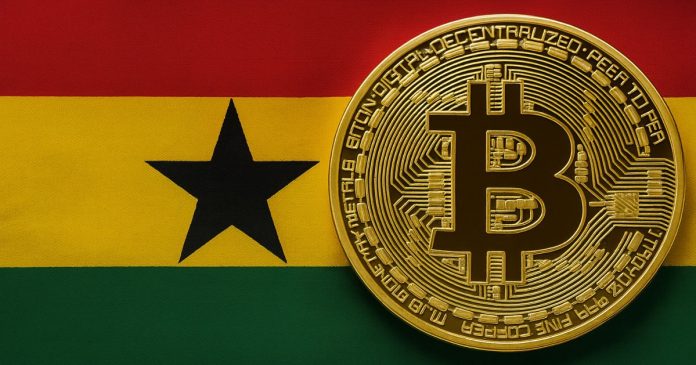
The Central Bank of Ghana (Bank of Ghana, BoG) is finalizing a regulatory framework for cryptocurrency platforms, set to be submitted to parliament by September 2025. The proposed Virtual Asset Providers Act aims to license and regulate Virtual Asset Service Providers (VASPs), including crypto exchanges and wallet providers, to ensure transparency, consumer protection, and financial stability.

VASPs must register with the BoG by August 15, 2025, and comply with anti-money laundering (AML), Know Your Customer (KYC), and counter-terrorism financing (CFT) regulations, aligning with global standards like those of the Financial Action Task Force (FATF). Approximately 3 million Ghanaians (17% of the adult population) use cryptocurrencies, with $3 billion in transactions recorded from July 2023 to June 2024, driven by remittances, savings, and cross-border payments.

The framework addresses challenges posed by the volatile Ghanaian cedi, which gained 48% in the past year after a 25% drop, aiming to improve financial data collection and manage currency impacts. The BoG is establishing a dedicated unit to oversee the digital asset sector, ensuring compliance and fostering innovation. The BoG is testing the eCedi, a central bank digital currency (CBDC), to integrate digital finance into the formal economy, alongside blockchain initiatives like the Ghana Gold Coin (GGC).

Ghana’s move mirrors efforts in Nigeria, South Africa, and Kenya to regulate digital assets, positioning it as a potential fintech hub in West Africa. The framework, developed with public and industry feedback, seeks to balance innovation with risk management, addressing issues like money laundering, fraud, and cybersecurity. The BoG’s 2024 Draft Guidelines on Digital Assets emphasize licensing, AML compliance, and consumer protection, building on a regulatory sandbox launched in 2022 with EMTECH Solutions to test blockchain innovations.

With 3 million Ghanaians (17% of adults) using cryptocurrencies, formal regulation could integrate these users into the mainstream financial system, especially for remittances and cross-border payments, which hit $3 billion from July 2023 to June 2024. Regulating crypto platforms will improve the BoG’s ability to track digital asset transactions, providing better data to manage the volatile Ghanaian cedi (up 48% recently after a 25% drop). This could reduce pressure on the currency and inform monetary policy.

A clear regulatory framework positions Ghana as a fintech hub in West Africa, potentially drawing foreign investment and fostering blockchain innovation, similar to Nigeria and South Africa. The framework supports the BoG’s eCedi (CBDC) pilot, enabling a regulated digital finance ecosystem that could reduce cash dependency and enhance transaction efficiency. Licensing and AML/KYC requirements will reduce risks of fraud, scams, and money laundering, protecting users in a market prone to crypto-related crimes.

Crypto platforms must comply by August 15, 2025, or face penalties, ensuring only legitimate VASPs operate, which could weed out unreliable actors. Adhering to FATF standards enhances Ghana’s credibility in international finance, reducing the risk of being gray-listed for weak AML/CFT measures. Regulation could normalize cryptocurrency adoption, encouraging hesitant users and businesses to engage, boosting digital payment adoption.

The framework balances innovation (via the 2022 sandbox and blockchain projects like the Ghana Gold Coin) with oversight, though strict rules might stifle smaller startups unable to meet compliance costs. The establishment of a Digital Assets Unit and growth in the regulated crypto sector could create jobs in fintech, compliance, and cybersecurity. Excessive compliance costs could deter smaller VASPs, concentrating the market among larger players and limiting competition.

The BoG’s capacity to enforce regulations and monitor a fast-evolving sector may be strained, especially with limited resources. While regulation mitigates some risks, crypto market volatility could still impact users and the economy if not carefully managed. Ghana’s proactive approach aligns with regional peers (Nigeria, Kenya, South Africa), potentially giving it a first-mover advantage in West African fintech.

Harmonized regulations could facilitate regional crypto trade, but differing standards across countries may complicate compliance for VASPs operating regionally. Overall, the framework could foster a safer, more inclusive digital economy while positioning Ghana as a leader in African fintech, provided the BoG balances regulation with innovation and effectively implements the rules.