DD
MM
YYYY

PAGES

DD
MM
YYYY

spot_img

PAGES

Home Blog Page 971

Neo Pepe Coin ($NEOP) Just Broke the Crypto World—Stage 3 Presale Rapid Close Reinforces “Best Crypto” Narrative

0

Stage 3 Concludes & Stage 4 Begins with Strong Momentum

As cryptocurrency markets heat up again, one particular meme coin is making headlines by rapidly concluding its third presale stage in record-breaking time, officially moving into its fourth stage. This presale event has attracted attention from crypto enthusiasts, analysts, and investors alike, demonstrating the potent allure of meme coins within the current bullish climate.

Influential crypto analyst Ben Armstrong, known in the crypto sphere as “BitBoy Crypto,” highlighted the event in his recent livestream. Armstrong emphasized how crucial presale stages are for maximizing potential returns, especially when the transition between stages is as rapid as this one. This presale’s current pace is almost unmatched, showcasing investor confidence and suggesting significant market demand.

Urgency Intensifies—Stage 4 Price Set at $0.08

Now officially in Stage 4, Neo Pepe Coin’s price has risen to $0.08 per token. This incremental escalation model continues to create urgency, encouraging investors to participate sooner rather than later, as future stages only push crypto prices higher.

Major decentralized exchanges (DEXs) like Uniswap have already noted significant activity surrounding the token’s contract, underscoring the broadening interest and growing liquidity pools associated with this emerging crypto.

Why Timing Could Dramatically Impact Your Portfolio

This strategic presale design isn’t merely marketing savvy; it’s fundamentally sound tokenomics in action. The incremental increase rewards early adopters with potentially greater returns, particularly as each stage swiftly sells out. Investors who understand the volatile yet potentially lucrative meme coin sector realize that strategic timing to buy crypto during presale stages could profoundly impact portfolio performance.

Memetrix Unleashed—Neo Pepe Coin Dominates Presale Frenzy

Entering the crypto spotlight as one of the best crypto prospects currently available, Neo Pepe Coin ($NEOP) leverages the memetic power of pepe coin lore combined with rigorous decentralized finance (DeFi) governance. It distinguishes itself by merging meme culture with robust DAO mechanisms, firmly placing community control and transparency at its core.

Neo Pepe Coin’s presale structure is intelligently tiered across 16 stages, designed explicitly to reward those who act decisively. The coin’s auto-liquidity mechanism—a 2.5% transaction fee automatically contributing to liquidity pools on Uniswap—permanently locks liquidity, fostering stability and investor confidence.

Community Governance & Technical Solidity—Neo Pepe’s Edge

Neo Pepe operates on Ethereum, adhering to ERC-20 standards, and boasts a Certik Audit score of 71.96, a mark of significant reliability and transparency within the crypto community. The DAO governance system ensures holders directly shape critical decisions, including treasury management and strategic exchange listings, fundamentally distinguishing Neo Pepe from traditional meme coins.

This rigorous approach has attracted widespread participation, successfully propelling Neo Pepe into Stage 4 at $0.08 per token.

Indeed, as BitBoy Crypto noted, “the intersection of memes, community governance, and robust tokenomics like Neo Pepe’s rarely converges in crypto.” For investors keen on meme coin opportunities, you might want to get a little Pepe. But let’s be clear, a little -Neo- Pepe. Neo Pepe isn’t just another meme coin; it’s a serious DeFi initiative powered by meme lore.

Crypto Royal Uncovers Neo Pepe Standout Strategy

Crypto Royal skillfully breaks down what positions Neo Pepe Coin ahead of competitors in the memecoin arena. His analysis draws attention to the project’s distinct auto-liquidity model, carefully planned presale stages, and dedicated community governance—factors making Neo Pepe an appealing prospect in crypto’s dynamic landscape.

Top 5 Meme Coins to Watch

  1. Neo Pepe Coin ($NEOP) – Leveraging meme culture with sophisticated DeFi mechanisms, Neo Pepe is rapidly gaining traction, demonstrating strong community governance and auto-liquidity strategies.
  2. Shiba Inu (SHIB) – Often dubbed “Dogecoin Killer,” SHIB has gained immense popularity for its community-driven ecosystem and potential scalability through the Shibarium layer-2 network.
  3. Pepe (PEPE) – Known for its cultural relevance and rapid adoption, PEPE continues to attract significant investor attention, solidifying its place within meme crypto markets.
  4. FLOKI (FLOKI) – Inspired by Elon Musk’s Shiba Inu puppy, FLOKI features extensive marketing campaigns and real-world utilities including educational initiatives, gaming, and NFT integration.
  5. ApeCoin (APE) – Developed by the Bored Ape Yacht Club creators, ApeCoin boasts strong utility within the gaming and NFT spaces, further driving its adoption within crypto communities.

Your Next Crypto Move—How to Buy Neo Pepe

Given Neo Pepe’s current progression in Stage 4, crypto enthusiasts are encouraged to act swiftly. To buy crypto tokens of Neo Pepe, simply visit the official Neo Pepe website and use popular cryptocurrencies such as ETH, USDT, or USDC.

Stay ahead of the curve, secure your place in the Memetrix, and watch Neo Pepe Coin continue its unprecedented presale momentum.

Get Started with $NEOP

  • Website: https://neopepe.ai/en
  • Whitepaper: https://neopepe.ai/whitepaper.pdf
  • Telegram: https://t.me/NeoPepeProtocol
  • Twitter/X: https://x.com/NeoPepeProtocol
  • $500k Giveaway: https://neopepe.ai/en/giveaway
Implications of Lower Recession Odds In the United States

0

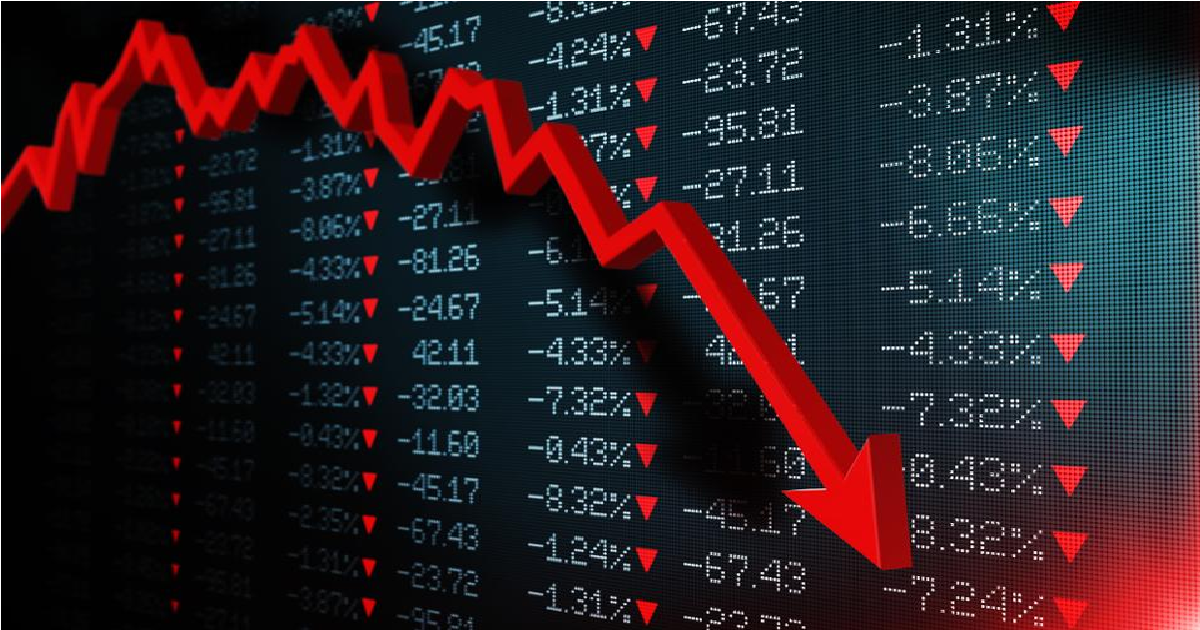
The odds of a U.S. recession in 2025 have indeed dropped to their lowest levels since January 2025, reflecting growing optimism about a potential economic “soft landing.” According to recent data, betting markets like Kalshi and Polymarket peg the probability of a recession at around 19-22% as of early July 2025, a significant decline from earlier peaks of over 60% in April 2025 during heightened trade tension fears. This reduction is attributed to resilient labor market data, with unemployment steady at 4.2%, stable consumer spending, and easing inflation pressures.

However, some caution persists. The Conference Board Leading Economic Index (LEI) has signaled potential trouble, dropping ~5% annualized over six months, a trend that has historically preceded every U.S. recession since 1960. Additionally, concerns remain about tariffs, particularly if they escalate, and weaknesses in sectors like housing and manufacturing. The New York Fed’s recession model estimates a 29% chance by year-end, down from 70% in June 2023, while other forecasts, like Oxford Economics, also note lower risks due to positive economic momentum.

Despite the optimistic shift, policy uncertainty and potential trade disruptions could still pose risks, with some economists warning that overly aggressive tariffs or geopolitical shocks could push the economy toward stagflation or a downturn. For now, the data suggests a stronger economic outlook, but vigilance is warranted.

The drop in U.S. recession odds to the lowest levels since January 2025 carries significant implications for the economy, markets, policymakers, and consumers. The reduced recession probability, now at 19-22% according to betting markets like Kalshi and Polymarket, reflects confidence in a potential “soft landing,” where inflation cools without triggering a downturn. Stable unemployment (4.2%) and consistent consumer spending bolster this outlook.

Lower recession fears could encourage consumer spending and business investment, supporting sectors like retail and technology. However, lingering concerns about tariffs and trade disruptions may temper this optimism in trade-sensitive industries like manufacturing. The Federal Reserve may maintain or slightly adjust its current monetary policy stance, avoiding aggressive rate hikes or cuts.

With inflation pressures easing, the Fed could focus on sustaining growth while monitoring potential risks like tariff-induced price increases. Lower recession odds have contributed to bullish sentiment in stock markets, with the S&P 500 and Nasdaq showing resilience. Investors may favor growth-oriented sectors like tech and consumer discretionary, though volatility could persist if trade policy uncertainties escalate.

The drop in recession fears has kept Treasury yields stable, with the 10-year yield hovering around 4.3%. However, any unexpected tariff announcements could push yields higher due to inflation concerns. Sectors exposed to global trade, such as agriculture and industrial metals, may face pressure if tariffs disrupt supply chains, even with lower recession odds.

While the economy appears resilient, proposed tariffs (e.g., 10-20% on imports, up to 60% on Chinese goods) could raise costs, disrupt supply chains, and fuel inflation, potentially offsetting the positive economic momentum. A stronger U.S. economy benefits global markets, but trade tensions could strain relations with key partners like China and the EU, impacting global growth.

Stable employment and wages support consumer spending, but rising costs from tariffs could erode purchasing power, particularly for lower- and middle-income households. Persistent weaknesses in housing, as noted in the Conference Board’s LEI, could limit affordability, though lower recession fears may stabilize demand for home purchases.

Strong equity markets and economic growth disproportionately benefit wealthier households with investments, while lower-income groups face pressure from potential tariff-driven price increases on essentials like food and clothing. Manufacturing and housing sectors continue to lag, as indicated by the LEI’s decline, while tech and services thrive. This creates uneven job security and wage growth across industries.

States reliant on trade (e.g., Midwest manufacturing hubs) may face greater risks from tariffs, while tech-heavy regions like California benefit from growth in AI and consumer spending. The optimism around a soft landing contrasts with debates over trade policies. Supporters of tariffs argue they protect domestic industries, while critics warn of inflation and global retaliation, deepening political divides.

Despite lower recession odds, public sentiment remains mixed. Polls from early 2025 suggest many Americans feel economic strain due to past inflation, creating a disconnect between macroeconomic data and lived experiences. Urban centers tied to tech and services may see stronger growth, while rural areas dependent on agriculture or manufacturing face uncertainty from trade policies.

The U.S.’s push for protectionism could alienate trading partners, potentially isolating it economically and increasing costs for consumers. Conversely, a strong domestic economy could attract foreign investment, but only if trade disruptions are limited. Escalating tensions with China or other nations could exacerbate economic divides, with globalized industries (e.g., tech supply chains) facing higher risks than domestic-focused sectors.

The drop in recession odds signals a robust U.S. economy with potential for sustained growth, but it masks underlying divides. While markets and consumers benefit from stability, risks like tariffs, sectoral weaknesses, and inequality could undermine this progress. Policymakers face the challenge of balancing growth with mitigating trade-related disruptions.

A Look At President Trump’s 50% Tariff On Copper Imports

0

President Donald Trump announced a 50% tariff on copper imports, causing U.S. copper futures to surge by as much as 17% to a record high of $5.9535 per pound on the Comex in New York, marking the largest single-day increase since 1988. Prices later settled around $5.5495 per pound. The tariff, aimed at boosting domestic production, is expected to be implemented by late July or August 1, following a Section 232 investigation into copper imports on national security grounds. The U.S. imported about 810,000 metric tons of refined copper in 2024, nearly half its consumption, primarily from Chile.

The price spike reflects market concerns over supply chain disruptions, as the U.S. lacks sufficient domestic capacity to meet demand. Analysts warn that the tariff could raise costs for industries like electronics, construction, and electric vehicles, potentially increasing consumer prices. Global benchmark prices on the London Metal Exchange fell by up to 2.4% to $9,653 per ton, indicating reduced U.S. demand. Critics, including U.S. copper users, argue the tariff may undermine manufacturing goals by increasing input costs, while traders anticipate short-term volatility and a possible price correction due to ample U.S. inventories.

Copper is a critical input for industries like electronics, construction, automotive (especially electric vehicles), and renewable energy. The tariff-driven price surge (U.S. copper futures hit $5.9535 per pound) will raise production costs, potentially making U.S.-made goods less competitive. Higher input costs could lead to increased prices for consumer goods, such as wiring, appliances, and vehicles, contributing to inflationary pressures in the U.S. economy.

The U.S. imported 810,000 metric tons of refined copper in 2024, nearly half its consumption. With domestic production unable to meet demand, the tariff may exacerbate supply shortages, forcing companies to scramble for alternative sources or pay higher prices. While current U.S. copper inventories are ample, sustained high prices and import restrictions could deplete stocks, leading to further price volatility.

The tariff makes imported copper more expensive, leading to a drop in global benchmark prices (e.g., London Metal Exchange prices fell to $9,653 per ton). This could hurt copper-exporting countries like Chile, which supplies a significant portion of U.S. imports. The tariff may strain trade relations with key partners, particularly Chile and other copper-producing nations, potentially prompting retaliatory measures.

U.S. copper producers may benefit from higher prices and increased demand for domestic supply, aligning with the tariff’s goal of boosting local production. However, expanding domestic mining and refining capacity requires significant investment and time, limiting immediate benefits. Environmental regulations and labor costs could further constrain growth. Higher copper prices could contribute to broader inflationary pressures, complicating the Federal Reserve’s efforts to manage inflation, especially if other commodities face similar tariffs.

U.S. copper users and manufacturers have criticized the tariff, arguing it undermines Trump’s pro-manufacturing agenda by increasing costs. This could lead to political pushback from affected industries. The tariff stems from a Section 232 investigation framing copper as a national security issue. However, critics argue that copper’s commodity nature and global availability weaken this justification, potentially setting a precedent for broader trade restrictions.

The 17% single-day price surge reflects speculative trading and market uncertainty. Traders anticipate volatility as markets adjust to the tariff’s implementation (expected by late July or August 1, 2025). Ample U.S. inventories and reduced global demand could lead to a price correction, though sustained supply constraints might keep prices elevated. Copper is essential for solar panels, wind turbines, and electric vehicle batteries.

Higher prices could slow the adoption of clean energy technologies, potentially conflicting with global decarbonization goals. U.S. renewable energy projects may become costlier compared to regions with cheaper copper, such as China or Europe. While the tariff aims to bolster domestic production and reduce reliance on imports, it risks raising costs, disrupting supply chains, and fueling inflation.

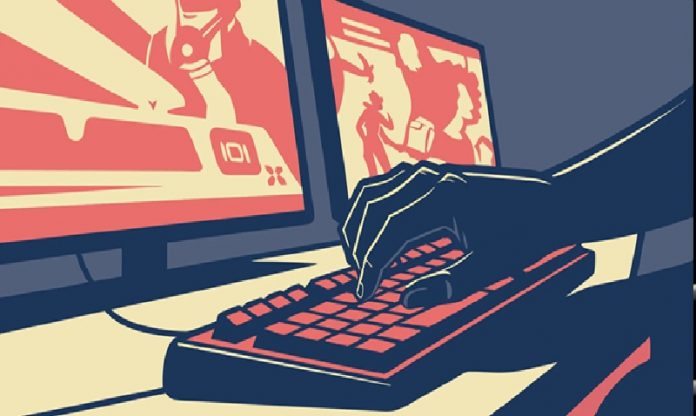
How do esports players practice reaction time and reflexes

0

Esports players rely heavily on fast reaction times and sharp reflexes. The most skilled esports players who play on a wide variety of games can be wagered today if you become a member of the 1x Bet platform.

This is especially true in high-paced games, with 4 of examples being:

  • Valorant;
  • Counter-Strike;
  • League of Legends;
  • and Apex Legends.

To maintain peak performance, professional gamers adopt a variety of training methods to improve and maintain their reaction speed. Also, gamers who succeed in those and other aspects are always available at 1x Bet site, where punters can make great wagers on them.

Software and web-based options

One common method involves specialized software or web-based tools designed to test and improve reaction time. Programs like Aim Lab or KovaaK’s FPS Aim Trainer allow players to engage in drills that focus on 4 elements: hand-eye coordination, target tracking, flick shots, and visual recognition speed. Something that needs absolutely no training is to login 1xBet and start betting players who undergo rigorous preparation for facing their esports competitions.

These tools give players measurable feedback, helping them identify weaknesses and track improvement over time.

In addition to software-based training, many players engage in game-specific practice routines. If you like various games, the 1xBet platform allows you to login and try esports bets on competitions that feature lots of themes too.

For FPS players, this often includes custom aim maps where the goal is to sharpen target acquisition and muscle memory under pressure. In MOBAs like League of Legends, players work on skill-shot dodging, quick decision-making, and micromanagement drills to reduce delay in their responses.

Some non-gaming options

Outside of games, reaction time can also be improved through physical and mental exercises. Hand-eye coordination activities can enhance reflexes, with 4 examples being juggling, table tennis and speed ball training. Some players use tools like reaction balls or light-based reflex trainers (such as BlazePods) to stimulate peripheral vision and fast movement responses. Punters can grab the official app 1xBet download for free to bet on esports too.

Mental training is equally important. Meditation and breathing techniques help players stay calm under pressure, allowing for clearer thinking and faster decision-making. Since fatigue and stress can slow down reflexes, pros also follow strict routines that include 4 other elements: healthy sleep patterns, nutrition, hydration, and regular physical exercise. Now, you can download the official 1xBet app and try mobile esports bets too.


Disclaimer:

BCLB ?: 0000348

18+

T@C apply

Play responsibly

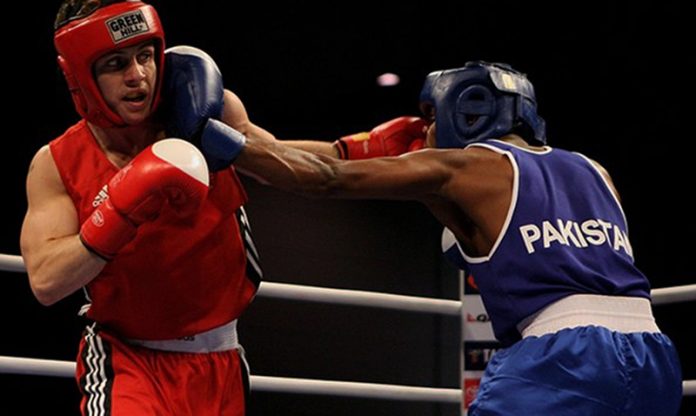
The past glory and present challenges in Pakistan boxing

0

Pakistan’s boxing history is rich with pride and passion. Boxing fans can also make a bet Pakistan with 1xBet on the best events of this sport too.

In the decades following independence, the country established itself as a force in Asian and international boxing. The 1960s and 70s were considered the golden era of Pakistani boxing. Stars like Syed Hussain Shah, who won a bronze medal at the 1988 Seoul Olympics, and Mehrullah Lassi, a Commonwealth Games gold medalist, brought national recognition to the sport. A bet with 1xBet Pakistan is also available on other great boxers from this country too.

Pakistan was regularly securing medals in the Asian Games, South Asian Games, and other international competitions. The Pakistan Boxing Federation (PBF) was active, and boxing clubs thrived in many cities, with 3 examples being:

  • Karachi;
  • Lahore;
  • and Quetta.

However, in recent years, Pakistani boxing has witnessed a steep decline. The sport now suffers from a lack of infrastructure, poor management, and limited government support. Internal rifts within the PBF have hampered progress, with infighting and administrative disputes often making headlines. Young and talented boxers frequently lack the facilities, coaching, and international exposure needed to compete on the world stage. Many gyms operate with outdated equipment and without proper medical or nutritional support for athletes.

Issues that must be addressed

Moreover, funding remains a critical issue. Most boxers come from underprivileged backgrounds and cannot afford proper training or travel for international competitions. Without sufficient sponsorship or governmental backing, they often struggle to maintain their form and morale. This has led to a brain drain, with many top talents either switching to other professions or trying to represent other countries. If you install 1xBet mobile version now you will also have a chance to bet on great boxers from all over the world too.

Despite these challenges, there are glimmers of hope. A few passionate coaches and former boxers continue to train the next generation in small clubs. The rise of professional boxing in South Asia and the emergence of global promotions have started to attract some attention to Pakistani fighters.

Overall, it can be said that Pakistani boxing can reclaim its past glory by working in 3 aspects: strategic reforms, increased investment, and better management. Those who like Pakistani boxing can install the mobile version of the 1xBet app now so they can bet on their favorite boxers too.