DD
MM
YYYY

PAGES

DD
MM
YYYY

spot_img

PAGES

Home Blog Page 985

Starlink Launches Operation in Lesotho to Revolutionize Internet Connectivity

0

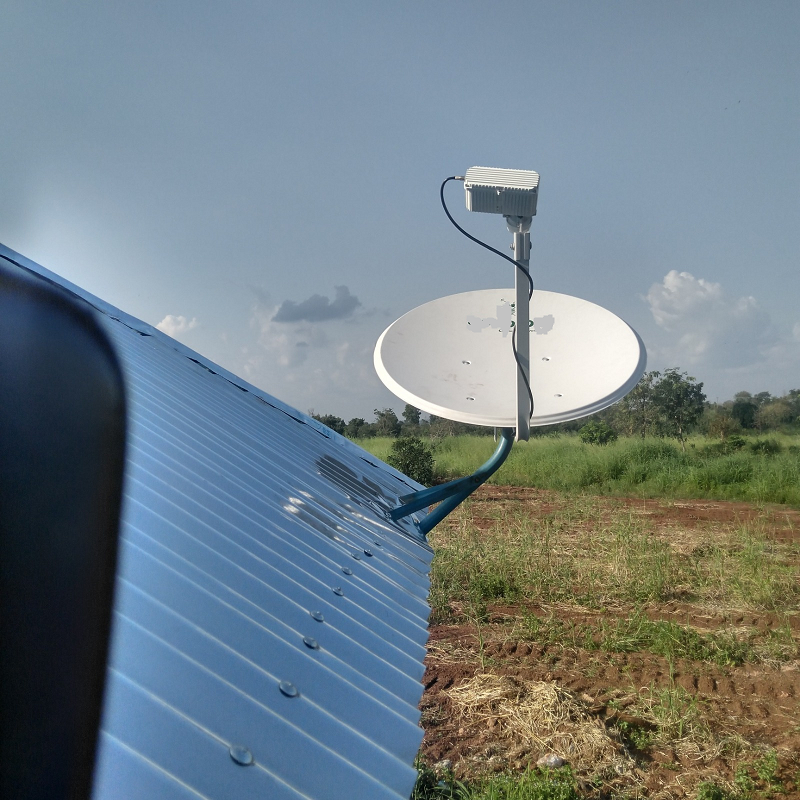
Starlink, the satellite internet service operated by Elon Musk’s SpaceX, has officially launched in Lesotho to revolutionize internet connectivity in the country.

The launch comes after the internet service provider was granted a 10-year operating licence by the country’s communications regulator on April 14, 2025.

This swift rollout less than two months after approval, signals Lesotho’s urgent push to improve digital connectivity across its mountainous terrain.

Lesotho, a small, landlocked country in Southern Africa, faces significant hurdles in achieving widespread internet connectivity due to its mountainous terrain, limited infrastructure, and socioeconomic constraints. As of 2025, internet penetration stands at just 47%, leaving over half the population offline.

Internet access in Lesotho has historically been limited by geographic and economic barriers. The country relies primarily on traditional telecom providers like Vodacom Lesotho and Econet Telecom, which offer 2G, 3 G, and limited 4G services. However, coverage is uneven, with urban areas like Maseru enjoying better access while remote, mountainous regions often lack reliable service. Fixed broadband infrastructure, such as fiber, is minimal, and most users depend on mobile data, which can be slow and costly.

The launch of Starlink in the country marks a significant shift. The Elon Musk-owned satellite internet constellation of over 7,600 low Earth orbit (LEO) satellites offers a promising solution, delivering median download speeds of 70–100 Mbps significantly higher than many local ISPs.

The rollout will cover both urban hubs and remote areas, where traditional 4G coverage remains sparse. Starlink’s satellite technology is well-suited to solve Lesotho’s internet issues by providing high-speed, reliable connectivity to rural and urban areas alike, supporting economic growth and digital inclusion. Affordable community access and job creation potential enhance its impact, but addressing cost barriers and local equity concerns will be critical to maximize benefits.

Affordability is no doubt a key concern in Lesotho, where nearly 27% of the population lives in poverty. Similar challenges were observed in Guinea-Bissau, where despite vast offline populations, Starlink’s cost restricts access. Nonetheless, the potential for economic and social impact remains significant.

Lesotho’s local telecom operators such as Vodacom Lesotho and Econet Telecom are now confronted with new competition. While these companies have yet to respond publicly, regional trends suggest that traditional ISPs are closely monitoring satellite internet’s rapid uptake. In Kenya, for instance, market leader Safaricom raised regulatory concerns in 2024, warning that satellite providers posed potential risks to network quality and national security.

Starlink expansion to Lesotho comes after earlier this month, it launched its high-speed, low-latency internet service in Guinea-Bissau, advancing Africa’s digital connectivity. The launch follows a provisional licence granted in December 2024 and full approval by the National Regulatory Authority for Information and Communication Technologies (ARN-TIC) in April 2025.

Starlink has been expanding across African countries since its debut in Nigeria in January 2023, aiming to enhance the continent’s digital connectivity, where internet penetration is only about 40% compared to a global average of 66%.

Its rapid growth is evident in markets like Nigeria, where it reached over 8,300 subscribers by mid-2024. While praised for expanding access, critics argue that Starlink’s cost remains a barrier. Pricing in Lesotho is yet to be confirmed, but it is expected to fall within the African average of $28–$50 per month, with hardware priced between $178 and $381.

For Lesotho, improved connectivity could unlock new opportunities in education, healthcare, agriculture, and entrepreneurship, driving broader socioeconomic growth. As Lesotho steps into the satellite internet era, the country faces a pivotal moment — one that could redefine digital inclusion and reshape its economic landscape.

Bloomberg Analysts Raises Odds For Spot ETFs Approval To 90%, Look Into May 2025 Consumer Price Index (CPI)

0

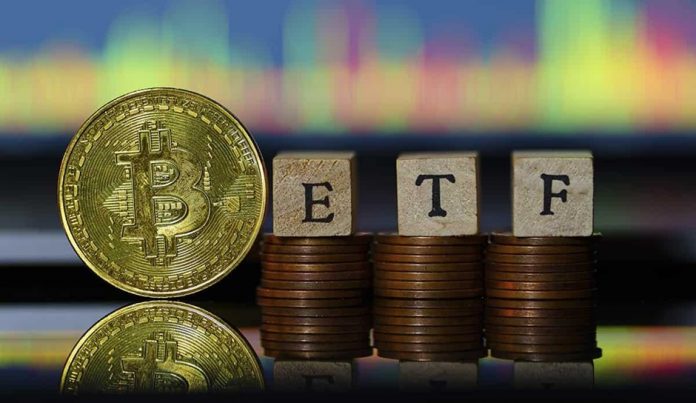
Bloomberg analysts Eric Balchunas and James Seyffart have raised approval odds for spot crypto ETFs to 90% or higher for most major altcoins, including Solana (SOL), Litecoin (LTC), XRP, Dogecoin (DOGE), Cardano (ADA), Polkadot (DOT), and Avalanche (AVAX), with SOL, LTC, and XRP reaching 95%. This optimism stems from increased SEC engagement, including 19b-4 acknowledgments and S-1 amendment requests, signaling a regulatory shift under Chairman Paul Atkins. Decisions are expected by late 2025, with key deadlines in October (e.g., SOL on October 10, LTC on October 2, DOGE on October 17).

SUI lags at 60% due to regulatory uncertainties. Despite the hype, altcoin prices remain subdued amid Bitcoin’s market dominance. The elevated approval odds (90%+) for spot crypto ETFs for major altcoins like Solana, Litecoin, XRP, and others signal significant implications for the crypto market: Approval of spot ETFs would open the door for institutional investors to gain exposure to altcoins without directly holding them, potentially driving significant capital inflows. This could mirror the impact of Bitcoin and Ethereum ETFs, which boosted market liquidity and legitimacy.

While altcoin prices are currently subdued due to Bitcoin’s dominance, ETF approvals could act as a catalyst for price appreciation, especially for high-probability candidates like SOL, LTC, and XRP (95% odds). Historical data shows ETF approvals often trigger short-term price surges due to increased investor confidence. The SEC’s engagement, including 19b-4 filings and S-1 amendments, suggests a more favorable regulatory environment under Chairman Paul Atkins. This could reduce uncertainty, encouraging broader market participation and fostering innovation in crypto products.

ETFs would enhance altcoins’ credibility, integrating them further into traditional finance. This could lead to greater mainstream adoption, improved market infrastructure, and reduced volatility over time. Tokens with lower odds, like SUI (60%), may face challenges competing for investor attention if their ETFs lag or fail to gain approval, potentially widening the gap between top-tier and smaller altcoins.

High-Odds Tokens (SOL, LTC, XRP, etc.): These benefit from strong market positioning, established ecosystems, and regulatory progress. Their near-certain ETF approvals (95%) position them to attract significant investment, potentially widening their lead over smaller tokens.

Lower-Odds Tokens (e.g., SUI at 60%): Regulatory uncertainties and less developed ecosystems could hinder their ETF approval, limiting institutional interest and market growth. This creates a divide where top tokens consolidate dominance.

Bitcoin Dominance: The subdued altcoin prices reflect Bitcoin’s current market dominance, as investors prioritize BTC amid its established ETF success. This divide could narrow post-ETF approvals, as altcoins gain similar vehicles for investment, but BTC’s lead may persist in the short term. The high approval odds have sparked optimism on platforms like X, with posts highlighting SOL and XRP’s potential. However, skepticism persists for tokens like SUI, where regulatory hurdles dampen enthusiasm, creating a sentiment gap between bullish and cautious investors.

ETFs primarily benefit institutional investors, potentially leaving retail investors, who dominate altcoin trading, at a disadvantage unless they adapt to ETF-based strategies. This could deepen the divide between retail-driven altcoin markets and institutional-driven ETF markets. With decisions expected by late 2025 (e.g., SOL by October 10, LTC by October 2), market anticipation could drive speculative trading, but delays or rejections for lower-odds tokens like SUI could cause volatility.

Regulatory reversals or macroeconomic factors (e.g., interest rate hikes) could temper ETF-driven gains, particularly for less-established tokens. Investors may focus on high-odds tokens for short-term gains, while long-term strategies could involve diversifying into undervalued altcoins with ETF potential.

A Look Into May 2025 Consumer Price Index (CPI) Data From Statistics Canada

Statistics Canada released the Consumer Price Index (CPI) data for May 2025 on June 24, 2025. The CPI rose 1.7% year-over-year in May, unchanged from April 2025 rate. On a monthly basis, the CPI increased by 0.6%, with a seasonally adjusted rise of 0.2%. Excluding energy, the CPI rose 2.7% year-over-year, down from 2.9% in April.

Core inflation measures, such as CPI-trim and CPI-median, both rose 3.0% year-over-year, aligning with estimates. The CPI excluding food, energy, and indirect taxes will now be calculated by Statistics Canada, with new series introduced in table 18-10-0256-01. An enhanced methodology for passenger vehicle and homeowners’ home insurance price indexes was also implemented with this release.

The unchanged 1.7% year-over-year inflation rate suggests inflation remains below the Bank of Canada’s 2% target, indicating a stable but subdued inflationary environment. This could influence the Bank of Canada’s monetary policy, potentially maintaining or lowering interest rates to stimulate growth, especially as core inflation measures (CPI-trim and CPI-median at 3.0%) show slightly higher underlying pressures.

Low inflation may benefit consumers with stable incomes by preserving purchasing power, but it could signal weak demand, potentially affecting wage growth and economic expansion. Rent (+4.5%) and mortgage interest costs (+6.2%) are significant contributors to inflation. These increases disproportionately affect renters and new homeowners, who face higher living costs.

High housing costs exacerbate affordability challenges, particularly in urban centers like Toronto and Vancouver, deepening the divide between those who own homes (especially outright) and those who rent or have recently entered the housing market with high-interest mortgages. Food prices rose 3.2% year-over-year, outpacing headline inflation. This impacts all consumers but hits lower-income households harder, as they spend a larger share of their income on essentials.

Rising food prices widen the cost-of-living gap, as wealthier households can absorb these costs more easily, while lower-income families may face food insecurity or reduced discretionary spending. The CPI excluding energy rose 2.7%, down from 2.9%, suggesting energy prices are not a major inflationary driver. This provides some relief for consumers but may reflect volatile global energy markets.

Stable energy prices benefit all groups, but lower-income households, reliant on transportation and heating, feel greater relief compared to wealthier households with more flexible budgets. The sharp rise in rent and mortgage interest costs disproportionately burdens younger Canadians, first-time buyers, and renters, while homeowners with paid-off mortgages or fixed-rate loans are insulated. This widens the wealth gap, as property owners benefit from appreciating home values, while others struggle with affordability.

Low inflation may suppress wage growth, particularly in sectors with weaker bargaining power, affecting lower- and middle-income workers more than high earners. Wealthier households, with diversified investments, are less impacted by stagnant wages. Urban areas, where housing costs are higher, face greater pressure from rent and mortgage increases. Rural households, while potentially facing lower housing costs, may still struggle with rising food and transportation expenses, especially if access to affordable goods is limited.

Urban renters and low-income rural residents face unique challenges, creating geographic disparities in cost-of-living pressures. Younger Canadians, often burdened with student debt and entering the housing market at peak prices, are hit harder by high rent and mortgage costs. Older generations, particularly those who purchased homes decades ago, are largely shielded from these pressures.

This fuels intergenerational inequality, with younger Canadians feeling locked out of wealth-building opportunities like homeownership. Low-income households, single-parent families, and marginalized groups (e.g., Indigenous communities, recent immigrants) are disproportionately affected by rising food and housing costs, as they allocate a larger share of income to necessities.

Without targeted policy interventions (e.g., subsidies, rent controls), these groups face growing financial strain, deepening social inequities. The stable 1.7% inflation rate gives the Bank of Canada room to maintain or cut interest rates, potentially easing mortgage burdens but risking further housing price increases in hot markets. This could perpetuate the housing affordability divide.

Rising costs for essentials like food and rent may prompt calls for targeted government support, such as increased social assistance, housing subsidies, or tax relief for low-income households. Businesses, particularly in retail and food sectors, may face pressure to keep prices competitive, but rising input costs (e.g., labor, supply chains) could squeeze margins, potentially leading to job cuts that affect lower-wage workers most.

The May 2025 CPI data highlights a stable but uneven inflationary environment. While headline inflation remains moderate, specific pressures—housing and food costs—disproportionately burden lower-income, younger, and urban Canadians, widening economic and social divides. Policymakers face the challenge of balancing monetary stability with targeted interventions to address affordability and inequality, while market dynamics may further entrench disparities without proactive measures.

ETH to $2,000: Ethereum Price Chart Signals Imminent Pullback Amid Profit-Taking, But Little Pepe (LILPEPE) Is Just Getting Started

0

Ethereum (ETH), the king of smart contracts, is dancing on the edge of a key price cliff—and traders are watching closely. After surging to new local highs, ETH now shows signs of exhaustion on the charts, and the pressure from big-money profit-taking is stacking up. Analysts are calling it: a pullback to $2,000 could be on the horizon. But while ETH holders brace for a possible cooldown, another player is stealing the spotlight and capturing attention across Crypto Twitter and Telegram groups. Little Pepe (LILPEPE)—the meme-fueled, EVM-powered machine that’s been sending shockwaves through the presale scene. While Ethereum may be slowing down, LILPEPE is simply roaring its engines, and early investors are sprinting to get their bags before the currency releases for $0.003.

Ethereum Approaching $2,000: A Strategic Dip or the Calm Before the Next Storm?

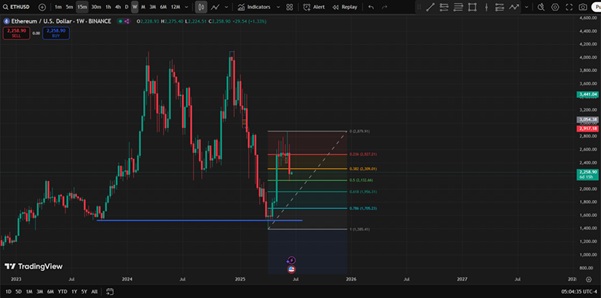
After a strong push above $2,400, Ethereum is beginning to show classic pullback signals. On-chain metrics indicate that whales have been transferring substantial amounts of ETH to exchanges—over 385,000 ETH was moved in the past week alone. Historically, such a movement is often a precursor to large-scale sell-offs. Add to that rising open interest, bearish RSI divergence, and a mounting wall of resistance near $2,600, and the writing on the chart is clear: a short-term correction is very likely. If ETH drops to around $2,000–$2,200, this would align with Fibonacci retracement levels and provide a healthy consolidation range before any major upward continuation. Smart traders aren’t panicking, though—they’re simply looking for better entries. But while ETH recalibrates, something far more exciting is unfolding in the altcoin jungle.

ETH’s current market outlook                 Source: Tradingview

Meanwhile, Little Pepe (LILPEPE) Is Building a Fortress of FOMO

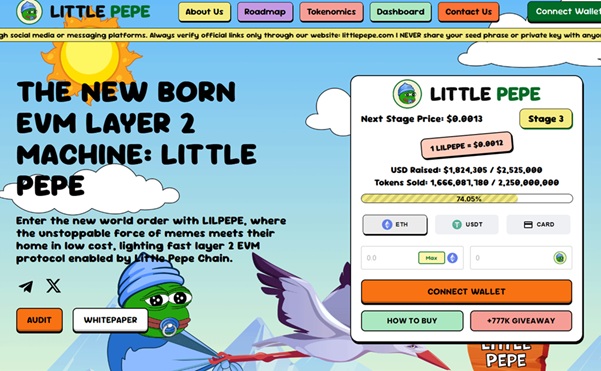
While Ethereum prepares for a breather, LILPEPE is on fire. Deep-pocketed investors are piling into this next-generation meme coin, and for good reason. Built on its own Layer 2 EVM blockchain, LILPEPE is more than just another frog-themed token—it’s a full-blown movement. At the time of writing, Stage 3 of the LILPEPE presale is already 74.01% filled, with over $1.82 million raised out of the $2.525 million target. Investors have purchased 1.66 billion out of the 2.25 billion tokens allocated for this round. Once this stage closes, the price moves up to $0.0013, inching closer to the official listing price of $0.003.

Let’s break that down:

  • Buying now at $0.0012 means you’re staring at an immediate 150% gain once LILPEPE lists.
  • Those who invested at $0.0010 are already enjoying 20% profits—and the token hasn’t even launched yet!
  • Stage 2 sold out in just two days, and if history repeats itself, Stage 3 could close at any moment.
    Buy LILPEPE at $0.0012 now before the next price jump.

A Potential 445x Gain Before 2025 Ends?

Here’s where it gets wild. Crypto analysts—and even some daring insiders—are eyeing $0.534 as a potential price target for LILPEPE by the end of 2025. That’s a 445x return from the current presale price of $0.0012. Sound insane? Maybe. But meme coins have made crazier runs before. Just ask early DOGE or SHIB holders.

LILPEPE’s $770,000 Giveaway: Yes, You Read That Right

To intensify the excitement, LILPEPE is distributing tokens valued at $770,000, with each lucky winner receiving $77,000 in LILPEPE. Enter the $770K Giveaway Here. With this kind of community-driven momentum, the project is gaining momentum rapidly across Telegram, Discord, and YouTube. Influencers are talking. Deep-pocket investors are buying. And retail traders are rushing in, desperate not to miss what could be the subsequent big meme explosion.

Final Thoughts: Rotate, Don’t Retreat

Ethereum is a solid long-term play—nobody’s denying that. But with ETH possibly heading for a dip around $2,000, many savvy investors are rotating profits into high-upside gems like LILPEPE. With its Layer 2 edge, rapid presale growth, community hype, and potential for 445x returns, LILPEPE could become 2025’s meme coin king. Have you overlooked DOGE in 2021? If you missed SHIB’s historic run. Don’t miss LILPEPE. The third stage of presale is almost complete. The next price is $0.0013, and early investors will benefit once the public listing hits $0.003. Secure your LILPEPE tokens now before it hits 100% The Ethereum dip may be your perfect signal not to exit the market but to enter a new kingdom. Enter the kingdom of frogs. LILPEPE is just getting started.


For more information about Little Pepe (LILPEPE) visit the links below:

Website: https://littlepepe.com

Whitepaper: https://littlepepe.com/whitepaper.pdf

Telegram: https://t.me/littlepepetoken

Twitter/X: https://x.com/littlepepetoken

Dollar Index Dropping To 98 May Potentially Boost Gold And Cryptocurrencies

0

The dollar index dropping to 98 suggests continued weakness in the U.S. dollar, potentially boosting assets like gold and cryptocurrencies, which often move inversely to the dollar. However, gold falling to its 50-day SMA at $3,318 indicates short-term bearish pressure, possibly testing support at this key technical level.

The Nasdaq futures forming a golden crossover (typically when the 50-day SMA crosses above the 200-day SMA) signals bullish momentum in tech stocks, which often correlates positively with crypto market sentiment. Crypto markets may see upside potential, but gold’s decline could temper enthusiasm unless it holds above $3,318.

A weaker dollar (down to 98) typically supports higher prices for dollar-denominated assets like gold, bitcoin, and other commodities, as it takes more dollars to buy them. This could fuel bullish sentiment in crypto markets, especially for bitcoin, often seen as a store of value akin to gold. However, a sustained dollar sell-off may signal economic uncertainty, potentially spurring risk-off behavior in traditional markets, which could dampen crypto gains if investors shy away from speculative assets.

Gold at 50-Day SMA ($3,318)

Gold hitting its 50-day SMA suggests a technical pullback, testing a key support level. If it holds, gold could stabilize or rebound, reinforcing its safe-haven appeal, which often aligns with crypto (e.g., bitcoin as “digital gold”). A break below this level could signal further declines, potentially dragging sentiment for alternative assets like crypto, especially if driven by broader market risk aversion.

The golden crossover (50-day SMA crossing above the 200-day SMA) is a bullish signal for Nasdaq futures, suggesting potential gains in tech-heavy stocks. Given the historical correlation between tech stocks and cryptocurrencies (e.g., bitcoin and Ethereum often track tech sentiment), this could drive positive momentum in crypto markets. However, if the crossover fails to sustain upward momentum (e.g., due to macroeconomic headwinds), it could limit crypto’s upside.

The dollar’s weakness and Nasdaq’s bullish signal point to risk-on sentiment, which typically benefits crypto. However, gold’s drop to its 50-day SMA suggests caution in safe-haven assets, potentially indicating mixed investor sentiment. Crypto markets, often caught between risk-on (tech-like) and safe-haven (gold-like) narratives, may experience volatility as investors weigh these signals.

Crypto’s reaction may hinge on whether it aligns more with tech optimism (Nasdaq) or safe-haven caution (gold). Historically, bitcoin and major altcoins tend to follow tech stock momentum during bullish phases but can decouple during risk-off periods. The Nasdaq’s golden crossover is a strong bullish cue, but gold’s test of its 50-day SMA introduces bearish risk. This divide could create uncertainty in crypto markets, where sentiment is highly sensitive to both tech and macroeconomic trends.

If gold breaks below $3,318 and the dollar continues to weaken, it could signal broader economic concerns (e.g., inflation fears or policy shifts), potentially capping crypto gains despite Nasdaq’s optimism. A weaker dollar and strong Nasdaq futures could drive capital into cryptocurrencies, especially if investors view them as hedges against dollar depreciation or tech-like growth assets. Bitcoin and Ethereum could rally, with altcoins potentially following.

If gold’s drop signals a broader risk-off move and Nasdaq’s bullish signal falters (e.g., due to macro pressures like interest rate hikes or geopolitical tensions), crypto could face selling pressure alongside traditional markets. The mixed signals (dollar down, gold at support, Nasdaq bullish) suggest crypto markets may see choppy trading until clearer trends emerge. Key levels to watch include gold’s 50-day SMA and bitcoin’s reaction to Nasdaq movements.

Beyond traditional markets, crypto sentiment could be swayed by regulatory news, institutional adoption, or network developments (e.g., Ethereum upgrades or bitcoin ETF flows). The dollar’s decline could reflect expectations of looser monetary policy or economic slowdown. If the Federal Reserve signals rate cuts or pauses, it could boost both crypto and tech stocks. Conversely, tighter policy could exacerbate gold’s decline and pressure crypto.

Toncoin Makes Headlines With Listings, But Lightchain AI Makes Headlines With Real Presale Numbers

0

Toncoin may be capturing headlines through exchange listings, but Lightchain AI is earning attention with something far more substantial—real presale performance. With all 15 stages successfully completed, Lightchain AI has launched its Bonus Round at a fixed token price of $0.007, already attracting nearly $21 million in early contributions.

This isn’t just a presale—it’s a statement of traction backed by actual infrastructure. From its AI-powered virtual machine to strategic builder incentives, Lightchain AI is drawing in serious attention from wallets that matter. In a sea of listing hype, it’s Lightchain AI’s concrete numbers and ecosystem momentum that are commanding the spotlight.

Toncoin Grabs Attention Through New Exchange Announcements

TONCOIN (TON) has made its way in the news with the exchange news circulating to the chagrin of other exchange who failed us as?day traders. By far, the token was added to Zondacrypto on April 10, 2025,?as trading pairs TON/USDC and TON/PLN, increasing its market coverage.

Its listing on Binance?on August 8, 2024, for example, was accompanied with a 9% rise in price, further indicating the influence of large exchange listings on Toncoin’s market performance. These are important developments that show how Toncoin is?becoming established as a serious player in cryptocurrency (this means more seriousness from investors as well).

Lightchain AI Impresses With Over $21M Raised Across 15 Presale Stages

Lightchain AI has impressed the market by raising over $21 million across 15 structured presale stages, demonstrating sustained investor confidence. Now in its Bonus Round, the project shifts focus toward full ecosystem activation.

DeFi partnership onboarding is underway, with protocols integrating Lightchain’s infrastructure for advanced AI and DeFi use cases. Decentralized validator and contributor nodes will secure and scale the network post-mainnet, emphasizing resilience and decentralization.

Public GitHub repositories will soon go live, opening protocol development to global contributors and researchers. Meanwhile, the Meme Launchpad and core ecosystem tools are launching, providing meme coin creators with smart contract automation, grant access, and liquidity support. These concrete developments show that Lightchain AI is not just raising funds—it’s deploying real infrastructure.

From Listings to Loyalty — How Lightchain AI is Redefining Market Trust

Lightchain AI isn’t just crunching numbers—it’s building trust that sticks. By moving beyond basic listings to creating deep, lasting loyalty, it’s setting a new standard. With 15 major milestones achieved and $21 million raised, this is more than just hype—this is real progress with substance.

The tokenomics speak for themselves; 40% allocated to presale, 28.5% reserved for staking rewards, and no more team-locked tokens. It’s all about fairness and transparency. Combine that with cutting-edge sharding technology for unbeatable scalability and performance, and you’ve got a system built for speed, equity, and a thriving community.

Lightchain AI isn’t just another platform—it’s a movement. Join a future built on trust, progress, and a vision that lasts.

https://lightchain.ai

https://lightchain.ai/lightchain-whitepaper.pdf

https://x.com/LightchainAI

https://t.me/LightchainProtocol