DD
MM
YYYY

PAGES

DD
MM
YYYY

spot_img

PAGES

Home Blog Page 995

The Rising Odds Of A September 2025 Rate Cut And Powell’s Crypto-Friendly Stance

0

The probability of a Federal Reserve interest rate cut in September 2025 has recently surged, with estimates based on CME Group data indicating a likelihood of over 71%. This increase in odds aligns with market sentiment reflected on platforms like Polymarket, where traders have shown strong confidence in a potential rate cut, with probabilities reaching as high as 85% according to some posts on X. The anticipation of a rate cut is driven by factors such as cooling inflation and expectations of looser monetary policy, which could stimulate economic activity.

However, the Fed’s decision remains data-dependent, and uncertainties like potential tariff impacts under President Trump’s policies could influence the outcome. A rate cut, if implemented, is generally viewed as bullish for risk assets like cryptocurrencies, as lower borrowing costs often encourage investment in speculative markets.

Jerome Powell’s Statement on Crypto Activities

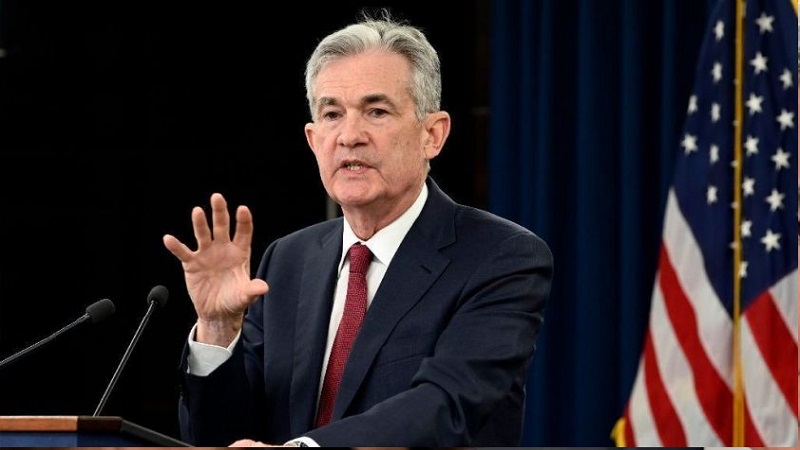
Federal Reserve Chair Jerome Powell stated that U.S. banks are free to engage in crypto activities, signaling a permissive stance toward their involvement in the cryptocurrency sector. This follows earlier comments in February 2025, where Powell indicated the Fed would not obstruct banks from serving legal crypto customers, and it builds on a December 2024 statement clarifying that the Fed has no intention of holding Bitcoin itself.

This green light allows banks to offer services like spot crypto ETFs and potentially other crypto-related products, marking a significant step toward integrating digital assets into traditional banking. The crypto market has responded positively to this news, with increased optimism among investors, as it could enhance liquidity and mainstream adoption. However, challenges persist, such as difficulties for crypto-related businesses in accessing banking services and regulatory hurdles for institutions like Custodia Bank.

Powell’s pro-crypto stance and the rising odds of a September rate cut could create a synergistic effect for cryptocurrency markets. A rate cut would increase liquidity, making it cheaper for investors and institutions to borrow and invest in riskier assets like Bitcoin and altcoins. Simultaneously, allowing banks to conduct crypto activities could facilitate greater institutional participation, such as through custody services or ETF offerings, further driving capital inflows.

Posts on X highlight this combined optimism, noting Powell’s crypto-friendly comments alongside rate cut expectations as a “quiet storm” building for the market. However, risks remain, including potential inflation from tariffs and regulatory uncertainties that could temper the bullish outlook. Investors should conduct their own research, as market reactions to rate cuts and crypto banking integration can be volatile and unpredictable.

A rate cut lowers borrowing costs, encouraging investment in riskier assets like stocks, cryptocurrencies, and other speculative investments. This could drive up prices in equity and crypto markets as investors seek higher returns. Cryptocurrencies, particularly Bitcoin, often benefit from looser monetary policy, as seen in historical cycles where low rates correlate with bullish crypto markets. Lower interest rates could stimulate economic activity by reducing the cost of loans for businesses and consumers, potentially boosting spending and investment.

However, this could also reignite inflationary pressures, especially if combined with external factors like tariffs, which might complicate the Fed’s efforts to maintain price stability. While markets currently price in a high probability (over 71% per CME Group data) of a rate cut, any deviation from expectations (e.g., no cut or a smaller cut) could lead to significant volatility in stocks, bonds, and crypto.

A U.S. rate cut could weaken the dollar, making dollar-denominated assets like Bitcoin more attractive to international investors. This could further fuel crypto market growth. Emerging markets may face challenges, as lower U.S. rates could lead to capital outflows from those regions, affecting their currencies and economies. Allowing banks to engage in crypto activities, such as offering custody services, spot crypto ETFs, or other financial products, could bring significant institutional capital into the crypto market. This would enhance liquidity and potentially stabilize prices over time.

Major banks entering the crypto space could legitimize digital assets further, attracting conservative investors who previously avoided the sector due to regulatory uncertainty. Powell’s statement could ease longstanding challenges for crypto businesses, such as difficulty obtaining banking services. Greater access to traditional banking could streamline operations for exchanges, custodians, and other crypto entities. However, cases like Custodia Bank’s ongoing regulatory struggles suggest that implementation may face hurdles, as regulatory clarity is still evolving.

Powell’s permissive stance has already boosted crypto market sentiment, as seen in positive reactions on X and rising prices following his June 24, 2025, comments. This could drive short-term price increases for major cryptocurrencies like Bitcoin and Ethereum. Long-term, broader banking involvement could reduce crypto’s volatility by integrating it into mainstream finance, though speculative bubbles remain a risk.

While Powell’s comments signal openness, banks will still need to navigate complex regulations, such as anti-money laundering (AML) and know-your-customer (KYC) requirements, to engage in crypto activities safely. The Fed’s clarification that it won’t hold Bitcoin itself limits direct central bank involvement, potentially capping the extent of institutional integration in the near term. A rate cut and increased bank participation in crypto could create a powerful bullish catalyst for digital assets. Lower rates would provide cheaper capital, while bank involvement would open new investment channels, potentially driving significant capital inflows.

The combination of loose monetary policy and crypto market enthusiasm could lead to speculative excesses, increasing the risk of asset bubbles. Investors should remain cautious, as rapid price increases often precede corrections. External factors, such as inflation from proposed tariffs under President Trump’s policies, could complicate the Fed’s strategy and affect both traditional and crypto markets.

Banks offering crypto services could bridge traditional finance and decentralized finance (DeFi), fostering innovation in financial products but also raising concerns about systemic risks if crypto market volatility spills over into banking. This integration could accelerate the adoption of blockchain technology in traditional finance, potentially transforming payment systems, custody solutions, and more.

While the outlook appears positive, regulatory uncertainty and macroeconomic risks (e.g., inflation, geopolitical tensions) could temper the benefits. Investors and institutions should conduct thorough research and risk assessments before diving into crypto markets. The Fed’s data-dependent approach means that any unexpected economic indicators could shift the likelihood of a rate cut, impacting market expectations.

The rising odds of a September 2025 rate cut and Powell’s crypto-friendly stance could significantly boost the cryptocurrency sector by increasing liquidity, encouraging institutional participation, and enhancing market sentiment. However, risks such as inflation, regulatory hurdles, and market volatility remain.

Truth Social Files To Launch Dual Bitcoin And Ethereum ETFs

0

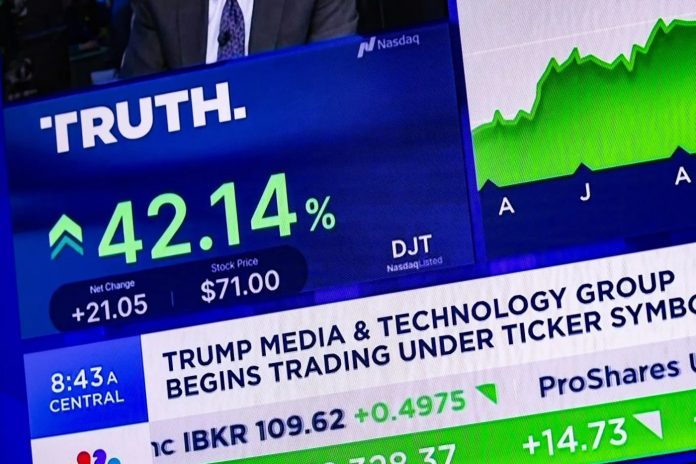
Trump Media & Technology Group, the parent company of Truth Social, has filed with the SEC to launch a dual Bitcoin (BTC) and Ethereum (ETH) exchange-traded fund (ETF) to be listed on NYSE Arca. The filing, submitted on June 16, 2025, proposes the Truth Social Bitcoin and Ethereum ETF with a 75% BTC and 25% ETH allocation. Crypto.com will serve as the custodian and liquidity provider, while Yorkville America Digital is the sponsor. This follows an earlier filing for a Bitcoin-only Truth Social ETF on June 5, 2025.

The SEC review process, initiated by a 19b-4 filing, could take up to 240 days, with a decision on the Bitcoin ETF due by January 29, 2026. The move aligns with Trump Media’s broader crypto strategy, including a $2.3 billion Bitcoin treasury plan, though no purchases have been announced. The ETF aims to provide regulated exposure to BTC and ETH for investors, leveraging Truth Social’s brand to attract interest. The filing by Trump Media & Technology Group for a Bitcoin (BTC) and Ethereum (ETH) ETF on the NYSE carries significant implications for both the crypto market and broader socio-political dynamics.

The proposed ETF, with a 75% BTC and 25% ETH allocation, could further legitimize cryptocurrencies in traditional finance. If approved, it would provide retail and institutional investors with a regulated vehicle to gain exposure to BTC and ETH without directly holding them, potentially driving demand and price appreciation. The involvement of Crypto.com as custodian and liquidity provider signals growing institutional infrastructure for crypto.

By branding the ETF under Truth Social, Trump Media is leveraging Donald Trump’s name and influence to capture attention in the crypto space. This aligns with their $2.3 billion Bitcoin treasury plan, signaling a long-term bet on crypto as a financial and political tool. Success could bolster Truth Social’s financial position, which has faced challenges since its SPAC merger in 2024.

The SEC’s review process (up to 240 days, with a Bitcoin ETF decision due by January 29, 2026) will test the regulatory environment under a potentially crypto-friendly administration. Donald Trump’s pro-crypto stance, including promises to make the U.S. a “Bitcoin superpower” and establish a strategic Bitcoin stockpile, could ease approval.  Approval could accelerate the trend of spot crypto ETFs, following the success of Bitcoin and Ethereum ETFs launched in 2024. It may also encourage competitors to file similar products, increasing market competition and innovation.

The ETF’s association with Trump Media and Truth Social ties it explicitly to Donald Trump’s brand, which could attract his supporter base but alienate others. This move could position Trump Media as a pioneer in blending political identity with financial products, a novel but polarizing strategy. The ETF’s success could depend on market confidence in Trump Media, which has faced volatility (e.g., DJT stock surged 117% post-election but remains volatile).

Any perceived mismanagement or failure could harm the ETF’s credibility. The ETF lowers barriers for investors wary of crypto’s technical complexities or security risks, potentially broadening the investor base. However, the 0.68% expense ratio (as noted in similar ETF filings) could be a point of contention compared to lower-cost alternatives. Trump Media’s involvement in crypto could amplify volatility, given the company’s history of sharp price swings tied to political events. The ETF’s performance may also be influenced by broader crypto market trends, which remain highly speculative.

The ETF’s association with Trump and Truth Social is likely to polarize investors along political lines. Trump’s base, energized by his pro-crypto rhetoric and promises of a “Bitcoin Fort Knox,” may enthusiastically support the ETF, viewing it as a way to align financial interests with political loyalty. Conversely, critics of Trump may avoid the ETF, perceiving it as a politically charged gimmick, even if the underlying assets (BTC and ETH) are sound.

The ETF could become a flashpoint in the culture war, with Truth Social’s reputation as a platform for conservative voices framing it as a “MAGA ETF.” This risks alienating institutional investors or moderates who prefer politically neutral investment vehicles. The crypto community is already divided between those who embrace institutional adoption (e.g., ETFs, corporate treasuries) and purists who see crypto as a decentralized rebellion against traditional finance. A Trump-branded ETF, backed by a centralized custodian like Crypto.com, may alienate the latter group, who could view it as co-opting crypto’s ethos for corporate and political gain.

Some crypto investors may hesitate to invest in an ETF tied to Truth Social, given the platform’s controversial reputation and financial struggles. This could create a divide between those prioritizing ideological alignment and those focused on financial fundamentals. ETFs make crypto more accessible, but the benefits may disproportionately accrue to wealthier investors or institutions with the capital to absorb the risks. Smaller retail investors, particularly in marginalized communities, may remain skeptical or lack the resources to participate, deepening wealth inequality.

The ETF’s success could fuel speculative fervor, drawing in inexperienced investors who associate Trump’s brand with quick gains. This risks creating a divide between informed investors and those vulnerable to losses in a volatile market. Internationally, a Trump-branded ETF could reinforce perceptions of U.S. crypto policy as tied to populist politics, potentially affecting global adoption. Countries with stricter crypto regulations (e.g., China, India) may view this as a reason to tighten controls, while crypto-friendly nations (e.g., El Salvador) may see it as validation.

The Truth Social BTC and ETH ETF filing is a bold move that could accelerate crypto’s mainstream adoption while capitalizing on Trump’s brand to attract a loyal investor base. However, it risks deepening political, cultural, and economic divides by tying a financial product to a polarizing figure and platform. The ETF’s success will hinge on regulatory approval, market reception, and Trump Media’s ability to navigate its controversial image.

A Foray Into The COIN Act Bill Prohibiting High-Ranking U.S. Officials From Crypto Ventures

0

Democratic Senator Adam Schiff introduced the Curbing Officials’ Income and Nondisclosure (COIN) Act, aimed at prohibiting the U.S. President, Vice President, their immediate families, and other high-ranking officials from engaging in cryptocurrency-related activities, including issuing, sponsoring, or endorsing digital assets like cryptocurrencies, stablecoins, NFTs, or memecoins.

The bill also mandates disclosure of digital asset sales exceeding $1,000 and imposes penalties, including fines and up to five years in prison for violations. It includes a 180-day buffer period before taking office and extends two years after leaving office. The legislation, co-sponsored by nine Senate Democrats, is seen as a response to concerns over President Donald Trump’s crypto ventures, notably his involvement with World Liberty Financial, which launched the USD1 stablecoin and reportedly earned him $57.35 million in 2024.

Critics, including Schiff, argue it addresses ethical and legal concerns over potential conflicts of interest, though the bill’s passage is unlikely in a Republican-controlled Congress. The COIN Act aims to prevent the President, Vice President, and their immediate families from leveraging their positions for personal gain through cryptocurrency ventures. By banning involvement in issuing, sponsoring, or endorsing digital assets, it seeks to address potential conflicts of interest, particularly in light of high-profile cases like President Trump’s involvement with World Liberty Financial.

Mandating disclosure of digital asset sales over $1,000 and imposing penalties (fines or up to five years in prison) reinforces transparency and accountability for high-ranking officials. The act could deter political figures from engaging with the crypto sector, potentially stifling innovation or mainstream adoption driven by influential endorsements. Critics might argue it unfairly targets a specific industry, as similar restrictions don’t explicitly apply to other financial sectors like stocks or real estate.

However, proponents see it as a safeguard against unregulated or speculative crypto ventures exploiting political power, which could stabilize public trust in both governance and digital assets. With a Republican-controlled Congress, the bill’s passage is unlikely, as it may be perceived as targeting Trump and his allies, who have embraced crypto-friendly policies. The act’s fate hinges on bipartisan support, which seems improbable given the polarized political climate.

If passed, enforcement would face challenges, such as defining “endorsement” or tracking crypto transactions, especially with decentralized platforms. The 180-day pre-office and two-year post-office restrictions aim to prevent officials from setting up or benefiting from crypto ventures tied to their tenure. This could set a precedent for broader financial conflict-of-interest laws but may also discourage politically connected individuals from entering the crypto space.

Democrats led by Senator Schiff, supporters frame the COIN Act as a necessary check on ethical breaches, citing Trump’s crypto earnings ($57.35 million in 2024) as evidence of potential abuse. They argue it protects democratic integrity by ensuring officials prioritize public interest over personal profit. Republicans many view the act as a politically motivated attack on Trump, who has positioned himself as a crypto advocate. They argue it unfairly singles out digital assets while ignoring other financial conflicts and could hinder economic innovation.

Some may see it as government overreach into private financial activities. The crypto community, particularly Trump-aligned groups, may oppose the bill, viewing it as anti-innovation or an attempt to suppress a sector gaining traction. They argue political involvement in crypto can legitimize and drive adoption, as seen with Trump’s World Liberty Financial. Those wary of crypto’s volatility and lack of regulation support the act, believing it prevents officials from exploiting an opaque market. They point to past crypto scandals as justification for stricter oversight of political involvement.

Supporters prioritize governance and transparency, arguing that unchecked crypto ventures by officials could erode trust in institutions or lead to market manipulation. Opponents, including libertarian-leaning groups, see the act as infringing on personal financial freedom and unfairly targeting a decentralized industry that challenges traditional financial systems.

The COIN Act highlights a broader tension between regulating emerging technologies and preserving political accountability. Its implications could reshape how public officials engage with crypto, but its divisive nature—politically, ideologically, and within the crypto community—makes consensus difficult. The debate underscores competing visions of governance, innovation, and ethical standards in a rapidly evolving financial landscape.

Dogecoin Price Prediction: DOGE Eyes $0.20 — But Troller Cat’s Stage?10 Could Flip $20K Into $280K

0

What if the most explosive crypto play of the year isn’t a veteran dog coin, but a mischievous cat with a plan? In the high-stakes, high-reward world of meme coins, timing and narrative are everything. While some coins ride nostalgia, others build something bigger and bolder.

Meme coins are notorious for their unpredictability. Wild surges, steep corrections, and sudden hype cycles create opportunities that vanish as fast as they appear. Dogecoin, the OG meme token, has long been the king of this jungle. But as DOGE attempts to reclaim momentum, Troller Cat is clawing through the ranks with a utility-backed presale and a deflationary twist.

Troller Cat ($TCAT): Where Internet Lore Meets Presale Power

Troller Cat presale is currently in Stage 10 of its presale, with each stage built around legendary trolling moments in digital history. At this point in the journey, the token has skyrocketed from $0.00000500 to $0.000036—a growth of over 636%. With a confirmed listing price of $0.0005309, the potential ROI from Stage 10 is more than 1,300%, making it one of the sharpest meme coin setups in the space.

Stage 10 celebrates the legendary Troll Face meme from 2008—a simple sketch that became a global emblem of satire. The digital smirk mocked authority, friends, and even logic itself. Troller Cat, ever the agent of mischief, reimagines that moment with whiskers, sharper wit, and a grin that now defines the presale. It’s not just an image—it’s a lifestyle that signals who’s in on the joke.

As more investors rush in, over $250,000 has already been raised, and more than 1,200 holders have joined the trolling revolution. The price will jump another 35.01% in the next stage, making it now a prime entry point. An investor placing $20,000 at this level could see it grow to over $280,000 by the time the coin lists—and that’s without counting staking rewards.

The Mechanics Behind the Mischief: Staking and the Referral Engine

What sets Troller Cat apart isn’t just the memes—it’s the math. Live during the presale, staking offers a massive 69% APY. This reward structure is designed to lock in early support without triggering inflation, with rewards unlocking two months after launch to promote long-term value stability.

The ecosystem also includes a fully functioning Play-to-Earn Game Center that turns ad revenue into deflationary fuel. Every banner ad, every video view during gameplay contributes to monthly $TCAT buybacks and burns. The more people play, the scarcer the coin becomes.

The referral program supercharges viral growth. Investors who buy $25 or more unlock a referral code that earns them and their invitees a 10% bonus. The referral dashboard makes it easy to track clicks, sign-ups, and rewards, creating a self-sustaining network of meme-powered momentum. Troller Cat isn’t just growing fast—it’s engineered to accelerate.

Dogecoin ($DOGE): The Original Bark That Still Echoes

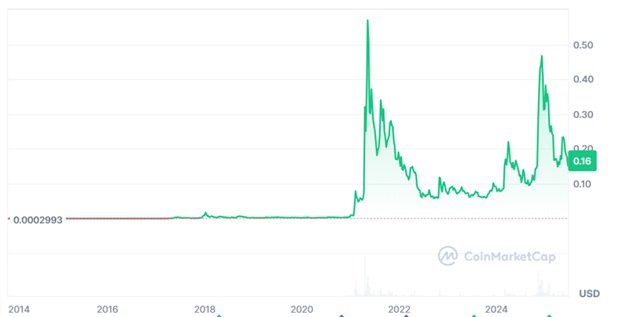
Dogecoin remains one of the most iconic names in the crypto world. Currently priced at $0.1636, DOGE is backed by a staggering $24.48 billion market cap and 24-hour trading volume of $1.56 billion. Despite its meme status, its liquidity and recognition make it a cornerstone of speculative investing.

In the past 24 hours, Dogecoin has climbed 7.49%, but its weekly chart shows a 4.87% decline. Over the past month, the coin has dropped 25.41%, showing just how volatile the asset has become. Still, DOGE boasts a 38.83% year-over-year gain and remains a top-10 crypto by market cap. Long-term holders who got in near its all-time low of $0.00008547 have seen gains upward of 29,147%.

Its historic peak of $0.7376 in May 2021 set the tone for the following meme coin boom. Today, analysts forecast a 6- to 12-month price target between $0.20 and $0.38, assuming continued interest and occasional social media endorsements. While the bark isn’t what it used to be, the legend of DOGE keeps attracting retail investors and crypto veterans looking for a familiar face in an evolving space. Dogecoin’s charm remains in its simplicity. It doesn’t try to be something it’s not. The community-driven narrative and a Shiba Inu mascot give it staying power. It’s the playful underdog of the crypto world, riding meme waves, Elon tweets, and the ever-present hope of another breakout rally.

Conclusion

Based on our research and the latest market trends, Dogecoin continues to be a heavyweight in the meme coin space, but its days of exponential growth may be behind it. The price action shows signs of maturity, and while DOGE remains an important piece of meme coin history, it now competes with newer, more utility-driven entrants.

Troller Cat, in contrast, offers a ground-floor opportunity with top-tier ROI potential, live staking, a fully built Game Center, and a viral referral mechanism. With over 636% ROI already captured and another 35.01% price jump just ahead, the path from $0.000036 to the listing price is packed with upside. For those looking to buy TCAT before Stage 11 hits, this moment may be the last low entry point before things get wild.

For More Information:

Website: https://www.trollercat.io/

Buy Now: https://www.trollercat.io/buy-now/

X: https://x.com/trollercat_

FAQs

  1. What is Troller Cat’s current price and ROI potential?
     It is priced at $0.000036 during Stage 10 and offers over 1,300% potential ROI based on the listing price.
  2. How does Troller Cat staking work during the presale?
     Investors earn 69% APY, with rewards unlocking two months after launch.
  3. What is the referral bonus for Troller Cat presale investors?
     A $25 minimum unlocks a referral code that gives both parties a 10% token bonus.
  4. What is Dogecoin’s recent price movement?
     DOGE is currently priced at $0.1636, with a 7.49% 24-hour increase but a 25.41% drop over the past month.
  5. What makes Troller Cat different from other meme coins?
     Troller Cat features staking, a Game Center with ad-driven deflation, and a meme-based presale structure unlike anything else.

Glossary of Key Terms

  • APY: Annual Percentage Yield, the rate of return earned on staked crypto.
  • Presale: An early fundraising stage where tokens are sold before public listing.
  • Referral Bonus: A token reward granted to both referrer and referee when a user joins via a special link.
  • Deflationary Model: A system where the token supply is reduced over time through burns.
  • Listing Price: The value at which a token is expected to launch on public exchanges.
  • Buyback and Burn: A method where tokens are purchased from the market and permanently destroyed to reduce supply.
  • Stage Pricing: Presale levels where each new stage increases the token’s cost.

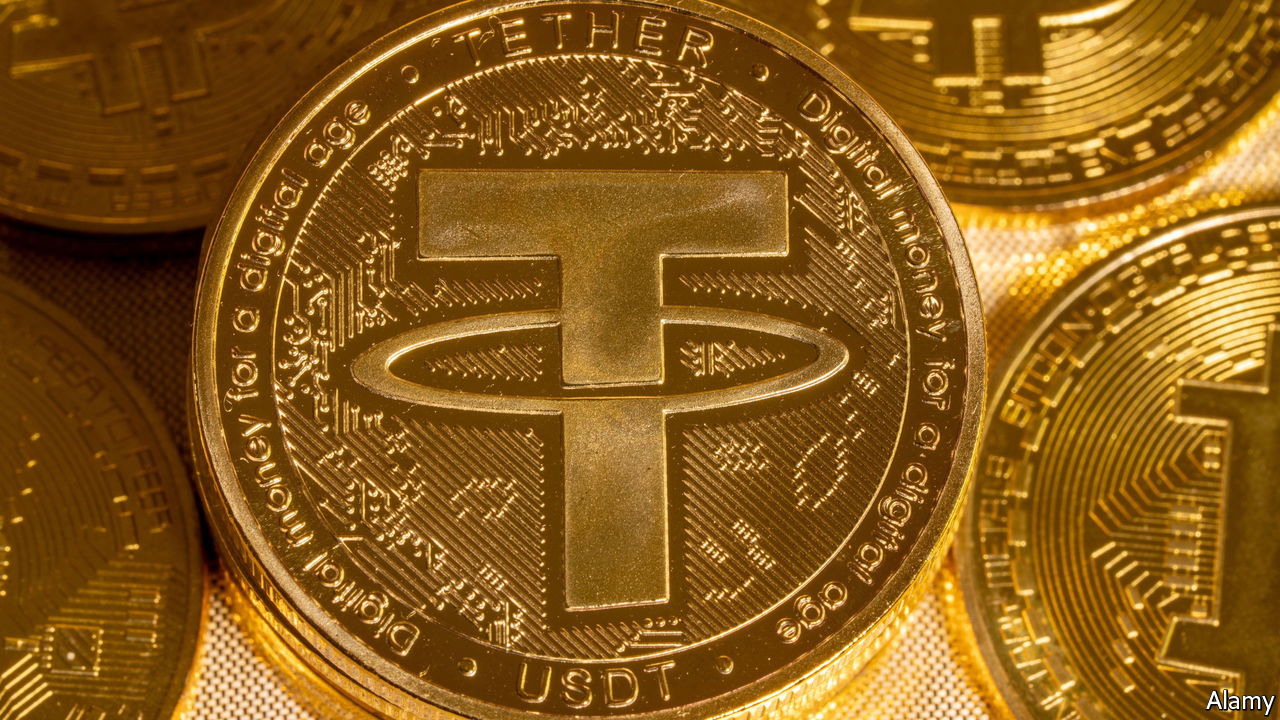
Tether, Issuer of USDT, Becomes Second Largest Shareholder In Juventus Football Club

0

Tether, the issuer of the USDT stablecoin, has become the second-largest shareholder in Juventus Football Club, holding a 10.7% stake valued at approximately €128 million ($149 million) as of June 25, 2025. This follows an initial 8.2% stake acquired in February 2025, which was increased to 10.12% by April 2025, granting 6.18% of voting rights. Exor NV, the Agnelli family’s investment vehicle, remains the majority shareholder with a 64% stake.

Tether’s investment, made through its venture arm Tether Investments, aims to integrate digital assets, AI, and biotech into the sports industry, with a focus on enhancing fan engagement and financial resilience. CEO Paolo Ardoino, a lifelong Juventus fan, has expressed frustration over limited communication with Juventus and Exor, noting Tether was excluded from a €110 million capital raise despite its willingness to invest further. Ardoino has emphasized a long-term commitment to the club, seeking to modernize its operations and leverage Tether’s $13 billion 2024 profits and $150 billion portfolio.

This marks the first time a major European football club has a crypto company among its top investors. However, Juventus’ board views Tether’s corporate structure as opaque, and regulatory concerns persist due to USDT’s reported use in illicit finance, though Tether claims cooperation with law enforcement. Tether’s emergence as the second-largest shareholder in Juventus Football Club carries significant implications across financial, strategic, regulatory, and cultural dimensions:

Tether’s €128 million investment (10.7% stake) boosts Juventus’ financial position, potentially stabilizing the club amid European football’s economic challenges. However, Juventus’ €110 million capital raise, which excluded Tether, suggests tensions that could affect future funding strategies. Tether’s $13 billion 2024 profits and $150 billion portfolio position it to inject significant capital into Juventus, potentially reshaping the club’s financial model. This could set a precedent for other crypto firms to invest in major sports franchises, diversifying revenue streams.

Juventus’ share price and market perception may become tied to Tether’s reputation and USDT’s stability. Any volatility in Tether’s operations could impact investor confidence in the club. Tether aims to integrate digital assets, AI, and biotech into Juventus’ operations, potentially revolutionizing fan engagement (e.g., tokenized fan experiences, NFT-based merchandise, or AI-driven analytics). This aligns with broader trends of sports clubs adopting Web3 technologies.

Tether’s global crypto network could expand Juventus’ international fanbase, particularly in crypto-adopting regions like Asia and Latin America, enhancing commercial partnerships and sponsorships. Tether’s CEO Paolo Ardoino has voiced frustration over limited communication with Juventus and Exor. If unresolved, this could hinder strategic alignment, especially given Tether’s minority voting rights (6.18%).

USDT’s reported use in illicit finance raises regulatory red flags. Juventus’ board views Tether’s corporate structure as opaque, which could complicate governance and attract scrutiny from European and U.S. This association may risk Juventus’ reputation if Tether faces legal challenges. European football’s conservative regulatory environment may resist Tether’s crypto-driven initiatives, requiring robust compliance to navigate anti-money laundering (AML) and know-your-customer (KYC) regulations.

As the first major European club with a crypto issuer as a top investor, Juventus could influence regulatory frameworks for crypto investments in sports, potentially prompting UEFA or Italian authorities to establish clearer guidelines. Juventus fans may have mixed feelings. Ardoino’s lifelong fandom lends authenticity, but crypto’s controversial image could alienate traditional supporters wary of commercialization. Successful integration of fan-focused tech (e.g., $10 tokenized voting on club decisions) could win over skeptics.

Tether’s push to modernize Juventus risks clashing with the club’s storied heritage. Balancing innovation with respect for tradition will be critical to maintaining fan loyalty.  A successful partnership could inspire other clubs to partner with crypto firms, accelerating the adoption of blockchain in sports. Conversely, failure could deter similar moves, impacting the broader crypto-sports nexus.

Increased financial muscle could enable Juventus to invest in top players and infrastructure, enhancing competitiveness in Serie A and the UEFA Champions League. Other Italian and European clubs may seek similar crypto partnerships to keep pace, potentially escalating investment races in football. Tether’s stake in Juventus could transform the club into a pioneer of crypto-driven sports innovation, but it faces risks from regulatory scrutiny, governance tensions, and fan skepticism. The outcome will likely shape the future of crypto investments in global sports.