DD
MM
YYYY

PAGES

DD
MM
YYYY

spot_img

PAGES

Home Blog Page 998

Bessent Throws Cold Water on Musk’s “America Party,” Urges Focus on Tesla as Investor Anxiety Grows

0

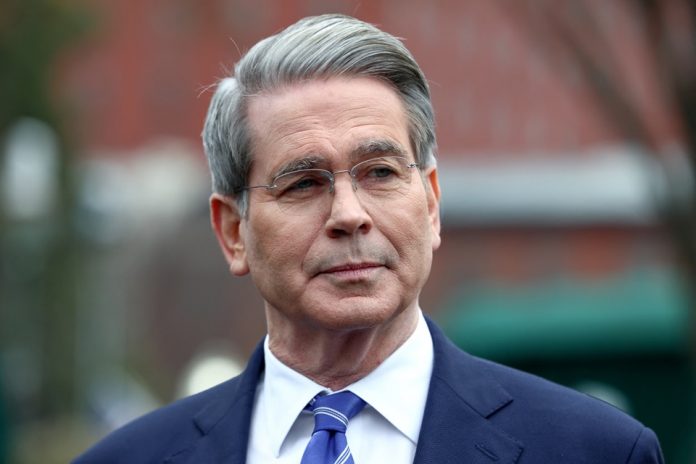
U.S. Treasury Secretary Scott Bessent has responded coolly to Elon Musk’s announcement of his new “America Party,” urging the billionaire to prioritize his business responsibilities over political ambitions.

His comments came Sunday during a CNN interview, one day after Musk unveiled plans for a third-party movement to disrupt what he called the U.S.’s “one-party system.”

When asked if the Trump administration was rattled by Musk’s move, Bessent offered a diplomatic but pointed response: “I believe that the boards of directors at his various companies wanted him to come back and run those companies, which he is better at than anyone,” he said.

“So I imagine that those boards did not like this announcement yesterday and will be encouraging him to focus on his business activities, not his political activities.”

The rebuke underscores growing unease within both the White House and financial markets over Musk’s increasing foray into politics — a move that some investors believe is coming at a steep cost to his companies, particularly Tesla.

The CEO had earlier this year vowed to return to the office – a development that saw Tesla’s share jump.

“Back to spending 24/7 at work and sleeping in factory/server rooms. I must be super focused on X, xAI and Tesla (plus Starship launch next week) as we have critical technologies rolling out,” Musk said

A Bitter Split

Musk and Trump were once politically aligned, with the Tesla and SpaceX chief donating over $280 million to Trump’s 2024 presidential campaign — the most of any individual donor that cycle. He even joined the Trump administration’s budget-cutting drive, heading up the so-called Department of Government Efficiency (DOGE) before stepping down in May.

But relations between the two frayed after Trump passed a sweeping domestic policy bill featuring multitrillion-dollar tax breaks and massive cuts to social services. Musk blasted the bill as fiscally reckless, calling it a “Porky Pig” package that would explode the national debt.

Since then, Musk has publicly vowed to fight against any lawmakers who supported the legislation. His creation of the “America Party” is widely seen as a political counterpunch against both parties — and especially against Trump’s tight grip on the GOP.

Investors Wary of Musk’s Political Drift

While Musk’s political supporters welcomed his move as a bold stand against the establishment, investors in Tesla and his other ventures were far less enthusiastic.

Wedbush Securities analyst Dan Ives, a long-time Tesla bull, said Musk’s political foray is exactly what shareholders didn’t want to see right now.

“Musk diving deeper into politics and now trying to take on the Beltway establishment is exactly the opposite direction that Tesla investors/shareholders want him to take during this crucial period for the Tesla story,” Ives said.

“While the core Musk supporters will back Musk at every turn no matter what, there is a broader sense of exhaustion from many Tesla investors that Musk keeps heading down the political track.”

Ives said the “initial relief” felt by shareholders after Musk left DOGE has now “taken a turn for the worse,” especially with Musk now shifting attention toward founding a new political force.

“I didn’t invest in a third party or a politician. I invested heavily in Tesla because of Elon’s brilliant technical mind. I’m disappointed, to say the least.

In after-hours trading on Sunday, Tesla shares dipped 0.85%, reflecting market jitters about Musk’s dual roles and mounting distractions,” Stock Mom, a Tesla investor, wrote.

Polling Trouble

Bessent acknowledged that some of the principles Musk championed at DOGE — namely efficiency, leaner government, and accountability — were “very popular.” But he didn’t extend the same praise to Musk’s political profile.

“I think, if you looked at the polling, Elon was not,” he said.

That line reflects a broader challenge for Musk: while his tech persona commands admiration, his political brand remains polarizing. A recent Quinnipiac University poll found that while a majority of Americans admire Musk’s entrepreneurial accomplishments, just 29% said they would consider supporting a political party led by him.

What’s Next for Musk and “America Party”?

As of now, Musk has not registered the “America Party” with the Federal Election Commission. He has hinted that the group could focus its resources on a narrow set of Senate and House races to wield influence in a sharply divided Congress.

He said Saturday that targeting “just 2 or 3 Senate seats and 8 to 10 House districts” would be enough to swing key votes on contentious legislation — a clear signal that Musk wants to leverage his money and platform as a power broker rather than a traditional party leader.

Still, political analysts are skeptical that Musk can pull off the kind of electoral insurgency he envisions. Building a viable third party in the U.S. has proven virtually impossible in modern history, especially without grassroots infrastructure or bipartisan support.

A Costly Diversion?

At a time when Tesla is grappling with declining deliveries, heightened competition from Chinese EV makers like BYD, and a sluggish EV market globally, Musk’s growing political involvement is seen by many as an unwanted distraction.

With Tesla’s stock under pressure and AI ventures like xAI still in early stages, even some of Musk’s loyal shareholders are questioning whether his focus on politics risks undermining the very companies that earned him his platform.

Eva McMillan, a Tesla shareholder asked Musk on Sunday: “Elon, what happened to your promises to spend 24/7 at work? How are you going to fit in full time politics?”

While there seems to be a growing support for the America Party, including from billionaire investor Mark Cuban, the market and the administration are sending Musk a message: run your companies, not a party.


Building With and Managing AI Agents – New Tekedia Institute Course

1

In today’s digital economy, building with AI agents is no longer a futuristic concept but a present-day necessity. AI agents are transforming sectors by executing tasks autonomously, enhancing productivity, and driving business innovation. Whether in customer service, finance, or healthcare, these intelligent systems streamline operations and deliver better outcomes. Entrepreneurs and enterprises must now learn to build layered ecosystems of AI agents that interact, collaborate, and self-optimize in real-time.

However, as the power of AI grows, so does the responsibility of managing it. Tekedia emphasizes that managing AI agents requires clear governance frameworks, ethical oversight, and human-in-the-loop systems to ensure alignment with business goals and societal values. Trust, transparency, and continuous training are essential to mitigate risks and maintain control. By combining technical execution with strategic oversight, organizations can harness AI agents to unlock exponential value across industries.

In this lecture, available in Tekedia Mini-MBA and Tekedia AI in Business Masterclass programs, Tekedia Institute Faculty Orakwe John, MBA educates on how to build with and manage AI agents. Pick your seat here for the 18th edition of Tekedia Mini-MBA which begins in Sept 2025!

Trump Tariffs to Take Effect August 1 for Nations Without Trade Deals — Treasury Secretary Bessent Confirms

0

Treasury Secretary Scott Bessent said on Sunday that the steep tariffs President Donald Trump announced in April will go into effect on August 1 for U.S. trading partners that fail to reach new trade agreements with Washington before then.

The move ends a 90-day tariff reprieve that had calmed global markets but now reintroduces uncertainty, especially for countries still locked in trade talks with the administration.

Speaking on CNN’s State of the Union, Bessent made clear that letters will be sent this week to several countries notifying them of the looming reversion to the “April 2 tariff level” unless deals are struck in the coming days.

“President Trump’s going to be sending letters to some of our trading partners saying that if you don’t move things along, then on August 1, you will boomerang back to your April 2 tariff level,” Bessent said.

Bessent rejected the idea that August 1 constitutes a new deadline, insisting instead that it is a final date for implementation.

“We are saying this is when it’s happening. If you want to speed things up, have at it,” he said, emphasizing that countries are free to renegotiate terms before the new rate takes effect.

Background: The April Tariff Shock and 90-Day Reprieve

In April, Trump stunned markets and allies by announcing sweeping “reciprocal tariffs” on nearly all major U.S. trading partners, citing decades of unfair treatment. But after widespread backlash and retaliatory threats from countries including Canada, Germany, South Korea, and Japan, the president issued a 90-day pause on implementation — a move that bought time for negotiations but also introduced confusion about the actual tariff timeline.

The initial deadline had been expected to hit July 9, based on Trump’s April 9 executive order. However, Bessent’s comments — along with remarks from Commerce Secretary Howard Lutnick and Trump himself — confirm that August 1 is now the effective date. Despite this shift, as of Sunday, the White House had not issued a revised executive order officially changing the date from July 9 to August 1.

“They’ll start to pay on August 1,” Trump told reporters Friday. “The money will start to come into the United States on August 1, in pretty much all cases.”

Implications on Market, Bilateral Ties

The decision puts intense pressure on U.S. allies to finalize new trade terms in the coming three weeks. Trump and Bessent suggested that “big announcements” of new agreements could arrive in the next few days. However, many economists warn that trade deals — even narrower tariff negotiations — often take years to conclude.

“Free trade arrangements the U.S. negotiated have taken an average of three years,” noted Rajeev Sibal, a senior global economist at Morgan Stanley. “Even though these talks are more targeted, the historical precedent remains informative.”

The administration’s aggressive tariff posture is raising red flags across financial markets. U.S. stock futures fell Sunday night following confirmation of the August 1 implementation date:

  • Dow futures dropped 146 points, or 0.32%
  • S&P 500 futures fell 0.39%
  • Nasdaq 100 futures slipped 0.42%

This pullback comes despite a strong market rally last week, during which the S&P 500 and Nasdaq closed at record highs. Investors had largely believed that Trump’s “reciprocal” tariffs would not take full effect, especially after the White House downplayed the July 9 deadline, calling it “not critical.”

Wall Street’s Divided View

Markets are now navigating a precarious mix of optimism over corporate earnings and anxiety over sudden trade escalations. Some, like Tom Lee, head of research at Fundstrat Global Advisors, view the volatility as a potential upside story.

“I agree with anybody who says that, ‘Look, we’ve reshaped some of the economic flows around tariffs,’ but that’s an upside story because if it plays out better, that’s an earnings surprise,” Lee said Thursday on CNBC. “This is the most hated V-shaped rally.”

But others fear that the combination of record-high equity valuations and new trade barriers could inject fresh volatility. Companies with global supply chains are particularly exposed, especially if tariff rates increase beyond investor expectations or retaliatory measures resurface.

With time running out, all eyes will be on whether Trump’s team can lock in any trade concessions or partial agreements in the days ahead. While Bessent and Trump both suggested that letters to trading partners will go out Monday, the administration has so far avoided detailing which nations are closest to striking deals — and which ones are set to be hit by the full tariff regime.

Either way, unless the White House issues a formal reversal of the April executive order, August 1 is now set as the pivotal date — one that could define the trajectory of both U.S. trade policy and market sentiment for the rest of the year.

Console-Like Visuals Hit Mobile Games

0

Australia’s mobile gaming sector is entering a golden age. Once limited by low-res screens and basic mechanics, current mobile titles now feature photorealistic lighting, advanced shading and effects comparable to console-quality graphics. These shifts are rooted in global technology trends, but the Australian market’s appetite—supported by strong 5G rollout and developer innovation—makes this a distinctly local evolution.

Mobile Gaming’s Visual Leap and Australian Market Outlook

Modern smartphones possess GPUs capable of rendering console-level visuals. That capability aligns with the success of apps such as Roblox, Minecraft: Play with Friends and other sandbox-style titles in early 2025. For instance, Roblox generated around AU$191 K weekly revenue in January–March before stabilising near AU$99 K, with active users around 800 K.

Australia’s mobile gaming market reached AUD 1.77 billion in 2024 and is forecast to exceed AUD 2.8 billion by 2034 at a CAGR of 4.7 percent. Speedier networks—5G specifically—are heavily credited; downloading large visual assets and streaming high-definition sequences now occur seamlessly.

Analysts at IMARC and Expert Market Research also link console-grade visuals directly to consumer retention. Immersive graphics hold attention longer, increase in-app purchases, and elevate brand reputation in crowded app stores.

Console-Grade Engines Driving Mobile Experiences

Technological enablers include:

  • Advanced mobile GPUs (e.g., ARM Mali-G78, Apple A17) offering desktop-level shaders and post-processing.
  • Game engines such as Unreal Engine 5 and Unity’s HDRP, enabling real-time global illumination and physically based rendering.
  • Cloud rendering and streaming over 5G, letting mid-tier devices deliver console-level fidelity via remote servers.

Local developers such as Melbourne’s Fgfactory and Virtua Technologies now release increasingly ambitious mobile titles. Remote studios meanwhile use Australia’s market as a testbed for graphic-heavy mobile ports.

Casino-Style Mobile Games: Growth and Monetisation

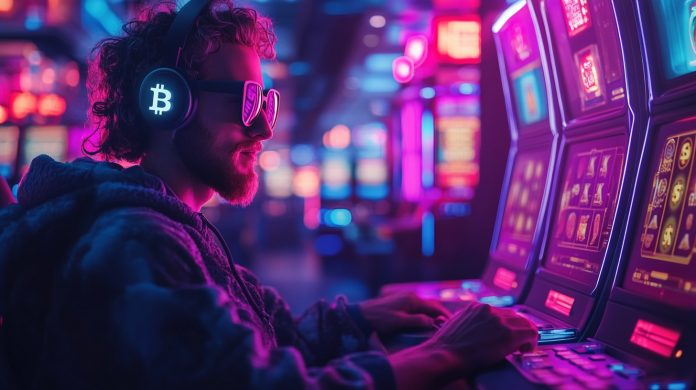
High-fidelity visuals have reshaped mobile casino titles as much as action shooters and racers. Ultra-realistic lighting, 3-D reels and cinematic lobby transitions now define Real Money games that run smoothly on modern handsets.

Platforms profiled by realmoneycasinosau.com illustrate how:

  • enhanced graphics shorten load times
  • strengthen player trust
  • meet strict auditing standards.

Developers report that visual polish is now budgeted alongside compliance tools when green-lighting a new Real Money Casino Australia release.

Industry data compiled by market-tracker Telsyte shows that deposits rise by almost one-fifth. This occurs when a legacy slot app is updated with console-grade shaders and particle effects. Mid-2024 telemetry confirms the trend across multiple studios.

  • Higher monetisation: polished interfaces support premium coin bundles.
  • Longer sessions: detailed animations keep users engaged.
  • Discoverability boost: store algorithms prioritise visually rich titles over simpler ones. This helps the best online casino apps secure valuable top-chart positions.
  • Brand credibility: studios deploying console-style assets see lower first-day churn.

Analysts believe the gap between mainstream mobile games and specialised Real Money Casino products will continue to narrow. Improving mobile GPUs are driving this shift. As a result, the sector is moving toward parity with handheld consoles in both visual quality and user expectations.

Interactive Titles & Console-Like Fidelity

Australia’s mid-core and hardcore mobile gamers gravitate to action and sandbox titles with console-level aesthetics. YouGov data classifies 29 percent of Aussies as medium gamers, and 4 percent as heavy—many play graphically intense mobile games weekly.

Popular engine-driven titles include Genshin Impact, Apex Legends Mobile and Call of Duty Mobile, which blend fast-paced gameplay with real-time ray-tracing support. Their success in Australia reflects broader trends—console-dominant aesthetics now standard in premium mobile experiences.

Emerging Ecosystem: Devices, Monetisation, Market Segments

Australia’s gaming ecosystem now spans mobile, console and cloud. Key data points include:

Segment Revenue (2024) Forecast Growth
Mobile gaming AUD 1.77 billion 4.7 % CAGR to 2034
Console gaming USD 840 million 9.5 % CAGR to 2033
Overall video game market USD 12.6 billion 16.5 % CAGR to 2030

Hybrid trends are emerging: mobile-first titles upscale to OLED handhelds, streaming consoles to devices over 5G networks. Cloud gaming trials in Australia are showing traction in apps like NVIDIA GeForce Now.

Monetisation models are evolving too:

  • Freemium with cosmetic and loot-box sales
  • Battle passes unlocking content via subscription
  • Gacha systems tied to high-fidelity character animations

Visual investment drives both user engagement and in-app economy lifecycles.

What This Means for Developers and Players

Console-level mobile graphics not only win downloads—they enhance:

  • User retention – high visual quality keeps players engaged
  • Revenue density – immersive environments support premium spend
  • Brand credibility – polished visuals communicate reliability and scale

Australian developers, bolstered by state grants and IGEA support, are using this graphic edge to compete internationally. Yet this raises challenges around device compatibility, bandwidth constraints, and ethical monetisation (e.g., loot-box regulations).

Australia’s mobile gaming market has come of age—powered by console-grade visuals, skyrocketing user expectations and a monetisation ecosystem ready to capitalise. As technical capability expands and regulation catches up, the country is set to remain a leading force in the APAC region’s gaming revolution.

Tech and Lifestyle Highlights That Matter in July 2025

0

July doesn’t just mark the middle of the year; it brings a shift in pace across gaming, tech, and culture. Key announcements, launches, and changes this month aren’t just noise; they’re signals about where creative industries, gadgets, and daily habits are heading. Whether it’s a new console release, a slick foldable phone, or a fashion move rooted in material, this month shapes the tools we use and the stories we live.

Gaming Grabs the Spotlight

On July 17, Donkey Kong Bananza launches exclusively for Nintendo Switch 2. Developed by the Super Mario Odyssey team, it’s the first full 3D Donkey Kong game since 1999’s Donkey Kong 64 and the first new platformer since Tropical Freeze in 2014. Featuring co-op with Pauline, destructible underground zones, and transformation-based mechanics, it showcases the console’s shift toward character-driven adventures.

Nintendo is also distributing Switch 2 dev kits to select indie studios, with titles built for next-gen features not possible on the original Switch, signaling a move toward performance-based exclusivity. Meanwhile, on PC, the Steam Summer Sale is in full swing, but it’s indie titles like Night Segment and Forecourt that are dominating Twitch streams and online buzz.

Outside of screens, gaming is reclaiming physical space. Pop-up arcades, VR lounges, and retro tournament nights are growing again in major cities across Europe and North America. Whether for competition or nostalgia, these venues offer players something digital platforms can’t replicate: face-to-face community. At the same time, online casinos continue to thrive due to their massive game libraries, fast payouts, flexible transaction methods, and generous perks like welcome rewards, cashback offers, and free spins. However, every platform has its own strengths. This expertly curated comparison for July 2025 breaks down what each online casino offers and which ones are gaining traction this summer. From console launches to indie hits and arcade revivals, July’s gaming scene shows how play keeps evolving, on every screen and in every space.

Foldables and Smarter Systems

Samsung’s Galaxy Unpacked is set for July 9 in Brooklyn, where the company will unveil the Galaxy Z Fold 7 and Z Flip 7. The Fold 7 is expected to be slimmer and lighter than previous models, featuring an 8-inch inner screen, a 6.5-inch cover display, a 200MP rear camera, and a Snapdragon 8 Elite chip. Leaked dimensions place it at 8.9 mm folded and 4.2 mm unfolded, making it Samsung’s thinnest foldable yet.

The Z Flip 7 will likely see a bump to a 4.1-inch outer display and a 6.9-inch inner foldable screen, both running at 120Hz. Battery life improves with a 4,300mAh capacity. Both devices will ship with Android 16 and One UI 8, Samsung’s latest interface with AI-driven layout and multitasking features.

Also, this month, Qualcomm will hold its first Snapdragon Auto Day in New Delhi on July 30. The event will highlight advances in connected vehicle technology, including V2X communication, cloud-integrated ADAS systems, and Snapdragon Ride platforms. With AWS as a partner, Qualcomm’s push into the automotive sector reflects India’s growing relevance as a hub for tech-enabled mobility.

Meanwhile, Amazon Prime Day is stretching from July 8 to 11, with a deeper focus on personalization. Amazon is now adjusting deal visibility based on how users scroll, not just what they search, making this year’s event feel less like a blanket sale and more like an evolving storefront.

Clothing, Materials, and Micro-Details

Fashion this July is defined by fabric choices and construction details. Gingham prints are trending again, seen across both formal and casual wear. It’s not just nostalgia, it’s about familiarity layered with function. Resin bangles, scarf-belts, and textured accessories support a return to tactile elements.

Sneaker designs are slimming down, prioritizing lighter materials like suede and mesh over the chunkier looks that dominated the past few years. Skirts are showing asymmetry, layering, and structured edges. Rather than leaning into logos or hyper-trends, current styling favors items that feel considered and personal.

What’s emerging is a split: designer houses are pushing oversized, maximalist ensembles, while Gen Z leans toward thrifted, mismatched fits that reject seasonal pressure in favor of individual rhythm.

Food That Tastes Like Storytelling

The Summer Fancy Food Show in New York underscored a shift that smaller trends had already been signaling. This year’s focus wasn’t on fine cheeses or aged wines, but on mushroom-based sodas, probiotic protein snacks, sparkling waters styled after craft beer, and restaurant-quality pantry items. These choices reflect more than novelty; they signal a deeper change in how food is being packaged, presented, and consumed.

Ramen broths, chilli oils, and curry pastes once found only in restaurant kitchens are now made for the home shelf, making it easier to bring complex flavors into everyday meals. But this isn’t about indulgence. It’s about connection. People are seeking more than taste; they want to know the origin, the intent, and the role a product plays in their lives.

The direction is clear. Food that resonates today isn’t just functional; it’s thoughtful. What rises to the top are products that carry identity, purpose, and a sense of story, offering something that feels considered, not just convenient.

Immersive Nights Out and New Leisure Norms

While digital platforms still dominate entertainment, there’s a growing return to real-world, immersive group experiences. July is seeing strong attendance at escape rooms, interactive exhibits, and projection-based installations. In cities like London and Berlin, venues are blurring the line between gallery, game space, and nightlife.

Cinema is quietly evolving too. Themed nights that combine gaming competitions with screenings are gaining traction. Some independent theatres are even experimenting with audience-vote endings or real-time polling to steer the narrative of experimental films.

Concerts and live shows are shifting toward more modular formats: smaller, more frequent events, limited-run pop-ups, and artist-curated retail drops that tie the event to a memory. In-person events are no longer just about attendance; they’re about participation and shareable identity.

Conclusion

July 2025 marks a shift toward coherence across tech, style, and everyday choices. Devices, games, clothes, and food are all starting to reflect a shared demand: people want experiences with substance. The tools we use are becoming more intelligent and more personal. Clothing choices carry a narrative. Meals connect to memory and place. Whether it’s buying a foldable, queuing for an escape room, or playing through Donkey Kong Bananza, this month highlights a clear move toward meaningful engagement, not just staying current, but feeling connected.