

At this week’s NATO summit, geopolitical tensions once again underscored how deeply intertwined politics, defence, and technology have become.
US President Donald Trump surprised many observers by softening his previously harsh rhetoric toward Ukrainian President Volodymyr Zelenskyy and granting Kyiv a licence to manufacture American weapons domestically.
At the same time, Washington and Tehran resumed their cycle of retaliatory strikes, raising fears of a broader regional conflict. Amid these developments, one company has emerged at the centre of both technological innovation and political controversy: Palantir Technologies.
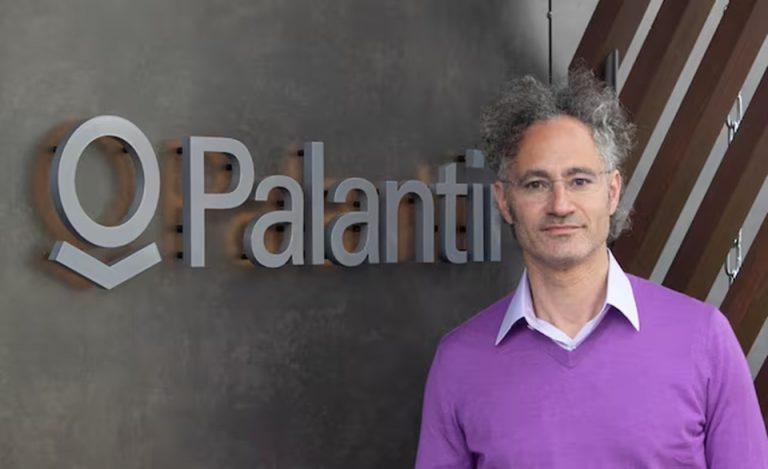
Palantir has transformed itself from a niche intelligence software provider into one of the world’s most valuable defence technology firms. With a market valuation exceeding $330 billion, the company has become a key supplier of artificial intelligence, battlefield analytics, and data integration platforms to governments and military organizations.
Register for the next Tekedia Mini-MBA.
Register for Tekedia AI in Business Masterclass.
Join Tekedia Capital Syndicate and co-invest in great global startups.
Its increasingly overt political positioning may now represent one of the greatest risks to its future growth. Unlike many Silicon Valley companies that attempt to remain politically neutral, Palantir has openly embraced the policies of the Trump administration.
The company’s executives have consistently argued for stronger national security measures, increased defence spending, and a more assertive American foreign policy. This alignment has generated significant business opportunities, particularly as Western governments increase military budgets in response to geopolitical instability.
Yet political alignment can be a double-edged sword. Palantir’s vocal support for Israel during the war in Gaza has sparked considerable backlash across both the United States and Europe. Employee protests, activist campaigns, and public criticism have intensified, with opponents accusing the company of enabling military operations that have generated widespread humanitarian concerns.
Demonstrations targeting technology companies involved in defence and surveillance have become increasingly common, placing Palantir directly in the spotlight.

The reputational risks are particularly acute in Europe. Many European governments and institutions place considerable emphasis on ethical standards, privacy protections, and corporate neutrality. Several countries have already become increasingly cautious about dependence on American technology providers, particularly those perceived as politically partisan.
If Palantir becomes viewed not merely as a software company but as an ideological actor, it could face growing resistance in winning government contracts across the continent. This challenge extends beyond public relations. Government contracts, especially in intelligence and defence sectors, depend heavily on trust and long-term political stability.
A company strongly associated with one political administration may encounter difficulties when leadership changes. Future governments in the United States or allied nations may reassess procurement relationships if they perceive Palantir as politically aligned rather than institutionally neutral.

The company’s close identification with controversial geopolitical issues could complicate recruitment efforts. The technology sector remains highly sensitive to social and political concerns, and younger engineers increasingly seek employers whose values align with their own.
Internal dissent and talent retention issues could gradually weaken Palantir’s competitive advantage in artificial intelligence and advanced analytics. Supporters argue that Palantir’s strategy may ultimately strengthen its position.
Rising geopolitical tensions, renewed great-power competition, and expanding military expenditures are creating unprecedented demand for defence technologies.
Governments facing security threats may prioritize capability over political controversy, allowing Palantir to continue expanding despite public criticism. Palantir’s future will depend on whether its political identity becomes an asset or a liability.
The company sits at the intersection of technology, national security, and ideology—three forces increasingly shaping the global order. While geopolitical instability may continue to fuel demand for its products, the same political currents could also threaten the trust and neutrality upon which much of its $330 billion business empire rests.