

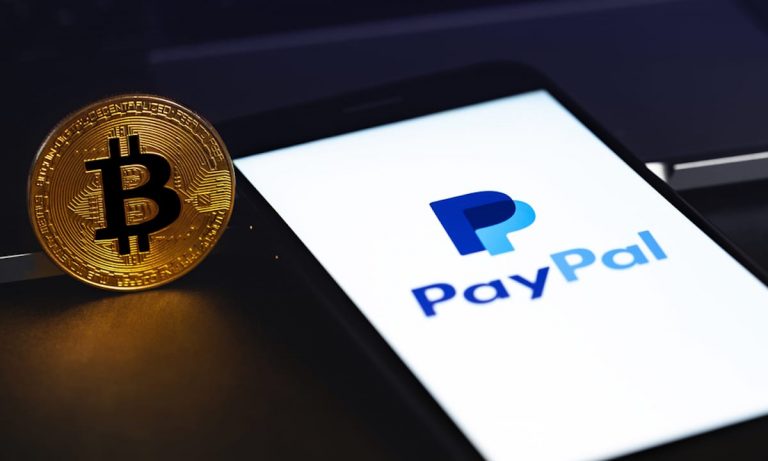
PayPal’s decision to elevate cryptocurrency into one of its three core business segments marks a pivotal shift in both its corporate strategy and the broader evolution of digital finance. Once viewed as an experimental or peripheral offering, crypto is now being positioned alongside PayPal’s traditional payments and merchant services as a foundational pillar of its future growth.
This move reflects not only the maturation of the cryptocurrency market but also the increasing convergence between conventional financial infrastructure and blockchain-based systems. For years, PayPal has operated as a dominant force in digital payments, facilitating seamless transactions for consumers and merchants worldwide. Its core strengths have historically revolved around payment processing, peer-to-peer transfers, and merchant checkout solutions.
However, the rapid rise of cryptocurrencies such as Bitcoin and Ethereum—and the growing demand for decentralized financial tools—has compelled established fintech firms to rethink their value propositions. By formally integrating crypto into its core structure, PayPal is signaling that digital assets are no longer a niche interest but a permanent fixture in global finance.
This strategic shift did not happen overnight. PayPal first entered the crypto space by enabling users to buy, hold, and sell select digital assets within its platform. It later expanded these capabilities to include crypto payments, allowing users to check out with digital currencies that are automatically converted into fiat for merchants. These early steps served as a testing ground, helping the company gauge user demand, regulatory challenges, and technical feasibility.
Register for the next Tekedia Mini-MBA.
Register for Tekedia AI in Business Masterclass.
Join Tekedia Capital Syndicate and co-invest in great global startups.
The decision to elevate crypto to a core segment suggests that these experiments have yielded sufficient confidence in both user adoption and long-term viability. One of the key drivers behind this move is the changing behavior of consumers, particularly younger demographics who are more inclined to view cryptocurrencies as both an investment vehicle and a medium of exchange. By embedding crypto more deeply into its ecosystem, PayPal can capture this growing user base and increase engagement across its platform.
This integration also opens the door to new revenue streams, including transaction fees, custody services, and potentially staking or yield-generating products, depending on regulatory frameworks. From a competitive standpoint, PayPal’s decision positions it more aggressively against both traditional financial institutions and emerging crypto-native platforms. Companies like Coinbase and Binance have built their businesses entirely around digital assets, while banks are increasingly exploring tokenization and blockchain infrastructure.
By making crypto a core segment, PayPal is effectively bridging these two worlds, leveraging its existing scale and trust to compete in a rapidly evolving landscape. Regulation remains a critical factor in shaping the trajectory of this strategy. The global regulatory environment for cryptocurrencies is still fragmented, with different jurisdictions adopting varying approaches to oversight, taxation, and consumer protection. PayPal’s established compliance infrastructure gives it an advantage in navigating these complexities, but it also means the company must remain cautious and adaptive.

Its ability to work within regulatory boundaries while still innovating will be a key determinant of success. Another important dimension is the potential for PayPal to integrate stablecoins and blockchain-based payment rails into its core operations. Stablecoins, which are pegged to fiat currencies, offer a compelling use case for reducing transaction costs and settlement times, particularly in cross-border payments. If PayPal can effectively incorporate these technologies, it could significantly enhance the efficiency of its payment network while maintaining price stability for users.
PayPal’s elevation of cryptocurrency to one of its three core segments represents a strategic acknowledgment of the digital asset economy’s permanence and potential. It underscores a broader industry trend in which the lines between traditional finance and decentralized systems are increasingly blurred. While challenges remain—particularly in regulation and market volatility—the move positions PayPal at the forefront of a financial transformation that is likely to define the next decade.