

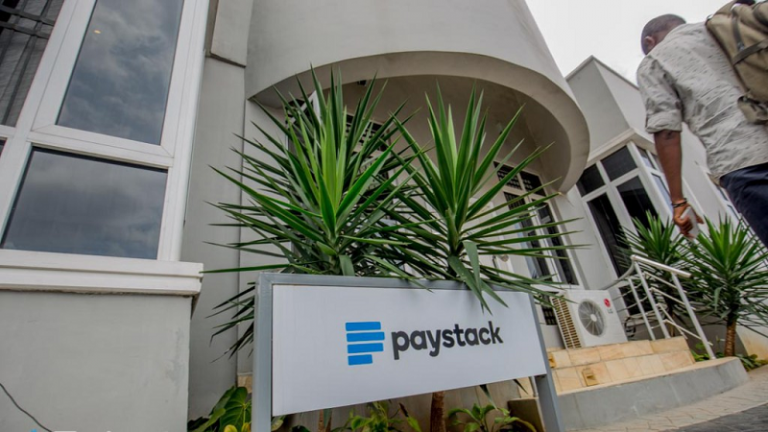
Paystack, the African fintech best known for its online and offline payment solutions, has formally entered Nigeria’s banking sector following its acquisition of Ladder Microfinance Bank.
The move marks a strategic shift from being a pure payments infrastructure provider to offering deeper financial services, including deposits, credit, and banking-as-a-service solutions for businesses.
Through the acquisition, Paystack gains greater control over the flow of funds within its ecosystem, enabling it to build more comprehensive financial products beyond payments. This expansion is expected to support lending, savings, yield products, and other core banking services tailored to the needs of African businesses.
Register for Tekedia Mini-MBA edition 20 (June 8 – Sept 5, 2026).
Register for Tekedia AI in Business Masterclass.
Join Tekedia Capital Syndicate and co-invest in great global startups.
Register for Tekedia AI Lab.
Announcing the milestone, the company clarified that Paystack Microfinance Bank will operate independently of Paystack Payments Limited, with its own licence, governance, and roadmap. While both entities will collaborate closely, each will remain focused on its distinct mission. According to the company, the new bank will be guided by the same values that shaped Paystack from its inception: reliability, simplicity, transparency, and trust. The rollout will begin with a small group of users, gradually expanding to more businesses and individuals over time.
Reacting to this development, Paystack’s Chief Operating Officer, Amadine Lobelle, via a LinkedIn post expressed excitement, describing the move as a natural evolution of the company’s vision, while noting that Paystack is now focused on helping businesses access a full financial operating system.
In her words,

“After 10 years of building trusted payments infrastructure, we’re excited to welcome Paystack Microfinance Bank to the family, a sister company to our payments business in Nigeria. Businesses don’t just need to get paid. They need a full financial operating system. One that helps them store money safely, move it easily, understand it clearly, and grow with confidence. Paystack MFB will run as a standalone bank, focused on solving some of these core pain points – from account services to yield and credit – all built on the foundation of what we’ve learned over the last decade. We’re just getting started, and we’re excited about what this unlocks for ambitious businesses.”
Founded in 2015 by Nigerian computer science graduates Shola Akinlade and Ezra Olubi, Paystack began with a simple goal: to make it easier for businesses to get paid. The founders believed modern technology could remove the complexity and frustration associated with payments, and they built infrastructure to support that vision. Over the years, the company has steadily expanded its reach and capabilities.
A decade later, Paystack has evolved into a platform operating across five African countries. In Nigeria alone, it processes trillions of naira in transactions every month, supporting over 300,000 businesses and millions of customers. In March last year, the company further broadened its scope with the launch of Zap, a consumer-focused app designed to simplify and speed up bank transfers.

Instead of relying on card networks or digital wallets, the app focuses exclusively on direct bank transfers, helping to reduce costs and improve transaction speed. This strategy places Paystack in direct competition with major fintech players such as OPay, PalmPay, Moniepoint, and Kuda, all of which have built strong user bases around mobile wallets and digital banking services.
With the acquisition of a microfinance licence, Paystack can now integrate payments, banking, and credit more tightly, offering tailored financial services to the businesses already using its platform. This move strengthens its ability to control the full financial journey of merchants from receiving payments to managing funds and accessing credit.
Outlook
Paystack’s entry into banking signals a broader trend among African fintechs. The convergence of payments, banking, and lending into unified financial ecosystems. By owning both the payments layer and a licensed banking institution, Paystack is well-positioned to build end-to-end financial products that go beyond transactions into long-term business growth.
In the long term, Paystack’s transformation from a payments company into a full-stack financial services provider could redefine its role in Africa’s digital economy, shifting from a facilitator of transactions to a core financial partner for ambitious businesses across the continent.