

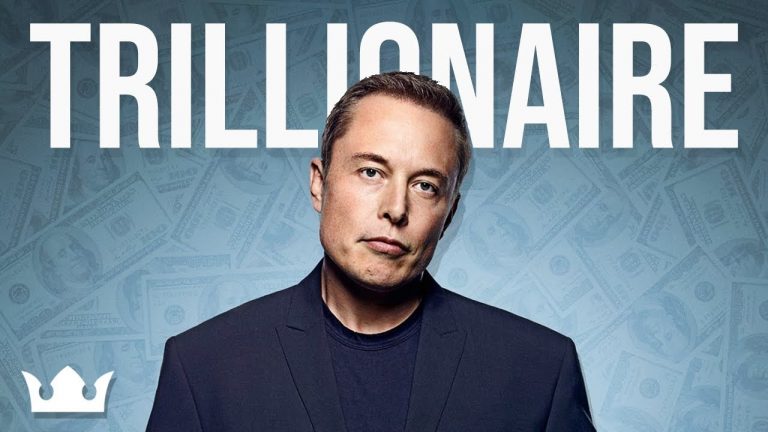
The Vatican’s new leader has entered the debate over corporate wealth and inequality, singling out Tesla CEO Elon Musk’s record-breaking pay deal as an emblem of the widening gap between the rich and everyone else.
In his first media interview since becoming pontiff, published on Sunday by Crux, Pope Leo XIV said he was troubled by massive corporate compensation packages, arguing that they fuel global inequality and deepen polarization both within and outside the Catholic Church.
The Pope pointed to Musk’s proposed $1 trillion compensation plan as a prime example. “Yesterday, the news broke that Elon Musk is going to be the first trillionaire in the world. What does that mean, and what’s that about? If that is the only thing that has value anymore, then we’re in big trouble,” he said.
Register for Tekedia Mini-MBA edition 20 (June 8 – Sept 5, 2026).
Register for Tekedia AI in Business Masterclass.
Join Tekedia Capital Syndicate and co-invest in great global startups.
Register for Tekedia AI Lab.
Tesla’s board unveiled the extraordinary package earlier this month, tying Musk’s payday to ambitious operational milestones: raising the carmaker’s valuation to $8.5 trillion, selling 12 million vehicles over the next decade, and deploying one million robotaxis.
Tesla Chair Robyn Denholm has defended the proposal, saying it is designed to keep Musk’s focus on Tesla’s long-term future despite his commitments to SpaceX, Neuralink, xAI, and his forays into politics.
“To me, the plan is super ambitious, and that is what motivates Elon,” Denholm told CNBC. Speaking to Bloomberg on Friday, she stressed that Musk “gets nothing if he doesn’t achieve the goals.”

Shareholders are set to vote on the package at Tesla’s annual meeting in November. If approved, it would cement Musk’s path toward becoming the world’s first trillionaire — a milestone that has stirred debate far beyond Wall Street.
A Troubled History of Musk’s Compensation Deals
This is not the first time Musk’s compensation has been the subject of intense scrutiny. Back in 2018, Tesla shareholders approved a $56 billion stock-based package, one of the largest in corporate history at the time. The deal, structured around 12 performance milestones, was hailed by Tesla’s board as a bold incentive to keep Musk focused on the company.
But the massive payout quickly triggered backlash. Many believed it was excessive, especially for a CEO who already owned a significant stake in Tesla. A group of investors later challenged the package in court, alleging that Tesla’s board had failed to exercise independent oversight and that Musk wielded outsized influence over directors.

Earlier this year, a Delaware judge struck down that 2018 pay package, ruling that the board’s approval process was “deeply flawed” and lacked fairness to shareholders. That legal setback forced Tesla’s board to revisit Musk’s compensation — setting the stage for the new $1 trillion proposal now under shareholder consideration.
The Pope’s Broader Warning
For Pope Leo, the issue is not Musk alone, but what his compensation represents. He recalled that “60 years ago, CEOs made maybe four to six times more than their workers, but now, according to the last figures I saw, it is 600 times more.” He described the widening disparity as a central force behind social and political divisions.
The Pope’s remarks echo concerns he raised in June at a summit of global leaders convened by the Catholic Church, where he called for a “more equitable distribution of resources.” Then, he warned that “the unacceptable disproportion between the immense wealth concentrated in the hands of a few and the world’s poor” fuels injustice and can “readily lead to violence and, sooner or later, to the tragedy of war.”
Leo XIV’s remarks have added embers to the raging debates over inequality – now increasingly intersecting with faith, ethics, and governance. As the first U.S.-born pope — a 69-year-old Chicago native who also holds Peruvian citizenship — his message carries both global and domestic resonance, especially against the backdrop of widening wealth gaps in the United States.
“Add on top of that a couple of other factors, one which I think is very significant, is the continuously wider gap between the income levels of the working class and the money that the wealthiest receive,” he said.
However, the November vote will test whether Tesla shareholders share Denholm’s belief that “super ambitious” targets justify an unprecedented payout, or whether the Pope’s warning about unchecked inequality resonates more widely.