

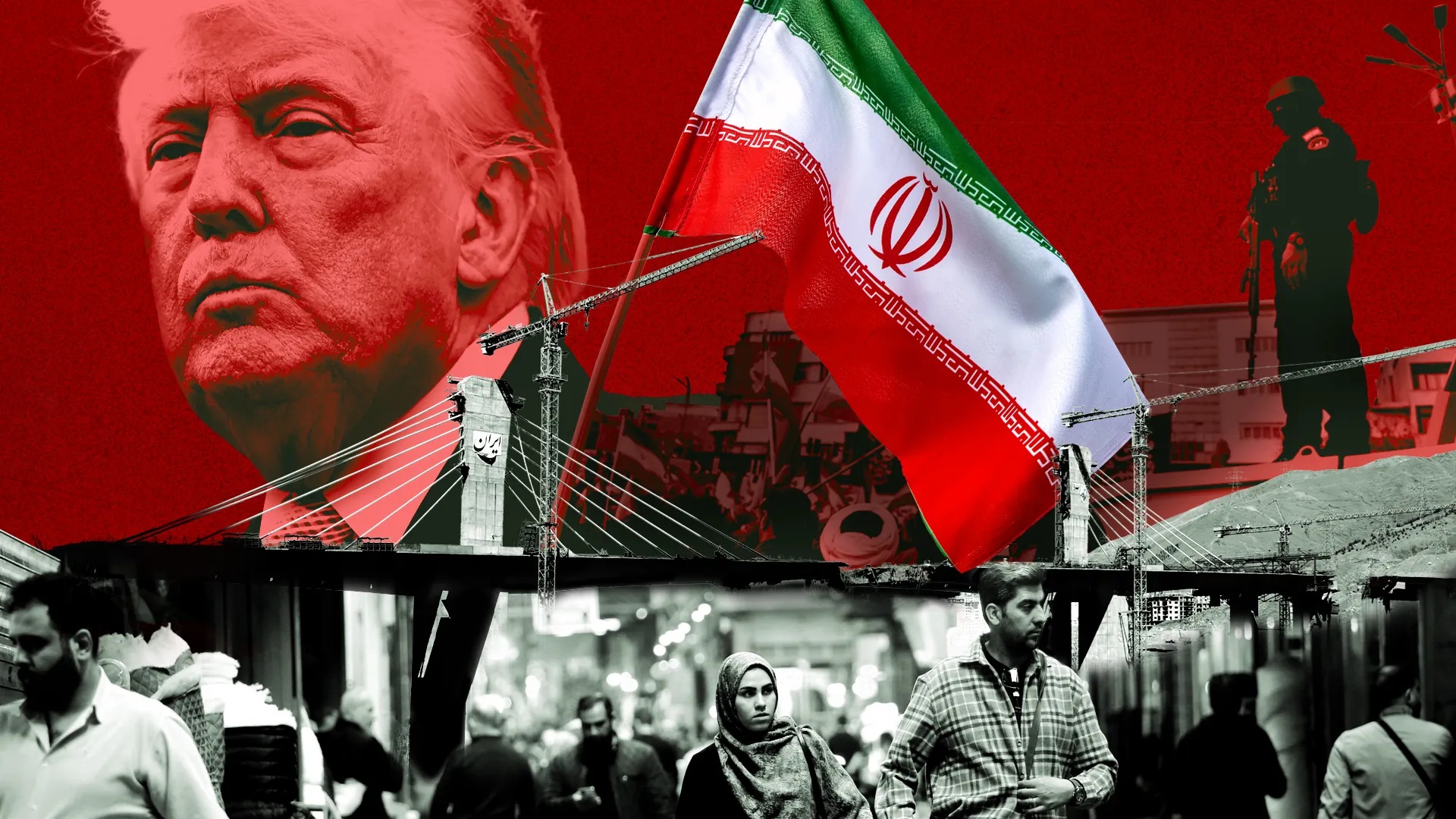
The fact that prediction markets are assigning low odds to an Iran ceasefire lasting 14 consecutive days reveals a deep level of skepticism among traders about the durability of peace in one of the world’s most volatile regions.
While diplomatic announcements often generate optimism in political circles, prediction market participants tend to focus on probabilities rather than promises.
Their pricing reflects expectations based on historical patterns, military realities, and geopolitical incentives rather than official statements alone.
A ceasefire between Iran and its adversaries is more than a temporary halt in hostilities. It requires sustained political commitment, effective communication between military commanders, and restraint from regional proxy groups that may not always act in lockstep with Tehran.
Register for the next Tekedia Mini-MBA.
Register for Tekedia AI in Business Masterclass.
Join Tekedia Capital Syndicate and co-invest in great global startups.
Even when governments publicly endorse peace, isolated attacks, retaliatory strikes, or miscalculations can quickly unravel fragile agreements. This history is one reason traders remain unconvinced that a two-week ceasefire can hold.
Prediction markets have gained prominence because they aggregate the views of thousands of participants who place real money behind their expectations.
Unlike opinion polls, where respondents face no financial consequences for inaccurate forecasts, prediction markets reward participants who correctly assess future outcomes.
As a result, they are increasingly viewed as a useful gauge of collective expectations on politics, economics, and international affairs. The skepticism surrounding the Iran ceasefire is rooted in decades of instability across the Middle East.

The region has witnessed numerous agreements that collapsed within days due to renewed missile strikes, drone attacks, or clashes involving allied militias. Even if Iran and its primary counterparts honor a ceasefire, actions by non-state actors operating in Lebanon, Iraq, Syria, or Yemen could trigger retaliation and effectively end the agreement.
These risks remain difficult to eliminate through diplomatic declarations alone. Markets are also responding to the broader strategic environment. Iran continues to face significant economic pressure from international sanctions while maintaining its regional influence through allied groups.
Meanwhile, opposing governments remain focused on deterring perceived security threats. These competing objectives create incentives for caution rather than lasting compromise, making investors hesitant to assign high confidence to an extended period of calm.

Another factor influencing prediction markets is the speed at which new information emerges. Satellite imagery, intelligence reports, military statements, and social media updates can rapidly alter expectations.
A single reported strike or allegation of a ceasefire violation can dramatically shift market probabilities within minutes. This responsiveness makes prediction markets highly sensitive to developments on the ground, often more so than traditional financial markets.
The implications extend beyond geopolitics. Oil traders, equity investors, and cryptocurrency markets closely monitor tensions involving Iran because disruptions in the Middle East can affect global energy supplies, inflation expectations, and investor sentiment.
If markets begin to believe a ceasefire is likely to endure, oil prices could ease while risk assets such as equities and digital assets may benefit from improved confidence. Conversely, renewed conflict could reignite volatility across multiple asset classes.
The market’s reluctance to believe that an Iran ceasefire will survive 14 days is not necessarily a prediction of inevitable failure but rather a reflection of the region’s complex geopolitical realities.
History has repeatedly demonstrated that ceasefires in the Middle East are vulnerable to sudden disruptions, whether through direct military action, proxy conflicts, or diplomatic breakdowns.
Until participants see sustained evidence of restraint and effective enforcement, prediction markets are likely to continue pricing caution over optimism, reminding observers that in global affairs, credibility is earned through actions rather than announcements.