

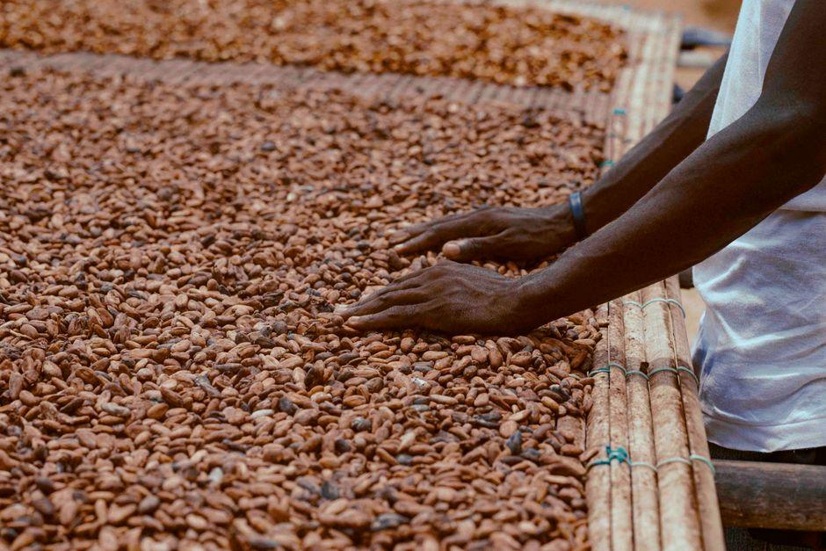
Every maturing market ends up with a cheap tier and a premium tier. The hard part is proving the premium tier deserves its price. Canada’s legal cannabis market offers an unusual case, because its top grades have no official standard behind them.
In Canada, legal since 2018, adults can buy top shelf bud from curated craft ranges that sellers rank above everyday stock. This is information, not an invitation to buy, and the legal age is 19 in most provinces, 18 in Alberta and 21 in Quebec. These sellers ship within Canada only, so readers in Nigeria and across Africa cannot order. Cannabis also remains illegal in Nigeria, and rules differ from country to country. Treat this as a business case for adult readers, not health guidance.
Why Does a Legal Market Split Into Price Tiers?
A legal market brings scale, and scale pushes prices down. Once licensed farms expand, standard flower starts to look like a commodity. Sellers then need a way to protect their margins.
The usual answer is a premium tier. A seller picks a small share of its stock, gives it a name and charges more for it. Canada went through this cycle after 2018, as supply grew faster than demand.
African investors are watching the same story from the supply side. Tekedia has covered Africa’s cannabis economy and the export hopes of countries such as Lesotho. Any African grower that reaches export markets will meet these tiers quickly. Knowing how they work is part of pricing a crop well.
What Does “Top Shelf” Actually Mean In Canada?
Top shelf is a seller’s label, not a legal grade. Health rules cover testing, potency labels and packaging, but they say nothing about “AAAA” or “craft”.
The Herb Centre, a Canadian online retailer, says so on its own category page. It notes there is no set definition of top shelf, so dispensaries differ on the term. Its craft range is chosen by in-house buyers and given an AAAA+ or “quad” rating.
The retailer explains the signals behind that choice. Top shelf flower usually tests at 18% THC or higher. The company says it sources much of its stock from British Columbia growers. It also states that it operates online within Canada only.
Quad rating: an informal four-letter grade that sellers use for their best flower. No regulator issues it or checks it.
Here lies the lesson for founders. The premium is real in the market, yet it rests on the seller’s own judgment and reputation.
How Does Cocoa Handle the Same Problem?
Cocoa faces the same puzzle, and West African producers know it well. The International Cocoa Organization splits the trade into fine flavor cocoa and bulk cocoa. It also admits there is no single, universally accepted test for the premium class.
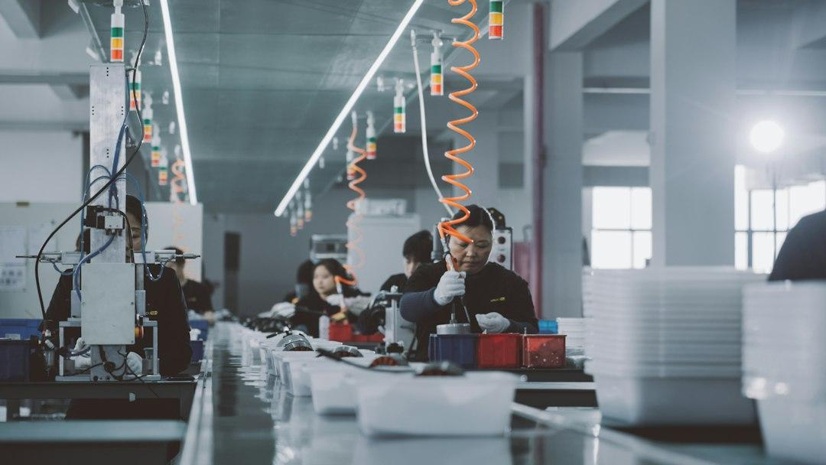
Assessors combine several signals instead:
- Genetic origin. The type of cocoa tree sets a ceiling on flavor.
- Growing conditions. Soil, climate and farm practice shape the bean.
- Fermentation and drying. Poor post-harvest work can erase good genetics.
- Mold, insects and impurities pull the score down.
- Fruit, floral, nut and caramel notes lift it up.
The ICCO puts fine flavor cocoa at about 12% of world bean exports. Latin America supplies about 90% of that premium share. West Africa grows far more cocoa overall, but most of it sells as bulk.
What Makes a Premium Tier Believable?
Buyers pay more when several signals line up. One signal alone rarely carries a price premium for long.
| Signal | Canadian cannabis example | Nigerian business parallel |
| Curation | Buyers hand-pick a small craft range | A food brand selects its best harvest batch |
| Named grade | AAAA+ or “quad” | “Grade A” or “export quality” |
| Origin story | British Columbia growers | Ondo cocoa or Kano sesame |
| Third-party proof | Lab potency on the label | A SON product certificate |
| Consistency | Each batch meets the same bar | Every carton matches the sample |
Regulated words help as well. A Tekedia guide to Nigeria’s beer brewing rules shows that NAFDAC limits who may call a drink “beer”. Protected terms like that do some of the trust-building for a brand.
Where Can Nigerian Entrepreneurs Apply This?
Nigeria already has a path for outside proof. The Standards Organisation of Nigeria runs MANCAP certification for products made locally. Firms face at least two quarterly factory inspections before approval. SON says the process takes about 60 days once requirements are met.
That kind of mark turns a private claim into a checked claim. It does not create a premium on its own. It does give buyers one less reason to doubt the premium a brand asks for.
- Define the tier in writing. State what qualifies, from moisture to size to taste.
- Keep the tier small. A premium range loses meaning when it covers half the stock.
- Add independent proof. Certification or lab results back the label.
- Watch demand cycles. Luxury goods lose pricing power fast when buyers tighten budgets.
Lessons Worth Keeping for Your Own Product Line
- A premium tier needs a clear rule, not just a higher price.
- Seller-made grades work, but they live or die on reputation.
- Cocoa shows that even global bodies struggle to define “premium”.
- Third-party checks, such as SON certification, strengthen a private grade.
- Scarcity and consistency matter more than the label itself.
Is a Premium Tier Worth Building?
For many Nigerian products, yes, if the standard is clear and buyers can verify it. Canada’s cannabis shelves show both the reward and the risk. The grade sells only as long as customers trust the people who set it.
Frequently Asked Questions
What Is a Quad Rating On Canadian Flower?
It is an informal grade that sellers give to their best flower. No Canadian regulator defines or checks it. Each retailer applies its own standards.
Is Top Shelf an Official Grade In Canada?
No. Federal rules cover testing, potency labels and packaging. Top shelf is a marketing term that varies from seller to seller.
Could a Lagos Reader Place an Order In Canada?
No. Delivery from those stores stops at the Canadian border. Nigerian law also bans the product outright.
How Does Fine Flavor Cocoa Earn Its Premium?
Assessors weigh tree genetics, growing conditions, post-harvest work and taste. No single test decides the grade. The ICCO says this premium class is about 12% of world bean exports.