

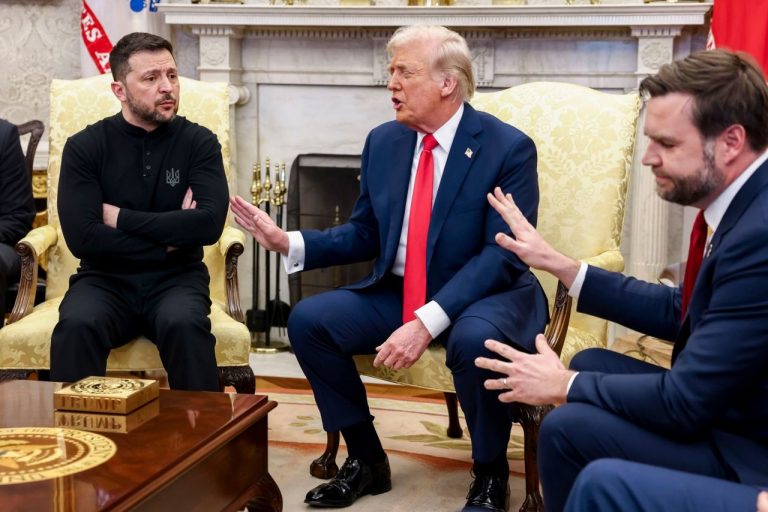
President Donald Trump has expressed optimism about a potential ceasefire in the Russia-Ukraine conflict following a two-hour phone call with Russian President Vladimir Putin on May 19, 2025. Trump stated that Putin agreed to “immediately” start direct negotiations with Ukraine toward a ceasefire and a broader peace deal, marking a shift from his earlier demand for an immediate Russian ceasefire. Instead, Trump endorsed Putin’s call for direct talks between the two nations, suggesting they negotiate the conditions themselves.
Ukrainian President Volodymyr Zelenskyy, however, emphasized that any negotiation process must involve American and European representatives and reiterated his stance against conceding Ukrainian territory, citing constitutional obligations. Despite Trump’s optimism, Putin has not fully committed to an immediate ceasefire, and Russian officials have expressed concerns about enforcement and Ukraine potentially using a truce to regroup. European leaders continue to push for a 30-day unconditional ceasefire, threatening sanctions if Russia does not comply, while some analysts warn that Putin may be delaying or seeking terms unfavorable to Ukraine.
The implications of Trump’s optimism about a Russia-Ukraine ceasefire following his two-hour call with Putin on May 19, 2025, are multifaceted, with significant geopolitical, strategic, and domestic consequences. The divide between stakeholders—particularly between Trump, Ukraine, Russia, and European allies—highlights competing interests and challenges in achieving a sustainable resolution.
Register for Tekedia Mini-MBA edition 20 (June 8 – Sept 5, 2026).
Register for Tekedia AI in Business Masterclass.
Join Tekedia Capital Syndicate and co-invest in great global startups.
Register for Tekedia AI Lab.
Trump’s push for direct Russia-Ukraine talks signals a potential reduction in U.S. mediation, aligning with his “America First” approach. This could weaken multilateral frameworks like NATO or EU-led initiatives, as Trump appears to favor bilateral negotiations. Putin’s agreement to talks without an immediate ceasefire commitment suggests Russia may exploit negotiations to maintain military pressure or secure favorable terms, such as territorial concessions or Ukraine’s neutrality.
Zelenskyy’s insistence on no territorial concessions and the inclusion of Western representatives underscores Ukraine’s reliance on international support. A U.S. withdrawal from active mediation could weaken Ukraine’s negotiating position. European leaders’ push for a 30-day unconditional ceasefire reflects fears of Russian stalling. If Trump’s approach sidelines Europe, it could strain transatlantic relations and embolden Russia to test EU resolve.
Without clear enforcement mechanisms, any ceasefire risks collapsing, as Russia could use it to regroup or rearm, while Ukraine fears being pressured into unfavorable terms. A resolution perceived as rewarding Russian aggression could embolden other authoritarian regimes, impacting conflicts in regions like Taiwan or the Middle East. A prolonged negotiation without a ceasefire could sustain disruptions in energy markets and global supply chains, particularly affecting Europe’s reliance on Ukrainian grain and Russian gas.

Domestic U.S. Impact
Trump’s optimism could bolster his domestic image as a dealmaker, but failure to deliver a lasting peace might draw criticism from both hawks, who oppose concessions to Russia, and doves, who fear escalation. His approach may deepen partisan divides, with critics arguing it risks abandoning Ukraine, while supporters see it as a pragmatic step to avoid U.S. overreach.
Trump’s endorsement of direct Russia-Ukraine talks without preconditions suggests a hands-off U.S. role, prioritizing quick resolution over long-term commitments. This contrasts with his earlier campaign rhetoric demanding an immediate Russian ceasefire. Zelenskyy’s insistence on Western involvement and no territorial concessions reflects Ukraine’s need for guarantees against Russian dominance. Kyiv fears Trump’s approach could pressure them into ceding ground, undermining their constitutional and public commitments.

By encouraging bilateral talks, Trump appears to sideline European efforts for a multilateral ceasefire with strict enforcement, potentially viewing EU sanctions threats as ineffective. European leaders advocate for a 30-day unconditional ceasefire backed by sanctions, reflecting a more cautious approach. They worry Trump’s strategy risks legitimizing Russian gains and weakening NATO’s unity. Putin’s openness to talks without committing to an immediate ceasefire suggests a desire to maintain battlefield leverage. Russia may demand concessions like recognizing occupied territories or Ukraine’s non-alignment with NATO.
Zelenskyy’s firm stance against territorial losses and his call for Western involvement highlight Ukraine’s distrust of Russia’s intentions, fearing negotiations could be a pretext for further aggression. Supporters view his outreach to Putin as a bold move to end a costly conflict, avoiding deeper U.S. entanglement. Opponents, including some Republicans and most Democrats, argue that Trump’s approach risks betraying Ukraine and emboldening Putin, potentially undermining U.S. credibility globally.
The divide reflects deeper tensions over how to balance peace, sovereignty, and global stability. Trump’s optimism may hinge on his ability to broker a deal that satisfies both Russia and Ukraine, but the lack of alignment on terms—territory, NATO membership, and enforcement—suggests significant hurdles. If negotiations falter, Ukraine could face increased pressure, Europe might escalate sanctions, and U.S.-Russia relations could deteriorate further, complicating global security dynamics.