

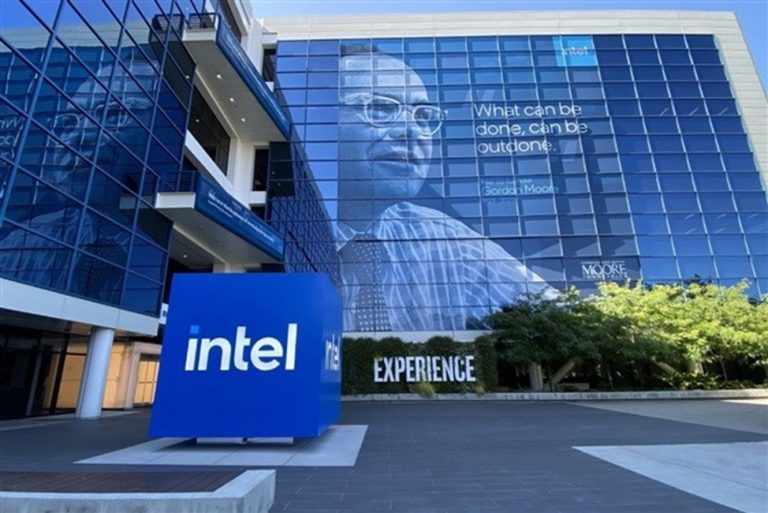
Sen. Rand Paul (R-Ky.) has come out swinging against the Trump administration’s decision to take a 10% equity stake in Intel, warning that government ownership of private corporations is “a bad idea” that risks eroding the free-market principles Republicans have long championed.
Intel disclosed last month that the U.S. government purchased 433.3 million shares of its common stock at $20.47 per share, an $8.9 billion investment that gave Washington a 10% stake in the struggling chipmaker. The purchase price was at a discount to Intel’s current market value, effectively making taxpayers both financiers and shareholders in one of America’s most important semiconductor companies.
Appearing on CNBC’s Squawk Box on Wednesday, Paul called the move “a step towards socialism,” saying conservatives should resist any attempt to justify such interventions.
Register for Tekedia Mini-MBA edition 20 (June 8 – Sept 5, 2026).
Register for Tekedia AI in Business Masterclass.
Join Tekedia Capital Syndicate and co-invest in great global startups.
Register for Tekedia AI Lab.
“It’s always a mistake to say, ‘Well, we have this one bad policy, all right, we’ll tolerate a little socialism, but we don’t want anymore,’” Paul argued. “I think it’s a bad idea.”
Trump’s Case for the Deal
President Donald Trump has framed the Intel stake as both strategic and patriotic, describing it as a “great Deal for America, and, also, a great Deal for INTEL” in a post last month on Truth Social.
Trump has increasingly adopted a hands-on approach to corporate America, wielding industrial policy tools with a force that has unsettled some free-market conservatives. In August, his administration imposed a rule requiring the government to take a 15% cut of certain Nvidia and AMD chip sales to China, citing national security. The Pentagon also purchased a $400 million equity stake in rare-earth miner MP Materials and acquired a so-called “golden share” in U.S. Steel as part of a deal to allow Japan’s Nippon Steel to buy the American steel giant.

The administration argues such moves safeguard U.S. supply chains and prevent strategic assets from slipping out of American control, but critics like Paul view them as creeping state intervention.
Sanders and Corporate Welfare Concerns
Interestingly, one of the most vocal supporters of Trump’s Intel plan has been Sen. Bernie Sanders (I-Vt.), who normally opposes the president on virtually every issue. Sanders, a self-described democratic socialist, told reporters last month that he backs the investment because taxpayers deserve something in return when billions are handed to corporations.
“Taxpayers should not be providing billions of dollars in corporate welfare to large, profitable corporations like Intel without getting anything in return,” Sanders said, positioning himself as a rare ally of Trump on industrial policy.

Free Market Republicans Uneasy
Paul, however, sees the trend as corrosive to Republican orthodoxy. “I worry that the free market movement, the movement that was a big part of the Republican Party, is being diminished over time,” he said.
His warning echoes historical debates within the GOP. During the 2008 financial crisis, when George W. Bush’s administration partially nationalized banks through the Troubled Asset Relief Program (TARP), libertarian-leaning Republicans voiced similar alarm about government picking winners and losers in the private sector.
Now, with Trump pursuing direct equity stakes in critical industries, Paul is reviving that line of argument—suggesting that the party risks drifting away from its traditional opposition to government interference in markets.
Business Community Also Reacts with Unease
The investment drew both conservative pushback and concern from corporate America. The U.S. Chamber of Commerce expressed discomfort with the lack of clear rules surrounding such interventions, cautioning that these unprecedented steps erode institutional independence and the rule-based economy.
Investors—especially those in semiconductors and defense—are tracking this closely, warning that such state involvement risks “state capitalism.” According to analysts at Jefferies, future equity buys could target defense contractors and other strategic sectors, fundamentally altering investment norms.
Billionaire Ray Dalio raised an alarm about the broader implications, likening the approach to autocratic governance that sidelines economic freedom and democratic norms.
Replicating this move, the CHIPS Act grants and defense funding facilitated this investment. But the deal’s design—complete with warrants, discounted share price, and board-voting clauses—signaled real influence over corporate decisions and worried analysts about long-term distortion.
White House Signals More Investments Like Intel
White House economic adviser Kevin Hassett hinted that similar arrangements could follow, acknowledging that the administration is considering equity stakes in other semiconductor firms or additional industries. Discussions around creating a U.S. “sovereign wealth fund” underlie this strategic pivot away from pure free-market interventions.
Secretary of the Treasury Scott Bessent confirmed that Nvidia is not currently in the administration’s crosshairs for similar investments—but the door remains ajar for broader engagement in critical sectors.
The controversy highlights a broader tension in U.S. economic policy: the clash between free-market orthodoxy and national security-driven industrial policy. While Trump frames his approach as protecting America’s technological leadership against China, Paul warns it sets a dangerous precedent.
The question from critics is: If the government becomes a major shareholder in Intel today, what prevents Washington from deepening its role across other industries tomorrow?