

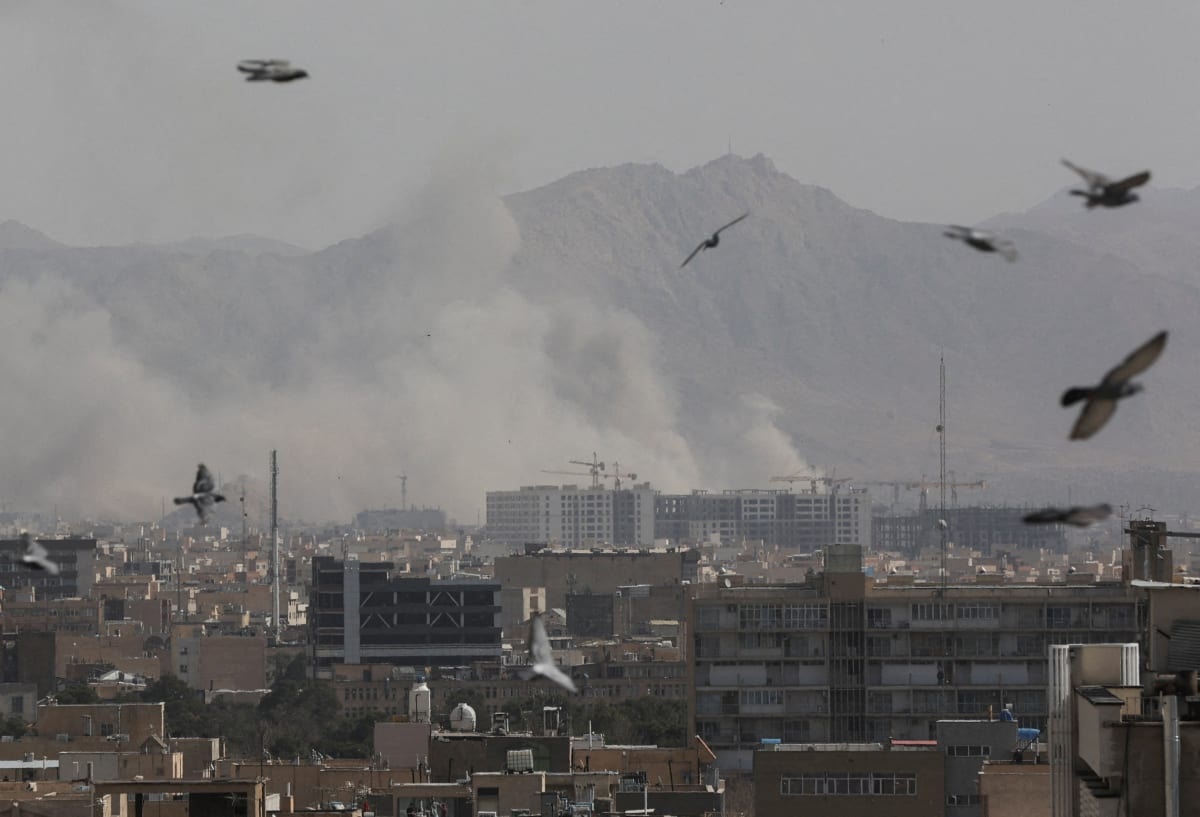
Russia has publicly called for accountability regarding a deadly U.S. missile strike on an Iranian girls’ elementary school in late February 2026, which killed approximately 170 people, mostly young schoolgirls.
The incident occurred on February 28, 2026, during the opening phase of U.S. and Israeli military operations against Ira. The strike hit the Shajarah Tayyebeh elementary school in Minab, southern Iran (Hormozgan province). Iranian authorities and state media reported the death toll as between 165 and 180, primarily girls aged 7–12, with additional injuries.
Preliminary findings from a U.S. military investigation indicate that the strike was likely carried out by the United States using a Tomahawk cruise missile. The error stemmed from outdated targeting intelligence and data from the Defense Intelligence Agency, which misidentified the school building possibly due to its former or adjacent association with an Iranian military/naval facility.
Register for Tekedia Mini-MBA edition 20 (June 8 – Sept 5, 2026).
Register for Tekedia AI in Business Masterclass.
Join Tekedia Capital Syndicate and co-invest in great global startups.
Register for Tekedia AI Lab.
The U.S. administration under President Trump has acknowledged an investigation but has not fully accepted responsibility; Defense Secretary Pete Hegseth has emphasized a thorough probe, while initial denials or deflections including suggestions of Iranian involvement have been reported.
Some U.S. lawmakers, including Democrats in Congress, have demanded swift transparency, public release of findings, and measures to prevent civilian harm.Russia’s response — Recent reports and social media posts state that Russia is demanding accountability for the strike. This aligns with Russia’s broader criticism of U.S. actions in the conflict, including statements from officials like Foreign Minister Sergei Lavrov highlighting the lack of condemnation from certain parties.
Russian Foreign Ministry spokesperson Maria Zakharova has previously condemned the incident and the absence of Western sympathy for the victims. These calls appear part of Russia’s diplomatic positioning amid the escalating U.S.-Iran war.Iran has labeled the strike an “unforgivable war crime” and a deliberate attack, demanding punishment for those responsible.
International bodies like the UN Human Rights Office and UNESCO have condemned the strike, called for independent investigations, and urged accountability and redress for victims. The event has drawn widespread outrage, with comparisons to major civilian casualty incidents and criticism of U.S. targeting processes.

Russia and Iran’s alliance, formalized as a Comprehensive Strategic Partnership Treaty signed in January 2025 by Presidents Vladimir Putin and Masoud Pezeshkian, represents a deepening but transactional relationship rooted in shared opposition to Western particularly U.S. influence, mutual sanctions evasion, and military-technical cooperation.
The treaty elevates bilateral ties to a long-term strategic level, covering political coordination, economic integration like trade, energy, and investments—Russia has been Iran’s largest foreign investor since 2022, and security collaboration. It lacks a mutual defense clause, unlike Russia’s pacts with Belarus or North Korea, meaning no automatic obligation for direct military intervention.
Ties strengthened significantly after Russia’s 2022 invasion of Ukraine, when Iran supplied Shahed drones and short-range ballistic missiles to Russia helping Moscow bypass Western sanctions and sustain its war effort.
In return, Russia has assisted Iran’s missile and nuclear programs, provided weapons, and helped evade sanctions.

Both nations view themselves as counterweights to U.S.-led global order, with coordination in forums like BRICS and on issues like Syria where they backed Assad until his fall. The ongoing conflict—sparked by U.S. and Israeli strikes starting February 28, 2026—has tested the partnership’s limits.
Moscow has condemned U.S./Israeli actions including the Minab school strike, diplomatically, called for accountability, and positioned itself as a mediator. Putin praised the late Ayatollah Khamenei for advancing “strategic cooperation.” However, Russia has not intervened militarily—no troops, no direct arms deliveries reported in combat.
Kremlin statements emphasize no Iranian request for military aid was received. U.S. intelligence reports indicate Russia is sharing targeting data; satellite imagery on U.S. warships, aircraft, and positions in the Middle East, aiding Iranian strikes on American forces. Ukrainian President Zelenskyy claimed Russia supplied Shahed drones to Iran for use against U.S./Israeli targets reversing prior flows.
Iranian officials confirm ongoing military cooperation with Russia and China describing it as part of a long-standing partnership. Analysts describe the relationship as transactional rather than a full alliance driven by self-interest, with historical distrust. Russia’s commitments are constrained by its Ukraine war, avoiding escalation with the U.S.
No evidence of direct Russian combat involvement or regime-saving aid has emerged. Some sources note Russia benefits from prolonged conflict diverting U.S. attention but fears Iranian regime collapse or Western reorientation.
In the context of Russia’s recent demands for accountability over the U.S. school strike aligning with its anti-Western stance, the partnership serves diplomatic leverage more than kinetic support. Tehran publicly affirms the ties will endure, but the war exposes boundaries.
Russia aids backstage (intelligence, tech sharing) without frontline commitment.This dynamic reflects broader multipolar shifts—Russia and Iran as “rogue” partners fracturing U.S. dominance—but remains pragmatic, not ideological ironclad. No final official U.S. conclusion has been released as of mid-March 2026, and the broader conflict continues with significant civilian impacts reported.