

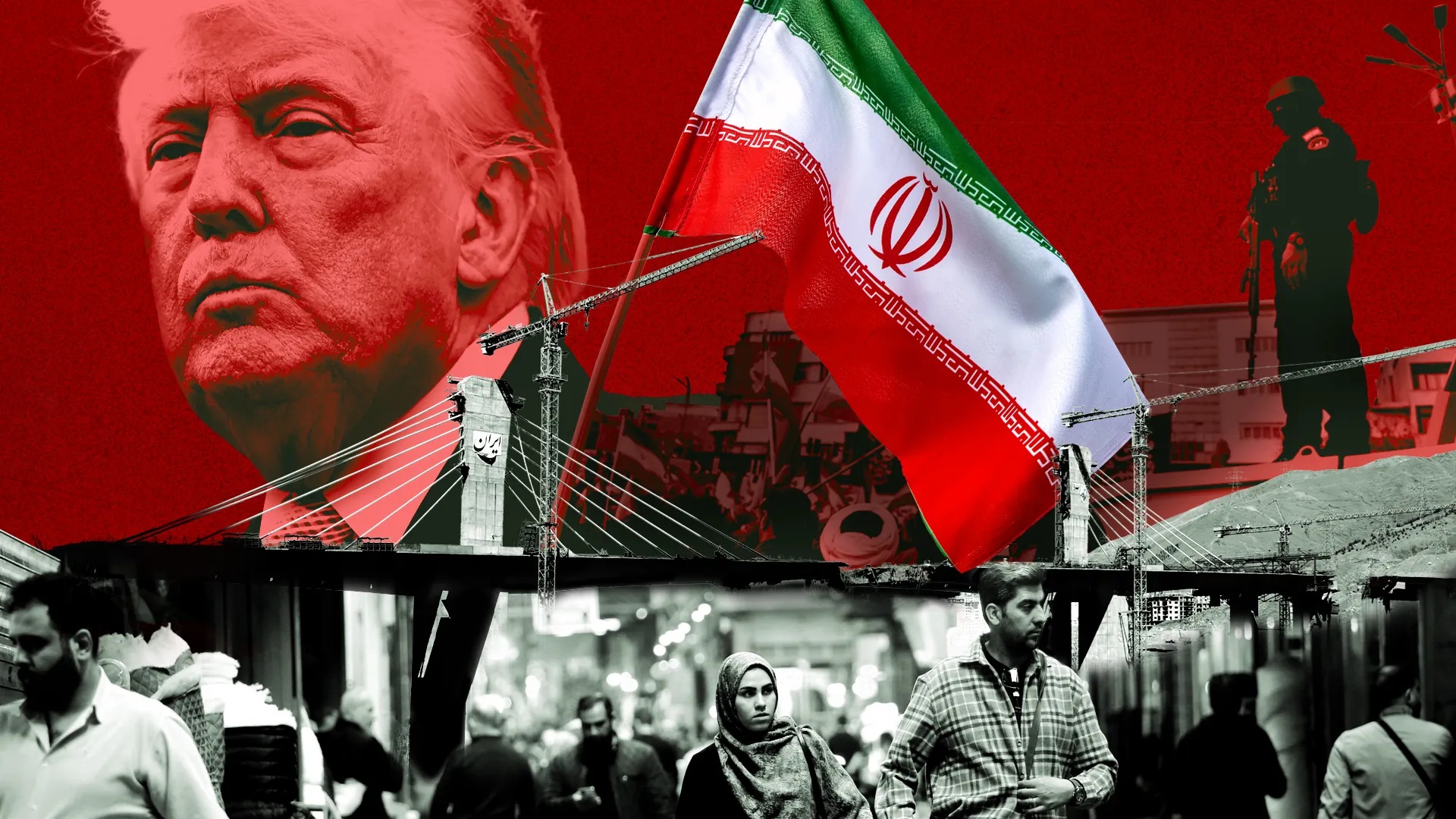
The global economy is entering a period in which geopolitical risk, political instability and monetary tightening are increasingly colliding. Markets already have plenty to worry about, but fresh revelations about Russia’s military assistance to Iran, uncertainty surrounding the US military establishment and a hawkish Federal Reserve are creating a more complicated environment for investors.
A Financial Times investigation has revealed that Russia has secretly assisted Iran in developing advanced supersonic cruise-missile technology through a programme known as C430L.
The project, which began in 2023, reportedly involves Russian missile specialists helping Tehran develop ramjet propulsion capable of sustaining flight at several times the speed of sound.
Although there is no evidence that a Russian-assisted missile has entered operational service, Iranian engineers have reportedly built and flight-tested the propulsion system. The significance extends beyond another weapons-development programme.
Register for the next Tekedia Mini-MBA.
Register for Tekedia AI in Business Masterclass.
Join Tekedia Capital Syndicate and co-invest in great global startups.
Supersonic cruise missiles can reduce the reaction time available to air and missile-defence systems, potentially creating a serious challenge for US naval forces operating in the Middle East.
The cooperation also illustrates how the relationship between Moscow and Tehran is evolving from conventional military support toward deeper technological integration. That development arrives as the conflict involving the United States and Iran continues to threaten energy markets and global risk appetite.
Any further escalation around the Strait of Hormuz could disrupt energy flows, pushing oil prices higher and creating another inflationary shock for economies already struggling with elevated price pressures. The combination of higher energy costs and geopolitical uncertainty is particularly uncomfortable for central banks.

Washington is facing its own questions about institutional stability. The resignation of the US Army chief introduces another layer of uncertainty at a moment when American military forces are already heavily exposed to developments in the Middle East.
Leadership changes do not necessarily imply operational weakness, but markets tend to react negatively when senior institutional changes coincide with active military confrontations and heightened strategic tensions.
The most important issue is the possibility that these risks reinforce one another. A geopolitical escalation can lift oil prices. Higher oil prices can strengthen inflation. Persistent inflation can prevent central banks from easing monetary policy. Higher interest rates can then weaken economic growth, corporate earnings and risk assets.

The Federal Reserve’s posture therefore matters enormously. Chair Kevin Warsh has recently emphasized that inflation remains uncomfortably high and indicated that interest-rate increases could be necessary if price pressures persist. His hawkish stance has reinforced concerns that monetary policy may remain restrictive for longer than investors expect.
The uncomfortable possibility is that the Fed may be willing to tolerate weaker growth, and potentially even a recession, to restore price stability. That would represent a difficult environment for equities, credit markets and speculative assets such as cryptocurrencies.
Higher yields increase the opportunity cost of holding riskier investments while tighter financial conditions can reduce liquidity across markets. This creates a three-front threat: geopolitical escalation, institutional uncertainty and restrictive monetary policy.
None of these risks alone guarantees a market downturn. But together, they make the investment environment considerably less forgiving. Markets have spent much of the post-pandemic era learning to absorb wars, inflation shocks and aggressive monetary policy.
The current challenge is that these forces are increasingly arriving simultaneously. Investors may therefore need to prepare for greater volatility, wider risk premiums and sharper reactions to every development from Tehran, Washington and the Federal Reserve.