

The collapse of a high-profile AI hedge fund has opened another chapter, and this time the spotlight is turning toward Wall Street’s largest financial institutions.
The U.S. Securities and Exchange Commission has subpoenaed major banks over their dealings with Situational Awareness, seeking information about the fund’s trading activity, leverage and communications with lenders.
The inquiry follows the fund’s near-collapse during July’s brutal selloff in AI-related stocks. Situational Awareness rose like a comet across the financial sky.
Founded by former OpenAI researcher Leopold Aschenbrenner, the fund built an aggressive reputation around concentrated bets on the artificial-intelligence revolution. At its peak, it reportedly commanded tens of billions of dollars, with leverage amplifying both its gains and its vulnerability.
Register for the next Tekedia Mini-MBA.
Register for Tekedia AI in Business Masterclass.
Join Tekedia Capital Syndicate and co-invest in great global startups.
But markets can be unforgiving when conviction meets gravity. When AI stocks tumbled in July, the fund’s concentrated positions became a storm rather than a shelter. Margin calls arrived, forcing Situational Awareness to liquidate positions under pressure.
Reports indicate that the fund lost roughly 67% of its portfolio value, while the forced unwinding of positions accelerated the damage. Now, the SEC wants to understand what happened behind the curtain.
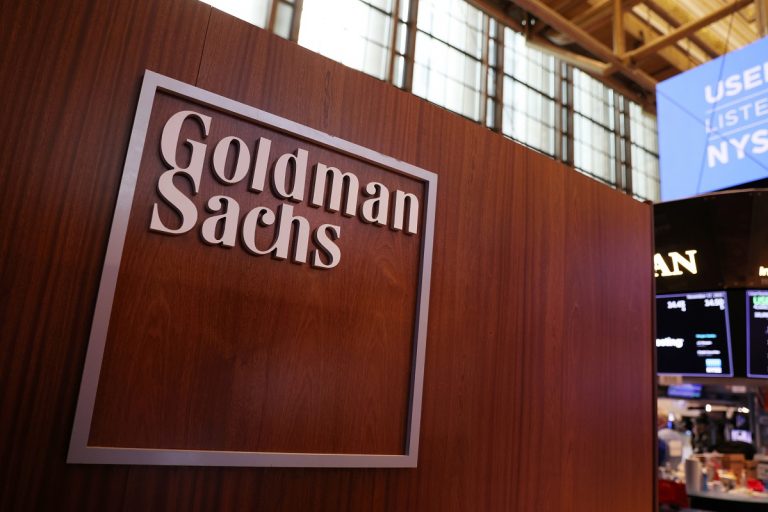
Subpoenas were reportedly sent to Goldman Sachs, JPMorgan Chase, Citigroup and Bank of America. Regulators are seeking information about when trades were executed, how the fund communicated with lenders and how borrowed capital was used. The banks were also instructed to preserve relevant records.

The significance extends beyond one hedge fund. Leverage is financial oxygen: it allows investors to move more capital than they possess, magnifying opportunity when markets rise and magnifying destruction when markets fall.
A highly leveraged strategy can appear brilliant during a bull market because borrowed money makes returns look extraordinary. But when prices reverse, leverage becomes a tightening rope.
That is why the SEC’s interest matters. The regulator is not simply examining whether Situational Awareness made a bad investment.
It is examining the machinery surrounding those investments—the relationships between the fund and its lenders, the timing of trades, the margin process and the flow of information during the crisis. Importantly, an SEC inquiry does not establish wrongdoing, and no enforcement action has been announced.

The episode also reveals how deeply interconnected modern markets have become. When one institution is forced to liquidate billions of dollars in concentrated positions, the consequences can travel through prime brokers, counterparties, market makers and other investors.
A single distressed portfolio can become a stone thrown into a much larger financial pond. Citadel stepped in to purchase much of Situational Awareness’s public-equity portfolio, helping prevent an even more disorderly liquidation.
There is a quiet lesson beneath the noise. Artificial intelligence may be rewriting the future of technology, but financial markets remain governed by an older law: risk does not disappear simply because the story is compelling. Innovation can create enormous fortunes.
Yet leverage can transform those fortunes into fragile towers. The SEC’s subpoenas therefore represent more than a regulatory footnote. They are a search for the hidden architecture behind a spectacular fall.
As investigators follow the paper trail, Wall Street is once again being reminded that beneath every dazzling market narrative lies a question that never grows old: how much risk was hiding behind the dream?